×

Costa Rica🇨🇷 | best villagesWhere to Find the 3 Best villages in Costa Rica

Costa Rica’s villages are the heartbeats of its diverse landscapes, each offering a unique slice of local life. These rural communities range from the misty highlands of Monteverde to the sun-soaked coasts of Guanacaste, showcasing the country’s rich cultural tapestry. Seasonal variations influence village activities, with festivals and harvests shaping the local vibe. Choosing the right village can significantly impact your backpacking experience—from budget-friendly options in less touristy areas to vibrant markets in more popular spots. Safety, ease of travel, and opportunities for cultural immersion vary widely, making it essential to align your choice with your travel style and interests.

By Johan Kruseman 🇳🇱 | Updated June 7, 2026
Explore the best landmarks in Costa Rica

Why go?Why Travelers Love These Spots

Villages in Costa Rica offer a unique glimpse into the heart of a country that balances tradition with natural beauty. Unlike many destinations, these communities thrive on authenticity. Here, traditional practices are not just preserved; they are woven into daily life. The scent of fresh coffee mingles with the earthy aroma of tilled soil, creating an atmosphere that feels alive and vibrant.

Geographically, Costa Rica’s diverse landscapes—from lush mountains to coastal plains—shape these villages. Each community reflects its surroundings, whether through architecture or local customs. The climatic variations also dictate seasonal accessibility. Rainy seasons can transform roads into rivers, making some villages challenging to reach. This trade-off often means that while the journey may be … read more 👉
Villages in Costa Rica offer a unique glimpse into the heart of a country that balances tradition with natural beauty. Unlike many destinations, these communities thrive on authenticity. Here, traditional practices are not just preserved; they are woven into daily life. The scent of fresh coffee mingles with the earthy aroma of tilled soil, creating an atmosphere that feels alive and vibrant.

Geographically, Costa Rica’s diverse landscapes—from lush mountains to coastal plains—shape these villages. Each community reflects its surroundings, whether through architecture or local customs. The climatic variations also dictate seasonal accessibility. Rainy seasons can transform roads into rivers, making some villages challenging to reach. This trade-off often means that while the journey may be arduous, the reward is a deeper connection to the land and its people.

However, rural infrastructure can be a double-edged sword. Limited access to modern amenities might deter some travelers, yet it fosters a more immersive experience. The slower pace allows for genuine interactions, where visitors can learn about local crafts and traditions.

In essence, Costa Rica’s villages are not just places on a map; they are living narratives shaped by history, culture, and geography. Understanding these nuances is crucial for travelers seeking a meaningful adventure.
Evaluating the Top Choices
The list of best villages in Costa Rica is created based on authenticity, scenic beauty, community spirit, traditions, and overall character. If you feel a village is missing in this list, please let us know.

When to go?When to Plan Your Trip

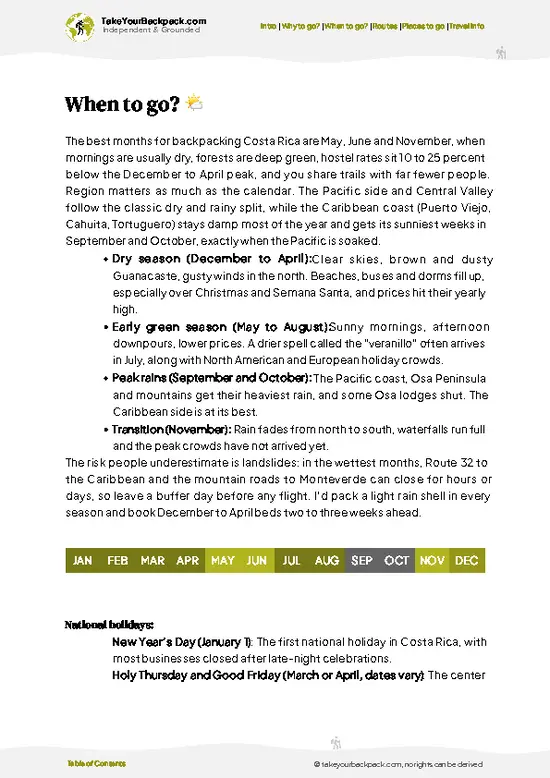
Seasonality plays a crucial role in the experience of visiting villages in Costa Rica. The country has a distinct wet and dry season, which significantly influences rural life. The dry season, typically from December to April, offers clear skies and warm temperatures. This is when agricultural activities peak, and local festivals often celebrate harvests. Villages come alive with vibrant markets and communal gatherings, making it an ideal time for cultural immersion.

Shoulder seasons, like May and November, present a mixed bag. These months see fewer tourists, which can enhance the authenticity of interactions with locals. However, the weather can be unpredictable, with sudden rain showers that may disrupt plans. Costs often drop during these times, making it a budget-friendly option, but … read more 👉
Seasonality plays a crucial role in the experience of visiting villages in Costa Rica. The country has a distinct wet and dry season, which significantly influences rural life. The dry season, typically from December to April, offers clear skies and warm temperatures. This is when agricultural activities peak, and local festivals often celebrate harvests. Villages come alive with vibrant markets and communal gatherings, making it an ideal time for cultural immersion.

Shoulder seasons, like May and November, present a mixed bag. These months see fewer tourists, which can enhance the authenticity of interactions with locals. However, the weather can be unpredictable, with sudden rain showers that may disrupt plans. Costs often drop during these times, making it a budget-friendly option, but travelers should be prepared for potential accessibility issues due to muddy roads or limited services.

Peak periods around major holidays can lead to crowded conditions. While the atmosphere is festive, it may detract from the tranquil village experience. The wet season, from May to November, brings lush landscapes and fewer visitors, but heavy rains can limit access to some areas. Understanding these seasonal dynamics allows for a more enriching and authentic experience in Costa Rica’s villages.

village hoppingOptimizing Your Multi-Stop Itinerary

Routing Logic
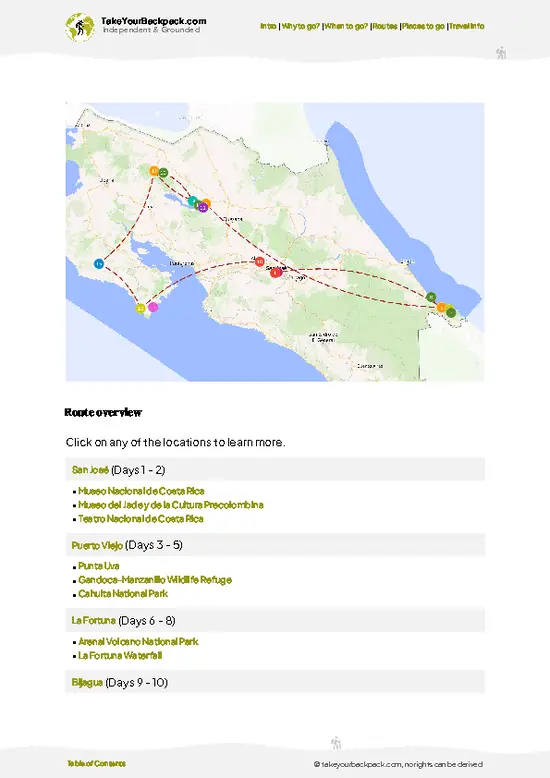
Costa Rica’s villages are often clustered by region, making it easier to explore them without backtracking. Start in the Central Valley, where towns like Atenas and Grecia offer a taste of local life. From there, head northwest to the Nicoya Peninsula, where villages like Montezuma and Santa Teresa boast stunning beaches and vibrant culture. This route allows for a natural progression from highland to coastal experiences.

Timing and Pacing
Allocate at least two to three days in each village. This pacing allows for immersion in local customs, food, and landscapes. Rushing through will dilute the experience; savor the slow mornings with coffee and the evenings filled with local music.

Common Mistakes
Travelers often underestimate travel times between villages. While distances … read more 👉
Routing Logic
Costa Rica’s villages are often clustered by region, making it easier to explore them without backtracking. Start in the Central Valley, where towns like Atenas and Grecia offer a taste of local life. From there, head northwest to the Nicoya Peninsula, where villages like Montezuma and Santa Teresa boast stunning beaches and vibrant culture. This route allows for a natural progression from highland to coastal experiences.

Timing and Pacing
Allocate at least two to three days in each village. This pacing allows for immersion in local customs, food, and landscapes. Rushing through will dilute the experience; savor the slow mornings with coffee and the evenings filled with local music.

Common Mistakes
Travelers often underestimate travel times between villages. While distances may seem short, winding roads can slow progress. Avoid cramming too many stops into a tight schedule. Instead, prioritize depth over breadth.

Trade-offs and Constraints
Consider the balance between speed and experience. A faster itinerary might save time but can lead to missed connections with locals and the environment. Budget constraints may also dictate choices, but opting for local accommodations can enhance comfort without breaking the bank. Flexibility is key; be ready to adjust plans based on weather or local events. Embrace the journey, and let the villages reveal their stories at their own pace.

The ListMust-Visit villages in Costa Rica

1 Drake Bay

boat-only access, mangrove estuaries, remote lodges

Arrive by water taxi, explore tidal creeks by kayak, and sleep where rainforest sounds replace traffic noise.

2 Montezuma

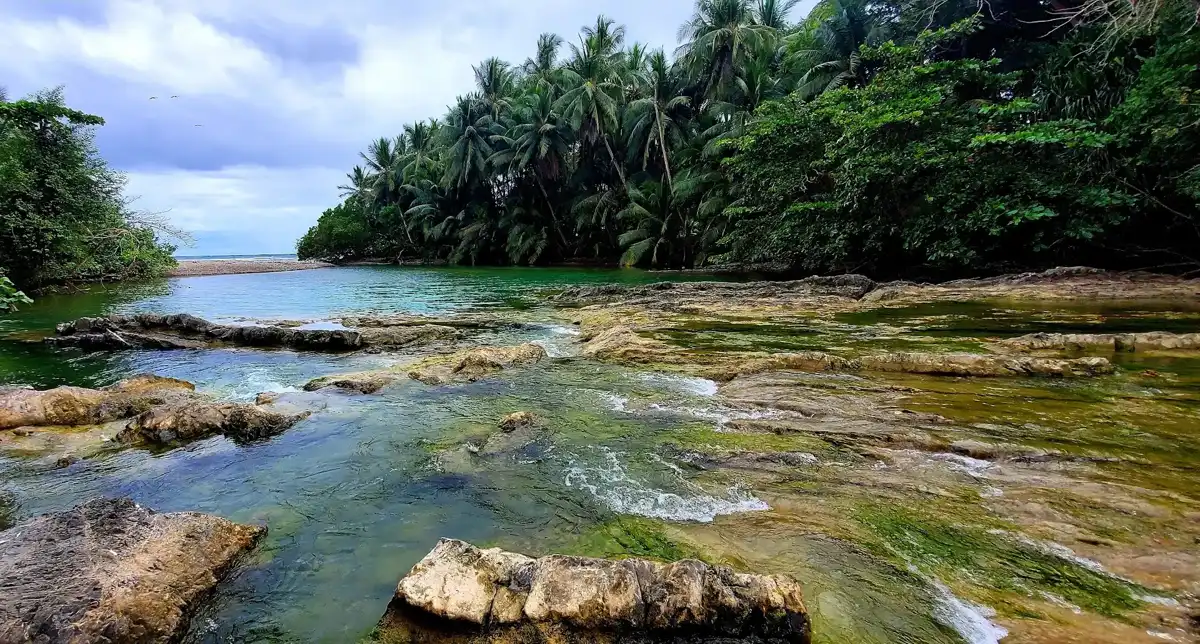
Waterfalls, rocky coastline, laid-back village

Follow jungle paths to hidden cascades, explore tide pools, and find a relaxed pace in a small beachside community.

costa-rica-city-montezuma
© Google | Leroy Wise

3 San Gerardo de Dota

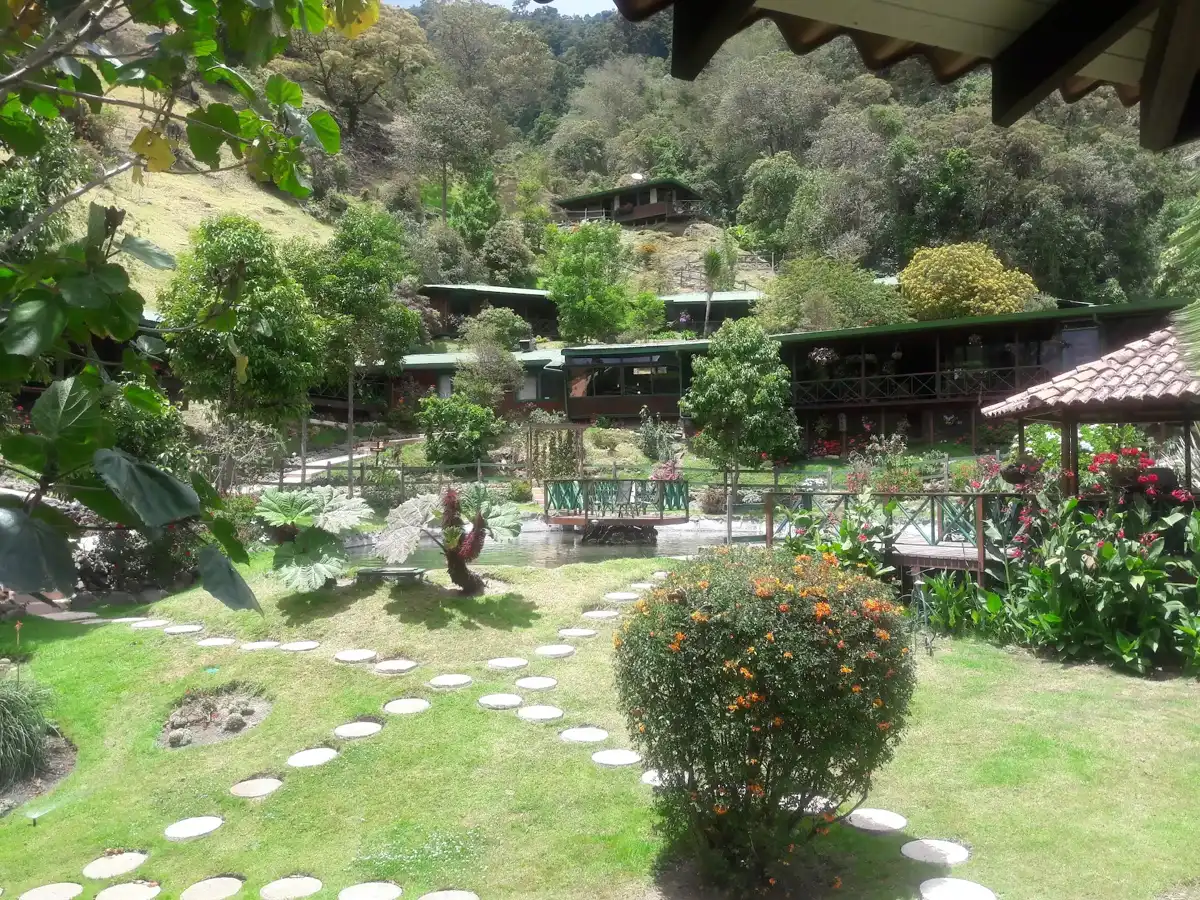
Quetzal habitat, mountain air, trout streams

Rise early for birdwatching in crisp highland valleys, then hike quiet trails or sample fresh trout from local rivers.

costa-rica-city-san-gerardo-de-dota
© Google | Hugo Morales
Loading the map 🌍

Expert viewWhat You Should Know

Essential

Costa Rica’s villages are the heartbeats of its diverse culture. Aim for three to five villages on your journey. This range allows you to soak in the local atmosphere without feeling rushed. Each village offers a unique slice of life, from traditional farming practices to vibrant festivals.

Consider the seasonal variations. The dry season, from December to April, is ideal for exploring. The sun shines brightly, and the roads are more accessible. However, the rainy season, while lush and vibrant, can make travel tricky. Expect muddy paths and occasional road closures. If you’re up for an adventure, the rain brings out the rich scents of the earth and the vibrant colors of the flora.

Overrated

Some villages, often touted as must-see spots, can feel more like tourist traps. … read more 👉
Essential

Costa Rica’s villages are the heartbeats of its diverse culture. Aim for three to five villages on your journey. This range allows you to soak in the local atmosphere without feeling rushed. Each village offers a unique slice of life, from traditional farming practices to vibrant festivals.

Consider the seasonal variations. The dry season, from December to April, is ideal for exploring. The sun shines brightly, and the roads are more accessible. However, the rainy season, while lush and vibrant, can make travel tricky. Expect muddy paths and occasional road closures. If you’re up for an adventure, the rain brings out the rich scents of the earth and the vibrant colors of the flora.

Overrated

Some villages, often touted as must-see spots, can feel more like tourist traps. They may lack the authenticity that makes Costa Rica special. These places can be crowded, with inflated prices and a focus on catering to visitors rather than showcasing local life. Avoid spending too much time in these areas. Instead, seek out villages where you can engage with locals, taste homemade dishes, and witness traditional crafts.

Accessibility

Costa Rica’s infrastructure is improving, but some villages remain off the beaten path. Expect a mix of paved and unpaved roads. A 4x4 vehicle is often necessary for reaching remote areas. Public transport is available but can be infrequent. Plan your travel times wisely. A journey that seems short on the map can take longer than expected due to road conditions.

Authenticity

Look for villages that celebrate their heritage. Engage with local artisans, attend community events, or participate in traditional cooking classes. This interaction enriches your experience and supports the local economy. The warmth of the people and their stories will stay with you long after you leave.

Pacing

When planning your itinerary, consider the time you’ll need to truly appreciate each village. Spend at least two nights in each to absorb the local rhythm. This pacing allows for spontaneous adventures, like a hike to a nearby waterfall or a chat with a farmer about sustainable practices. Rushing through villages can lead to missed connections and experiences.

Safety & Cultural Considerations

Costa Rica is generally safe, but it’s wise to stay aware of your surroundings, especially in less populated areas. Respect local customs and traditions. Dress modestly when visiting rural communities, and always ask before taking photos of people. This shows respect and fosters goodwill.

Traveling through Costa Rica’s villages is about more than just the sights; it’s about the connections you make and the stories you gather. Embrace the journey, and let the rhythm of each village guide you. The effort you put into reaching these places will reward you with experiences that resonate long after your trip ends.

✈️ The backpacker research shortcutCosta Rica Travel Guide

An offline-friendly backpacking guide with optimized travel routes, ranked highlights, transport advice, and the best areas to stay.
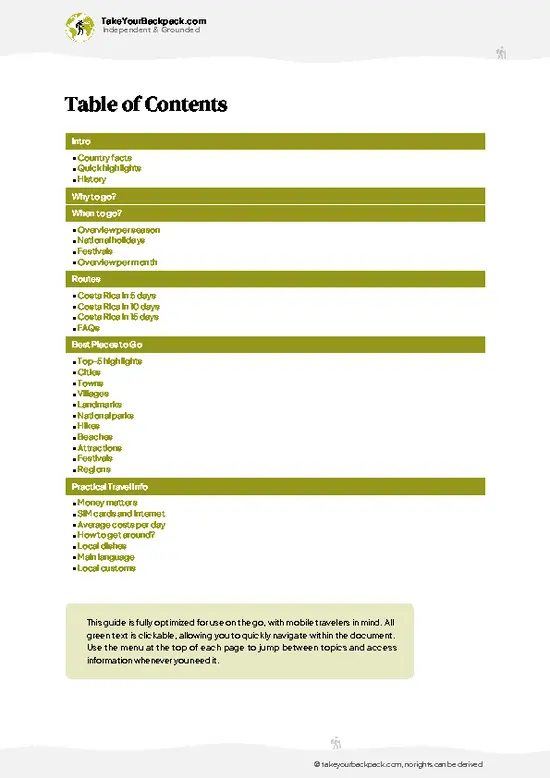
example page 0 from our offline Travel Guide for Costa Rica
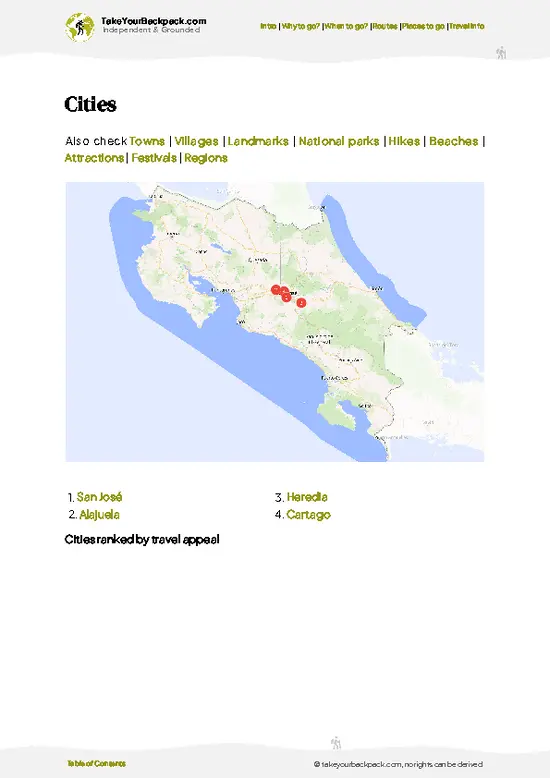
example page 1 from our offline Travel Guide for Costa Rica
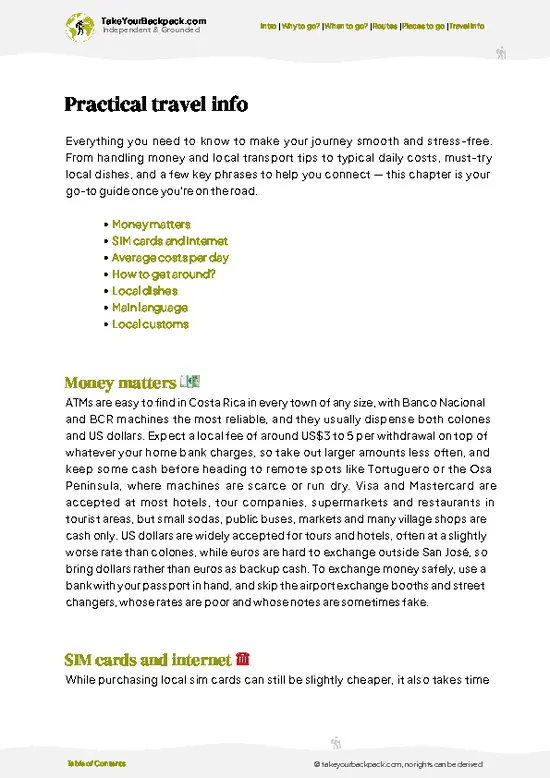
example page 2 from our offline Travel Guide for Costa Rica
example page 3 from our offline Travel Guide for Costa Rica
example page 4 from our offline Travel Guide for Costa Rica
example page 5 from our offline Travel Guide for Costa Rica
example page 6 from our offline Travel Guide for Costa Rica
example page 7 from our offline Travel Guide for Costa Rica
The digital guide (372 pages) contains:
93 highlights, ranked by travel appeal
Optimized 5, 10 & 15-day travel routes
Cities, national parks, landmarks, beaches
How to get around
Offline-friendly for travel without Wi-Fi
👉 Click to see all 30+ guide features

📅 Plan smarter in minutes, not weeks
Month by month travel advice
Festivals & national holidays
Budget expectations

🗺️ Go to the right places, skip the overrated ones
Honest pros & cons of destinations
Top hikes, parks & viewpoints
Lesser-known places most travelers miss
Clear “worth it vs skip it” guidance

🛏️ Travel smoothly without rookie mistakes
Best areas to stay
Transport systems explained simply
Common scams & safety advice
SIM cards, money & practical tips

🌍 Understand the country, not just visit it
Culture & traditions
52 Essential phrases & customs
Festivals worth planning around
Traveler-friendly historical context
Insights that make places more meaningful

📱 Built for real travel conditions
Fully downloadable PDF
Works completely offline
Optimized for phone use
Useful in remote areas & buses
Everything in one place
Save weeks of stressful planning
Get instant access to your full guide. 30‑day money-back guarantee.


By proceeding you agree to our terms.
Sent to your inbox immediately after payment • 100% Secure Checkout
Best Backpacking Travel Advisor 2025 tourism awardBest Backpacking
Travel Advisor
2025
What others say about Take Your Backpack Guides:
⭐⭐⭐⭐⭐
Fantastic, amazing amount of information!
⭐⭐⭐⭐⭐
My goodness this is amazing, it's what I've been looking for hats off too you!
⭐⭐⭐⭐⭐
I think this is absolutely BRILLIANT
⭐⭐⭐⭐
Very complete and informative. It's still missing places, but I gotta to commend you
⭐⭐⭐⭐⭐
This is truly amazing, thank you, can't wait to explore it with my kids!
⭐⭐⭐⭐⭐
Awesome resource, thank you!
⭐⭐⭐⭐⭐
This is amazing! Can't wait to explore the ones I haven't seen
⭐⭐⭐⭐
I love this! Well done, great idea.
⭐⭐⭐⭐⭐
Thanks for taking the time to make this gem!
⭐⭐⭐⭐⭐
This might be the best website I've ever seen.
⭐⭐⭐⭐⭐
Congratulations, and thank you so much for your work; it's incredibly valuable.
⭐⭐⭐⭐
In all seriousness I think you did a great job pointing out the important spots
⭐⭐⭐⭐⭐
10/10 very good
⭐⭐⭐⭐⭐
As someone who's only just starting to visit regularly this is awesome, thank you.
⭐⭐⭐⭐
Thank you very much! I'm going to visit my dad, it's going to be very useful!
⭐⭐⭐⭐⭐
This is really cool! We'll be travelling for the first time and this definitely come in handy.
⭐⭐⭐⭐⭐
You are now our minister of culture, congratulations 👨‍💼
⭐⭐⭐⭐⭐
Just wanted to tell you that this is a pearl! Going to follow your recommendations.
⭐⭐⭐⭐⭐
This is so cool. I'll definitely be using the resource for my travels soon.
⭐⭐⭐⭐⭐
This is very impressive! Good work.
⭐⭐⭐⭐⭐
This is an amazing and informative site. Very well done!

🛏️ Where to stay?Where to Stay: Costa Rica Edition

Yes — Costa Rica has plentiful hostels and budget accommodation across cities and beach towns, with the biggest concentrations in San José (downtown/Barrio Amón/Barrio Escalante), Guanacaste surf towns like Tamarindo and Santa Teresa, Nicoya Peninsula spots like Montezuma, the Caribbean hub Puerto Viejo, surf-and-party Jaco, and the Manuel Antonio/Quepos area.
San José gives the cheapest beds and best transport links but can be noisy and requires caution at night; Tamarindo and Jaco have surf, nightlife and many hostels but get crowded and pricier in high season; Santa Teresa and Montezuma are quieter and great for waves and nature with limited public transport; Puerto Viejo is lively with … read more 👉
Yes — Costa Rica has plentiful hostels and budget accommodation across cities and beach towns, with the biggest concentrations in San José (downtown/Barrio Amón/Barrio Escalante), Guanacaste surf towns like Tamarindo and Santa Teresa, Nicoya Peninsula spots like Montezuma, the Caribbean hub Puerto Viejo, surf-and-party Jaco, and the Manuel Antonio/Quepos area.
San José gives the cheapest beds and best transport links but can be noisy and requires caution at night; Tamarindo and Jaco have surf, nightlife and many hostels but get crowded and pricier in high season; Santa Teresa and Montezuma are quieter and great for waves and nature with limited public transport; Puerto Viejo is lively with budget options but uneven safety after dark; Manuel Antonio/Quepos offers immediate park access at higher cost and tourist density.
Expect the best social/dorm options in shoulder season, higher rates and fewer dorms during holidays, and added time/cost for shuttles or buses to most beach towns — factor transport and season into budget and itinerary decisions.

If you enjoy meeting fellow travelers, consider choosing hostels with high ratings for atmosphere. On the other hand, if you prefer having your own space, a hotel might be a better option.

Costa RicaExplore Beyond This Category

👋 Meet the founderWho’s Behind Take Your Backpack?

Johan, backpacker and founder of TakeYourBackpackHi, I’m Johan (Netherlands 🇳🇱), the creator of TakeYourBackpack. Over the past decade, I’ve backpacked through 80+ countries across six continents, gaining extensive experience with independent travel, long-term trips, and overland routes.

This site is built on a combination of firsthand travel experience and carefully curated insights from other backpackers. Many guides are based on places I’ve personally visited, while others bring together tips, observations, and practical advice shared by trusted travelers I’ve met along the way.

The goal is to provide realistic, experience-driven guidance — not generic itineraries — so you can explore destinations with better context, clearer expectations, and more confidence.

Get full Costa Rica guide •
Instant download • 93 highlights • Full Offline guide