How many hikes to do: I recommend
four to six hikes on a trip of two weeks. That is enough to experience cloud forest, rainforest and volcanic terrain without turning the trip into a checklist. More than that and you will spend your days in shuttles, wet socks and trailhead queues. Fewer than four and you miss the contrast that makes Costa Rica worth walking.
Which kinds to prioritize: If you have limited time, put a
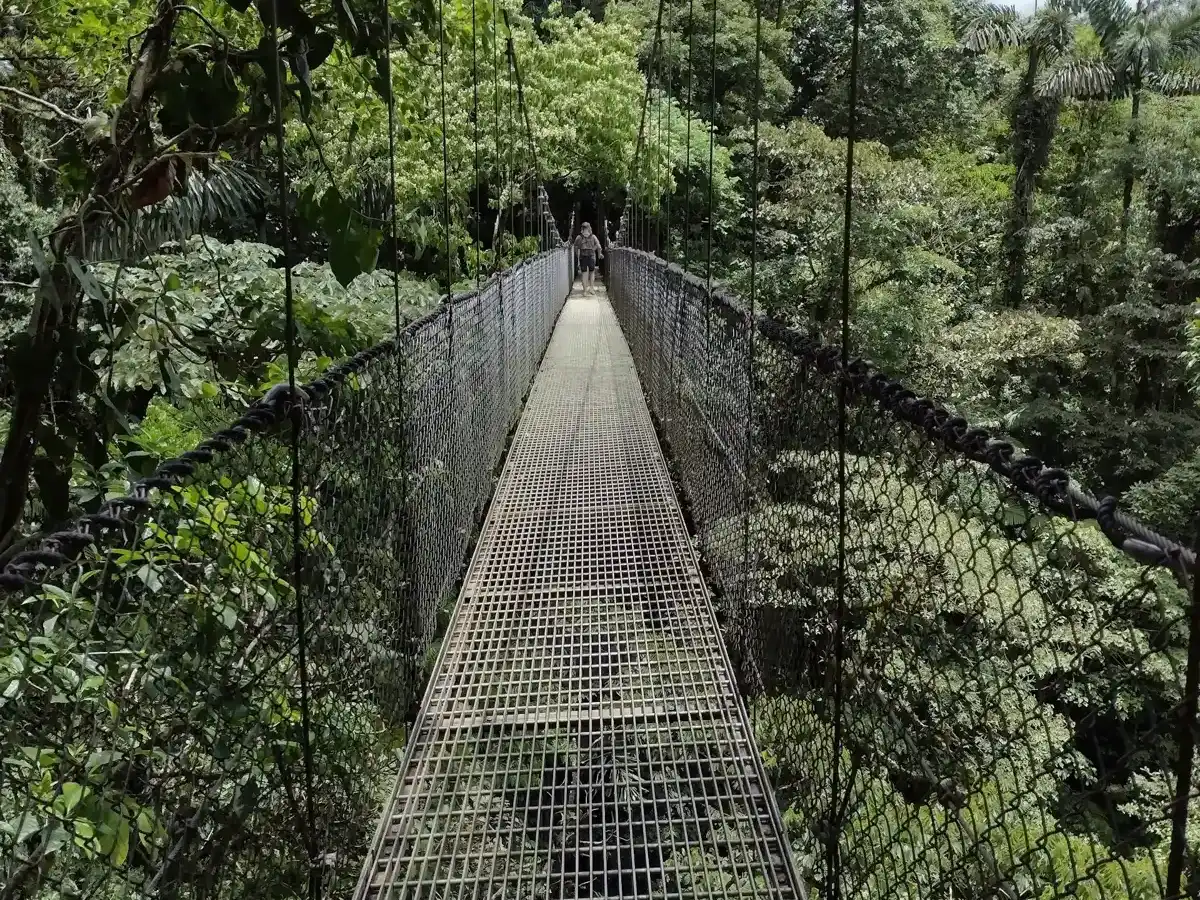
cloud forest walk and a
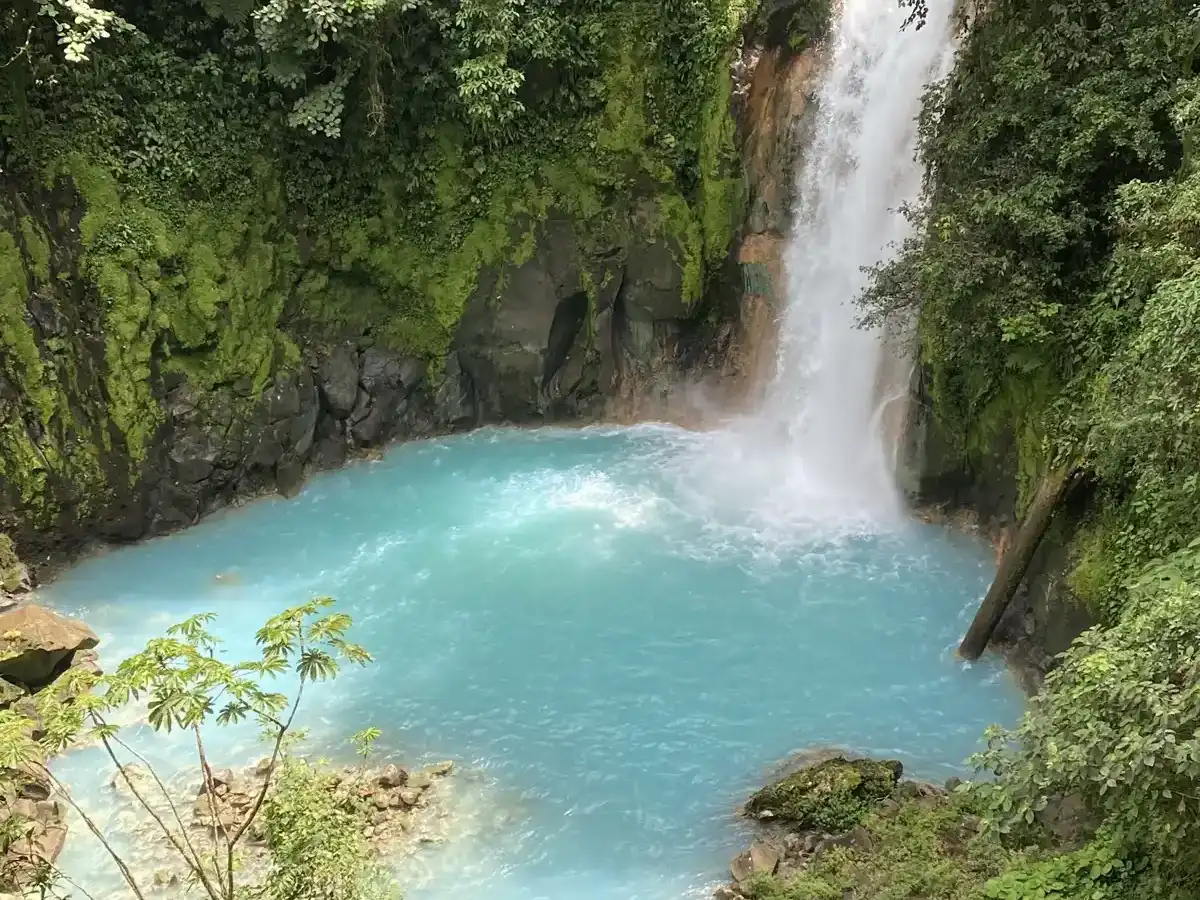
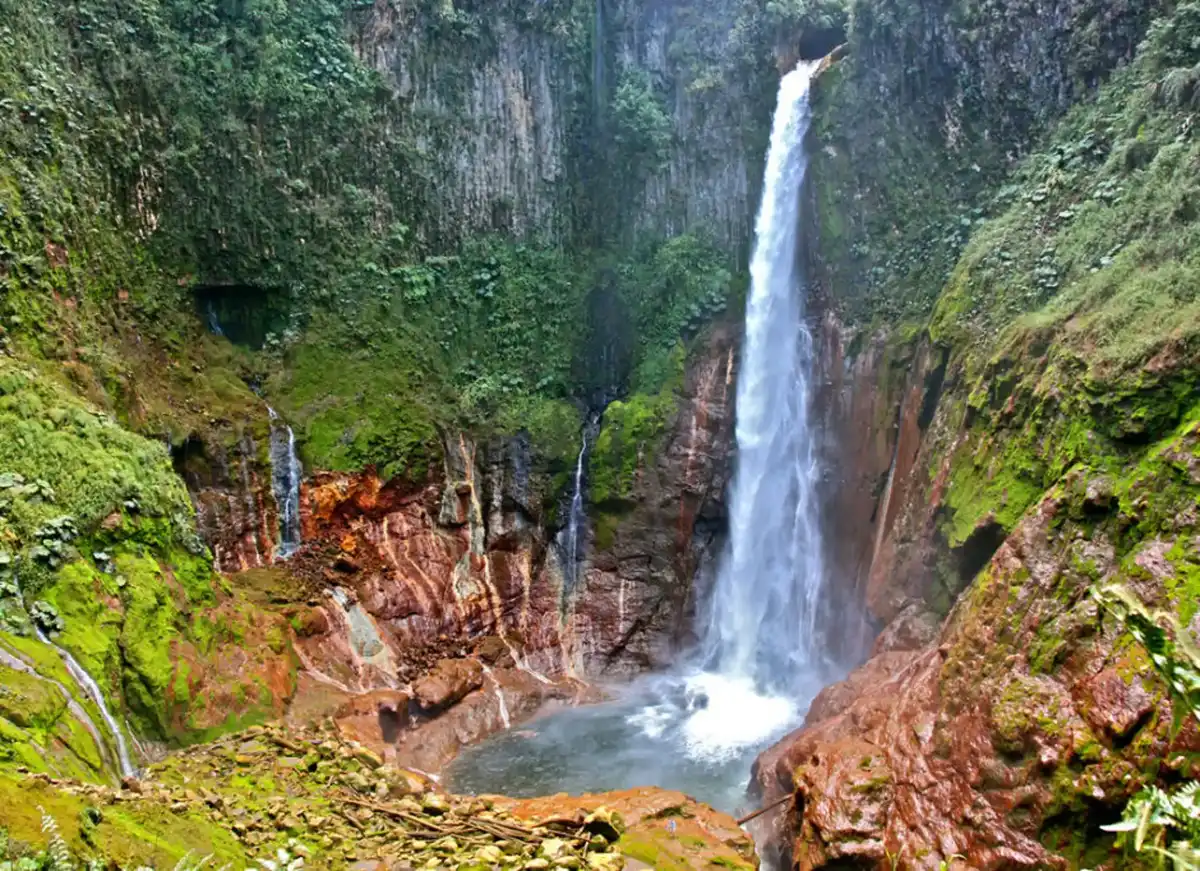
rainforest hike at the top. Both give the sensory payoff: cool mist, mossy trunks, birdsong and the smell of wet leaf litter. Fit in one
volcano hike only if the weather is clear, because crater views often vanish by 10 am. Serious hikers should consider one high-elevation, multi-day trek in the Talamanca mountains, which is cold, physical and far more rewarding …
read more 👉 How many hikes to do: I recommend
four to six hikes on a trip of two weeks. That is enough to experience cloud forest, rainforest and volcanic terrain without turning the trip into a checklist. More than that and you will spend your days in shuttles, wet socks and trailhead queues. Fewer than four and you miss the contrast that makes Costa Rica worth walking.
Which kinds to prioritize: If you have limited time, put a
cloud forest walk and a
rainforest hike at the top. Both give the sensory payoff: cool mist, mossy trunks, birdsong and the smell of wet leaf litter. Fit in one
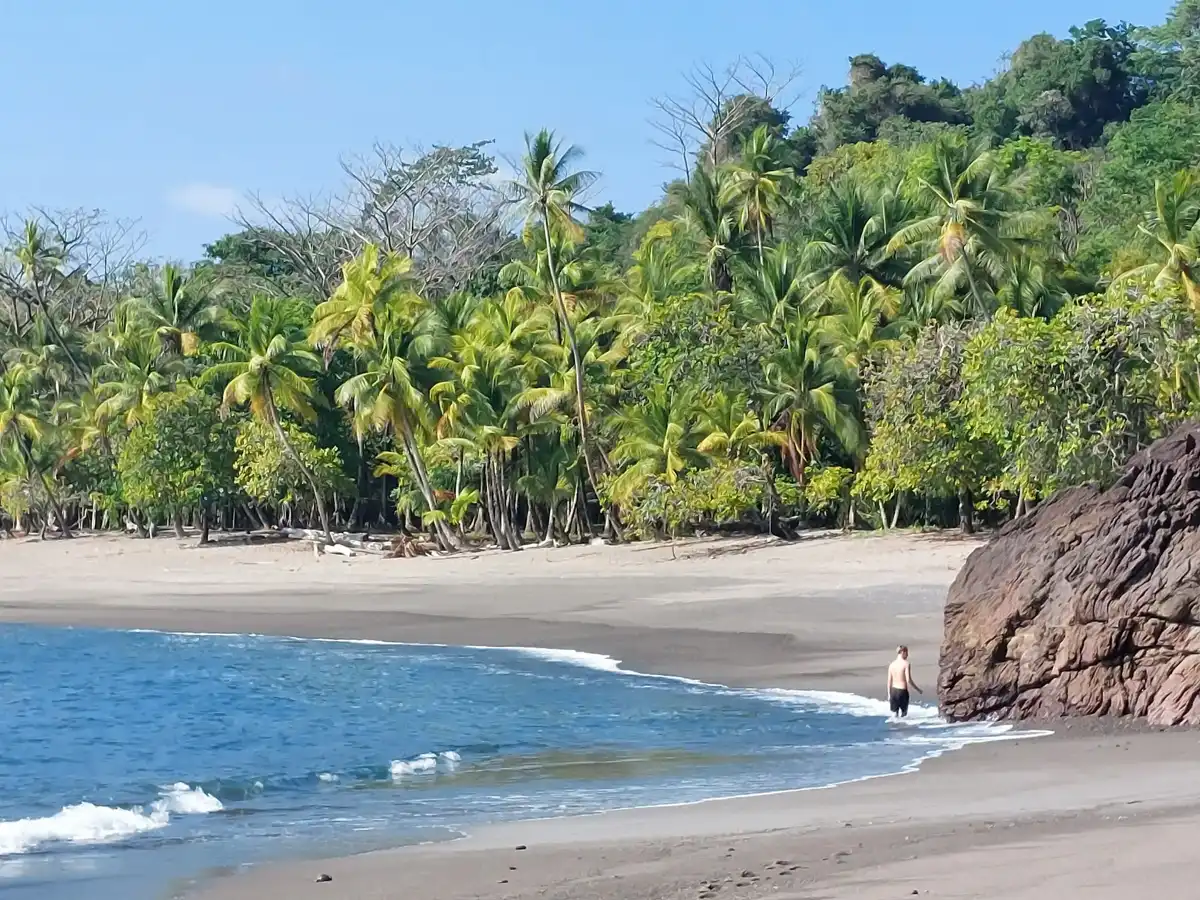
volcano hike only if the weather is clear, because crater views often vanish by 10 am. Serious hikers should consider one high-elevation, multi-day trek in the Talamanca mountains, which is cold, physical and far more rewarding than a third short jungle loop. Beach-edge coastal trails are pleasant, but I would skip them if time is tight, since the sun is harsh and the scenery repeats.
What it costs: Budget about
US$45 to 80 a day for independent travel, including a dorm bed or simple cabina (US$12 to 30), local meals at sodas (US$5 to 9), and buses. Park entry for foreigners is commonly US$10 to 20, while a guide for a day hike costs roughly US$40 to 100 depending on the area. A multi-day high-mountain trek with permits, lodging and meals can reach US$150 to 300 in total. Hiring a guide is worth the money for wildlife and for parks where one is required, but skip them for clear, well-marked trails.
Safety and etiquette: The main dangers are
weather and rivers. Rain can swell crossings within an hour, so turn back instead of pushing on. Carry a rain shell, a headlamp and 2 to 3 liters of water, and expect heat and humidity to drain you faster than the distance suggests. Pit vipers such as the fer-de-lance sit near trail edges, so watch where you put hands and feet and wear closed shoes. Rip currents are a real hazard on coastal routes. Leave valuables out of parked cars at trailheads, where break-ins occur.
Culturally, locals value
respect for the forest. Stay on marked paths, do not feed animals, and pack out everything. Greet people with a “buenas” on the trail, and a few words of Spanish go a long way in rural villages.
v2.webp)




 Best Backpacking
.jpg) Hi, I’m Johan (Netherlands 🇳🇱), the creator of TakeYourBackpack. Over the past 3 decades, I’ve backpacked through 90+ countries across six continents, gaining extensive experience with independent travel, long-term trips, and overland routes.
Hi, I’m Johan (Netherlands 🇳🇱), the creator of TakeYourBackpack. Over the past 3 decades, I’ve backpacked through 90+ countries across six continents, gaining extensive experience with independent travel, long-term trips, and overland routes.