×

Dominican Republic🇩🇴 | best villagesNo village found in Dominican Republic

Top villages elude us, but don’t let that stop your trip. Dominican Republic is packed with lots of other highlights and hidden gems, scenic views, and unique adventures. And, if you know of any great village to add here, just contact us.

By Johan Kruseman 🇳🇱 | Updated June 1, 2026
Explore the best landmarks in Dominican Republic

Why go?Key Factors That Shape the Experience

Villages in the Dominican Republic offer a unique glimpse into a world where tradition and community thrive amidst stunning landscapes. Unlike many tourist-heavy destinations, these rural areas are steeped in authenticity. Here, daily life unfolds at a pace dictated by the sun and the seasons, where the rhythms of farming and local crafts create a rich tapestry of experiences.

However, accessing these villages often requires a trade-off. The infrastructure can be a bit rough around the edges, with winding roads and limited public transport. This means that while the journey may test your patience, it also rewards you with a deeper understanding of Dominican culture. The scenic surroundings—lush mountains, vibrant fields, and serene rivers—are not just backdrops; they are integral to the local … read more 👉
Villages in the Dominican Republic offer a unique glimpse into a world where tradition and community thrive amidst stunning landscapes. Unlike many tourist-heavy destinations, these rural areas are steeped in authenticity. Here, daily life unfolds at a pace dictated by the sun and the seasons, where the rhythms of farming and local crafts create a rich tapestry of experiences.

However, accessing these villages often requires a trade-off. The infrastructure can be a bit rough around the edges, with winding roads and limited public transport. This means that while the journey may test your patience, it also rewards you with a deeper understanding of Dominican culture. The scenic surroundings—lush mountains, vibrant fields, and serene rivers—are not just backdrops; they are integral to the local way of life.

Seasonal factors also play a role. The rainy season can make some areas less accessible, but it also brings life to the landscape, enhancing the beauty of the villages. Travelers must weigh the time investment against the potential for immersive experiences. In a world increasingly dominated by quick trips and superficial encounters, these villages stand out as places where the soul of the Dominican Republic can truly be felt. Embrace the grind; the gold is in the journey.
Our Approach to Ranking
The list of best villages in Dominican Republic is created based on authenticity, scenic beauty, community spirit, traditions, and overall character. If you feel a village is missing in this list, please let us know.

When to go?Timing Your Visit for the Best Experience

Seasonality plays a significant role in the Dominican Republic’s village life. The country experiences a tropical climate, with two main seasons: a dry season and a wet season. The dry season, typically from December to April, offers pleasant temperatures and lower humidity. This is when many travelers flock to the villages, drawn by the ideal weather and vibrant local festivals. However, this influx can lead to crowded streets and inflated prices.

Shoulder seasons—around late April to June and September to November—present a mixed bag. The weather can still be agreeable, but occasional rain showers are more common. Fewer tourists mean more authentic interactions with locals, but some village activities may be limited due to agricultural cycles. For instance, harvest seasons can create bustling … read more 👉
Seasonality plays a significant role in the Dominican Republic’s village life. The country experiences a tropical climate, with two main seasons: a dry season and a wet season. The dry season, typically from December to April, offers pleasant temperatures and lower humidity. This is when many travelers flock to the villages, drawn by the ideal weather and vibrant local festivals. However, this influx can lead to crowded streets and inflated prices.

Shoulder seasons—around late April to June and September to November—present a mixed bag. The weather can still be agreeable, but occasional rain showers are more common. Fewer tourists mean more authentic interactions with locals, but some village activities may be limited due to agricultural cycles. For instance, harvest seasons can create bustling markets, while off-peak times might see fewer vendors.

Peak periods coincide with major holidays and festivals, which can enhance the experience but also complicate logistics. Accessibility can be an issue during these times, as roads may be congested and accommodations booked solid.

Travelers should weigh these factors carefully. Timing a visit to align with local events can enrich the experience, but navigating the crowds and costs requires strategic planning.

village hoppingSuggested Travel Strategies

Routing Logic
To weave together the best villages in the Dominican Republic, start by clustering regions. The north coast, with its laid-back charm, pairs well with the central highlands. Heading south, the coastal villages offer a different vibe. Travel direction matters; moving from north to south or vice versa minimizes backtracking and maximizes exploration.

Time Management
Plan for at least a half-day in each village. This allows for wandering, tasting local cuisine, and soaking in the atmosphere without feeling rushed. Some spots might only need a couple of hours, while others, like those with vibrant markets or festivals, could demand more time.

Common Mistakes
One common pitfall is overloading the itinerary. Trying to squeeze in too many stops leads to a blur of experiences rather … read more 👉
Routing Logic
To weave together the best villages in the Dominican Republic, start by clustering regions. The north coast, with its laid-back charm, pairs well with the central highlands. Heading south, the coastal villages offer a different vibe. Travel direction matters; moving from north to south or vice versa minimizes backtracking and maximizes exploration.

Time Management
Plan for at least a half-day in each village. This allows for wandering, tasting local cuisine, and soaking in the atmosphere without feeling rushed. Some spots might only need a couple of hours, while others, like those with vibrant markets or festivals, could demand more time.

Common Mistakes
One common pitfall is overloading the itinerary. Trying to squeeze in too many stops leads to a blur of experiences rather than meaningful connections. Flexibility is key; allow for spontaneous detours or extended stays in places that resonate.

Trade-offs and Constraints
Consider the balance between speed and depth. Rushing through villages may save time but sacrifices the richness of local culture. Budget constraints can also dictate comfort levels; local transport is cheaper but may lack the luxury of private options. Ultimately, the effort put into planning pays off in authentic experiences that linger long after the trip ends.

Expert viewInsights from Locals and Experts

Accessibility
The Dominican Republic is a patchwork of vibrant villages, each with its own flavor. But let’s be real: getting to some of these spots can feel like a scavenger hunt. Public transport is a mixed bag; you might find yourself crammed into a guagua (a local minibus) that feels like a game of Tetris. If you’re not up for the adventure, consider renting a car. It gives you the freedom to explore at your own pace, but be prepared for the occasional pothole that could swallow a small car whole. Aim for about three to five villages on a trip. This allows you to soak in the local culture without feeling like you’re on a marathon.

Seasonal Variation
Timing is everything. The dry season, from December to April, is prime for village hopping. You’ll dodge the rain and enjoy more vibrant … read more 👉
Accessibility
The Dominican Republic is a patchwork of vibrant villages, each with its own flavor. But let’s be real: getting to some of these spots can feel like a scavenger hunt. Public transport is a mixed bag; you might find yourself crammed into a guagua (a local minibus) that feels like a game of Tetris. If you’re not up for the adventure, consider renting a car. It gives you the freedom to explore at your own pace, but be prepared for the occasional pothole that could swallow a small car whole. Aim for about three to five villages on a trip. This allows you to soak in the local culture without feeling like you’re on a marathon.

Seasonal Variation
Timing is everything. The dry season, from December to April, is prime for village hopping. You’ll dodge the rain and enjoy more vibrant local festivals. However, if you’re feeling adventurous, the off-season can offer a more authentic experience. Fewer tourists mean you might actually get to chat with locals instead of just snapping selfies. Just keep in mind that some villages may feel like ghost towns during this time, and certain attractions might be closed. It’s a trade-off: do you want the buzz of a lively village or the quiet charm of a sleepy one?

Authenticity
Authenticity is the name of the game. You want to experience the real Dominican Republic, not just the Instagram version. Look for villages that still hold onto their traditions, where you can hear merengue wafting through the streets and see artisans at work. But here’s the kicker: some of the most authentic experiences come with a side of inconvenience. You might find yourself in a village where English is as rare as a unicorn. Brush up on your Spanish, or at least learn a few key phrases. It’s not just about communication; it’s about respect.

Pacing Between Rural Stops
Pacing is crucial. You don’t want to be that traveler who rushes through villages like they’re checking off items on a to-do list. Allow for downtime. Spend a day or two in each village to really absorb the atmosphere. This isn’t a race; it’s a journey. You’ll find that the best stories come from those unplanned moments—like when you stumble upon a local dance party or a roadside food stall that serves the best empanadas you’ve ever tasted.

Safety & Cultural Considerations
Safety isn’t just about avoiding sketchy neighborhoods; it’s also about being culturally aware. Dress modestly, especially in rural areas. You’re a guest in someone’s home, so act like it. Be mindful of local customs and practices. It’s not just polite; it can save you from awkward situations. And while the Dominican Republic is generally safe, petty crime can happen. Keep your belongings close and your wits about you.

In summary, the Dominican Republic’s villages offer a rich tapestry of experiences, but they come with their own set of challenges. Embrace the grind, and you’ll find the gold. Plan your route wisely, balance your time, and dive into the local culture. You’ll leave with stories that are worth more than any postcard.

✈️ The backpacker research shortcutDominican Republic Travel Guide

An offline-friendly backpacking guide with optimized travel routes, ranked highlights, transport advice, and the best areas to stay.
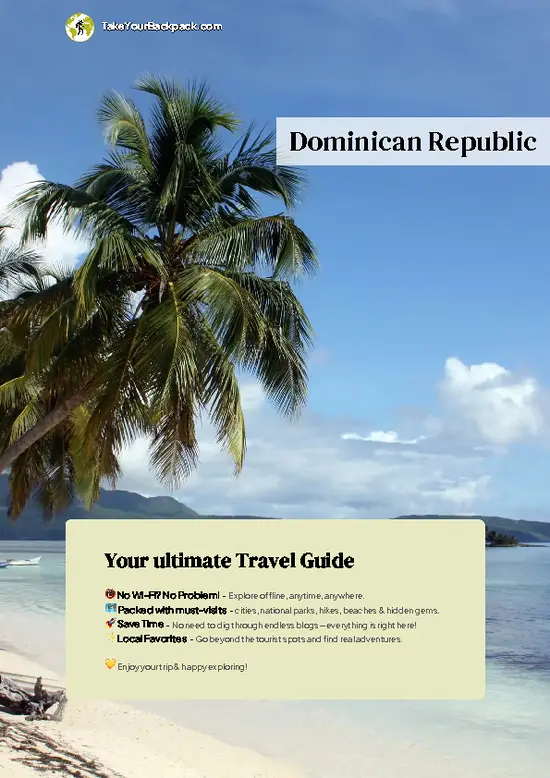
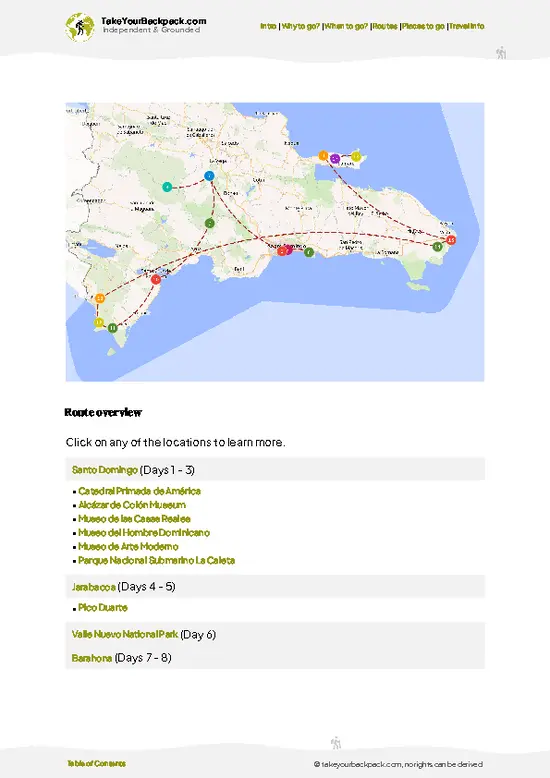
example page 0 from our offline Travel Guide for Dominican Republic
example page 1 from our offline Travel Guide for Dominican Republic
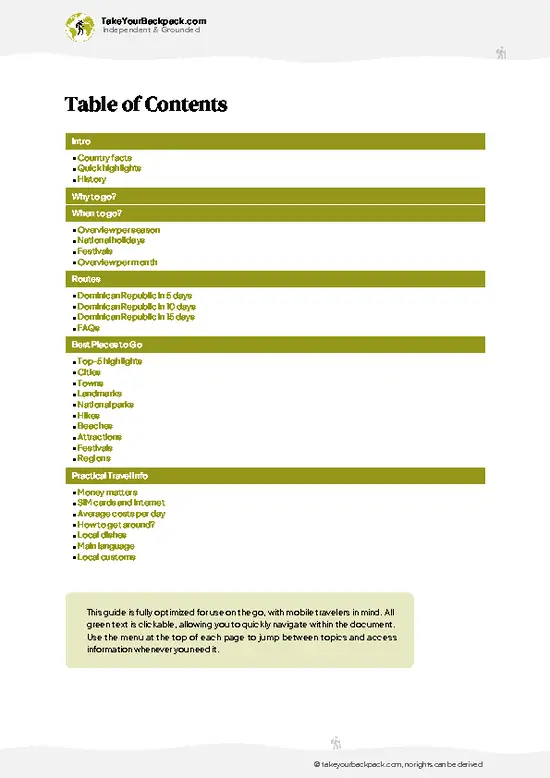
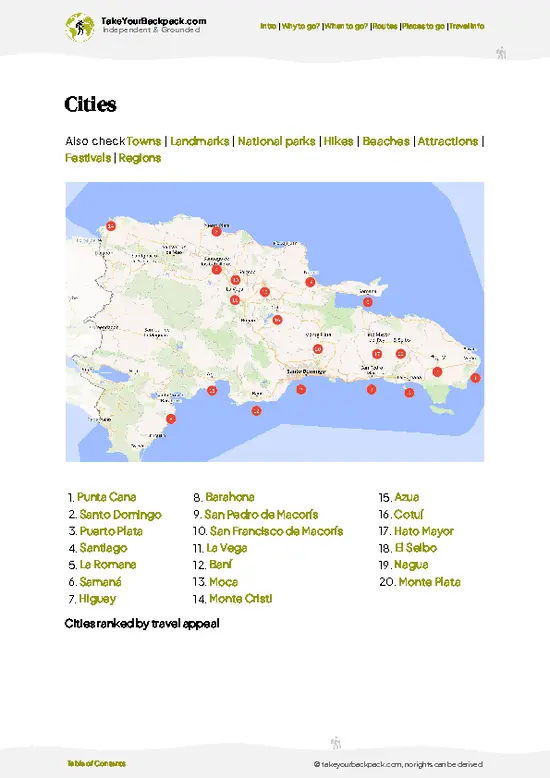
example page 2 from our offline Travel Guide for Dominican Republic
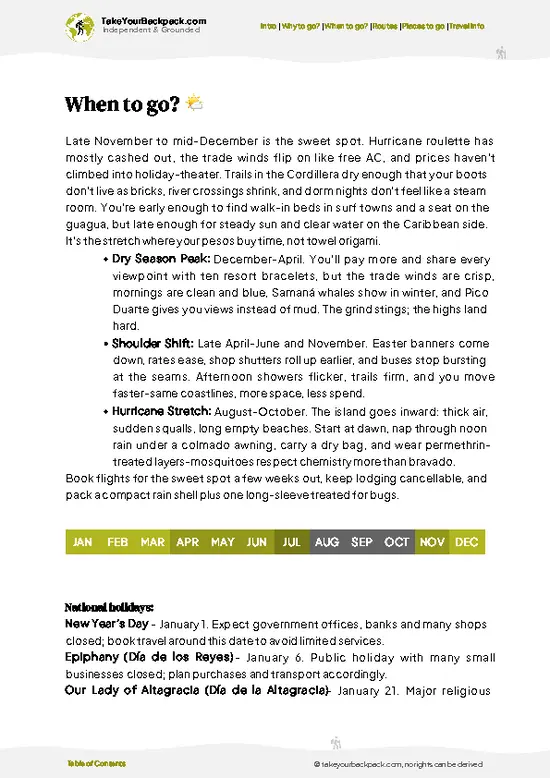
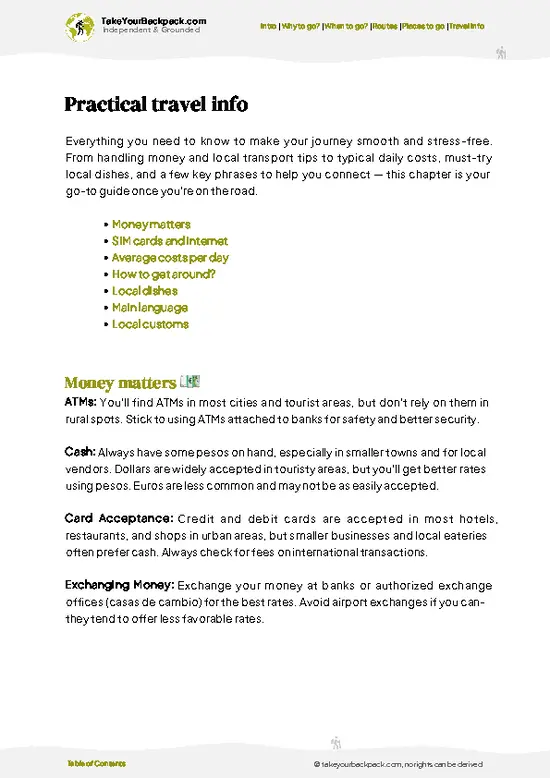
example page 3 from our offline Travel Guide for Dominican Republic
example page 4 from our offline Travel Guide for Dominican Republic
example page 5 from our offline Travel Guide for Dominican Republic
example page 6 from our offline Travel Guide for Dominican Republic
example page 7 from our offline Travel Guide for Dominican Republic
The digital guide (431 pages) contains:
119 highlights, ranked by travel appeal
Optimized 5, 10 & 15-day travel routes
Cities, national parks, landmarks, beaches
How to get around
Offline-friendly for travel without Wi-Fi
👉 Click to see all 30+ guide features

📅 Plan smarter in minutes, not weeks
Month by month travel advice
Festivals & national holidays
Budget expectations

🗺️ Go to the right places, skip the overrated ones
Honest pros & cons of destinations
Top hikes, parks & viewpoints
Lesser-known places most travelers miss
Clear “worth it vs skip it” guidance

🛏️ Travel smoothly without rookie mistakes
Best areas to stay
Transport systems explained simply
Common scams & safety advice
SIM cards, money & practical tips

🌍 Understand the country, not just visit it
Culture & traditions
52 Essential phrases & customs
Festivals worth planning around
Traveler-friendly historical context
Insights that make places more meaningful

📱 Built for real travel conditions
Fully downloadable PDF
Works completely offline
Optimized for phone use
Useful in remote areas & buses
Everything in one place
Save weeks of stressful planning
Get instant access to your full guide. 30‑day money-back guarantee.


By proceeding you agree to our terms.
Sent to your inbox immediately after payment • 100% Secure Checkout
Best Backpacking Travel Advisor 2025 tourism awardBest Backpacking
Travel Advisor
2025
What others say about Take Your Backpack Guides:
⭐⭐⭐⭐⭐
Fantastic, amazing amount of information!
⭐⭐⭐⭐⭐
My goodness this is amazing, it's what I've been looking for hats off too you!
⭐⭐⭐⭐⭐
I think this is absolutely BRILLIANT
⭐⭐⭐⭐
Very complete and informative. It's still missing places, but I gotta to commend you
⭐⭐⭐⭐⭐
This is truly amazing, thank you, can't wait to explore it with my kids!
⭐⭐⭐⭐⭐
Awesome resource, thank you!
⭐⭐⭐⭐⭐
This is amazing! Can't wait to explore the ones I haven't seen
⭐⭐⭐⭐
I love this! Well done, great idea.
⭐⭐⭐⭐⭐
Thanks for taking the time to make this gem!
⭐⭐⭐⭐⭐
This might be the best website I've ever seen.
⭐⭐⭐⭐⭐
Congratulations, and thank you so much for your work; it's incredibly valuable.
⭐⭐⭐⭐
In all seriousness I think you did a great job pointing out the important spots
⭐⭐⭐⭐⭐
10/10 very good
⭐⭐⭐⭐⭐
As someone who's only just starting to visit regularly this is awesome, thank you.
⭐⭐⭐⭐
Thank you very much! I'm going to visit my dad, it's going to be very useful!
⭐⭐⭐⭐⭐
This is really cool! We'll be travelling for the first time and this definitely come in handy.
⭐⭐⭐⭐⭐
You are now our minister of culture, congratulations 👨‍💼
⭐⭐⭐⭐⭐
Just wanted to tell you that this is a pearl! Going to follow your recommendations.
⭐⭐⭐⭐⭐
This is so cool. I'll definitely be using the resource for my travels soon.
⭐⭐⭐⭐⭐
This is very impressive! Good work.
⭐⭐⭐⭐⭐
This is an amazing and informative site. Very well done!

🛏️ Where to stay?Best Stay Options in Dominican Republic

Yes — hostels and budget accommodation are common in the Dominican Republic, concentrated in major hubs and beach towns: Santo Domingo (Zona Colonial), Punta Cana/Bávaro, Puerto Plata region (Sosua/Cabarete), Samaná (Las Terrenas) and Bayahibe.

Santo Domingo gives best access to historic sights and transit but is busy and noisier; Punta Cana/Bávaro offers easy beach access and many budget rooms near resorts but tends to be pricier and poorly served by public transport; Cabarete is ideal for watersports and nightlife but can be touristy and boisterous at night while Sosua has very cheap stays but mixed safety after dark; Las Terrenas is quieter with chill beaches and some affordable guesthouses … read more 👉
Yes — hostels and budget accommodation are common in the Dominican Republic, concentrated in major hubs and beach towns: Santo Domingo (Zona Colonial), Punta Cana/Bávaro, Puerto Plata region (Sosua/Cabarete), Samaná (Las Terrenas) and Bayahibe.

Santo Domingo gives best access to historic sights and transit but is busy and noisier; Punta Cana/Bávaro offers easy beach access and many budget rooms near resorts but tends to be pricier and poorly served by public transport; Cabarete is ideal for watersports and nightlife but can be touristy and boisterous at night while Sosua has very cheap stays but mixed safety after dark; Las Terrenas is quieter with chill beaches and some affordable guesthouses but fewer dorm-style hostels; Bayahibe is small, cheap for Saona Island trips but has limited services and little nightlife.

If you enjoy meeting fellow travelers, consider choosing hostels with high ratings for atmosphere. On the other hand, if you prefer having your own space, a hotel might be a better option.

Dominican RepublicWhere to Go Next

👋 Meet the founderWho’s Behind Take Your Backpack?

Johan, backpacker and founder of TakeYourBackpackHi, I’m Johan (Netherlands 🇳🇱), the creator of TakeYourBackpack. Over the past decade, I’ve backpacked through 80+ countries across six continents, gaining extensive experience with independent travel, long-term trips, and overland routes.

This site is built on a combination of firsthand travel experience and carefully curated insights from other backpackers. Many guides are based on places I’ve personally visited, while others bring together tips, observations, and practical advice shared by trusted travelers I’ve met along the way.

The goal is to provide realistic, experience-driven guidance — not generic itineraries — so you can explore destinations with better context, clearer expectations, and more confidence.

Get full country guide •
Instant download • 119 highlights • Full Offline guide