How many beaches to visit: I recommend
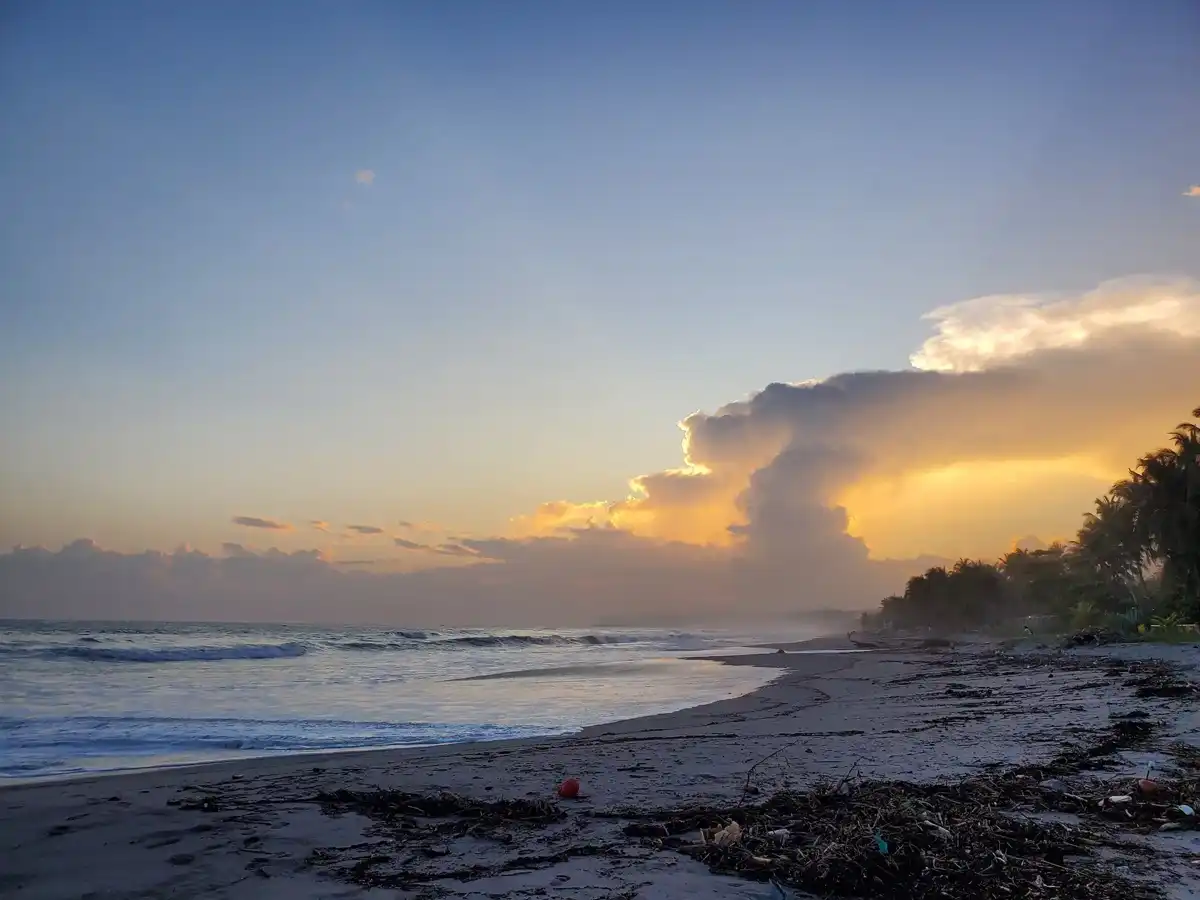
three beaches, maybe four on a two-week trip. Each base needs at least two nights to feel the rhythm: dawn surf checks, the hush of midday heat when everyone retreats to hammocks, and the orange sunset over dark sand. More than that and you spend the trip on buses with sweat pooling on the vinyl seats, rather than in the water.
Which kind suits you: Surfers and social travelers should pick a
surf town with a hostel scene: rooftop bars, board rentals and dinner groups. Travelers who want quiet should choose the
eastern coast or river-mouth stretches, where you hear only waves and frigate-bird wings, though food and accommodation are plainer. Families and swimmers do better at beaches with
tidal pools or protected bays than at open-surf stretches. Those …
read more 👉 How many beaches to visit: I recommend
three beaches, maybe four on a two-week trip. Each base needs at least two nights to feel the rhythm: dawn surf checks, the hush of midday heat when everyone retreats to hammocks, and the orange sunset over dark sand. More than that and you spend the trip on buses with sweat pooling on the vinyl seats, rather than in the water.
Which kind suits you: Surfers and social travelers should pick a
surf town with a hostel scene: rooftop bars, board rentals and dinner groups. Travelers who want quiet should choose the
eastern coast or river-mouth stretches, where you hear only waves and frigate-bird wings, though food and accommodation are plainer. Families and swimmers do better at beaches with
tidal pools or protected bays than at open-surf stretches. Those who like walking can pair a beach with a mangrove estuary boat ride and see herons and crabs at dawn.
What it costs: Budget
US$25 to 45 a day for dorms (US$10 to 18), pupusas and fish plates (US$2 to 8 a meal), and local transport. Beach entry is often free, but some private beach clubs charge
US$2 to 10, sometimes redeemable as a food credit. Surfboard rental runs about US$10 to 20 a day, and lessons US$30 to 50. Chicken buses cost under US$1 to 2 per leg, shuttles US$10 to 25. Carry small bills because change for US$20 is hard to find.
Safety and local customs: The biggest danger is the
ocean. Rip currents are strong, lifeguards are sparse, and a calm-looking patch can pull hard. Swim near locals and avoid it after drinking. Sun exposure is serious, so bring reef-safe sunscreen and a hat. Do not leave valuables on the sand. Security has improved considerably in recent years, but keep to well-used beaches, avoid walking isolated stretches after dark and follow local advice on any area. Carry your passport copy, since police checkpoints are common.
Salvadorans dress modestly off the beach, so cover up in town. Ask before photographing people, and expect friendly chatter from vendors selling coconuts and fried fish. Buying a plate of grilled snapper at a beachfront comedor gives you the best meal of the day and supports the family that runs it.
v2.webp)



 Best Backpacking
.jpg) Hi, I’m Johan (Netherlands 🇳🇱), the creator of TakeYourBackpack. Over the past 3 decades, I’ve backpacked through 90+ countries across six continents, gaining extensive experience with independent travel, long-term trips, and overland routes.
Hi, I’m Johan (Netherlands 🇳🇱), the creator of TakeYourBackpack. Over the past 3 decades, I’ve backpacked through 90+ countries across six continents, gaining extensive experience with independent travel, long-term trips, and overland routes.