How many to visit: Plan on 4 to 6 landmarks for a one- to two-week trip, because Finnish distances turn each extra stop into half a day of transit. The country rewards lingering: lake light shifts slowly, forests ask for walking, and cold or mosquitoes shape the pace. An experienced traveler picks fewer places and stays long enough to hear the quiet.
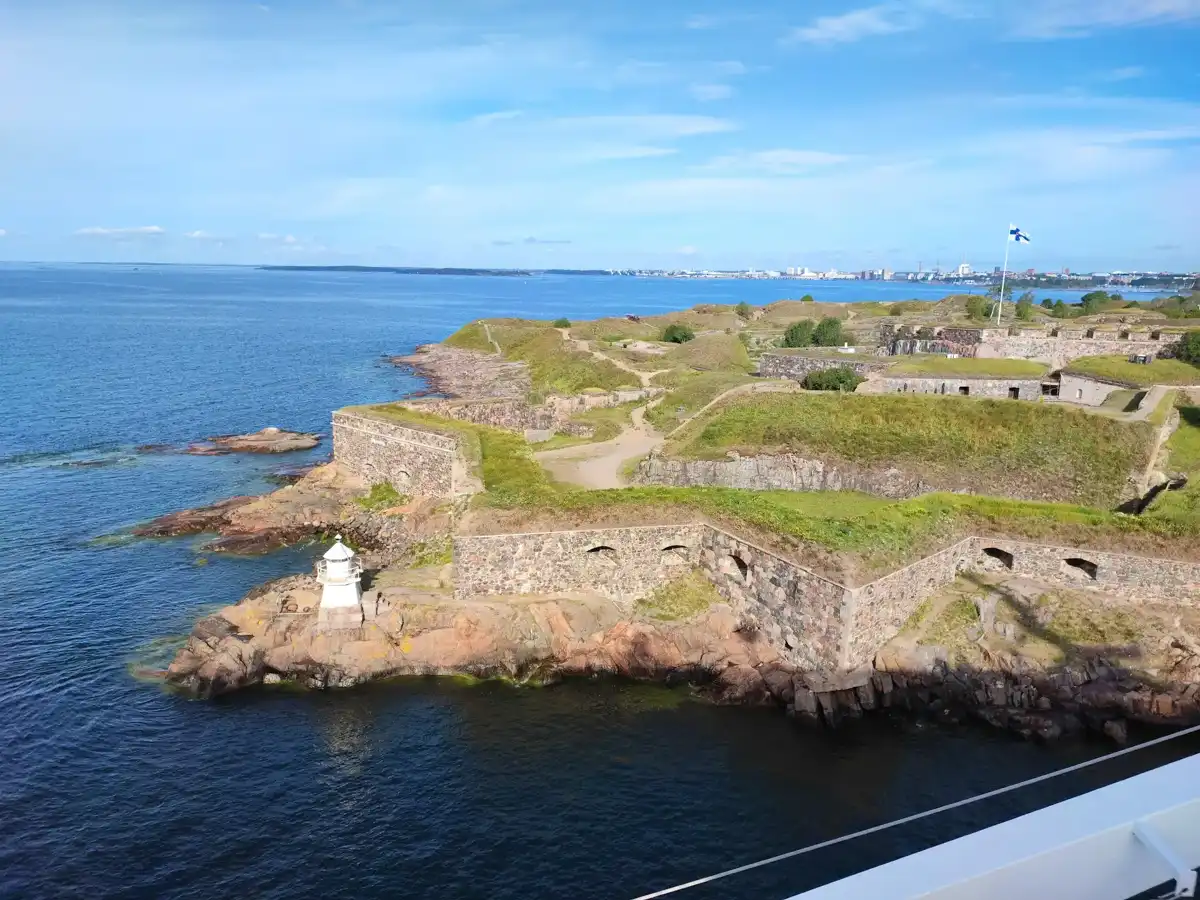
Choosing between kinds: Heritage sites (fortresses, churches, wooden towns) suit rainy days, shoulder seasons and travelers short on time, since they sit mostly in the south and are easy by train. Natural landmarks suit hikers and campers, because Everyman’s right makes them free and flexible. Arctic sites suit people who want winter atmosphere and can pay for it. Mixing one of each usually works better than collecting one type, and the cost …
read more 👉 How many to visit: Plan on 4 to 6 landmarks for a one- to two-week trip, because Finnish distances turn each extra stop into half a day of transit. The country rewards lingering: lake light shifts slowly, forests ask for walking, and cold or mosquitoes shape the pace. An experienced traveler picks fewer places and stays long enough to hear the quiet.
Choosing between kinds: Heritage sites (fortresses, churches, wooden towns) suit rainy days, shoulder seasons and travelers short on time, since they sit mostly in the south and are easy by train. Natural landmarks suit hikers and campers, because Everyman’s right makes them free and flexible. Arctic sites suit people who want winter atmosphere and can pay for it. Mixing one of each usually works better than collecting one type, and the cost structure is why: the south is cheap to reach, the north is cheap to enter but expensive to get to.
What it costs: Budget about US$70 to 110 (€65 to 100) a day if you use hostels, supermarket food and trains, and US$45 to 65 (€40 to 60) if you wild camp and cook. Entry fees for heritage sites typically run about €5 to 20, national park access is free, and guided tours, boat trips or husky and snowmobile outings run €60 to 150. Long-distance trains and flights add €30 to 120 per transfer, so book early for the lowest fares. Supermarkets such as K-Market and Lidl keep food costs down, and tap water is excellent, so skip bottled water.
Safety and etiquette: Finland is very safe, and the real risks are weather and distance. In winter, dress in layers of wool, add a windproof shell and carry a charged phone, because cold drains batteries fast. Tell someone your plan before hiking in remote areas, since mobile coverage is patchy in parts of the north. Stay on marked trails in Lapland, where bog and snow hide the ground.
Culturally, Finns value quiet and personal space, so keep voices low on trains, in churches and at lakeside huts. Remove shoes in homes and cabins, and in Orthodox churches follow posted dress and photography rules. Camping is free on open land under Everyman’s right, but stay well away from houses and never light fires without permission, especially in summer dry spells. Leave no trace, since the rule depends on goodwill.
One practical note: many museums and sites take card only, and cash is rarely needed.




 Best Backpacking
 Hi, I’m Johan (Netherlands 🇳🇱), the creator of TakeYourBackpack. Over the past 3 decades, I’ve backpacked through 90+ countries across six continents, gaining extensive experience with independent travel, long-term trips, and overland routes.