×

Ghana🇬🇭 | townsDamongoMole Park access, Gonja heritage, forest edge | things to do and best time to go

Explore NaleriguExplore Nkawkaw

Backpacking in Damongo
👌 Worth visitingtown ranked #19
By Johan Kruseman 🇳🇱 | Updated June 14, 2026

Most guides miss this: Damongo, gateway to Mole National Park, is quieter and less touristy than you’d expect for a safari hub. Tucked in Ghana’s northern savannah, the town itself is dusty, sun-bleached, and honest—more crossroads than destination. You’ll find a few simple guesthouses, a market heavy with shea butter and smoked fish, and evenings that settle early. It’s a practical base for wildlife treks, not nightlife. Buses from Tamale rattle in daily, but don’t expect crowds of backpackers or easy rideshares. Compared to busier Tamale, Damongo feels slower, cheaper, and more local—rewarding if you want real Ghanaian rhythm, but not if you crave city comforts or a social hostel scene.

Discover everything you want to know in the 📖 Ghana Travel Guide.


Get your Ghana guide
111 ranked highlights, routes & tips, works offline (424 pages)
Loading the map 🌍
CLICK TO FILTER
cities
towns
villages
landmarks
national parks
hikes
beaches
attractions
festivals
regions
SHOW COUNTRY’S BESTSHOW ALL

✨ Why go?
Ranked #19 town in Ghana
What sets this place apart

Backpackers flock to Damongo for its strategic location near the Mole National Park, a prime spot for wildlife hikes. The town serves as a gateway to lush trails and the chance to spot elephants, making it a must-stop for hikers and nature lovers. The walkable streets are lined with small-scale hostels and guesthouses, offering a cozy atmosphere where you can swap stories with fellow travelers. You’ll find local food stalls serving up hearty meals that reflect the region’s culture. Most visitors stay a few days, soaking in the friendly vibe and connecting with both locals and other solo or small-group travelers. It’s a place to linger, not just pass through.
Want to include Damongo in your Ghana route?
Create a personalized Ghana itinerary that includes Damongo and the places that fit your trip — based on your travel style, budget, and available time. Get your route in seconds.

Generate my trip

💡 HighlightsEssential experiences to have while visiting Damongo

Quick question before I dive in: do you want strictly the central/township limits of Damongo (no suburbs or villages at all), or are nearby suburbs and officially administered outskirts that locals consider “Damongo” okay to include?
Spotted a mistake or missing something? Contact us.

Things to do near Damongo

Ratings based on Tripadvisor reviews. When you book through this link, you support our work at no extra cost to you.

🏘️ NeighborhoodsKey areas and districts to know

Damongo, a town rich in culture and warmth, offers a unique blend of experiences for backpackers. Here’s how to navigate its neighborhoods:

Central Damongo: This is the heartbeat of the town. Bustling markets and local eateries fill the air with the scent of spices. It’s walkable, making it easy to explore on foot. Affordable accommodations abound, perfect for short stays. Nightlife is low-key, with a few bars where you can unwind after a day of adventure.

Damongo Junction: A bit quieter, this area is ideal for those seeking a more relaxed vibe. It’s slightly removed from the hustle, yet still accessible. Transport links are solid, making it easy to hop on a bus to nearby attractions. Longer stays feel comfortable here, with guesthouses that offer a homely atmosphere.

Wulugu: A residential … read more 👉
Damongo, a town rich in culture and warmth, offers a unique blend of experiences for backpackers. Here’s how to navigate its neighborhoods:

Central Damongo: This is the heartbeat of the town. Bustling markets and local eateries fill the air with the scent of spices. It’s walkable, making it easy to explore on foot. Affordable accommodations abound, perfect for short stays. Nightlife is low-key, with a few bars where you can unwind after a day of adventure.

Damongo Junction: A bit quieter, this area is ideal for those seeking a more relaxed vibe. It’s slightly removed from the hustle, yet still accessible. Transport links are solid, making it easy to hop on a bus to nearby attractions. Longer stays feel comfortable here, with guesthouses that offer a homely atmosphere.

Wulugu: A residential area that gives you a taste of local life. It’s less touristy, providing an authentic experience. While not as walkable, it’s worth the trek for its serene environment. Perfect for longer stays, you’ll find a few hidden spots to enjoy the local cuisine.

⌛️ 1 daySeeing the highlights in 24 hours

Damongo, the capital of the West Gonja District, pulses with a unique blend of culture and nature. It’s not just a stopover; it’s a gateway to the lush landscapes of Ghana’s northern region. The air is thick with the scent of earth after rain, and the warm smiles of locals invite you to explore.

Start your morning at the bustling market in the heart of town. The vibrant colors of fresh produce and the lively chatter create an electric atmosphere. Grab a breakfast of kelewele—spicy fried plantains—while soaking in the local rhythm. This is where you’ll feel the town’s heartbeat.

In the afternoon, head to the nearby Mole National Park. It’s a short drive, but the experience is transformative. Join a guided walking safari to see elephants and antelopes in their natural habitat. The thrill of … read more 👉
Damongo, the capital of the West Gonja District, pulses with a unique blend of culture and nature. It’s not just a stopover; it’s a gateway to the lush landscapes of Ghana’s northern region. The air is thick with the scent of earth after rain, and the warm smiles of locals invite you to explore.

Start your morning at the bustling market in the heart of town. The vibrant colors of fresh produce and the lively chatter create an electric atmosphere. Grab a breakfast of kelewele—spicy fried plantains—while soaking in the local rhythm. This is where you’ll feel the town’s heartbeat.

In the afternoon, head to the nearby Mole National Park. It’s a short drive, but the experience is transformative. Join a guided walking safari to see elephants and antelopes in their natural habitat. The thrill of spotting wildlife is palpable, and the golden light filtering through the trees adds a magical touch.

As evening falls, return to Damongo and visit the local cultural center. Engage with artisans crafting traditional textiles. The warmth of their stories and the intricate patterns of their work will leave you inspired. Cap off your day with a meal at a local eatery, savoring the rich flavors of jollof rice. This isn’t just a day in Damongo; it’s a dive into its soul.
Turn your Damongo visit into an Ghana adventure
Build a complete Ghana route with Damongo, hidden gems, must-see destinations, and realistic travel times included.

Generate my trip

🌤️ When to go?Choosing the right time of year


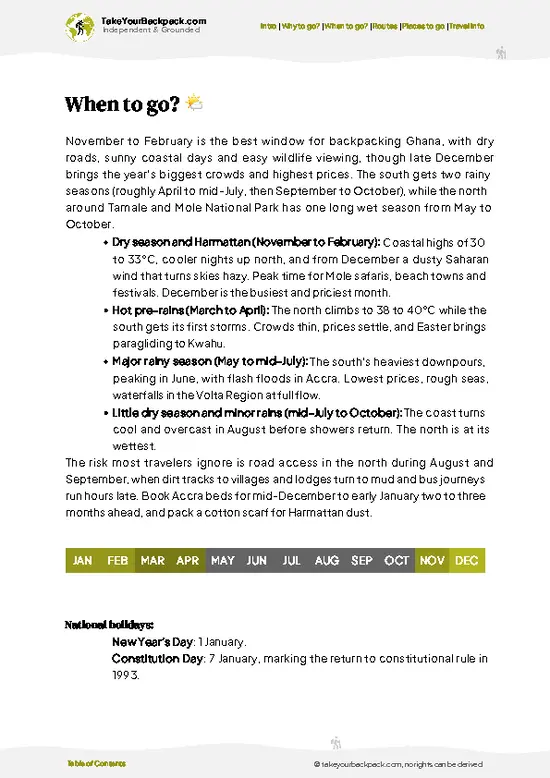
  • Topic: Weather – Damongo’s dry season from November to March offers clear skies and minimal rain, making dusty trails easier to navigate. The wet season (April to October) brings heavy rains that can turn paths to mud and swell rivers, slowing your pace and soaking your gear.

  • Topic: Temperature – Expect highs around 32-35°C (90-95°F) in the dry months, with cooler mornings near 20°C (68°F). The wet season cools things slightly but humidity spikes, making the air thick and heavy.

  • Topic: Daylight Hours – Roughly 12 hours year-round, but dry season mornings start crisp and bright, perfect for early hikes before the heat builds.

  • Topic: Crowds – Tourist numbers peak in the dry season, especially December and January, so expect more fellow travelers and booked accommodations.

  • Topic: Seasonal
read more 👉

  • Topic: Weather – Damongo’s dry season from November to March offers clear skies and minimal rain, making dusty trails easier to navigate. The wet season (April to October) brings heavy rains that can turn paths to mud and swell rivers, slowing your pace and soaking your gear.

  • Topic: Temperature – Expect highs around 32-35°C (90-95°F) in the dry months, with cooler mornings near 20°C (68°F). The wet season cools things slightly but humidity spikes, making the air thick and heavy.

  • Topic: Daylight Hours – Roughly 12 hours year-round, but dry season mornings start crisp and bright, perfect for early hikes before the heat builds.

  • Topic: Crowds – Tourist numbers peak in the dry season, especially December and January, so expect more fellow travelers and booked accommodations.

  • Topic: Seasonal Activities – Dry months align with local festivals and wildlife spotting in Mole National Park nearby, enhancing cultural and natural experiences.

  • Topic: Price Fluctuations – Accommodation and tours cost more during the dry season’s peak, but the trade-off is smoother logistics and better trail conditions.


Pro-tip: Aim for late November or early March—dry enough for comfort, light crowds, and better deals, so you get the best of Damongo without the hassle.


source: climatestotravel.comJANJanuary: highly recommended for travelingFEBFebruary: highly recommended for travelingMARMarch: excellent for travelingAPRApril: fair for travelingMAYMay: fair for travelingJUNJune: fair for travelingJULJuly: fair for travelingAUGAugust: fair for travelingSEPSeptember: fair for travelingOCTOctober: fair for travelingNOVNovember: excellent for travelingDECDecember: highly recommended for traveling
when-to-go

✈️ The backpacker research shortcutGhana Travel Guide

An offline-friendly backpacking guide with optimized travel routes, ranked highlights, transport advice, and the best areas to stay.
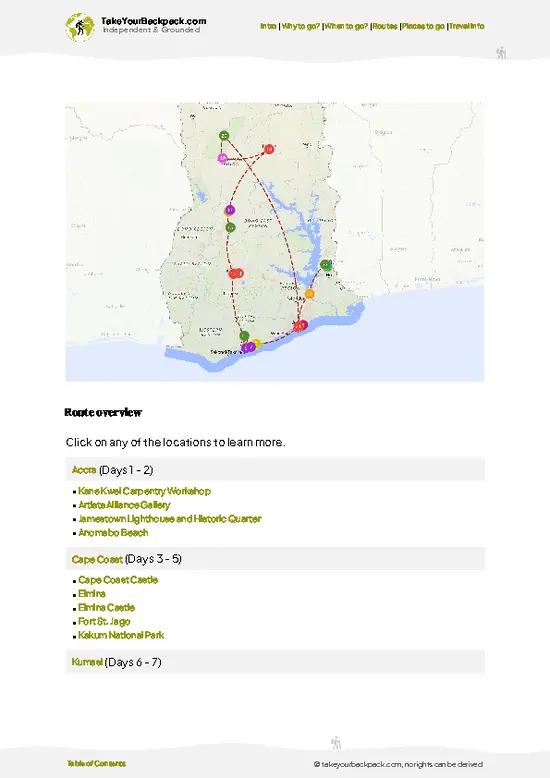
example page 0 from our offline Travel Guide for Ghana
example page 1 from our offline Travel Guide for Ghana
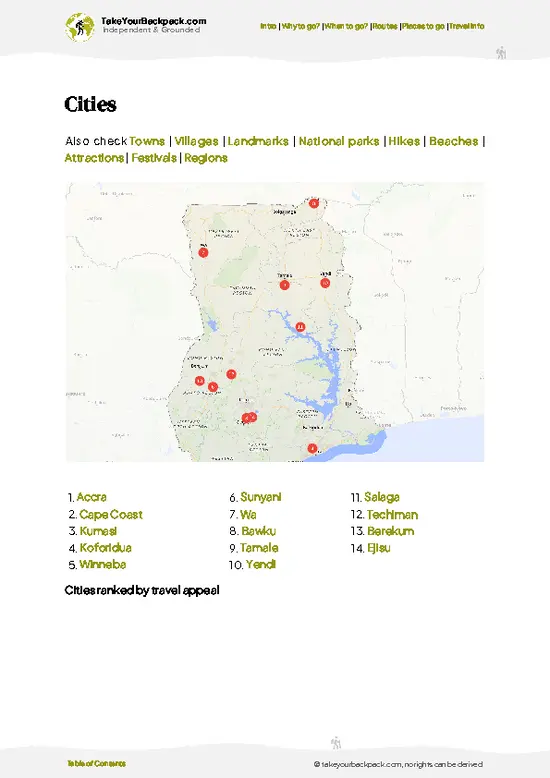
example page 2 from our offline Travel Guide for Ghana
example page 3 from our offline Travel Guide for Ghana
example page 4 from our offline Travel Guide for Ghana
example page 5 from our offline Travel Guide for Ghana
example page 6 from our offline Travel Guide for Ghana
example page 7 from our offline Travel Guide for Ghana
The digital guide (424 pages) contains:
111 highlights, ranked by travel appeal
Optimized 5, 10 & 15-day travel routes
Cities, national parks, landmarks, beaches
How to get around
Offline-friendly for travel without Wi-Fi
👉 Click to see all 30+ guide features

📅 Plan smarter in minutes, not weeks
Month by month travel advice
Festivals & national holidays
Budget expectations

🗺️ Go to the right places, skip the overrated ones
Honest pros & cons of destinations
Top hikes, parks & viewpoints
Lesser-known places most travelers miss
Clear “worth it vs skip it” guidance

🛏️ Travel smoothly without rookie mistakes
Best areas to stay
Transport systems explained simply
Common scams & safety advice
SIM cards, money & practical tips

🌍 Understand the country, not just visit it
Culture & traditions
52 Essential phrases & customs
Festivals worth planning around
Traveler-friendly historical context
Insights that make places more meaningful

📱 Built for real travel conditions
Fully downloadable PDF
Works completely offline
Optimized for phone use
Useful in remote areas & buses
Everything in one place
Save weeks of stressful planning
Get instant access to your full guide. 30‑day money-back guarantee.


By proceeding you agree to our terms.
Sent to your inbox immediately after payment • 100% Secure Checkout
Best Backpacking Travel Advisor 2025 tourism awardBest Backpacking
Travel Advisor
2025
What others say about Take Your Backpack Guides:
⭐⭐⭐⭐⭐
Fantastic, amazing amount of information!
⭐⭐⭐⭐⭐
My goodness this is amazing, it's what I've been looking for hats off too you!
⭐⭐⭐⭐⭐
I think this is absolutely BRILLIANT
⭐⭐⭐⭐
Very complete and informative. It's still missing places, but I gotta to commend you
⭐⭐⭐⭐⭐
This is truly amazing, thank you, can't wait to explore it with my kids!
⭐⭐⭐⭐⭐
Awesome resource, thank you!
⭐⭐⭐⭐⭐
This is amazing! Can't wait to explore the ones I haven't seen
⭐⭐⭐⭐
I love this! Well done, great idea.
⭐⭐⭐⭐⭐
Thanks for taking the time to make this gem!
⭐⭐⭐⭐⭐
This might be the best website I've ever seen.
⭐⭐⭐⭐⭐
Congratulations, and thank you so much for your work; it's incredibly valuable.
⭐⭐⭐⭐
In all seriousness I think you did a great job pointing out the important spots
⭐⭐⭐⭐⭐
10/10 very good
⭐⭐⭐⭐⭐
As someone who's only just starting to visit regularly this is awesome, thank you.
⭐⭐⭐⭐
Thank you very much! I'm going to visit my dad, it's going to be very useful!
⭐⭐⭐⭐⭐
This is really cool! We'll be travelling for the first time and this definitely come in handy.
⭐⭐⭐⭐⭐
You are now our minister of culture, congratulations 👨‍💼
⭐⭐⭐⭐⭐
Just wanted to tell you that this is a pearl! Going to follow your recommendations.
⭐⭐⭐⭐⭐
This is so cool. I'll definitely be using the resource for my travels soon.
⭐⭐⭐⭐⭐
This is very impressive! Good work.
⭐⭐⭐⭐⭐
This is an amazing and informative site. Very well done!

🛏️ Where to stay?Choosing the right base

In Damongo, the best spot for backpackers is the town center near the main market and bus station. This area hums with life from dawn till dusk—vendors shouting, the scent of grilled meat mingling with fresh earth after rain. It’s where you’ll find budget guesthouses and a handful of hostels that cater to solo travelers, making it easy to strike up conversations over shared meals or roadside tea. Staying here means you’re plugged into the pulse of local life, with safe, well-trodden streets and easy access to transport. Other neighborhoods feel quieter but less connected, lacking that social buzz … read more 👉
In Damongo, the best spot for backpackers is the town center near the main market and bus station. This area hums with life from dawn till dusk—vendors shouting, the scent of grilled meat mingling with fresh earth after rain. It’s where you’ll find budget guesthouses and a handful of hostels that cater to solo travelers, making it easy to strike up conversations over shared meals or roadside tea. Staying here means you’re plugged into the pulse of local life, with safe, well-trodden streets and easy access to transport. Other neighborhoods feel quieter but less connected, lacking that social buzz and practical convenience every backpacker craves.

🚌 Getting aroundMoving around without the hassle

Damongo moves at its own pace—less a strict timetable, more a rhythm you feel in the heat of the midday sun and the dusty trails where locals gather. It’s a place where time bends around market chatter and the occasional honk of a shared taxi. The town’s pulse is steady but unhurried, so your best bet is to sync with its flow rather than fight it. Expect informal schedules, where a bus might leave when full, not on the clock, and where walking isn’t just a way to get around but a chance to soak in the earth-scented air and the hum of daily life.


  • Walking: The heart of Damongo’s transit. Distances are manageable, and walking lets you catch the scent of fresh groundnuts roasting and the chatter from roadside stalls. No cost, full immersion.

  • Shared Trotro: These minibuses run on flexible
read more 👉
Damongo moves at its own pace—less a strict timetable, more a rhythm you feel in the heat of the midday sun and the dusty trails where locals gather. It’s a place where time bends around market chatter and the occasional honk of a shared taxi. The town’s pulse is steady but unhurried, so your best bet is to sync with its flow rather than fight it. Expect informal schedules, where a bus might leave when full, not on the clock, and where walking isn’t just a way to get around but a chance to soak in the earth-scented air and the hum of daily life.


  • Walking: The heart of Damongo’s transit. Distances are manageable, and walking lets you catch the scent of fresh groundnuts roasting and the chatter from roadside stalls. No cost, full immersion.

  • Shared Trotro: These minibuses run on flexible schedules, usually from dawn until early evening. Fares are dirt cheap, around a few cedis, but expect a tight squeeze and stops whenever passengers flag them down.

  • Motorbike Taxis (Okada): Fast and nimble, perfect for short hops or when the sun dips low and you want to avoid the dust. Prices vary but are affordable; negotiate before you hop on.

  • Private Taxi: Less common and pricier, but if you’re in a group or carrying gear, it’s a smoother ride with door-to-door convenience. Best to arrange through your accommodation.

  • Bicycle Rentals: A quiet, sweat-earned way to cover more ground than walking. Rentals are inexpensive, and the breeze cuts through the heat, giving you a fresh perspective on the town’s edges.

👛 Costs (as of 24 October 2025)Money, prices, and spending tips

Backpacking in Damongo, Ghana, offers a raw, authentic slice of northern Ghanaian life, and understanding the daily costs helps you plan without surprises.
  • Dorm Accommodation: Expect basic guesthouses or small hostels with dorm-style rooms ranging from $5 to $10 per night. These places are simple—think mosquito nets, a fan, and a shared bathroom—but they put you right in the heart of town, where the sounds of daily life seep through the walls.
  • Meals: Street food and local eateries dominate here. A filling plate of waakye or rice balls with soup will set you back about $1 to $3. If you opt for something a bit more substantial or a small restaurant, budget around $3 to $5 per meal. Fresh fruit and local snacks are cheap and plentiful, perfect for quick energy boosts.
  • Local Transport: Motorbike
read more 👉
Backpacking in Damongo, Ghana, offers a raw, authentic slice of northern Ghanaian life, and understanding the daily costs helps you plan without surprises.
  • Dorm Accommodation: Expect basic guesthouses or small hostels with dorm-style rooms ranging from $5 to $10 per night. These places are simple—think mosquito nets, a fan, and a shared bathroom—but they put you right in the heart of town, where the sounds of daily life seep through the walls.
  • Meals: Street food and local eateries dominate here. A filling plate of waakye or rice balls with soup will set you back about $1 to $3. If you opt for something a bit more substantial or a small restaurant, budget around $3 to $5 per meal. Fresh fruit and local snacks are cheap and plentiful, perfect for quick energy boosts.
  • Local Transport: Motorbike taxis (okadas) and shared tro-tros (minibuses) are the go-to options. Short rides cost roughly $0.50 to $1.50, depending on distance. Walking is often the best way to soak in the atmosphere, but for trips to nearby attractions, factor in $2 to $5 for transport.
  • Basic Activities/Entry Fees: Damongo is the gateway to Mole National Park, where entry fees for independent travelers hover around $7 to $10. Guided walking safaris or game drives add about $15 to $25, but these are worth it for the close-up wildlife experience. Local cultural sites or markets usually have no entry fee but might invite small donations or purchases.
  • Miscellaneous Expenses: Bottled water, snacks, phone credit, and small tips add up to about $1 to $3 daily. Keep cash handy, as card payments are rare, and prices can vary slightly depending on your bargaining skills.

All told, a realistic daily budget for backpacking in Damongo falls between $15 and $30. This range covers the essentials without cutting corners, letting you dive into the local rhythm without stress. The modest costs reflect the town’s straightforward vibe—no frills, just genuine experiences that feel earned after a day of navigating its dusty streets and vibrant markets.


source: ghana.travel
⚠️ Prices can change and everyone travels differently, so take this as a rough guide. Hope it helps you plan your adventure!

🚌 Day tripsShort trips worth adding

Damongo, Ghana, is a backpacker’s dream base for exploring the rich tapestry of northern Ghana. With its vibrant local culture and proximity to stunning natural wonders, you’ll find day trips that are both rewarding and accessible.

Mole National Park
Just a 30-minute drive from Damongo, Mole National Park is a must. You can spot elephants roaming freely, and the thrill of a guided walking safari is unmatched. The park’s dry savannah offers a stark beauty, especially during the dry season from November to March. Expect to spend around $10 for entry and a guided tour. Many first-timers miss the early morning walks when wildlife is most active, so set that alarm!
👉 Explore Mole National Park

Larabanga Mosque
A short 15-minute ride will take you to the Larabanga Mosque, one of the oldest … read more 👉
Damongo, Ghana, is a backpacker’s dream base for exploring the rich tapestry of northern Ghana. With its vibrant local culture and proximity to stunning natural wonders, you’ll find day trips that are both rewarding and accessible.

Mole National Park
Just a 30-minute drive from Damongo, Mole National Park is a must. You can spot elephants roaming freely, and the thrill of a guided walking safari is unmatched. The park’s dry savannah offers a stark beauty, especially during the dry season from November to March. Expect to spend around $10 for entry and a guided tour. Many first-timers miss the early morning walks when wildlife is most active, so set that alarm!
👉 Explore Mole National Park

Larabanga Mosque
A short 15-minute ride will take you to the Larabanga Mosque, one of the oldest mosques in West Africa. The mud architecture is striking against the blue sky, and the local guides share stories that breathe life into its history. Entry is free, but a small tip for a guide is appreciated. Visit in the late afternoon to catch the golden light illuminating the mosque. Don’t rush; take time to soak in the atmosphere.


Wicha Falls
About an hour from Damongo, Wicha Falls is a hidden treasure. The sound of cascading water and the lush greenery create a serene escape. The trek to the falls is a bit rugged, so wear sturdy shoes. It’s best to go during the rainy season when the falls are at their most powerful. Budget around $5 for transport and snacks. Many overlook this spot, thinking it’s too far, but the tranquility is worth every step.
Want to know what more Ghana offers?
The Ghana Travel Guide describes 111 highlights, from cities to national parks, from beaches to hikes

Get the Travel Guide -

🛡️ SafetySafety Tips and Common Scams in Damongo

Damongo is generally safe, but awareness is key. Stick to well-lit areas after dark, especially if you’re solo. The local vibe is friendly, but keep an eye on your belongings in crowded spots, like markets.

Common scams are rare, but be cautious of overly eager guides offering unsolicited help. Politely decline and seek out reputable services. Everyday annoyances include occasional power outages, so a portable charger can be a lifesaver. Embrace the rhythm of the town, stay alert, and you’ll navigate smoothly through this welcoming community.

Other Ghanaian towns near Damongo

Explore more nearby:

  • Daboya—Shea butter production, white clay mosque, river crossing| 68 km away
  • Tamale—mosques, shea butter markets, northern cuisine, mud-brick compounds| 114 km away
  • Kintampo—Waterfalls, forest park, central crossroads| 115 km away

💡 Not sure where to go next?
Create a personalized itinerary for Ghana including Damongo and the places that fit your trip.

Generate my itinerary

👉 Discover all towns

Or checkout all Ghana has to offer (think cities, towns, villages, national parks, hikes, beaches, festivals)
Country photo of Ghana

We 💚 feedbackParting advice and final tips

Damongo’s vibrant culture pulses through its markets, where the scent of spices mingles with laughter. You’ll connect with locals who share stories over bowls of light soup. But be ready for the heat; it can be relentless. Embrace the sweat, and you’ll find the warmth of the community makes it all worthwhile.

✈️ When did I visit Ghana?
Ghana I visited in December 2024, starting in Accra following the coast, then up north to Mole National park to finish in the Volta Region.

✍️ Help improve this page!
The information on this page is based on my own backpacking experience in Ghana, supplemented with up-to-date research and feedback from other travelers. Travel details can change, so if you notice anything outdated or incomplete, feel free to let me know.


🙋‍♂️ Give feedback

👋 Meet the founderWho’s Behind Take Your Backpack?

Johan, backpacker and founder of TakeYourBackpackHi, I’m Johan (Netherlands 🇳🇱), the creator of TakeYourBackpack. Over the past decade, I’ve backpacked through 80+ countries across six continents, gaining extensive experience with independent travel, long-term trips, and overland routes.

This site is built on a combination of firsthand travel experience and carefully curated insights from other backpackers. Many guides are based on places I’ve personally visited, while others bring together tips, observations, and practical advice shared by trusted travelers I’ve met along the way.

The goal is to provide realistic, experience-driven guidance — not generic itineraries — so you can explore destinations with better context, clearer expectations, and more confidence.

Get full Ghana guide •
Instant download • 111 highlights • Full Offline guide