How many beaches: I advise
one beach per day at most, and 8 to 12 on a two-week trip. Greek beach days are slow: the light is fierce from noon to four, the sand burns underfoot, and shade is something you pay for or hunt. Packing in two or three a day costs you transport money and leaves you tired, gritty and sunburnt. A beach you stay at for four hours, with a swim, a snack and a nap, is worth more than three you only photograph.
Which kind to prioritize: Pick by travel style. For
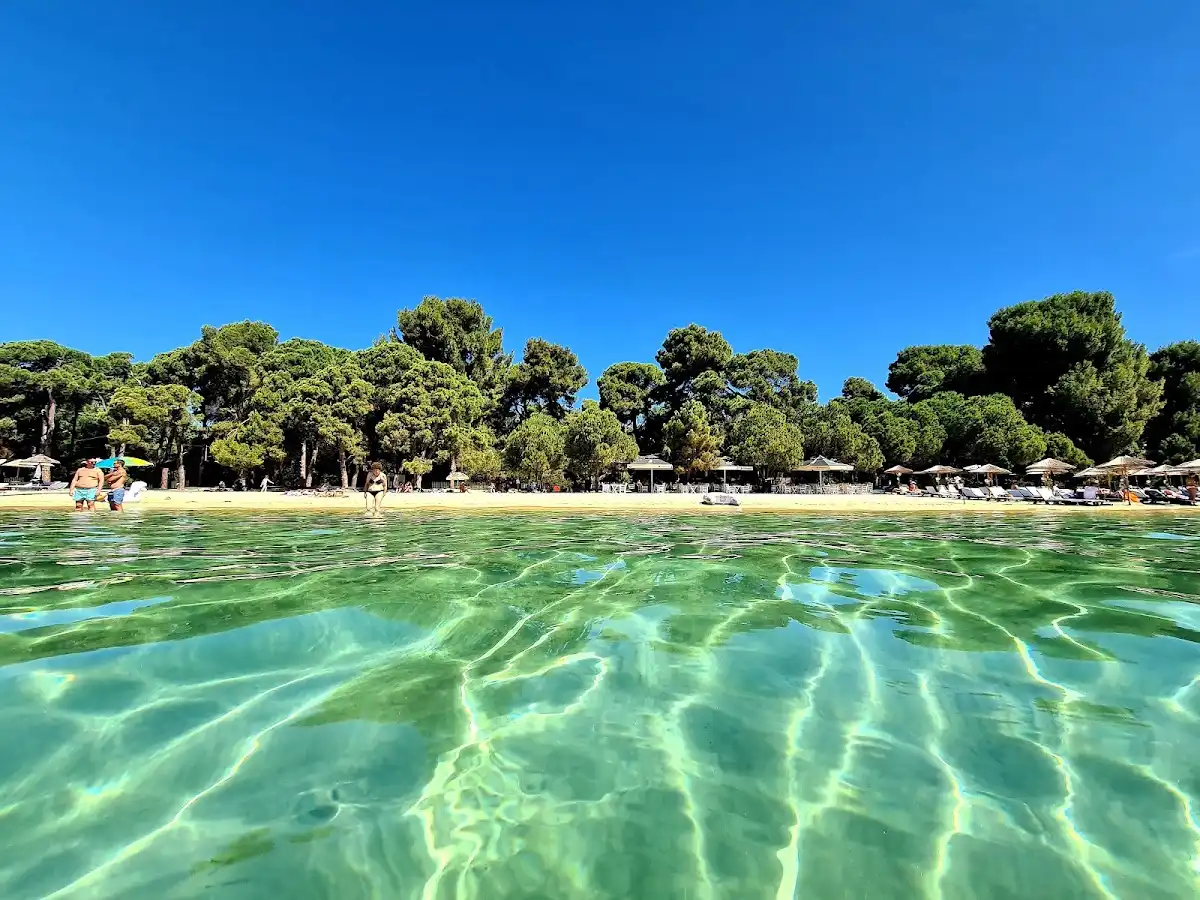
social travelers, organized beaches in the Cyclades and on Crete's north coast bring music, bars and easy meeting. They cost the most, with two sunbeds and an umbrella commonly €10 to 40 in peak season, and you can often skip that by laying a towel on free sand at the edge. For
peace and snorkeling, quieter pebble …
read more 👉 How many beaches: I advise
one beach per day at most, and 8 to 12 on a two-week trip. Greek beach days are slow: the light is fierce from noon to four, the sand burns underfoot, and shade is something you pay for or hunt. Packing in two or three a day costs you transport money and leaves you tired, gritty and sunburnt. A beach you stay at for four hours, with a swim, a snack and a nap, is worth more than three you only photograph.
Which kind to prioritize: Pick by travel style. For
social travelers, organized beaches in the Cyclades and on Crete's north coast bring music, bars and easy meeting. They cost the most, with two sunbeds and an umbrella commonly €10 to 40 in peak season, and you can often skip that by laying a towel on free sand at the edge. For
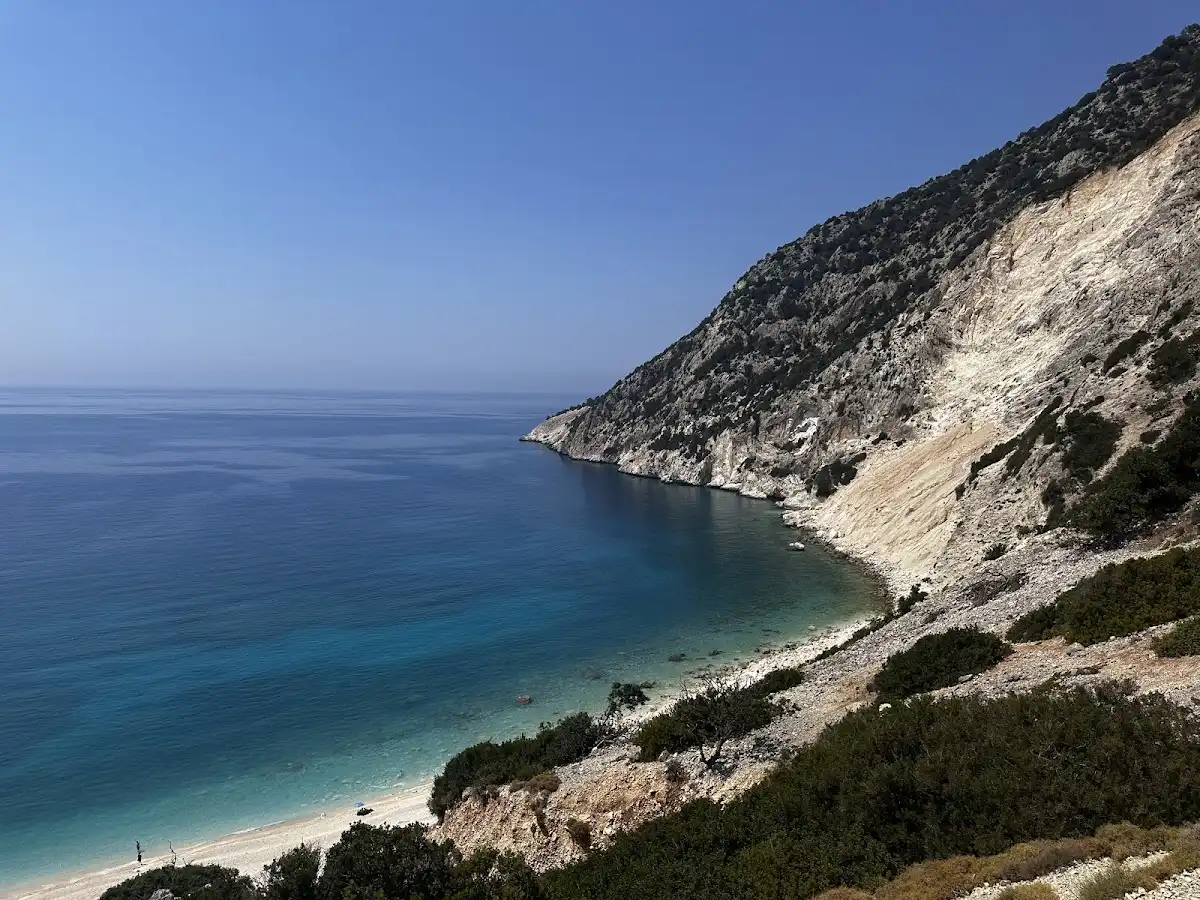
peace and snorkeling, quieter pebble coves in the Ionian, the Peloponnese and the north give clear water and cheaper rooms, but need a scooter, car or boat. For
value, I'd pick towns with a bus from the center to the sand: you save the rental, about €20 to 40 a day for a scooter and €35 to 70 for a car in summer. Water taxis to remote coves run roughly €5 to 25 return, and are worth it when the alternative is a bad dirt track.
Budget: Budget about
€50 to 90 a day in summer including dorm or basic room, food and local transport, and €35 to 55 in May or October. Most public beaches are free. Typical extras are parking (€0 to 5), a bottle of water (€1 to 2) and a taverna lunch (€10 to 18). Bring your own water shoes, a hat and a towel.
Safety and etiquette: The biggest risks are
sun, heat and wind. Drink water, and use a reef-safe or high-factor sunscreen. A red flag, or strong meltemi, makes swimming unsafe: many beaches have no lifeguard, and currents on open shores can be strong. Sea urchins are common on rocks, so wear shoes when entering from stone. Topless sunbathing is widely tolerated, and nudism is only accepted at designated beaches. Respect that. Do not take sand, pebbles or shells away, and do not drive onto dunes or nesting beaches, where loggerhead turtles lay eggs from May to August. Leave no trash, and keep valuables on you or in a locked bag, as petty theft happens on busy beaches.





 Best Backpacking
 Hi, I’m Johan (Netherlands 🇳🇱), the creator of TakeYourBackpack. Over the past 3 decades, I’ve backpacked through 90+ countries across six continents, gaining extensive experience with independent travel, long-term trips, and overland routes.