How many regions: I advise
two or three regions in a two-week trip. Greece punishes speed: each ferry day eats most of the daylight, and the pleasure is in lingering over a long lunch with the shutters half-closed against the glare. Two regions suit ten days. Three suit fourteen to twenty. A fourth region means you spend more time in port waiting rooms than in places.
Choosing the kind: For the lowest cost and the quietest time, choose the
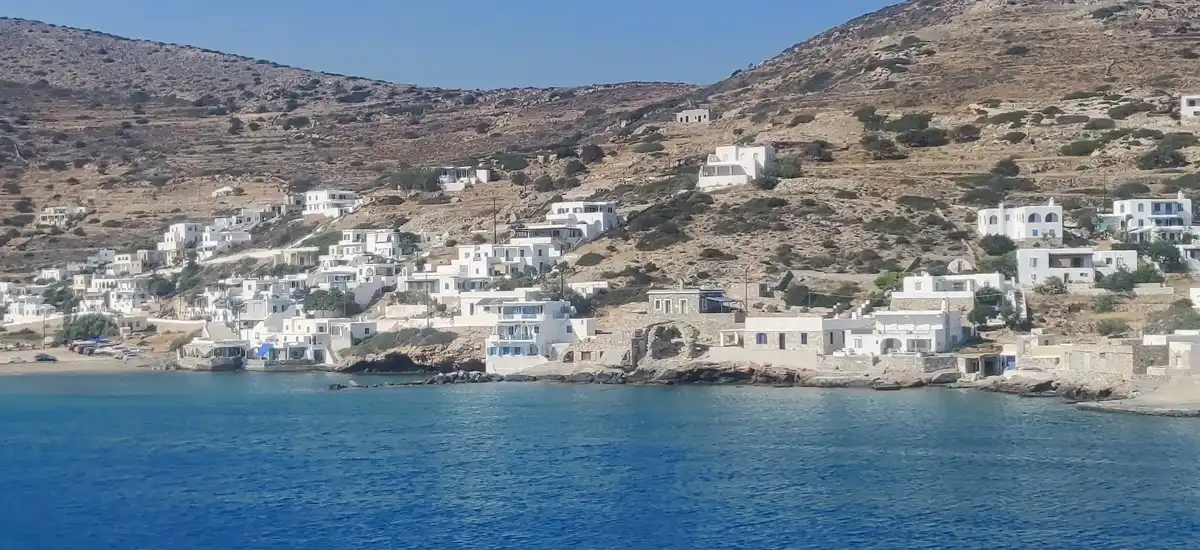
mainland and larger islands, where buses, village rooms and grilled food are cheap. For classic white-and-blue scenery and nightlife, choose the
small Aegean islands, and accept that you pay more for less space. For beaches and green hills, the
Ionian side gives calmer water, though it is harder to link with the Aegean. Mixing one island region with one mainland …
read more 👉 How many regions: I advise
two or three regions in a two-week trip. Greece punishes speed: each ferry day eats most of the daylight, and the pleasure is in lingering over a long lunch with the shutters half-closed against the glare. Two regions suit ten days. Three suit fourteen to twenty. A fourth region means you spend more time in port waiting rooms than in places.
Choosing the kind: For the lowest cost and the quietest time, choose the
mainland and larger islands, where buses, village rooms and grilled food are cheap. For classic white-and-blue scenery and nightlife, choose the
small Aegean islands, and accept that you pay more for less space. For beaches and green hills, the
Ionian side gives calmer water, though it is harder to link with the Aegean. Mixing one island region with one mainland region gives the best balance of cost and variety, and it costs the least in lost transit time.
What it costs: Plan
€45 to 70 a day on the mainland and large islands in shoulder season, covering dorm beds or simple rooms (€20 to 40), a gyros or taverna meal (€6 to 15), and local buses. On popular small islands in July and August, budget
€70 to 120, because basic rooms alone often run €50 to 90. Ferries are the big line: €20 to 60 per leg for conventional boats, with fast catamarans and long Crete crossings costing more. Archaeological site entries are typically €6 to 20 each, and a combined ticket for several Athens sites is available. Buying a rental scooter or car adds €25 to 60 a day. Guides are optional, around €60 to 150 for a private half day.
Safety and etiquette: Greece is safe, and violent crime is rare. Watch for
sun and heat, which cause more problems than people: carry water, wear a hat and avoid midday hikes. Wildfires are a real summer risk, so follow local alerts and respect fire bans. Scooter accidents are common among tourists, and you need a proper license. Sea urchins on rocky shores and strong currents on open beaches also cause trouble. Culturally, cover shoulders and knees inside churches and monasteries. Greeks eat late, with dinner often after 9 pm, and tipping of 5 to 10 percent is appreciated. Tap water is usually safe on the mainland, but many islands rely on desalinated supplies that taste brackish, so bottled water is common.


 Best Backpacking
 Hi, I’m Johan (Netherlands 🇳🇱), the creator of TakeYourBackpack. Over the past 3 decades, I’ve backpacked through 90+ countries across six continents, gaining extensive experience with independent travel, long-term trips, and overland routes.