×

Guyana🇬🇾 | best citiesExplore the Best cities in Guyana

In Guyana, cities pulse with a unique blend of cultural richness and urban grit. The capital, Georgetown, stands out with its colonial architecture and vibrant markets, offering a lively nightlife and easy transport connections. In contrast, smaller urban centers like Linden and Anna Regina provide a more laid-back vibe, perfect for backpacking and independent travel.

Seasonal nuances affect your experience; the rainy season can transform roads into muddy challenges, while the dry season reveals lush landscapes. Choosing the right city impacts your budget, safety, and level of cultural immersion. Each destination offers distinct flavors, making your journey through Guyana a rich tapestry of experiences.

By Johan Kruseman 🇳🇱 | Updated September 5, 2026
Explore the best towns in Guyana

Why go?What Makes Them Special

Guyana’s cities pulse with a cultural diversity that sets them apart in South America. The blend of Indigenous, African, Indian, and European influences creates a rich tapestry of traditions, languages, and cuisines. This mosaic is not merely decorative; it shapes daily life and interactions, offering travelers a chance to engage with a unique historical depth.

Geographically, Guyana is a land of contrasts. The coastal cities, where the majority of the population resides, are marked by a humid tropical climate, while the interior reveals vast rainforests and savannas. This geographic diversity impacts urban experiences, as the cities serve as gateways to the wild, yet they also face challenges like transport networks that can be underdeveloped. Travel times can stretch, making it essential … read more 👉
Guyana’s cities pulse with a cultural diversity that sets them apart in South America. The blend of Indigenous, African, Indian, and European influences creates a rich tapestry of traditions, languages, and cuisines. This mosaic is not merely decorative; it shapes daily life and interactions, offering travelers a chance to engage with a unique historical depth.

Geographically, Guyana is a land of contrasts. The coastal cities, where the majority of the population resides, are marked by a humid tropical climate, while the interior reveals vast rainforests and savannas. This geographic diversity impacts urban experiences, as the cities serve as gateways to the wild, yet they also face challenges like transport networks that can be underdeveloped. Travel times can stretch, making it essential to weigh the trade-offs between accessibility and the depth of exploration.

While the cities offer a vibrant atmosphere, they also require patience. Infrastructure may not always meet expectations, and the heat can be oppressive. However, the reward lies in the authenticity of the experience. Engaging with local communities and understanding their stories provides a profound connection that transcends mere sightseeing. In Guyana, the journey through its cities is as significant as the destination itself, inviting travelers to embrace both the grit and the beauty of this remarkable country.
Our Approach to Ranking
The list of best cities in Guyana is created based on culture, vibe, attractions, transport ease, and local charm. If you feel a city is missing in this list, please let us know.

When to go?Optimal Periods for Travel

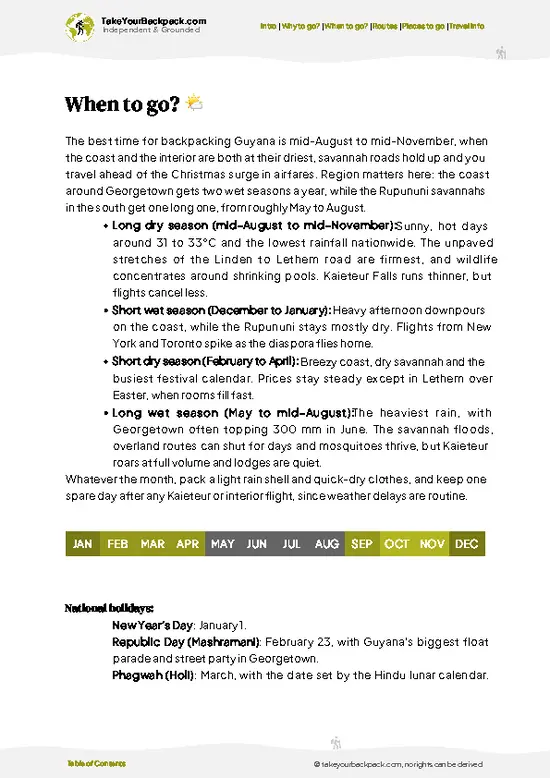
Guyana’s climate is tropical, with a wet and dry season that shapes the experience in its cities. The dry season, typically from late December to early April, brings lower humidity and clearer skies. This is when the streets buzz with activity, as both locals and visitors enjoy outdoor markets and festivals. However, this peak period also means larger crowds and higher prices.

Shoulder seasons occur just before and after the dry season. Visiting during these times can offer a more intimate experience. The weather remains warm, but occasional rain showers provide a refreshing break from the heat. Crowds thin out, making it easier to engage with local culture. Costs may drop slightly, allowing for a more budget-friendly trip.

The wet season, from May to November, transforms the landscape. … read more 👉
Guyana’s climate is tropical, with a wet and dry season that shapes the experience in its cities. The dry season, typically from late December to early April, brings lower humidity and clearer skies. This is when the streets buzz with activity, as both locals and visitors enjoy outdoor markets and festivals. However, this peak period also means larger crowds and higher prices.

Shoulder seasons occur just before and after the dry season. Visiting during these times can offer a more intimate experience. The weather remains warm, but occasional rain showers provide a refreshing break from the heat. Crowds thin out, making it easier to engage with local culture. Costs may drop slightly, allowing for a more budget-friendly trip.

The wet season, from May to November, transforms the landscape. Rainfall can be heavy, leading to muddy streets and occasional flooding. While this may deter some travelers, it also brings lush greenery and vibrant wildlife. Cultural events, often tied to agricultural cycles, can be found during this time, offering a unique glimpse into local life.

Travelers should weigh the allure of festivals and ideal weather against the potential for crowds and costs. Each season offers its own rhythm, shaping the experience of Guyana’s cities in distinct ways.

city hoppingHow to Combine cities Into One Trip

Transport Networks and Regional Clustering


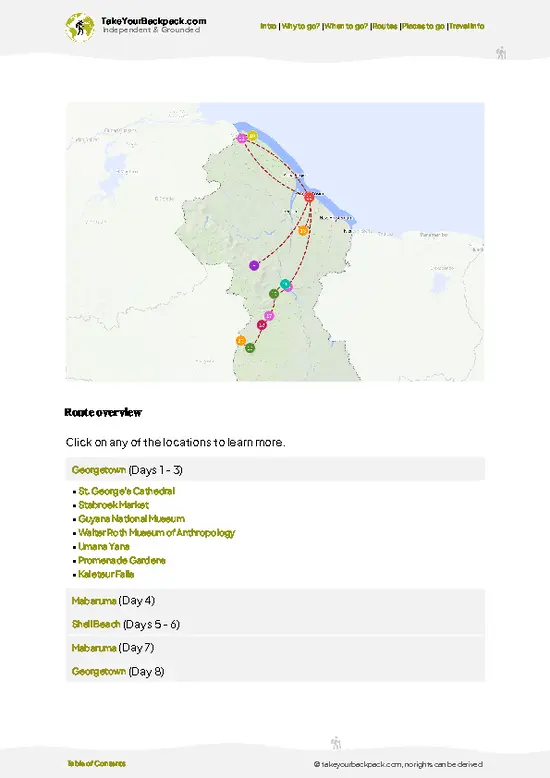
Guyana’s cities are best explored through a strategic approach that clusters regions. Start in Georgetown, the capital, where flights and bus routes converge. From there, consider heading south to Linden, then to the interior towns like Lethem or Annai. This route allows for a gradual immersion into the diverse landscapes and cultures.

Timing and Pacing


Allocate at least two days in each city to soak in the local vibe. Rushing through will rob the experience of its richness. For instance, Georgetown’s markets and historical sites deserve a full day, while a quick stop in Linden can be managed in half a day.

Common Planning Mistakes


Travelers often underestimate travel times between cities. Roads can be rough, and public transport schedules … read more 👉

Transport Networks and Regional Clustering


Guyana’s cities are best explored through a strategic approach that clusters regions. Start in Georgetown, the capital, where flights and bus routes converge. From there, consider heading south to Linden, then to the interior towns like Lethem or Annai. This route allows for a gradual immersion into the diverse landscapes and cultures.

Timing and Pacing


Allocate at least two days in each city to soak in the local vibe. Rushing through will rob the experience of its richness. For instance, Georgetown’s markets and historical sites deserve a full day, while a quick stop in Linden can be managed in half a day.

Common Planning Mistakes


Travelers often underestimate travel times between cities. Roads can be rough, and public transport schedules are unpredictable. Avoid the temptation to cram too many stops into a short timeframe; it leads to fatigue and missed opportunities.

Trade-offs and Constraints


Balancing speed and depth is crucial. Opting for a faster route may save time but sacrifice the chance to connect with locals or enjoy the scenery. Budget considerations also play a role; more comfortable transport options may cost more but can enhance the experience. Flexibility is key; be prepared to adjust plans based on local advice or unexpected discoveries.

The ListThe Best cities of Guyana

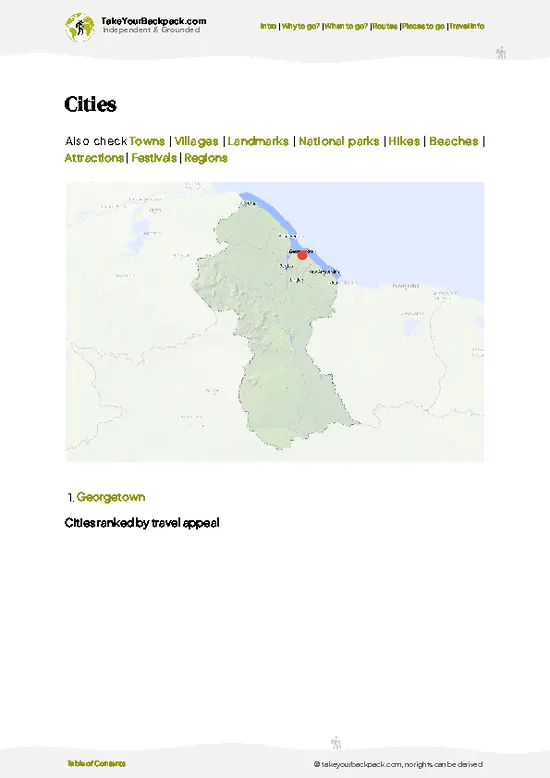
1 Georgetown

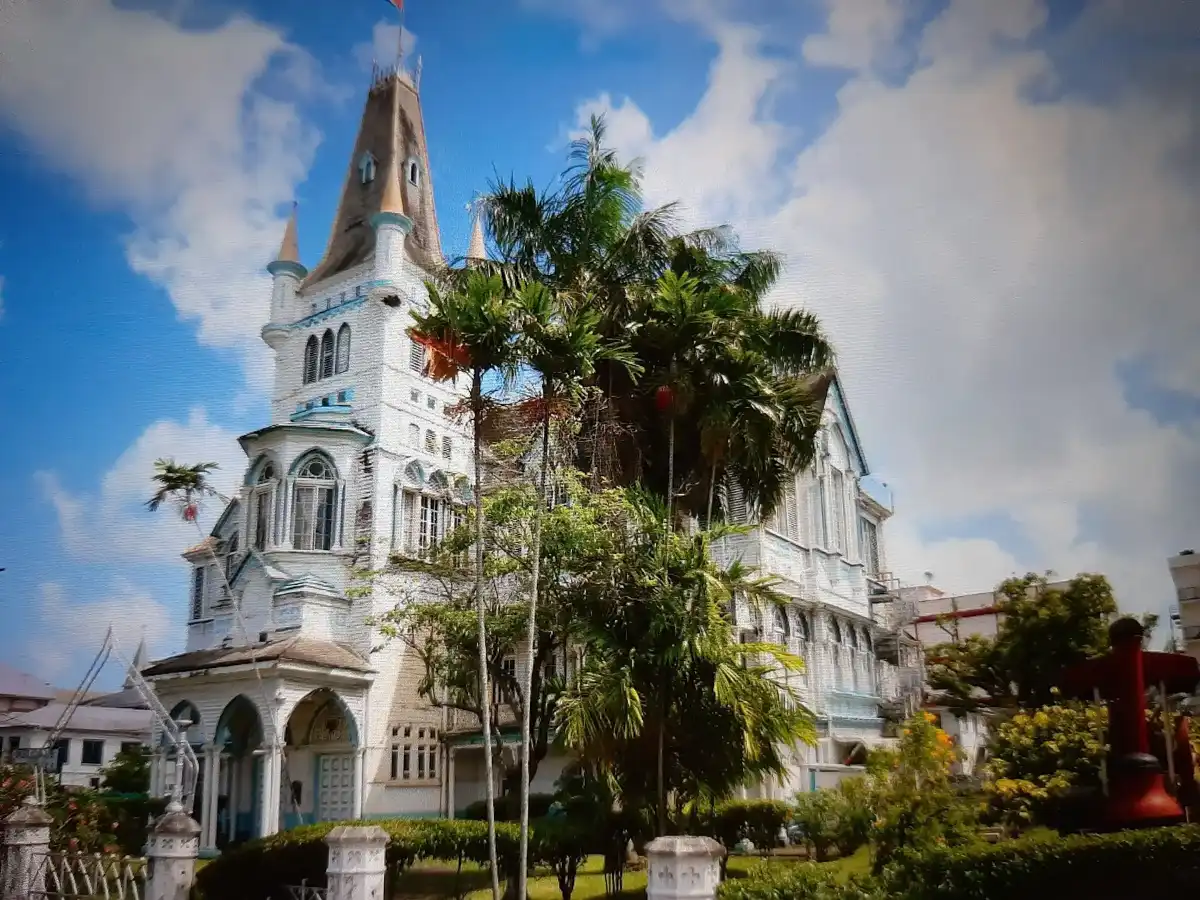
colonial architecture, Stabroek Market, Demerara River, botanical gardens

Experience a city where British-era buildings meet lively markets and riverside neighborhoods, offering insight into Guyana’s layered history and daily urban life.

guyana-city-georgetown
© Google | Abdelmajid Ouazine
Loading the map 🌍

Expert viewInsights from Locals and Experts

Transport Hubs

Guyana’s transport network is a patchwork of options, each with its own quirks. The main hubs are generally in the capital and a few other key cities. Expect to navigate a mix of minibus services, taxis, and the occasional boat ride. Minibuses are the lifeblood of local transport, often packed to the brim and buzzing with chatter. They can be a bit chaotic, but they’re also your best bet for getting a feel for the local pace. Just be prepared for a few unexpected stops along the way—this isn’t a straight shot to your destination.

The trade-off here is time versus immersion. If you’re in a rush, you might miss the vibrant street life that unfolds around you. But if you take the time to hop on a minibus, you’ll soak in the atmosphere, from the scent of street food wafting through … read more 👉

Transport Hubs

Guyana’s transport network is a patchwork of options, each with its own quirks. The main hubs are generally in the capital and a few other key cities. Expect to navigate a mix of minibus services, taxis, and the occasional boat ride. Minibuses are the lifeblood of local transport, often packed to the brim and buzzing with chatter. They can be a bit chaotic, but they’re also your best bet for getting a feel for the local pace. Just be prepared for a few unexpected stops along the way—this isn’t a straight shot to your destination.

The trade-off here is time versus immersion. If you’re in a rush, you might miss the vibrant street life that unfolds around you. But if you take the time to hop on a minibus, you’ll soak in the atmosphere, from the scent of street food wafting through the open windows to the lively banter of fellow passengers.

Urban Pacing

Cities in Guyana have a rhythm all their own. Life moves at a slower pace, which can be refreshing but also frustrating if you’re used to a more frenetic urban environment. Expect to spend a few hours just wandering, absorbing the sights and sounds. The streets are alive with vendors selling everything from fresh fruit to handmade crafts.

However, this leisurely pace comes with a caveat: you’ll need to adjust your expectations. If you’re trying to squeeze in multiple cities in a short time, you might find yourself racing against the clock. Prioritize quality over quantity. Spending a couple of days in one city allows you to connect with locals and truly appreciate the culture, while rushing through might leave you feeling like you’ve only skimmed the surface.

Local Costs

Budgeting in Guyana can be a bit of a balancing act. While some aspects of travel are affordable—like local food and public transport—other costs can add up quickly, especially if you opt for guided tours or more upscale accommodations. Street food is a must-try and won’t break the bank, but if you’re eyeing a more comfortable stay, be prepared to spend a bit more.

The trade-off here is between comfort and authenticity. You can choose to stay in budget lodgings and immerse yourself in the local scene, or you can splurge for a more comfortable experience that might insulate you from the raw energy of the cities. Each choice has its merits, but remember that the heart of Guyana lies in its people and their stories.

Exploring vs. Immersion

When it comes to exploring Guyana, you’ll face the classic dilemma: do you try to see as much as possible, or do you dive deep into fewer places? If you’re keen on visiting multiple cities, you’ll need to plan for long travel times and potential delays. The roads can be rough, and public transport schedules are often more of a suggestion than a rule.

On the flip side, if you choose to focus on just a couple of cities, you’ll have the chance to engage with the local culture more meaningfully. You might find yourself sharing a meal with a family or joining in on a community event. This deeper immersion can be incredibly rewarding, offering insights that a whirlwind tour simply can’t match.

Safety & Cultural Considerations

Safety is a valid concern, especially in urban areas. Stay aware of your surroundings and avoid flaunting valuables. Engaging with locals can enhance your experience, but always approach with respect and openness. Guyanese culture is rich and diverse, and understanding local customs can go a long way in building rapport.

Ultimately, the best approach is to blend exploration with immersion. Take the time to understand the nuances of each city while also allowing for spontaneous adventures. This balance will enrich your experience and leave you with stories that linger long after you’ve left.

✈️ The backpacker research shortcutGuyana Travel Guide

An offline-friendly backpacking guide with optimized travel routes, ranked highlights, transport advice, and the best areas to stay.
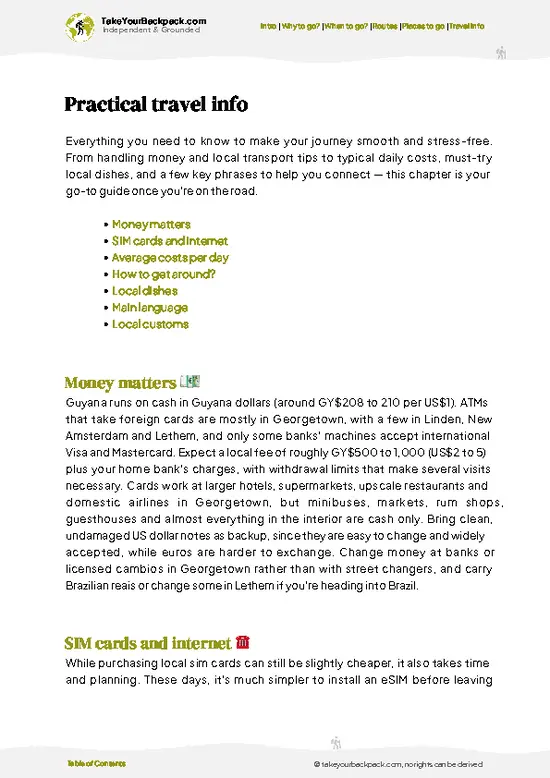
example page 0 from our offline Travel Guide for Guyana
example page 1 from our offline Travel Guide for Guyana
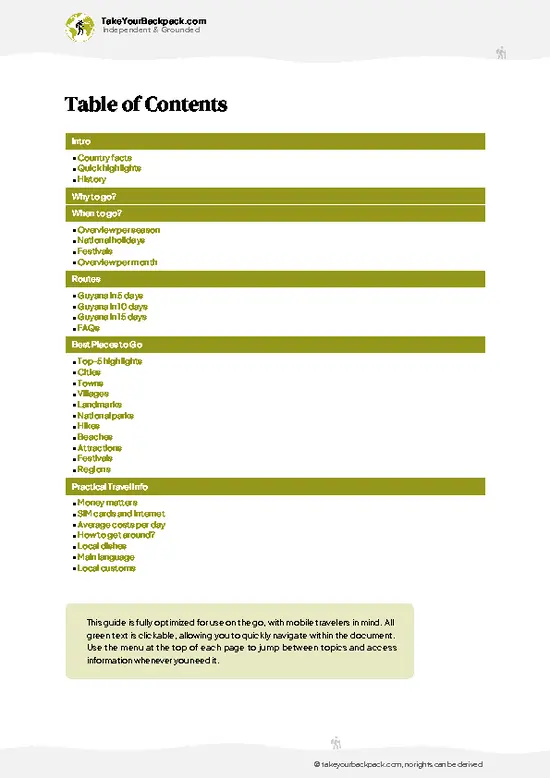
example page 2 from our offline Travel Guide for Guyana
example page 3 from our offline Travel Guide for Guyana
example page 4 from our offline Travel Guide for Guyana
example page 5 from our offline Travel Guide for Guyana
example page 6 from our offline Travel Guide for Guyana
example page 7 from our offline Travel Guide for Guyana
The digital guide (205 pages) contains:
46 highlights, ranked by travel appeal
Optimized 5, 10 & 15-day travel routes
Cities, national parks, landmarks, beaches
How to get around
Offline-friendly for travel without Wi-Fi
👉 Click to see all 30+ guide features

📅 Plan smarter in minutes, not weeks
Month by month travel advice
Festivals & national holidays
Budget expectations

🗺️ Go to the right places, skip the overrated ones
Honest pros & cons of destinations
Top hikes, parks & viewpoints
Lesser-known places most travelers miss
Clear “worth it vs skip it” guidance

🛏️ Travel smoothly without rookie mistakes
Best areas to stay
Transport systems explained simply
Common scams & safety advice
SIM cards, money & practical tips

🌍 Understand the country, not just visit it
Culture & traditions
Local customs
Festivals worth planning around
Traveler-friendly historical context
Insights that make places more meaningful

📱 Built for real travel conditions
Fully downloadable PDF
Works completely offline
Optimized for phone use
Useful in remote areas & buses
Everything in one place
Save weeks of stressful planning
Get instant access to your full guide. 30‑day money-back guarantee.
+ Add another guide for just US$7.80

By proceeding you agree to our terms.
Sent to your inbox immediately after payment • 100% Secure Checkout
Best Backpacking Travel Advisor 2025 tourism awardBest Backpacking
Travel Advisor
2025
What others say about Take Your Backpack Guides:
⭐⭐⭐⭐⭐
Fantastic, amazing amount of information!
⭐⭐⭐⭐⭐
My goodness this is amazing, it's what I've been looking for hats off too you!
⭐⭐⭐⭐⭐
I think this is absolutely BRILLIANT
⭐⭐⭐⭐
Very complete and informative. It's still missing places, but I gotta to commend you
⭐⭐⭐⭐⭐
This is truly amazing, thank you, can't wait to explore it with my kids!
⭐⭐⭐⭐⭐
Awesome resource, thank you!
⭐⭐⭐⭐⭐
This is amazing! Can't wait to explore the ones I haven't seen
⭐⭐⭐⭐
I love this! Well done, great idea.
⭐⭐⭐⭐⭐
Thanks for taking the time to make this gem!
⭐⭐⭐⭐⭐
This might be the best website I've ever seen.
⭐⭐⭐⭐⭐
Congratulations, and thank you so much for your work; it's incredibly valuable.
⭐⭐⭐⭐
In all seriousness I think you did a great job pointing out the important spots
⭐⭐⭐⭐⭐
10/10 very good
⭐⭐⭐⭐⭐
As someone who's only just starting to visit regularly this is awesome, thank you.
⭐⭐⭐⭐
Thank you very much! I'm going to visit my dad, it's going to be very useful!
⭐⭐⭐⭐⭐
This is really cool! We'll be travelling for the first time and this definitely come in handy.
⭐⭐⭐⭐⭐
You are now our minister of culture, congratulations 👨‍💼
⭐⭐⭐⭐⭐
Just wanted to tell you that this is a pearl! Going to follow your recommendations.
⭐⭐⭐⭐⭐
This is so cool. I'll definitely be using the resource for my travels soon.
⭐⭐⭐⭐⭐
This is very impressive! Good work.
⭐⭐⭐⭐⭐
This is an amazing and informative site. Very well done!

🛏️ Where to stay?Best Places to Stay in Guyana

Yes, budget hostels and guesthouses exist in Guyana, but they are concentrated in a few towns rather than spread across the country.
Most options are in Georgetown—especially the city center (Stabroek) and nearby residential pockets (Queenstown/Bourda): Stabroek puts you by markets, transport and the limited nightlife but is noisy and less safe after dark; Queenstown/Bourda are quieter and closer to Botanic Gardens and museums, though they have fewer beds and higher demand.
Regional hubs like Lethem (Rupununi), Bartica and New Amsterdam offer simple guesthouses and ranch-style stays—Lethem is the practical base for savannah trips with rustic amenities and scarce services, Bartica is the … read more 👉
Yes, budget hostels and guesthouses exist in Guyana, but they are concentrated in a few towns rather than spread across the country.
Most options are in Georgetown—especially the city center (Stabroek) and nearby residential pockets (Queenstown/Bourda): Stabroek puts you by markets, transport and the limited nightlife but is noisy and less safe after dark; Queenstown/Bourda are quieter and closer to Botanic Gardens and museums, though they have fewer beds and higher demand.
Regional hubs like Lethem (Rupununi), Bartica and New Amsterdam offer simple guesthouses and ranch-style stays—Lethem is the practical base for savannah trips with rustic amenities and scarce services, Bartica is the river/boat gateway with quiet nights and seasonal supply constraints, and New Amsterdam provides a few budget options near ferry links but overall limited choice.

If you enjoy meeting fellow travelers, consider choosing hostels with high ratings for atmosphere. On the other hand, if you prefer having your own space, a hotel might be a better option.

GuyanaExplore Guyana

👋 Meet the founderWho’s Behind Take Your Backpack?

Johan, backpacker and founder of TakeYourBackpackHi, I’m Johan (Netherlands 🇳🇱), the creator of TakeYourBackpack. Over the past decade, I’ve backpacked through 80+ countries across six continents, gaining extensive experience with independent travel, long-term trips, and overland routes.

This site is built on a combination of firsthand travel experience and carefully curated insights from other backpackers. Many guides are based on places I’ve personally visited, while others bring together tips, observations, and practical advice shared by trusted travelers I’ve met along the way.

The goal is to provide realistic, experience-driven guidance — not generic itineraries — so you can explore destinations with better context, clearer expectations, and more confidence.

Get full Guyana guide •
Instant download • 46 highlights • Full Offline guide