×

Hungary🇭🇺 | best festivalsYour Guide to the 10 Best festivals in Hungary

Festivals in Hungary run on wood smoke, paprika and brass bands, and the mood shifts sharply by region. Budapest and Lake Balaton pull big-name music crowds, with stages on an island or a lakeshore, long queues at the beer taps and tickets that climb past typical Central European prices. Out east, around Eger, Tokaj and the Great Plain, the air smells of cellar mold and grilled sausage, and events are smaller, cheaper and tied to wine, folk dance and harvest. Trains reach most hubs, but village events often need a local bus or a taxi. Independent travelers can mix both in one trip, but expect dust, heat and late nights.

By Johan Kruseman 🇳🇱 | Updated October 19, 2026
Explore the best regions in Hungary

Why go?Key Factors That Shape the Experience

Hungary suits festivals because of its compact size, central location and deep folk and wine traditions. Most of the country is flat or gently rolling, so you can cross it in a few hours by rail, and Budapest sits at the hub of the network. Rural life still runs on village fairs, harvest rituals and brass and fiddle music, and these survive in towns where a hand-painted sign and a cauldron of stew are the whole production. Meanwhile, the capital’s ruin bars and river islands gave rise to a strong modern music scene that draws visitors from across Europe. Summers are hot and dry, which means long evenings outdoors, dusty fields and stages lit well after 9 p.m. Know before you choose Hungary: the big events sell out early, accommodation near the lake and the wine regions fills quickly, and English … read more 👉
Hungary suits festivals because of its compact size, central location and deep folk and wine traditions. Most of the country is flat or gently rolling, so you can cross it in a few hours by rail, and Budapest sits at the hub of the network. Rural life still runs on village fairs, harvest rituals and brass and fiddle music, and these survive in towns where a hand-painted sign and a cauldron of stew are the whole production. Meanwhile, the capital’s ruin bars and river islands gave rise to a strong modern music scene that draws visitors from across Europe. Summers are hot and dry, which means long evenings outdoors, dusty fields and stages lit well after 9 p.m. Know before you choose Hungary: the big events sell out early, accommodation near the lake and the wine regions fills quickly, and English is common in Budapest but thin in villages. Cash in forint is useful at small stalls, as some still refuse cards. Prices are lower than in Western Europe, though festival food and drink have crept up. Hungarian is unlike its neighbors’ languages, so a few phrases earn real warmth.
Why These Made the Cut
The list of best festivals in Hungary is created based on energy, traditions, crowd experience, activities, and overall excitement. If you feel a festival is missing in this list, please let us know.

When to go?Optimal Periods for Travel

Best months for festivals: The best months for festivals in Hungary are June to September, when daytime highs sit around 24 to 30°C and open-air stages run into the late evening. July and August can push past 35°C, with sun-baked fields, cracked dust and thunderstorms that arrive fast and soak everything. Rainfall averages roughly 50 to 70 mm a month in summer, mostly in short, heavy bursts.
Shoulder seasons: May and late September to October bring 15 to 22°C, softer light and far fewer people. Autumn is the season for wine and harvest events in Eger, Tokaj and the Balaton hills, when cellars smell of must and the vines turn copper. Spring brings cooler nights, sometimes under 8°C, so pack a layer.
Peak periods and prices: Peak weeks in July and August push lakeside and Budapest accommodation … read more 👉
Best months for festivals: The best months for festivals in Hungary are June to September, when daytime highs sit around 24 to 30°C and open-air stages run into the late evening. July and August can push past 35°C, with sun-baked fields, cracked dust and thunderstorms that arrive fast and soak everything. Rainfall averages roughly 50 to 70 mm a month in summer, mostly in short, heavy bursts.
Shoulder seasons: May and late September to October bring 15 to 22°C, softer light and far fewer people. Autumn is the season for wine and harvest events in Eger, Tokaj and the Balaton hills, when cellars smell of must and the vines turn copper. Spring brings cooler nights, sometimes under 8°C, so pack a layer.
Peak periods and prices: Peak weeks in July and August push lakeside and Budapest accommodation up by roughly 30 to 60 percent, and dorm beds that cost US$15 to 20 off-season can reach US$30 to 40. Book several months ahead for those weeks. From November to March, outdoor events are rare, days are gray and temperatures hover around 0°C, though Advent markets and indoor winter events keep Budapest lively.

festival hoppingTips for Visiting Multiple Destinations

How long to allow: A trip combining several festivals in Hungary needs 7 to 14 days, which gives you room for travel, recovery and a buffer. The country is small, so distance rarely is the problem. Fatigue is.
Grouping regions: Start in Budapest, the rail hub, then work outward. The Balaton shore sits about 1.5 to 2.5 hours away by train or bus, depending on the town. Eger and Tokaj lie northeast, roughly 2 to 3 hours from the capital. Pécs in the south takes about 3 to 4 hours. A loop from Budapest to Balaton, then south or east and back is simple, and each stop deserves 2 to 3 nights, since festival days end late and mornings start slowly.
Planning mistakes: The most common error is stacking events on consecutive days across regions. After a night of dancing in a muddy field, a 3-hour train … read more 👉
How long to allow: A trip combining several festivals in Hungary needs 7 to 14 days, which gives you room for travel, recovery and a buffer. The country is small, so distance rarely is the problem. Fatigue is.
Grouping regions: Start in Budapest, the rail hub, then work outward. The Balaton shore sits about 1.5 to 2.5 hours away by train or bus, depending on the town. Eger and Tokaj lie northeast, roughly 2 to 3 hours from the capital. Pécs in the south takes about 3 to 4 hours. A loop from Budapest to Balaton, then south or east and back is simple, and each stop deserves 2 to 3 nights, since festival days end late and mornings start slowly.
Planning mistakes: The most common error is stacking events on consecutive days across regions. After a night of dancing in a muddy field, a 3-hour train feels longer in the heat. Leave a free day between big events. Another is skipping accommodation bookings near small-town events, where beds vanish and the nearest options may be 30 minutes away. Book early and check the last bus, because rural services can end by early evening. Finally, do not rely on one rail pass day to cover everything. Buy tickets for each leg, and check the schedule at Budapest’s stations the day before.

The ListHighly Recommended festivals of Hungary

1 Sziget Festival

island location, international headliners, diverse stages, week-long event

Spend days and nights on an island in the Danube, moving between concerts, art zones, and pop-up parties from across the globe.

2 Balaton Sound

Lake Balaton, electronic music, beach stages, all-night parties

Join crowds on sandy shores for open-air sets, swim breaks, and a festival atmosphere that stretches from afternoon sun to sunrise.

3 Ozora Festival

psytrance, immersive installations, countryside camping, alternative culture

Immerse yourself in a week of electronic music, visionary art, and communal living on rolling farmland outside Budapest.

4 Budapest Wine Festival

castle terraces, regional wineries, tasting pavilions, panoramic views

Sample Hungarian wines in the courtyards of Buda Castle, with tastings, local food, and city views from the ramparts.

5 Budapest Spring Festival

classical concerts, dance performances, citywide venues, cultural showcase

Attend orchestral concerts, ballet, and jazz in historic halls and modern spaces as Budapest marks the arrival of spring with the arts.

6 VOLT Festival

Sopron forest, rock and pop, open-air concerts, youth crowds

Join festivalgoers in a wooded park for live bands, late-night sets, and a lively atmosphere near the Austrian border.

7 Busójárás

masked processions, folk rituals, Mohács, winter farewell

Experience costumed parades and traditional noise-making as locals drive out winter with centuries-old customs and communal celebrations.

8 Debrecen Flower Carnival

floral floats, city parade, August tradition, open-air performances

See intricate flower displays parade through Debrecen, with music, dance, and street festivities marking Hungary’s national holiday.

9 Művészetek Völgye

village venues, workshops, local crafts, multidisciplinary performances

Wander between rural stages and barns, discovering music, theater, and hands-on art in a festival that transforms quiet villages.

10 Szeged Open-Air Festival

outdoor theater, riverbank stage, classic plays, summer evenings

Settle into open-air seats along the Tisza River for large-scale productions and operas performed under the night sky.

11 Bánkitó Festival

lakeside camping, indie music, social themes, art installations

Camp by a forest lake, catch emerging bands, and join discussions on current issues in a relaxed, creative setting.

12 Budapest International Documentary Festival

cinema screenings, filmmaker talks, global issues, city venues

Watch thought-provoking documentaries and engage with directors in Budapest’s cinemas, focusing on real stories and contemporary debates.

13 Budapest International Book Festival

author readings, literary awards, publishers, book signings

Browse new releases, meet writers from around the world, and attend talks in a festival dedicated to literature and ideas.

14 Budapest International Circus Festival

acrobatic acts, global troupes, circus arts, grand arena

Watch world-class performers push physical limits in a showcase of contemporary and classic circus skills under the big top.

Think you know Hungary?

Prove you’re a true local — uncover 4 lesser-known festivals in Hungary that locals tend to keep to themselves.
Loading the map 🌍

Expert viewWhat You Should Know

How many to visit: I would advise two to four festivals in a single trip. Fewer leaves you wishing for variety, while more means you spend your days in transit and recovering. Two gives a balance of one big music event and one smaller local gathering, and four is the ceiling before the heat, late nights and bills wear you down.
Choosing your kind of festival: If you travel for music and nightlife, put a large summer event first, accept the crowds and plan for dusty fields and queues for food. If you want culture and conversation, go for folk, craft or wine gatherings in smaller towns, where you eat from a ladle, drink from a clay cup and meet locals who will happily pour you another. On a tight budget, choose village and harvest events, where entry is often free or just a few dollars. The hard … read more 👉
How many to visit: I would advise two to four festivals in a single trip. Fewer leaves you wishing for variety, while more means you spend your days in transit and recovering. Two gives a balance of one big music event and one smaller local gathering, and four is the ceiling before the heat, late nights and bills wear you down.
Choosing your kind of festival: If you travel for music and nightlife, put a large summer event first, accept the crowds and plan for dusty fields and queues for food. If you want culture and conversation, go for folk, craft or wine gatherings in smaller towns, where you eat from a ladle, drink from a clay cup and meet locals who will happily pour you another. On a tight budget, choose village and harvest events, where entry is often free or just a few dollars. The hard part is access. Rural events may require a taxi or a long walk, so pack a headlamp and sturdy shoes.
What it costs: Expect US$40 to 70 a day in the big festival weeks, covering a dorm bed or camping, food and a few drinks. Off-peak or small events can come in at US$25 to 40. Big music tickets run roughly US$80 to 250 for multi-day passes, with camping extra at around US$15 to 40. Small events are often free to US$10. Local transport, such as a bus or shuttle, adds US$3 to 15 per leg, and a taxi from a rural station might be US$15 to 30. Beer at a festival costs around US$3 to 5, and a plate of grilled meat US$7 to 12. Keep some forint in cash, as some stalls take no cards.
Safety and etiquette: Festivals here are generally safe, but crowded sites attract pickpockets, so carry your phone and wallet in a front pocket. Drink water constantly in July and August, because heat exhaustion arrives faster than you expect and sunscreen runs out early. At wine events, spittoons exist for a reason, and cellar pours are generous. Never drive after drinking, as the legal limit is zero. Clapping along with folk dance is welcome, but joining a circle means following the lead. Always ask before photographing performers in traditional dress. A few Hungarian words, such as “köszönöm” for thank you, change the tone of any exchange.

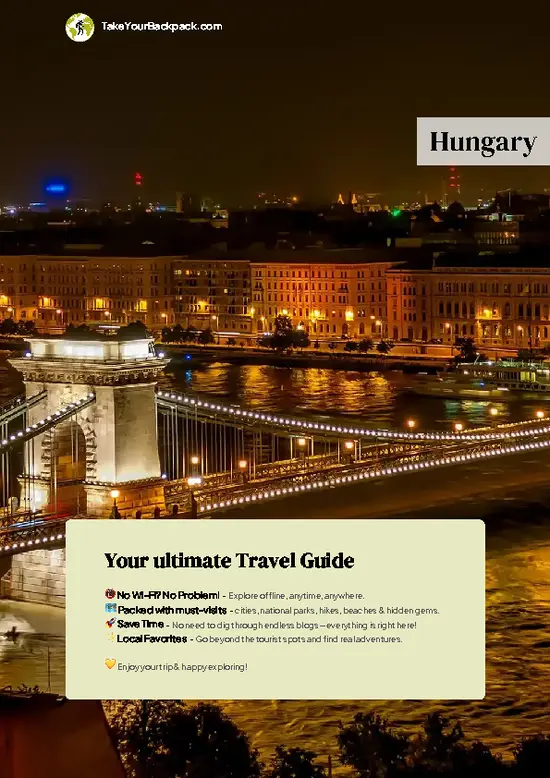
✈️ The backpacker research shortcutHungary Travel Guide

An offline-friendly backpacking guide with optimized travel routes, ranked highlights, transport advice, and the best areas to stay.
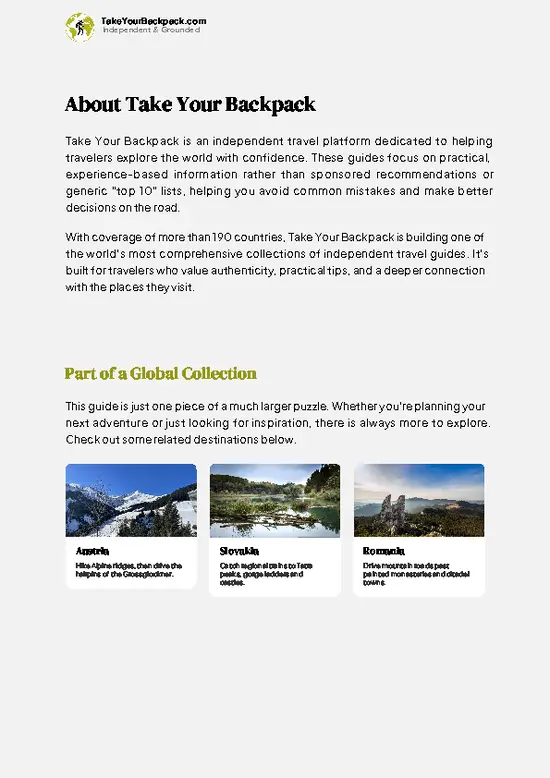
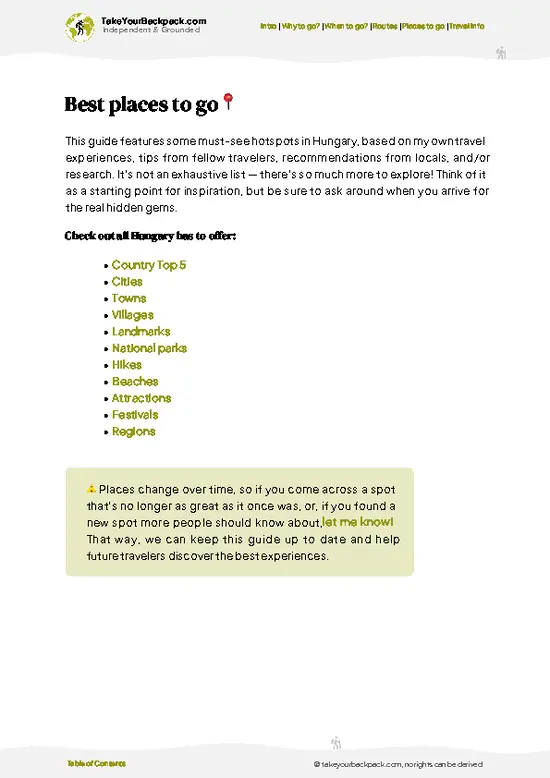
example page 0 from our offline Travel Guide for Hungary
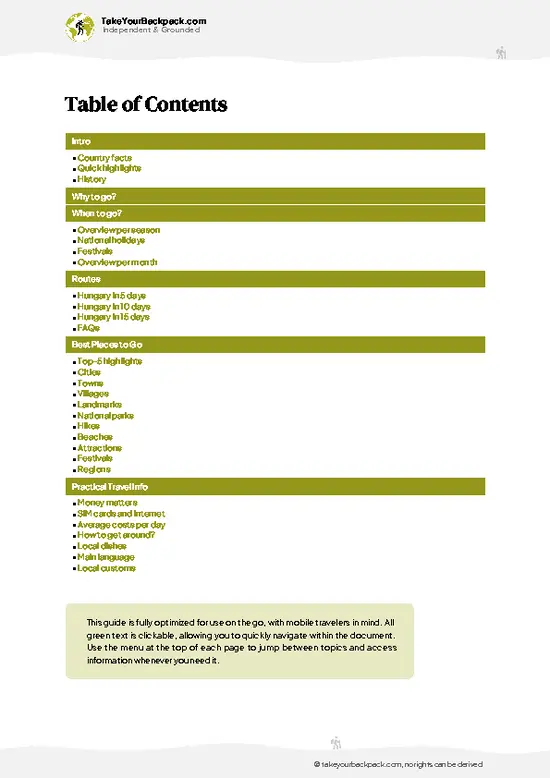
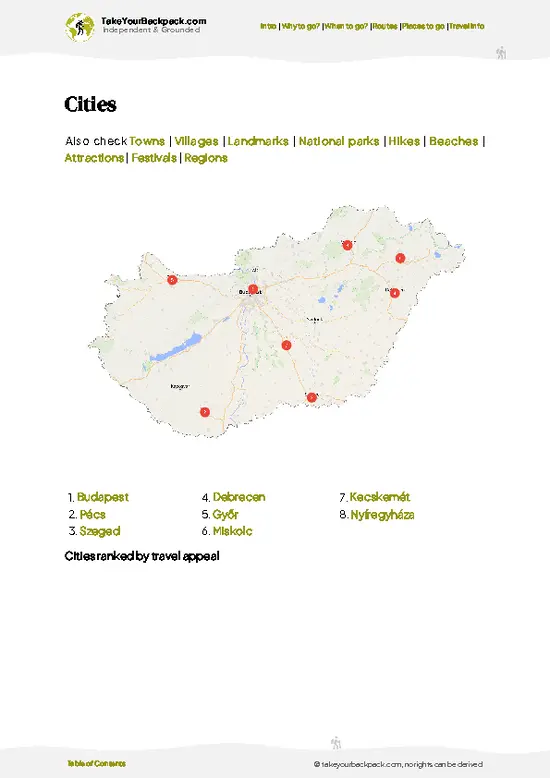
example page 1 from our offline Travel Guide for Hungary
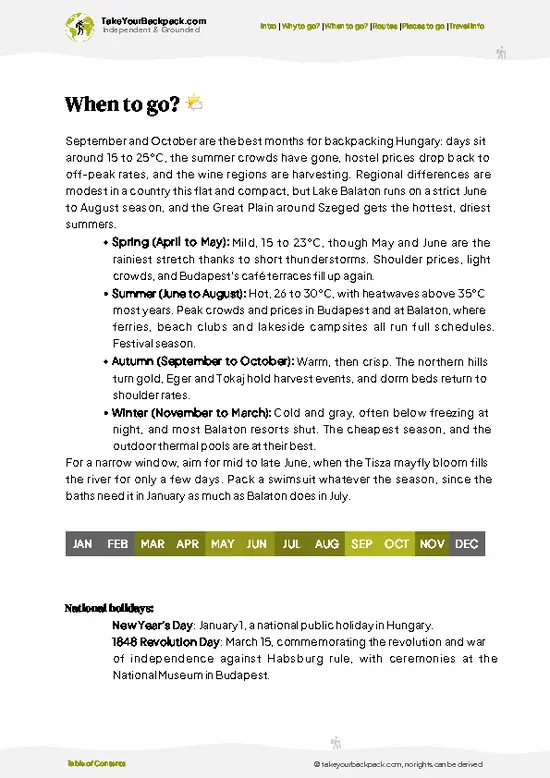
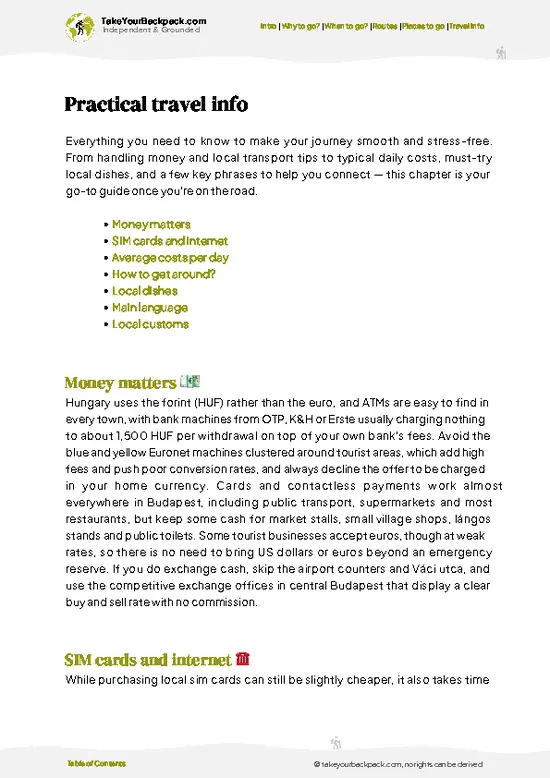
example page 2 from our offline Travel Guide for Hungary
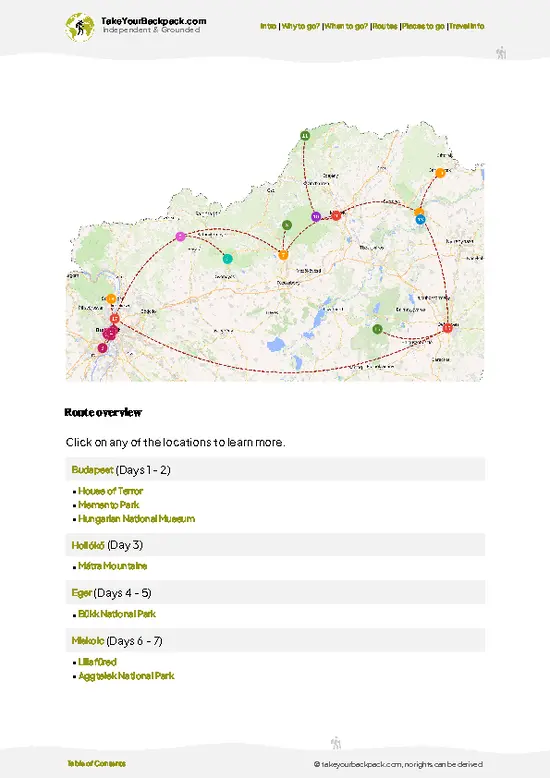
example page 3 from our offline Travel Guide for Hungary
example page 4 from our offline Travel Guide for Hungary
example page 5 from our offline Travel Guide for Hungary
example page 6 from our offline Travel Guide for Hungary
example page 7 from our offline Travel Guide for Hungary
The digital guide (334 pages) contains:
✅ 86 highlights, ranked by travel appeal
✅ Optimized 5, 10 & 15-day travel routes
✅ Cities, national parks, landmarks, beaches
✅ How to get around
✅ Offline-friendly for travel without Wi-Fi
👉 Click to see all 30+ guide features

📅 Plan smarter in minutes, not weeks
✅ Month by month travel advice
✅ Festivals & national holidays
✅ Budget expectations

🗺️ Go to the right places, skip the overrated ones
✅ Honest pros & cons of destinations
✅ Top hikes, parks & viewpoints
✅ Lesser-known places most travelers miss
✅ Clear “worth it vs skip it” guidance

🛏️ Travel smoothly without rookie mistakes
✅ Best areas to stay
✅ Transport systems explained simply
✅ Common scams & safety advice
✅ SIM cards, money & practical tips

🌍 Understand the country, not just visit it
✅ Culture & traditions
✅ 52 Essential phrases & customs
✅ Festivals worth planning around
✅ Traveler-friendly historical context
✅ Insights that make places more meaningful

📱 Built for real travel conditions
✅ Fully downloadable PDF
✅ Works completely offline
✅ Optimized for phone use
✅ Useful in remote areas & buses
✅ Everything in one place
Stop searching, start planning
Get instant access to your full guide. 30‑day money-back guarantee.
+ Add another guide for just

By proceeding you agree to our terms.
Sent to your inbox immediately after payment • 100% Secure Checkout
Best Backpacking Travel Advisor 2025 tourism awardBest Backpacking
Travel Advisor
2025
What others say about Take Your Backpack Guides:
⭐⭐⭐⭐⭐
Fantastic, amazing amount of information!
⭐⭐⭐⭐⭐
My goodness this is amazing, it's what I've been looking for hats off too you!
⭐⭐⭐⭐⭐
I think this is absolutely BRILLIANT
⭐⭐⭐⭐
Very complete and informative. It's still missing places, but I gotta to commend you
⭐⭐⭐⭐⭐
This is truly amazing, thank you, can't wait to explore it with my kids!
⭐⭐⭐⭐⭐
Awesome resource, thank you!
⭐⭐⭐⭐⭐
This is amazing! Can't wait to explore the ones I haven't seen
⭐⭐⭐⭐
I love this! Well done, great idea.
⭐⭐⭐⭐⭐
Thanks for taking the time to make this gem!
⭐⭐⭐⭐⭐
This might be the best website I've ever seen.
⭐⭐⭐⭐⭐
Congratulations, and thank you so much for your work; it's incredibly valuable.
⭐⭐⭐⭐
In all seriousness I think you did a great job pointing out the important spots
⭐⭐⭐⭐⭐
10/10 very good
⭐⭐⭐⭐⭐
As someone who's only just starting to visit regularly this is awesome, thank you.
⭐⭐⭐⭐
Thank you very much! I'm going to visit my dad, it's going to be very useful!
⭐⭐⭐⭐⭐
This is really cool! We'll be travelling for the first time and this definitely come in handy.
⭐⭐⭐⭐⭐
You are now our minister of culture, congratulations 👨‍💼
⭐⭐⭐⭐⭐
Just wanted to tell you that this is a pearl! Going to follow your recommendations.
⭐⭐⭐⭐⭐
This is so cool. I'll definitely be using the resource for my travels soon.
⭐⭐⭐⭐⭐
This is very impressive! Good work.
⭐⭐⭐⭐⭐
This is an amazing and informative site. Very well done!

🛏️ Where to stay?Where to Stay: Hungary Edition

Hungary has plenty of hostels and budget guesthouses, with dorm beds in Budapest typically running about 5,000 to 10,000 HUF (US$14 to 28) a night and private rooms starting around 15,000 HUF (US$42). The densest cluster sits in Erzsébetváros (District VII, the old Jewish Quarter), which puts you steps from the ruin bars and a short walk from most sights, though weekend noise can run past 3 am; Terézváros (District VI) along Andrássy út is nearly as central and a bit calmer. Belváros (District V) gets you closest to the river and Parliament at higher prices, while the inner Palace District of Józsefváros (District VIII) is cheaper and quieter, with streets that feel rougher the farther you go … read more 👉
Hungary has plenty of hostels and budget guesthouses, with dorm beds in Budapest typically running about 5,000 to 10,000 HUF (US$14 to 28) a night and private rooms starting around 15,000 HUF (US$42). The densest cluster sits in Erzsébetváros (District VII, the old Jewish Quarter), which puts you steps from the ruin bars and a short walk from most sights, though weekend noise can run past 3 am; Terézváros (District VI) along Andrássy út is nearly as central and a bit calmer. Belváros (District V) gets you closest to the river and Parliament at higher prices, while the inner Palace District of Józsefváros (District VIII) is cheaper and quieter, with streets that feel rougher the farther you go from the Museum Boulevard ring.

If you enjoy meeting fellow travelers, consider choosing hostels with high ratings for atmosphere. On the other hand, if you prefer having your own space, a hotel might be a better option.

HungaryExplore Beyond This Category

👋 Meet the founderWho’s Behind Take Your Backpack?

Johan, backpacker and founder of TakeYourBackpackHi, I’m Johan (Netherlands 🇳🇱), the creator of TakeYourBackpack. Over the past 3 decades, I’ve backpacked through 90+ countries across six continents, gaining extensive experience with independent travel, long-term trips, and overland routes.

This site is built on a combination of firsthand travel experience and carefully curated insights from other backpackers. Many guides are based on places I’ve personally visited, while others bring together tips, observations, and practical advice shared by trusted travelers I’ve met along the way.

The goal is to provide realistic, experience-driven guidance — not generic itineraries — so you can explore destinations with better context, clearer expectations, and more confidence.