×

Hungary🇭🇺 | best national parksYour Guide to the 10 Best national parks in Hungary

Hungary’s national parks offer a diverse tapestry of landscapes, from the rolling hills of the Bükk to the serene wetlands of Kiskunság. Each park has its own character, shaped by regional climate and wildlife. For backpackers, this means choosing wisely: some parks are ideal for leisurely hikes, while others demand a more rugged approach.

In Aggtelek, limestone caves beckon adventurers, while Hortobágy showcases vast plains teeming with birdlife. Seasonal variations affect accessibility and budget; summer crowds can inflate costs, while spring and fall offer quieter trails and vibrant flora. Your choice of park will dictate not just the pace of exploration, but also the depth of cultural immersion and safety considerations.

By Johan Kruseman 🇳🇱 | Updated September 5, 2026
Explore the best hikes in Hungary

Why go?Key Factors That Shape the Experience

Hungary’s national parks stand out for their diverse landscapes and rich biodiversity, offering a unique blend of experiences that differ from those found in larger countries. The geographic variety ranges from the rolling hills of the Bükk Mountains to the expansive wetlands of the Kiskunság, each ecosystem hosting a distinct array of flora and fauna. This diversity is not just visually striking; it also provides critical habitats for many species, some of which are rare or endangered.

However, accessibility can be a double-edged sword. While many parks are within a few hours of major cities, the infrastructure may not always support deep exploration. Visitors might find well-trodden paths crowded, especially during peak seasons. This can detract from the immersive experience that Hungary’s … read more 👉
Hungary’s national parks stand out for their diverse landscapes and rich biodiversity, offering a unique blend of experiences that differ from those found in larger countries. The geographic variety ranges from the rolling hills of the Bükk Mountains to the expansive wetlands of the Kiskunság, each ecosystem hosting a distinct array of flora and fauna. This diversity is not just visually striking; it also provides critical habitats for many species, some of which are rare or endangered.

However, accessibility can be a double-edged sword. While many parks are within a few hours of major cities, the infrastructure may not always support deep exploration. Visitors might find well-trodden paths crowded, especially during peak seasons. This can detract from the immersive experience that Hungary’s natural beauty promises. The trade-off often lies in the choice between convenience and a more profound connection to the landscape.

Culturally, Hungary’s parks are steeped in history, with ancient ruins and traditional farming practices interwoven into the scenery. The climatic conditions also play a role; the temperate climate allows for year-round exploration, but seasonal changes can significantly alter the experience. Understanding these nuances is essential for travelers seeking to appreciate the true essence of Hungary’s national parks.
Behind the Scenes of Selection
The list of best national parks in Hungary is created based on landscapes, wildlife, adventure opportunities, facilities, and overall experience. If you feel a national park is missing in this list, please let us know.

When to go?Optimal Periods for Travel

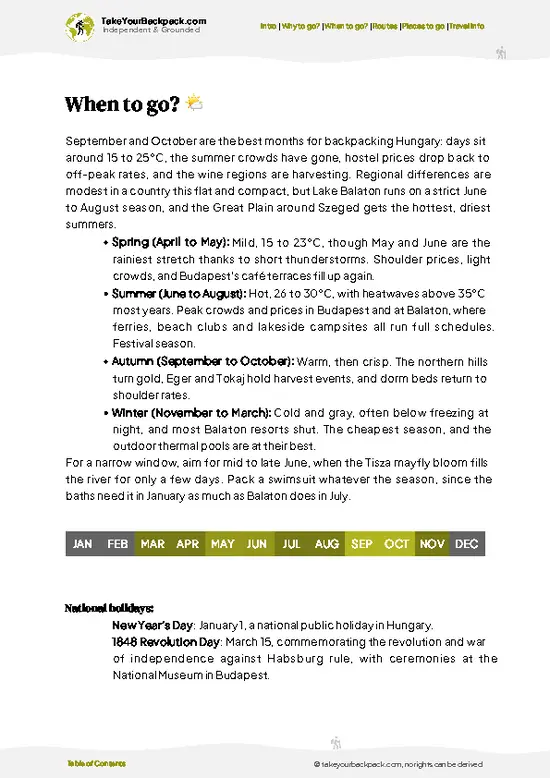
Spring brings a burst of life to Hungary’s national parks. As temperatures rise, wildlife becomes more active. Birds return, and the air fills with the scent of blooming flowers. However, expect occasional rain. Trails can be muddy, but the vibrant greenery makes it worthwhile. This season is ideal for those who appreciate fresh beginnings and fewer crowds.

Summer is peak season. The trails are busy, and temperatures can soar. While the scenery is at its most lush, the heat may deter some wildlife. Early mornings or late afternoons offer the best chances for sightings. Be prepared for higher costs, as accommodations fill quickly. The atmosphere buzzes with energy, but the trade-off is navigating crowded paths.

Autumn offers stunning foliage. The changing leaves create a warm palette, and … read more 👉
Spring brings a burst of life to Hungary’s national parks. As temperatures rise, wildlife becomes more active. Birds return, and the air fills with the scent of blooming flowers. However, expect occasional rain. Trails can be muddy, but the vibrant greenery makes it worthwhile. This season is ideal for those who appreciate fresh beginnings and fewer crowds.

Summer is peak season. The trails are busy, and temperatures can soar. While the scenery is at its most lush, the heat may deter some wildlife. Early mornings or late afternoons offer the best chances for sightings. Be prepared for higher costs, as accommodations fill quickly. The atmosphere buzzes with energy, but the trade-off is navigating crowded paths.

Autumn offers stunning foliage. The changing leaves create a warm palette, and temperatures are mild. Wildlife is still visible, preparing for winter. This shoulder season sees fewer visitors, making it easier to connect with nature. However, as the days shorten, plan hikes accordingly to avoid early darkness.

Winter transforms the parks into a quiet wonderland. Snow blankets the landscape, creating a serene atmosphere. Wildlife is less visible, but the stark beauty of the season has its own charm. Trails can be icy, requiring careful navigation. This season is for those seeking solitude and a different perspective on Hungary’s natural beauty.

national park hoppingTips for Visiting Multiple Destinations

General Routing Logic

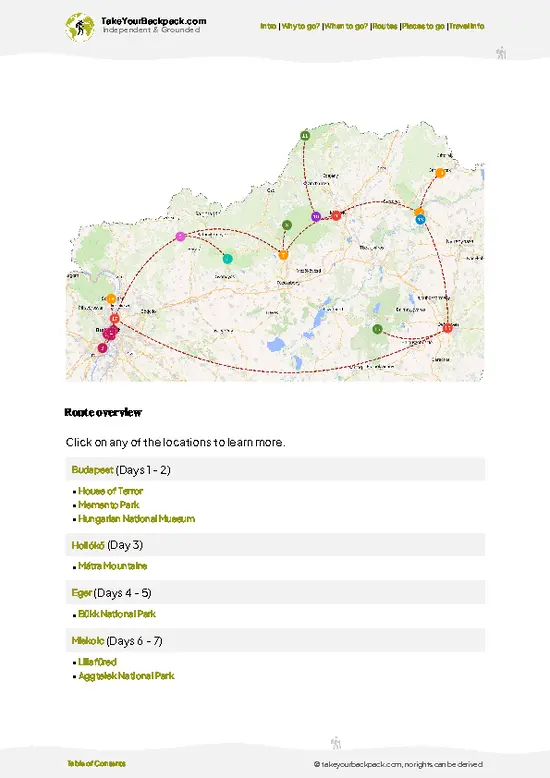
Hungary’s national parks are clustered in distinct regions, making it easier to plan a route that minimizes travel time. Start in the northwest with Őrség National Park, known for its rolling hills and traditional villages. From there, head southeast to Balaton-felvidéki National Park, where the vineyards and lake views provide a refreshing contrast.

Typical Time Needed

Allocate at least a full day for each park to soak in the atmosphere and explore the trails. If time is tight, consider half days for parks with less extensive trail systems. This pacing allows for a deeper connection without feeling rushed.

Common Planning Mistakes

Travelers often underestimate the distances between parks. Hungary may seem small, but winding roads can slow progress. Avoid cramming … read more 👉

General Routing Logic

Hungary’s national parks are clustered in distinct regions, making it easier to plan a route that minimizes travel time. Start in the northwest with Őrség National Park, known for its rolling hills and traditional villages. From there, head southeast to Balaton-felvidéki National Park, where the vineyards and lake views provide a refreshing contrast.

Typical Time Needed

Allocate at least a full day for each park to soak in the atmosphere and explore the trails. If time is tight, consider half days for parks with less extensive trail systems. This pacing allows for a deeper connection without feeling rushed.

Common Planning Mistakes

Travelers often underestimate the distances between parks. Hungary may seem small, but winding roads can slow progress. Avoid cramming too many parks into a short timeframe; this leads to fatigue and missed experiences.

Trade-offs and Constraints

Balancing speed with depth is crucial. Quick visits can feel superficial, while longer stays allow for immersion. Budget considerations also play a role; some parks have entry fees or guided tours that can add up. Prioritize comfort and flexibility in planning to adapt to weather or personal energy levels. Embrace the journey, as the real magic often lies in the unexpected moments along the way.

The ListHighly Recommended national parks of Hungary

1 Hortobágy National Park

open steppe, traditional herding, alkaline ponds

Experience vast grasslands dotted with grazing livestock, where ancient herding traditions and birdlife define the endless horizon.

hungary-national-park-hortobagy-national-park v1
© Google |

2 Aggtelek National Park

stalactite caves, karst plateaus, underground rivers

Venture into vast cave systems and hike above ground on limestone plateaus, where subterranean rivers shape a unique landscape.

3 Bükk National Park

highland plateaus, beech woods, sinkhole meadows

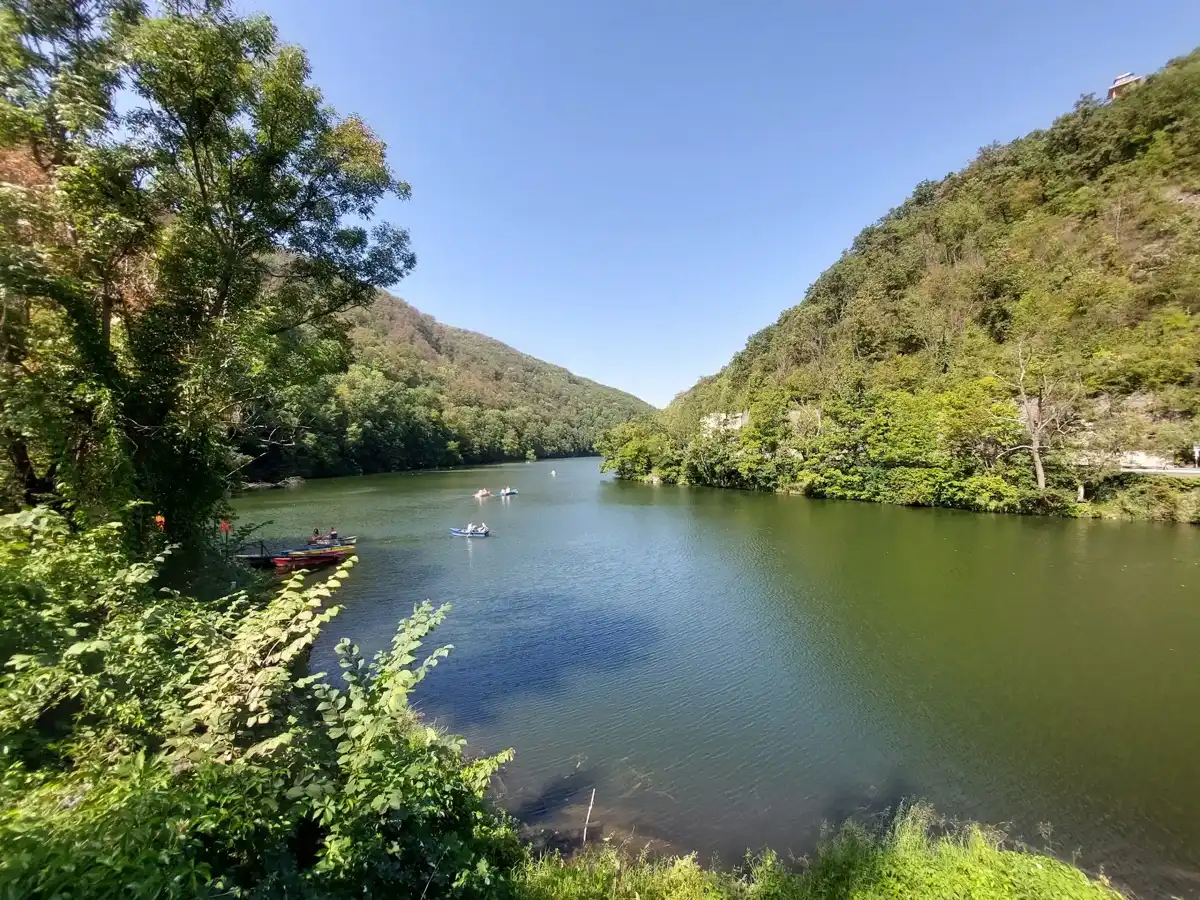
Roam expansive uplands and deep beech forests, discovering hidden sinkholes and panoramic views across northern Hungary.

hungary-national-park-bukk-national-park
© Google | Éva L.

4 Balaton Uplands National Park

basalt hills, lavender fields, vineyard slopes

Follow trails over rolling hills and through vineyards, discovering basalt outcrops, quiet lakes, and the scent of summer lavender.

5 Danube-Ipoly National Park

river bends, floodplain meadows, forested hills

Cycle or hike along the Danube’s curves, where meadows and wooded hills offer a mix of wildlife and scenic river vistas.

hungary-national-park-danube-ipoly-national-park
© Google | Ilona Vajda

6 Duna-Dráva National Park

floodplain forests, oxbow lakes, river islands

Paddle or cycle along winding river channels, where shifting sandbanks and wetlands shelter rare birds and elusive otters.

7 Fertő-Hanság National Park

reed marshes, saline lakes, stork colonies

Explore a landscape of marshes and salt lakes, where storks nest and migratory birds gather in the open steppe.

hungary-national-park-ferto-hansag-national-park v1
© Google |

8 Őrség National Park

meadow mosaics, folk architecture, craft villages

Wander among scattered hamlets and wildflower meadows, where traditional wooden houses and local crafts shape the rural landscape.

hungary-national-park-orseg-national-park
© Google |

9 Kiskunság National Park

sand dunes, soda lakes, mosaic wetlands

Cross shifting sand dunes and shallow lakes, observing rare waterbirds and the patchwork of wetlands that shape this central plain.

10 Zemplén Mountains Nature Park

castle ruins, volcanic peaks, dense beech forests

Hike through ancient woodlands and volcanic hills, passing medieval fortresses and remote villages that reveal the region’s layered history.

11 Mecsek Landscape Protection Area

karst caves, forested ridges, mineral springs

Climb wooded slopes and descend into limestone caves, where cool springs and panoramic lookouts break up the dense green hills.

12 Pilis Biosphere Reserve

dolomite cliffs, pilgrimage trails, forest valleys

Walk ancient pilgrimage routes beneath white cliffs, exploring deep valleys and forests that shelter rare plants and birds.

hungary-national-park-pilis-biosphere-reserve
© Google |

13 Vértes Nature Park

limestone plateaus, steppe grasslands, ancient oaks

Traverse open plateaus and oak groves, where dry grasslands meet rocky outcrops and wildlife moves between forest and meadow.

14 Szigetköz Landscape Protection Area

river labyrinth, willow groves, backwater channels

Navigate a maze of waterways and islands, where willow forests and quiet backwaters create a haven for paddlers and anglers.

15 Tisza Lake Bird Reserve

floating reedbeds, birdwatching towers, shallow lagoons

Glide by kayak or boat through reed-fringed lagoons, watching herons and spoonbills nest in one of Hungary’s richest wetland habitats.

hungary-national-park-tisza-lake-bird-reserve
© Google |

Think you know Hungary?

Prove you’re a true local — uncover 5 lesser-known national parks in Hungary that locals tend to keep to themselves.
Loading the map 🌍

Expert viewWhat You Should Know

Terrain
Hungary’s national parks present a diverse tapestry of landscapes, from the rolling hills of the Bükk to the flat plains of Hortobágy. Each park has its own character, shaped by geology and climate. The Bükk National Park, for instance, is a limestone wonderland with deep caves and dense forests, while Hortobágy offers vast grasslands where the horizon stretches endlessly. Expect to encounter varying terrain that can shift from gentle walks to challenging hikes. If you’re keen on exploring multiple parks, be prepared for the physical demands of transitioning between these distinct environments. The effort is worth it, but it requires planning to avoid fatigue.

Park Infrastructure
Hungary’s national parks are generally well-maintained, with marked trails and visitor centers that … read more 👉
Terrain
Hungary’s national parks present a diverse tapestry of landscapes, from the rolling hills of the Bükk to the flat plains of Hortobágy. Each park has its own character, shaped by geology and climate. The Bükk National Park, for instance, is a limestone wonderland with deep caves and dense forests, while Hortobágy offers vast grasslands where the horizon stretches endlessly. Expect to encounter varying terrain that can shift from gentle walks to challenging hikes. If you’re keen on exploring multiple parks, be prepared for the physical demands of transitioning between these distinct environments. The effort is worth it, but it requires planning to avoid fatigue.

Park Infrastructure
Hungary’s national parks are generally well-maintained, with marked trails and visitor centers that provide essential information. However, don’t expect the same level of infrastructure in every park. Some areas, like the Kiskunság National Park, may have fewer amenities, which can lead to a more rugged experience. This lack of development can be refreshing, but it also means you should come prepared with supplies and a solid map. If you’re traveling during peak season, expect crowds at popular parks like Aggtelek, which can detract from the experience. Timing your visit during off-peak hours can help you connect more deeply with the landscape.

Wildlife Activity
Wildlife in Hungary’s parks is a highlight, but spotting it requires patience and a bit of luck. The wetlands of Kiskunság are teeming with birdlife, especially during migration seasons, while the forests of Bükk are home to deer and various small mammals. Early mornings or late afternoons are the best times for wildlife watching, but this means you’ll need to rise early or stay out late, which can be a trade-off if you’re also trying to cover multiple parks in a short time. The thrill of encountering a wild boar or a soaring eagle makes the effort worthwhile, but don’t expect to see animals everywhere; they’re often elusive.

Time Management
To truly appreciate Hungary’s national parks, I recommend visiting three to four parks over a week. This allows you to immerse yourself without feeling rushed. Each park has its own rhythm, and spending at least two days in each will give you the chance to explore thoroughly. However, if you’re short on time, prioritize parks based on your interests—whether that’s hiking, birdwatching, or simply soaking in the natural beauty. Keep in mind that travel times between parks can vary significantly, so factor in the hours spent on the road.

Safety & Cultural Considerations
Safety is generally not a major concern in Hungary’s national parks, but it’s wise to stay on marked trails and be aware of your surroundings, especially in more remote areas. Local culture plays a role in your experience; many parks are near small villages where you can taste traditional Hungarian cuisine. Engaging with locals can enrich your visit, but be respectful of their customs and environment. Always leave no trace and be mindful of wildlife; after all, you’re a guest in their home.

The real magic of Hungary’s national parks lies in the balance of effort and reward. The journey may require some grit, but the payoff is a deeper connection to nature and a chance to experience the country’s rich biodiversity and cultural heritage.

✈️ The backpacker research shortcutHungary Travel Guide

An offline-friendly backpacking guide with optimized travel routes, ranked highlights, transport advice, and the best areas to stay.
example page 0 from our offline Travel Guide for Hungary
example page 1 from our offline Travel Guide for Hungary
example page 2 from our offline Travel Guide for Hungary
example page 3 from our offline Travel Guide for Hungary
example page 4 from our offline Travel Guide for Hungary
example page 5 from our offline Travel Guide for Hungary
example page 6 from our offline Travel Guide for Hungary
example page 7 from our offline Travel Guide for Hungary
The digital guide (345 pages) contains:
90 highlights, ranked by travel appeal
Optimized 5, 10 & 15-day travel routes
Cities, national parks, landmarks, beaches
How to get around
Offline-friendly for travel without Wi-Fi
👉 Click to see all 30+ guide features

📅 Plan smarter in minutes, not weeks
Month by month travel advice
Festivals & national holidays
Budget expectations

🗺️ Go to the right places, skip the overrated ones
Honest pros & cons of destinations
Top hikes, parks & viewpoints
Lesser-known places most travelers miss
Clear “worth it vs skip it” guidance

🛏️ Travel smoothly without rookie mistakes
Best areas to stay
Transport systems explained simply
Common scams & safety advice
SIM cards, money & practical tips

🌍 Understand the country, not just visit it
Culture & traditions
52 Essential phrases & customs
Festivals worth planning around
Traveler-friendly historical context
Insights that make places more meaningful

📱 Built for real travel conditions
Fully downloadable PDF
Works completely offline
Optimized for phone use
Useful in remote areas & buses
Everything in one place
Save weeks of stressful planning
Get instant access to your full guide. 30‑day money-back guarantee.
+ Add another guide for just US$7.80

By proceeding you agree to our terms.
Sent to your inbox immediately after payment • 100% Secure Checkout
Best Backpacking Travel Advisor 2025 tourism awardBest Backpacking
Travel Advisor
2025
What others say about Take Your Backpack Guides:
⭐⭐⭐⭐⭐
Fantastic, amazing amount of information!
⭐⭐⭐⭐⭐
My goodness this is amazing, it's what I've been looking for hats off too you!
⭐⭐⭐⭐⭐
I think this is absolutely BRILLIANT
⭐⭐⭐⭐
Very complete and informative. It's still missing places, but I gotta to commend you
⭐⭐⭐⭐⭐
This is truly amazing, thank you, can't wait to explore it with my kids!
⭐⭐⭐⭐⭐
Awesome resource, thank you!
⭐⭐⭐⭐⭐
This is amazing! Can't wait to explore the ones I haven't seen
⭐⭐⭐⭐
I love this! Well done, great idea.
⭐⭐⭐⭐⭐
Thanks for taking the time to make this gem!
⭐⭐⭐⭐⭐
This might be the best website I've ever seen.
⭐⭐⭐⭐⭐
Congratulations, and thank you so much for your work; it's incredibly valuable.
⭐⭐⭐⭐
In all seriousness I think you did a great job pointing out the important spots
⭐⭐⭐⭐⭐
10/10 very good
⭐⭐⭐⭐⭐
As someone who's only just starting to visit regularly this is awesome, thank you.
⭐⭐⭐⭐
Thank you very much! I'm going to visit my dad, it's going to be very useful!
⭐⭐⭐⭐⭐
This is really cool! We'll be travelling for the first time and this definitely come in handy.
⭐⭐⭐⭐⭐
You are now our minister of culture, congratulations 👨‍💼
⭐⭐⭐⭐⭐
Just wanted to tell you that this is a pearl! Going to follow your recommendations.
⭐⭐⭐⭐⭐
This is so cool. I'll definitely be using the resource for my travels soon.
⭐⭐⭐⭐⭐
This is very impressive! Good work.
⭐⭐⭐⭐⭐
This is an amazing and informative site. Very well done!

🛏️ Where to stay?Top Areas to Stay

Yes — Hungary has plenty of hostels and budget accommodation, concentrated in Budapest’s central districts and in university towns like Debrecen, Szeged and Pécs.
In Budapest look in District V (Inner City) for immediate access to major sights and generally quieter nights but higher prices; District VII (Jewish Quarter) offers the widest selection of budget beds and best nightlife but expect noise and crowds; areas around Keleti/Nyugati stations and District VIII give the cheapest options with excellent transport links but can feel rough or lack charm; university-centre hostels in Debrecen, Szeged and Pécs are typically very cheap, calm and close to transport and food, making them reliable … read more 👉
Yes — Hungary has plenty of hostels and budget accommodation, concentrated in Budapest’s central districts and in university towns like Debrecen, Szeged and Pécs.
In Budapest look in District V (Inner City) for immediate access to major sights and generally quieter nights but higher prices; District VII (Jewish Quarter) offers the widest selection of budget beds and best nightlife but expect noise and crowds; areas around Keleti/Nyugati stations and District VIII give the cheapest options with excellent transport links but can feel rough or lack charm; university-centre hostels in Debrecen, Szeged and Pécs are typically very cheap, calm and close to transport and food, making them reliable low-cost choices outside Budapest.

If you enjoy meeting fellow travelers, consider choosing hostels with high ratings for atmosphere. On the other hand, if you prefer having your own space, a hotel might be a better option.

HungaryDiscover the Country

👋 Meet the founderWho’s Behind Take Your Backpack?

Johan, backpacker and founder of TakeYourBackpackHi, I’m Johan (Netherlands 🇳🇱), the creator of TakeYourBackpack. Over the past decade, I’ve backpacked through 80+ countries across six continents, gaining extensive experience with independent travel, long-term trips, and overland routes.

This site is built on a combination of firsthand travel experience and carefully curated insights from other backpackers. Many guides are based on places I’ve personally visited, while others bring together tips, observations, and practical advice shared by trusted travelers I’ve met along the way.

The goal is to provide realistic, experience-driven guidance — not generic itineraries — so you can explore destinations with better context, clearer expectations, and more confidence.

Get full Hungary guide •
Instant download • 90 highlights • Full Offline guide