×

Iran🇮🇷 | best festivalsExplore the 10 Best festivals in Iran

Festivals in Iran are a vibrant tapestry of tradition, community, and celebration. They reflect the country’s rich cultural heritage, with each region showcasing its unique customs and seasonal rhythms. From the Nowruz spring festival that marks the Persian New Year to the Yalda Night celebrations in winter, the timing and nature of these events can dramatically shape your experience as a backpacker.

Choosing the right festival can enhance your cultural immersion and influence your travel logistics. For instance, attending a festival in a bustling city like Tehran offers a different vibe compared to a smaller town where you might find more intimate gatherings. Crowds can vary significantly, impacting your budget and safety. Some festivals attract international tourists, while others remain local, providing a more authentic feel. Understanding these nuances will help you navigate your journey, ensuring you preserve your energy and funds for the moments that truly matter.

By Johan Kruseman 🇳🇱 | Updated June 9, 2026
Explore the best regions in Iran

Why go?Why These festival Stand Out

Festivals in Iran are a vibrant reflection of the country’s rich cultural tapestry, deeply rooted in history and tradition. Unlike many other countries, Iranian festivals often blend ancient rituals with contemporary celebrations, creating a unique atmosphere that resonates with both locals and visitors. The Nowruz celebration, marking the Persian New Year, is a prime example. It’s not just a holiday; it’s a profound expression of renewal and community, celebrated with rituals that date back thousands of years.

The timing of these festivals is crucial. Many occur during spring, when the weather is mild and the landscapes are blooming. However, this peak season also attracts larger crowds, which can dilute the immersive experience. Travelers must weigh the trade-offs: do you embrace the energy … read more 👉
Festivals in Iran are a vibrant reflection of the country’s rich cultural tapestry, deeply rooted in history and tradition. Unlike many other countries, Iranian festivals often blend ancient rituals with contemporary celebrations, creating a unique atmosphere that resonates with both locals and visitors. The Nowruz celebration, marking the Persian New Year, is a prime example. It’s not just a holiday; it’s a profound expression of renewal and community, celebrated with rituals that date back thousands of years.

The timing of these festivals is crucial. Many occur during spring, when the weather is mild and the landscapes are blooming. However, this peak season also attracts larger crowds, which can dilute the immersive experience. Travelers must weigh the trade-offs: do you embrace the energy of a bustling festival or seek a quieter, more personal connection to the culture?

Iran’s geography plays a significant role in festival experiences. The diverse landscapes—from deserts to mountains—mean that some festivals may require considerable travel time, impacting how much you can explore. The infrastructure can be a mixed bag; while major cities are well-connected, rural areas may present challenges. This can limit access to certain festivals, but it also offers a chance to engage more deeply with local communities.

Culturally, Iran is exceptionally well-suited for festival travel, with a strong emphasis on hospitality and shared experiences. However, travelers should be prepared for logistical constraints. Language barriers and varying levels of tourist infrastructure can complicate plans. Understanding these factors is essential for maximizing your experience. Embrace the chaos, but be strategic; the festivals are worth it, but only if you navigate them wisely.
Behind the Scenes of Selection
The list of best festivals in Iran is created based on energy, traditions, crowd experience, activities, and overall excitement. If you feel a festival is missing in this list, please let us know.

When to go?When to Plan Your Trip

Seasonality plays a crucial role in experiencing festivals in Iran. The country has a diverse climate, which means that festival timing can vary significantly across regions. Generally, spring (March to May) is the most vibrant time, marked by the Persian New Year, Nowruz. This festival is celebrated nationwide, bringing together families and communities. Expect lively gatherings, traditional music, and a palpable sense of renewal. However, this peak season also attracts large crowds, which can lead to higher accommodation costs and busy travel routes.

Summer (June to August) can be scorching, especially in southern regions. While some festivals occur during this time, the heat can dampen the experience. Crowds tend to thin out, which means lower prices and a more intimate atmosphere, but … read more 👉
Seasonality plays a crucial role in experiencing festivals in Iran. The country has a diverse climate, which means that festival timing can vary significantly across regions. Generally, spring (March to May) is the most vibrant time, marked by the Persian New Year, Nowruz. This festival is celebrated nationwide, bringing together families and communities. Expect lively gatherings, traditional music, and a palpable sense of renewal. However, this peak season also attracts large crowds, which can lead to higher accommodation costs and busy travel routes.

Summer (June to August) can be scorching, especially in southern regions. While some festivals occur during this time, the heat can dampen the experience. Crowds tend to thin out, which means lower prices and a more intimate atmosphere, but the energy of larger gatherings is often missed.

Autumn (September to November) offers a sweet spot for travelers. The weather cools down, making it pleasant for outdoor festivities. Some local harvest festivals take place, showcasing regional foods and traditions. This shoulder season strikes a balance between fewer tourists and authentic experiences, though some major festivals may be less frequent.

Winter (December to February) sees a dip in festival activity, but it’s not entirely devoid of cultural events. The cold can deter many travelers, leading to quieter streets and lower prices. However, the lack of major festivals means fewer opportunities to engage with local culture.

Understanding these seasonal dynamics helps in planning. Weigh the excitement of peak festivals against the potential for crowds and costs. Consider quieter times for a more genuine experience, but be aware that fewer events may limit engagement with local culture.

festival hoppingHow to Combine festivals Into One Trip

To efficiently combine multiple festivals across Iran, start by clustering events regionally. The country’s diverse geography means that festivals often reflect local culture, so grouping them by area can save time and energy. For instance, focus on the central region first, hitting Tehran and Isfahan, then move south to Shiraz, and finally head north to Tabriz. This routing minimizes backtracking and maximizes exposure to different cultural experiences.

Timing is crucial. Allocate at least two to three days per major festival to soak in the atmosphere without feeling rushed. This pacing allows for exploration beyond the main events, such as local cuisine or historical sites. Avoid the common mistake of trying to cram too many festivals into a short timeframe. It leads to exhaustion and missed read more 👉
To efficiently combine multiple festivals across Iran, start by clustering events regionally. The country’s diverse geography means that festivals often reflect local culture, so grouping them by area can save time and energy. For instance, focus on the central region first, hitting Tehran and Isfahan, then move south to Shiraz, and finally head north to Tabriz. This routing minimizes backtracking and maximizes exposure to different cultural experiences.

Timing is crucial. Allocate at least two to three days per major festival to soak in the atmosphere without feeling rushed. This pacing allows for exploration beyond the main events, such as local cuisine or historical sites. Avoid the common mistake of trying to cram too many festivals into a short timeframe. It leads to exhaustion and missed experiences. Instead, prioritize quality over quantity.

Be mindful of crowd dynamics. Some festivals attract massive crowds, especially in urban centers. Plan visits during off-peak hours or consider smaller, regional festivals that offer a more intimate experience. This strategy balances the thrill of large gatherings with the comfort of less chaotic environments.

Consider the trade-offs between speed and depth. While it might be tempting to hop from one festival to another quickly, this approach often sacrifices meaningful engagement. Budget constraints also play a role; some festivals may have entry fees or associated costs that can add up. Factor in transportation costs, as traveling between cities can be time-consuming and expensive.

Flexibility is key. Be prepared to adjust plans based on local conditions or unexpected opportunities. A well-thought-out itinerary is essential, but the ability to pivot can lead to the most rewarding experiences. Prioritize comfort and enjoyment over rigid schedules to truly appreciate the rich tapestry of Iran’s festivals.

The ListMust-Visit festivals in Iran

1 Nowruz

spring equinox, Haft-Seen table, family visits

Mark the Persian New Year as homes fill with symbolic displays, streets come alive, and families reconnect over shared meals and rituals.

2 Chaharshanbe Suri

fire jumping, street gatherings, festive noise

Join locals as they leap over flames, toss firecrackers, and fill neighborhoods with laughter on the eve of the Persian New Year.

3 Yalda Night

winter solstice, pomegranate, poetry readings

Share fruit, recite Hafez, and stay up late with families marking the longest night of the year with warmth and tradition.

4 Kashan Rose Water Festival

rose fields, copper stills, local markets

Walk among blooming gardens and see families transform fragrant flowers into rosewater using centuries-old techniques and communal effort.

5 Fajr International Film Festival

cinema premieres, filmmaker panels, Tehran screenings

Catch new releases and retrospectives, meet directors, and experience Iran’s film scene during its most important cinematic gathering.

6 Shiraz Arts Festival

experimental performances, global artists, urban venues

Encounter avant-garde theater, music, and visual art in a city known for its creative energy and openness to international influences.

7 Mehregan

autumn harvest, ancient rituals, gratitude

Experience a festival rooted in Zoroastrian heritage, where gatherings celebrate friendship, nature’s bounty, and the changing season.

8 Isfahan International Puppet Theatre Festival

puppet troupes, global acts, historic theaters

Watch imaginative performances from around the world, with shows ranging from traditional marionettes to experimental puppetry in Isfahan’s venues.

9 Tehran International Book Fair

publishing stands, author signings, translation launches

Browse thousands of titles, attend talks, and discover the latest in Iranian and global literature at the country’s largest book event.

10 Qashqai Nomad Festival

tribal tents, handwoven textiles, nomadic music

Meet Qashqai families, sample their food, and watch traditional dances in a gathering that highlights Iran’s living nomadic culture.

11 Gol-o-Golab Festival

rose harvest, distillation, village workshops

Smell fresh petals and watch traditional rosewater extraction in rural settings where the entire community participates in the seasonal process.

12 Yazd International Silk Road Festival

caravanserai events, cross-cultural exhibits, desert city

Trace the legacy of ancient trade routes through music, crafts, and food in a city shaped by centuries of Silk Road exchange.

13 Tabriz Carpet Festival

weaving demonstrations, intricate patterns, bazaar displays

Browse masterful carpets, observe artisans at work, and learn about the symbolism woven into each piece in Tabriz’s historic trading halls.

14 Bushehr Music Festival

Persian Gulf rhythms, folk ensembles, coastal venues

Listen to regional music traditions, from sea shanties to drum circles, in a port city where African and Persian influences blend.

15 Hamedan Traditional Music Festival

regional instruments, folk songs, mountain city

Hear rare melodies and see performances by musicians preserving the distinct sounds of western Iran’s diverse ethnic groups.

16 Kish Island Summer Festival

beach concerts, shopping discounts, family games

Enjoy lively seaside events, prize draws, and entertainment designed for travelers seeking a break from the mainland’s summer heat.

17 Kerman Date Festival

date palms, tasting stalls, rural farms

Sample dozens of date varieties, tour groves, and see how local growers harvest and process this staple of the desert economy.

18 Sadeh

midwinter bonfire, Zoroastrian prayers, fire symbolism

Observe communities lighting large outdoor fires, honoring the triumph of warmth and light during the coldest days of the year.

19 Ashura

mourning processions, black attire, ritual theater

Witness powerful public ceremonies as communities commemorate a pivotal moment in Shi'a history through processions, recitations, and symbolic acts.

Think you know Iran?

Prove you’re a true local — uncover 9 lesser-known festivals in Iran that locals tend to keep to themselves.
Loading the map 🌍

Expert viewExpert Commentary on festivals

Energy & Timing
Iran’s festival scene is a whirlwind of color, sound, and emotion. The best time to dive in is during spring and autumn. These seasons are when the weather is mild, making it easier to enjoy outdoor festivities without sweating buckets or freezing your tail off. Spring, particularly around Nowruz (the Persian New Year), is a must. You’ll find a nation celebrating renewal with family gatherings, street performances, and traditional rituals. Autumn brings the Mehrgan festival, a celebration of harvest and gratitude, where you can experience local cuisine and crafts.

But here’s the catch: festivals can draw massive crowds. If you’re not keen on elbowing your way through throngs of people, consider timing your visit strategically. Arrive a few days early or stay a few days after … read more 👉
Energy & Timing
Iran’s festival scene is a whirlwind of color, sound, and emotion. The best time to dive in is during spring and autumn. These seasons are when the weather is mild, making it easier to enjoy outdoor festivities without sweating buckets or freezing your tail off. Spring, particularly around Nowruz (the Persian New Year), is a must. You’ll find a nation celebrating renewal with family gatherings, street performances, and traditional rituals. Autumn brings the Mehrgan festival, a celebration of harvest and gratitude, where you can experience local cuisine and crafts.

But here’s the catch: festivals can draw massive crowds. If you’re not keen on elbowing your way through throngs of people, consider timing your visit strategically. Arrive a few days early or stay a few days after the main events. This way, you can soak in the atmosphere without feeling like you’re in a mosh pit.

Cultural Context & Local Flavor
Each festival is steeped in local culture, and understanding this context can enhance your experience. For instance, during Nowruz, you’ll see families setting up Haft-Seen tables, each item symbolizing a wish for the new year. This isn’t just a spectacle; it’s a deep-rooted tradition that reflects Iranian values of family and renewal.

However, be mindful of cultural sensitivities. Dress modestly and respect local customs. If you’re unsure about something, ask. Iranians are generally hospitable and will appreciate your effort to engage respectfully.

Crowd Management
Expect crowds, especially during major festivals. This can be both exhilarating and exhausting. The energy is palpable, but it can also lead to logistical headaches. Public transport can become chaotic, and accommodations may fill up quickly. Book your stay well in advance, and consider staying slightly outside the main festival areas to avoid the worst of the congestion.

If you’re attending a festival that features parades or performances, arrive early to secure a good spot. You’ll want to be in the thick of it, but not so deep that you can’t escape when you need a breather.

Budget & Comfort Considerations
Festivals can be a mixed bag when it comes to costs. While many events are free, you’ll want to budget for food, transportation, and any special activities. Street food is often delicious and affordable, but if you’re eyeing a sit-down meal at a popular restaurant, be prepared for higher prices.

Accommodations can vary widely in price and comfort. During festivals, expect to pay a premium for hotels, especially in major cities. Consider alternative lodging options like guesthouses or homestays, which can offer a more authentic experience and often come at a lower price point.

Planning & Prioritizing
Aim to experience two to three festivals during your trip. This allows you to immerse yourself without feeling rushed. Prioritize based on your interests—whether it’s music, food, or cultural rituals. Research the festivals that resonate with you, but also be flexible. Sometimes the best experiences come from stumbling upon a local celebration that wasn’t on your radar.

Keep in mind that regional variations can affect festival experiences. For example, a festival in a rural area may offer a more intimate atmosphere compared to a bustling city event. This can be a trade-off between the scale of the celebration and the authenticity of local engagement.

Safety & Cultural Considerations
Safety is generally not a major concern during festivals, but it’s wise to stay aware of your surroundings. Petty crime can happen, especially in crowded areas. Keep your belongings secure and avoid flashy displays of wealth.

Culturally, be prepared for a different pace of life. Iranians are known for their hospitality, but they also value tradition and respect. If you’re invited to join a local family’s celebration, consider it a privilege. Just remember to follow their lead regarding customs and etiquette.

In summary, Iran’s festivals are a vibrant tapestry of culture and community. With thoughtful planning, you can navigate the crowds, respect local customs, and enjoy the rich experiences that these celebrations offer. Embrace the chaos, savor the moments, and let the spirit of Iran sweep you off your feet.

✈️ The backpacker research shortcutIran Travel Guide

An offline-friendly backpacking guide with optimized travel routes, ranked highlights, transport advice, and the best areas to stay.
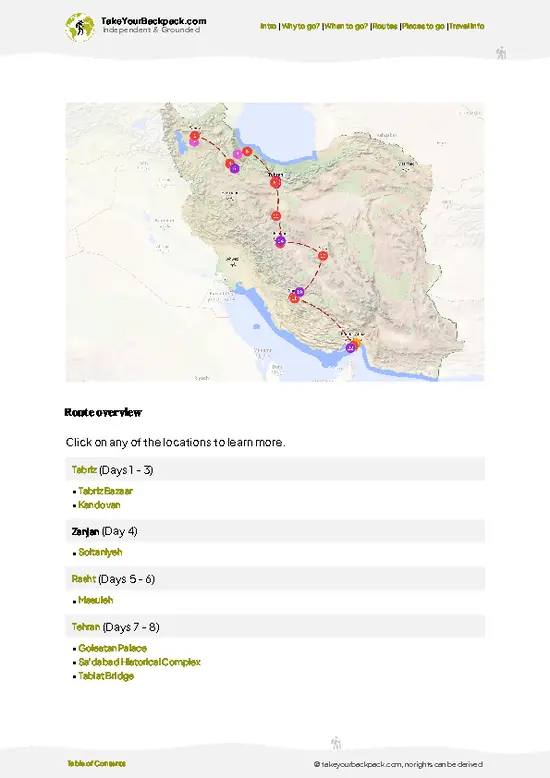
example page 0 from our offline Travel Guide for Iran
example page 1 from our offline Travel Guide for Iran
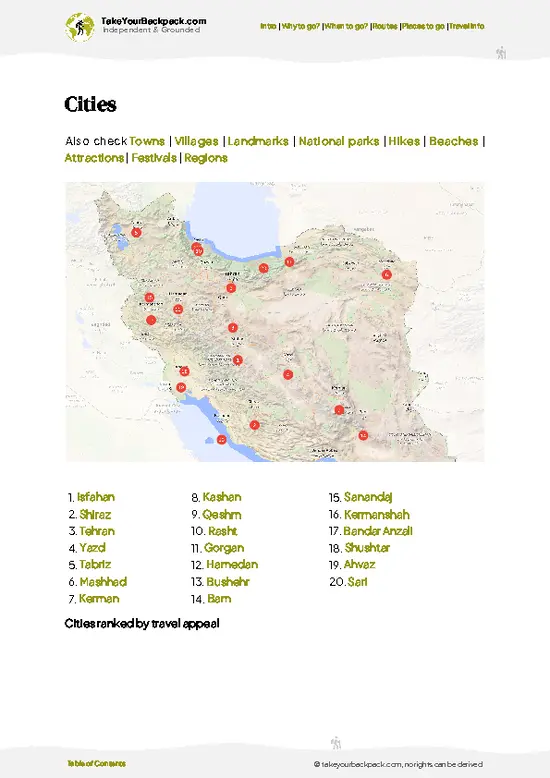
example page 2 from our offline Travel Guide for Iran
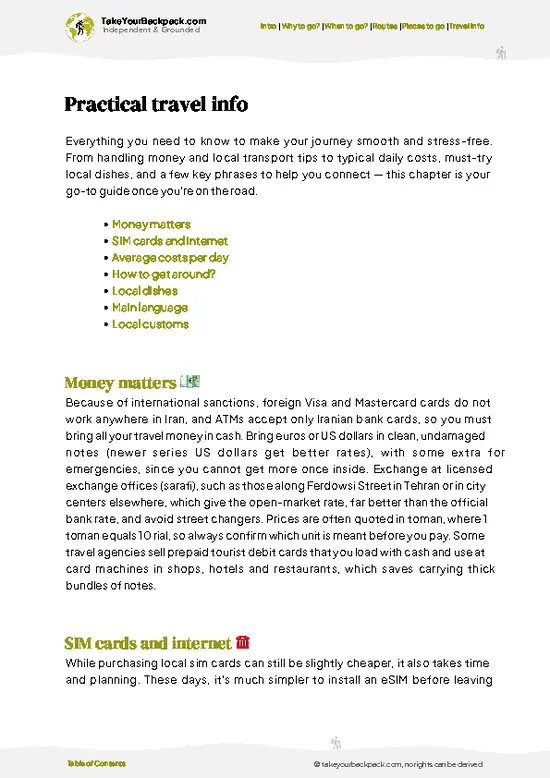
example page 3 from our offline Travel Guide for Iran
example page 4 from our offline Travel Guide for Iran
example page 5 from our offline Travel Guide for Iran
example page 6 from our offline Travel Guide for Iran
example page 7 from our offline Travel Guide for Iran
The digital guide (419 pages) contains:
121 highlights, ranked by travel appeal
Optimized 7, 14 & 21-day travel routes
Cities, national parks, landmarks, beaches
How to get around
Offline-friendly for travel without Wi-Fi
👉 Click to see all 30+ guide features

📅 Plan smarter in minutes, not weeks
Month by month travel advice
Festivals & national holidays
Budget expectations

🗺️ Go to the right places, skip the overrated ones
Honest pros & cons of destinations
Top hikes, parks & viewpoints
Lesser-known places most travelers miss
Clear “worth it vs skip it” guidance

🛏️ Travel smoothly without rookie mistakes
Best areas to stay
Transport systems explained simply
Common scams & safety advice
SIM cards, money & practical tips

🌍 Understand the country, not just visit it
Culture & traditions
52 Essential phrases & customs
Festivals worth planning around
Traveler-friendly historical context
Insights that make places more meaningful

📱 Built for real travel conditions
Fully downloadable PDF
Works completely offline
Optimized for phone use
Useful in remote areas & buses
Everything in one place
Save weeks of stressful planning
Get instant access to your full guide. 30‑day money-back guarantee.


By proceeding you agree to our terms.
Sent to your inbox immediately after payment • 100% Secure Checkout
Best Backpacking Travel Advisor 2025 tourism awardBest Backpacking
Travel Advisor
2025
What others say about Take Your Backpack Guides:
⭐⭐⭐⭐⭐
Fantastic, amazing amount of information!
⭐⭐⭐⭐⭐
My goodness this is amazing, it's what I've been looking for hats off too you!
⭐⭐⭐⭐⭐
I think this is absolutely BRILLIANT
⭐⭐⭐⭐
Very complete and informative. It's still missing places, but I gotta to commend you
⭐⭐⭐⭐⭐
This is truly amazing, thank you, can't wait to explore it with my kids!
⭐⭐⭐⭐⭐
Awesome resource, thank you!
⭐⭐⭐⭐⭐
This is amazing! Can't wait to explore the ones I haven't seen
⭐⭐⭐⭐
I love this! Well done, great idea.
⭐⭐⭐⭐⭐
Thanks for taking the time to make this gem!
⭐⭐⭐⭐⭐
This might be the best website I've ever seen.
⭐⭐⭐⭐⭐
Congratulations, and thank you so much for your work; it's incredibly valuable.
⭐⭐⭐⭐
In all seriousness I think you did a great job pointing out the important spots
⭐⭐⭐⭐⭐
10/10 very good
⭐⭐⭐⭐⭐
As someone who's only just starting to visit regularly this is awesome, thank you.
⭐⭐⭐⭐
Thank you very much! I'm going to visit my dad, it's going to be very useful!
⭐⭐⭐⭐⭐
This is really cool! We'll be travelling for the first time and this definitely come in handy.
⭐⭐⭐⭐⭐
You are now our minister of culture, congratulations 👨‍💼
⭐⭐⭐⭐⭐
Just wanted to tell you that this is a pearl! Going to follow your recommendations.
⭐⭐⭐⭐⭐
This is so cool. I'll definitely be using the resource for my travels soon.
⭐⭐⭐⭐⭐
This is very impressive! Good work.
⭐⭐⭐⭐⭐
This is an amazing and informative site. Very well done!

🛏️ Where to stay?Best Stay Options in Iran

Yes — hostels, budget guesthouses and traditional homestay-style accommodations are widely available in Iran’s main tourist cities, especially Tehran, Isfahan, Shiraz, Yazd, Tabriz, Kashan and Mashhad.
In Tehran look around Valiasr/Vanak and Tajrish for best transport links and more nightlife but expect traffic and higher rates; in Isfahan stay by the historic center for walking access to major sights though it’s busier and quieter at night; Shiraz’s bazaar/Vakil area puts you by gardens and markets but can be sleepy after dark; Yazd’s old town (Fahadan) offers atmospheric traditional houses with narrow alleys that feel quieter; Tabriz clusters around the historic bazaar with good budget supply … read more 👉
Yes — hostels, budget guesthouses and traditional homestay-style accommodations are widely available in Iran’s main tourist cities, especially Tehran, Isfahan, Shiraz, Yazd, Tabriz, Kashan and Mashhad.
In Tehran look around Valiasr/Vanak and Tajrish for best transport links and more nightlife but expect traffic and higher rates; in Isfahan stay by the historic center for walking access to major sights though it’s busier and quieter at night; Shiraz’s bazaar/Vakil area puts you by gardens and markets but can be sleepy after dark; Yazd’s old town (Fahadan) offers atmospheric traditional houses with narrow alleys that feel quieter; Tabriz clusters around the historic bazaar with good budget supply but colder winters; Kashan’s historic quarter is ideal for traditional houses and desert trips but has limited nightlife.
Expect some hostels to offer gender‑segregated dorms or women‑only rooms, observe strict public dress codes in common areas, and book ahead at peak times (Nowruz and summer) or take a private room for more flexibility.

If you enjoy meeting fellow travelers, consider choosing hostels with high ratings for atmosphere. On the other hand, if you prefer having your own space, a hotel might be a better option.

IranWhere to Go Next

👋 Meet the founderWho’s Behind Take Your Backpack?

Johan, backpacker and founder of TakeYourBackpackHi, I’m Johan (Netherlands 🇳🇱), the creator of TakeYourBackpack. Over the past decade, I’ve backpacked through 80+ countries across six continents, gaining extensive experience with independent travel, long-term trips, and overland routes.

This site is built on a combination of firsthand travel experience and carefully curated insights from other backpackers. Many guides are based on places I’ve personally visited, while others bring together tips, observations, and practical advice shared by trusted travelers I’ve met along the way.

The goal is to provide realistic, experience-driven guidance — not generic itineraries — so you can explore destinations with better context, clearer expectations, and more confidence.

Get full Iran guide •
Instant download • 121 highlights • Full Offline guide