×

Iran🇮🇷 | best national parksExplore the 10 Best national parks in Iran

Iran’s national parks are a treasure trove for backpackers seeking diverse landscapes, unique wildlife, and rich cultural experiences. Defined by their stunning natural beauty and ecological significance, these parks vary widely across the country, each offering distinct opportunities for independent travel.

From the rugged mountains of Zagros to the arid expanses of Dasht-e Kavir, the choice of park shapes your adventure. Seasonal nuances play a crucial role; summer heat can be oppressive in some areas, while winter opens up opportunities for snow sports in others.

Selecting the right park impacts not just the vibe but also your budget, safety, and ease of travel. Some parks are more accessible, while others require a bit of grit and determination. Understanding these factors ensures you maximize your energy and resources, allowing for deeper immersion in Iran’s breathtaking landscapes and vibrant cultures.

By Johan Kruseman 🇳🇱 | Updated June 5, 2026
Explore the best hikes in Iran

Why go?Why These national park Stand Out

Iran’s national parks are a unique tapestry of biodiversity and stunning landscapes that stand apart from those in many other countries. The geographic diversity ranges from rugged mountains to vast deserts, creating habitats for an array of wildlife, including species found nowhere else on Earth. This rich biodiversity is complemented by a climatic variety that allows for year-round exploration, though travelers must be mindful of extreme temperatures in summer and winter.

However, the infrastructure can be a double-edged sword. While some parks are accessible via well-maintained roads, others require a commitment to reach. This trade-off between accessibility and experience quality is crucial. The more remote parks often offer deeper immersion into Iran’s natural beauty but demand more … read more 👉
Iran’s national parks are a unique tapestry of biodiversity and stunning landscapes that stand apart from those in many other countries. The geographic diversity ranges from rugged mountains to vast deserts, creating habitats for an array of wildlife, including species found nowhere else on Earth. This rich biodiversity is complemented by a climatic variety that allows for year-round exploration, though travelers must be mindful of extreme temperatures in summer and winter.

However, the infrastructure can be a double-edged sword. While some parks are accessible via well-maintained roads, others require a commitment to reach. This trade-off between accessibility and experience quality is crucial. The more remote parks often offer deeper immersion into Iran’s natural beauty but demand more time and effort to access. This means travelers must weigh the value of convenience against the potential for a more profound connection with the landscape.

Culturally, Iran’s national parks are steeped in history, with ancient civilizations having thrived in these regions. This adds a layer of significance to the natural beauty, but it also means that some areas may be subject to cultural sensitivities. Understanding local customs and regulations is essential for a respectful and enriching experience.

Travelers should also consider the trade-offs in travel time versus depth of exploration. While it may be tempting to visit multiple parks in a short span, doing so often leads to a superficial experience. Instead, focusing on fewer parks allows for a more meaningful engagement with the environment and local culture.

In summary, Iran’s national parks offer a compelling mix of landscapes, biodiversity, and cultural richness, but they require thoughtful planning and an understanding of the inherent trade-offs. Embrace the journey, and you’ll find that the rewards are well worth the effort.
Our Approach to Ranking
The list of best national parks in Iran is created based on landscapes, wildlife, adventure opportunities, facilities, and overall experience. If you feel a national park is missing in this list, please let us know.

When to go?When to Plan Your Trip

Weather Patterns

Iran’s national parks experience significant seasonal variations. Summer can be brutally hot, especially in lower elevations, with temperatures soaring. This can limit wildlife visibility and make trails less enjoyable. Conversely, winter brings cold temperatures and snow, particularly in mountainous areas, which can close trails and limit access.

Optimal Months

The best time to visit is typically in spring and fall. During these months, temperatures are moderate, making for comfortable hiking conditions. Wildlife is more active, and the scenery is often at its most vibrant. Spring offers blooming flora, while fall showcases stunning foliage.

Shoulder Seasons

Shoulder seasons—late spring and early fall—can be a double-edged sword. They often feature fewer crowds, which … read more 👉

Weather Patterns

Iran’s national parks experience significant seasonal variations. Summer can be brutally hot, especially in lower elevations, with temperatures soaring. This can limit wildlife visibility and make trails less enjoyable. Conversely, winter brings cold temperatures and snow, particularly in mountainous areas, which can close trails and limit access.

Optimal Months

The best time to visit is typically in spring and fall. During these months, temperatures are moderate, making for comfortable hiking conditions. Wildlife is more active, and the scenery is often at its most vibrant. Spring offers blooming flora, while fall showcases stunning foliage.

Shoulder Seasons

Shoulder seasons—late spring and early fall—can be a double-edged sword. They often feature fewer crowds, which is a plus, but weather can be unpredictable. Rainfall may increase, especially in spring, potentially muddying trails. Costs can also be lower during these times, making them attractive for budget-conscious travelers.

Peak Periods

Peak periods coincide with school holidays and major festivals. Expect crowded trails and higher accommodation prices during these times. The trade-off is that the scenery is often at its best, but the experience can feel rushed and less intimate.

Seasonal Constraints

Travelers should be aware of specific constraints. Heavy rainfall can lead to trail closures, while extreme heat can make hiking dangerous. Planning around these factors is crucial for maximizing the experience. Understanding the seasonal dynamics will help preserve energy and budget for the moments that truly matter.

national park hoppingHow to Combine national parks Into One Trip

Combining national parks in Iran requires strategic planning and a clear understanding of regional clusters. Start by grouping parks based on their geographical proximity. For instance, the parks in the north, like Golestan and Alamut, can be explored together, while those in the south, such as Hormozgan and Dasht-e Kavir, offer a different landscape and experience. This clustering minimizes travel time and maximizes exploration.

Typical travel times between parks can vary significantly. Expect a few hours of driving between northern and central parks, and longer stretches when heading south. Allocate at least two to three days per park for a fulfilling experience. This allows time for hiking, wildlife watching, and soaking in the unique atmosphere. Rushing through parks can lead to missed read more 👉
Combining national parks in Iran requires strategic planning and a clear understanding of regional clusters. Start by grouping parks based on their geographical proximity. For instance, the parks in the north, like Golestan and Alamut, can be explored together, while those in the south, such as Hormozgan and Dasht-e Kavir, offer a different landscape and experience. This clustering minimizes travel time and maximizes exploration.

Typical travel times between parks can vary significantly. Expect a few hours of driving between northern and central parks, and longer stretches when heading south. Allocate at least two to three days per park for a fulfilling experience. This allows time for hiking, wildlife watching, and soaking in the unique atmosphere. Rushing through parks can lead to missed opportunities and fatigue.

Common mistakes include underestimating travel times and overpacking the itinerary. It’s tempting to squeeze in as many parks as possible, but this often results in a rushed experience. Prioritize quality over quantity. Spending longer in fewer parks can lead to deeper connections with the landscape and local culture.

Consider trade-offs carefully. Speed may allow for more parks, but it often sacrifices comfort and depth of experience. Budget constraints might push for cheaper accommodations, but this can impact rest and recovery after long days of hiking. Flexibility is key; be prepared to adjust plans based on weather or personal energy levels. A well-planned trip balances effort and reward, ensuring that each moment spent in Iran’s national parks is enriching and memorable.

The ListMust-Visit national parks in Iran

1 Golestan

mixed forests, waterfalls, mountain passes

Travel through a patchwork of woodlands and highland meadows, where streams tumble down slopes and wildlife is abundant year-round.

2 Lut Desert

sand seas, yardangs, extreme heat

Experience one of the planet’s hottest places, where wind-carved landforms and vast dunes create a surreal, inhospitable landscape.

iran-national-park-lut-desert
© Google |

3 Alamut Valley

castle ruins, limestone cliffs, remote villages

Hike through a dramatic landscape where ancient fortresses overlook deep canyons, and isolated hamlets offer a glimpse of rural mountain life.

4 Dena Protected Area

Zagros peaks, alpine meadows, endemic plants

Ascend high mountain trails through meadows dotted with rare flora, with panoramic views across the jagged Zagros range.

5 Khar Turan National Park

steppe desert, Asiatic cheetah, sand dunes

Venture into vast open plains and shifting dunes, where rare predators and hardy species survive in one of Iran’s wildest regions.

6 Lar National Park

Damavand views, alpine lakes, summer pastures

Camp beside clear lakes and grassy slopes, with Iran’s highest peak dominating the horizon and wildflowers blooming in summer.

7 Arasbaran Protected Area

oak forests, mountain ridges, ethnic villages

Traverse dense woodlands and rolling uplands, encountering diverse wildlife and traditional communities in a region shaped by both nature and culture.

8 Hara Biosphere Reserve

mangrove forests, tidal creeks, mudflats

Paddle through dense mangroves and winding waterways, spotting coastal birds and marine life in a unique tidal ecosystem.

9 Miankaleh Wildlife Refuge

peninsula, wetlands, Caspian coast

Wander along a narrow spit of land where freshwater marshes meet the sea, attracting migratory birds and aquatic species.

10 Tandooreh

deep gorges, limestone cliffs, juniper forests

Descend into dramatic ravines bordered by sheer rock faces, with trails winding through ancient woodlands and rugged terrain.

iran-national-park-tandooreh
© Google |

11 Bamou National Park

limestone hills, wild goats, dry steppe

Walk among rugged outcrops and open grasslands, where herds of wild sheep and goats navigate the rocky terrain.

iran-national-park-bamou-national-park
© Google |

12 Kavir

salt flats, desert basins, wild camels

Traverse endless salt pans and gravel plains, encountering hardy desert animals and the stark beauty of Iran’s central wilderness.

iran-national-park-kavir
© Google |

13 Naybandan Wildlife Refuge

desert plateau, gazelles, remote outposts

Cross wide, arid expanses where wildlife sightings are rare but rewarding, and human presence is limited to scattered ranger stations.

14 Khabr National Park

granite mountains, pistachio woodlands, rare mammals

Trek across rocky slopes and scattered forests, keeping an eye out for elusive leopards and other wildlife adapted to harsh conditions.

15 Geno Biosphere Reserve

hot springs, subtropical valleys, palm groves

Relax in natural thermal pools and explore lush valleys where subtropical vegetation thrives beneath arid mountain slopes.

16 Salouk National Park

rolling hills, juniper stands, wild sheep

Roam gentle slopes covered in ancient junipers, with chances to spot herds of native sheep and birds of prey overhead.

17 Sorkheh Hesar National Park

semi-arid hills, urban fringe, gazelle habitat

Escape the city to explore dry hills and open plains, where gazelles graze surprisingly close to the urban edge.

iran-national-park-sorkheh-hesar-national-park
© Google |

18 Bakhtegan National Park

salt lake, migratory birds, arid plains

Watch seasonal flocks gather along the shores of a vast saline lake, surrounded by stark landscapes and shifting waterlines.

19 Tangeh Vashi

narrow gorge, river crossing, ancient reliefs

Wade through a cool stream in a tight canyon, passing centuries-old carvings and natural rock corridors carved by water.

20 Siahkal

Caspian rainforests, mossy ravines, ferns

Walk beneath dense canopies dripping with moisture, where lush undergrowth and hidden streams define a rare temperate rainforest.

21 Uramanat

steep valleys, stone villages, Kurdish culture

Descend into deep canyons lined with terraced settlements, experiencing a distinct mountain culture shaped by centuries of isolation.

22 Zayandeh Rud Protected Area

river corridor, wetlands, migratory stopover

Follow the course of a major river as it winds through fertile plains, supporting seasonal birdlife and pockets of wetland habitat.

Think you know Iran?

Prove you’re a true local — uncover 12 lesser-known national parks in Iran that locals tend to keep to themselves.
Loading the map 🌍

Expert viewExpert Commentary on national parks

Terrain
Iran’s national parks are a mixed bag of rugged mountains, arid deserts, and lush forests. Each park has its own character shaped by the terrain. For instance, the Alborz and Zagros mountain ranges offer dramatic landscapes, while the Dasht-e Kavir and Dasht-e Lut present vast, desolate expanses. If you’re into hiking, the mountains will challenge you with steep ascents and rocky paths. But if you prefer a more leisurely experience, the flat desert parks can be navigated with ease. The key is to know what you’re up for. If you’re not ready for altitude sickness or the heat of the desert sun, you might want to stick to parks that suit your comfort level.

Park Infrastructure
Infrastructure varies widely across parks. Some have well-maintained trails and visitor centers, while others … read more 👉
Terrain
Iran’s national parks are a mixed bag of rugged mountains, arid deserts, and lush forests. Each park has its own character shaped by the terrain. For instance, the Alborz and Zagros mountain ranges offer dramatic landscapes, while the Dasht-e Kavir and Dasht-e Lut present vast, desolate expanses. If you’re into hiking, the mountains will challenge you with steep ascents and rocky paths. But if you prefer a more leisurely experience, the flat desert parks can be navigated with ease. The key is to know what you’re up for. If you’re not ready for altitude sickness or the heat of the desert sun, you might want to stick to parks that suit your comfort level.

Park Infrastructure
Infrastructure varies widely across parks. Some have well-maintained trails and visitor centers, while others are more rustic. In popular parks, you’ll find decent facilities, but don’t expect luxury. Basic amenities like restrooms and water sources can be scarce in remote areas. Always carry enough supplies, especially water and snacks, as you might not find shops nearby. If you’re planning to camp, check if permits are required. Some parks have designated camping areas, while others allow wild camping. Know the rules before you pitch your tent.

Wildlife Activity
Wildlife encounters can be thrilling, but they require patience. Parks like Golestan and Arasbaran are rich in biodiversity, offering chances to see everything from Persian leopards to various bird species. Early mornings or late afternoons are prime times for spotting wildlife. However, don’t expect to see animals everywhere; they’re often elusive. If you’re keen on wildlife photography, be prepared to wait quietly and keep your distance. Respect the animals and their habitats; this isn’t a zoo.

Time Spent vs. Multiple Parks
When planning your itinerary, consider how many parks you want to visit. Iran has over 30 national parks, but trying to see too many can lead to burnout. Spending at least two to three days in each park allows you to soak in the environment and engage in activities without feeling rushed. If you’re short on time, prioritize parks that offer diverse experiences. For example, a mountainous park combined with a desert park can give you a taste of Iran’s varied landscapes. Just remember, travel times can be deceptive. Roads may be in poor condition, and traffic can be unpredictable, so factor in extra time for travel between parks.

Planning and Prioritizing
Start by identifying what you want from your park experience. Are you looking for adventure, relaxation, or cultural immersion? Some parks are more accessible and offer guided tours, while others require a bit of grit to explore. Research local customs and be respectful of cultural norms. In more remote areas, you might encounter communities that have their own ways of life. Engaging with locals can enrich your experience, but always approach with sensitivity.

Safety & Cultural Considerations
Safety is paramount. While Iran is generally safe for travelers, always stay aware of your surroundings, especially in less populated areas. Carry a first-aid kit and know basic emergency contacts. Cultural considerations are equally important. Dress modestly and be mindful of local customs, especially in rural areas. If you’re hiking, inform someone of your plans and expected return time. Cell service can be spotty in remote parks, so don’t rely solely on your phone for navigation.

Trade-offs and Constraints
One significant trade-off is the balance between time and depth of experience. If you rush through parks, you’ll miss the nuances that make each one special. On the flip side, spending too long in one park can limit your overall experience of Iran’s diverse landscapes. Aim for a mix: perhaps focus on two or three parks that offer distinct experiences. This way, you can dive deep into each park without feeling like you’re sacrificing the breadth of your journey.

In conclusion, Iran’s national parks are a treasure trove of natural beauty and cultural richness. With thoughtful planning and a willingness to adapt, you can navigate the challenges and embrace the rewards. Prioritize your interests, respect the land and its people, and you’ll find that the journey is as enriching as the destination.

✈️ The backpacker research shortcutIran Travel Guide

An offline-friendly backpacking guide with optimized travel routes, ranked highlights, transport advice, and the best areas to stay.
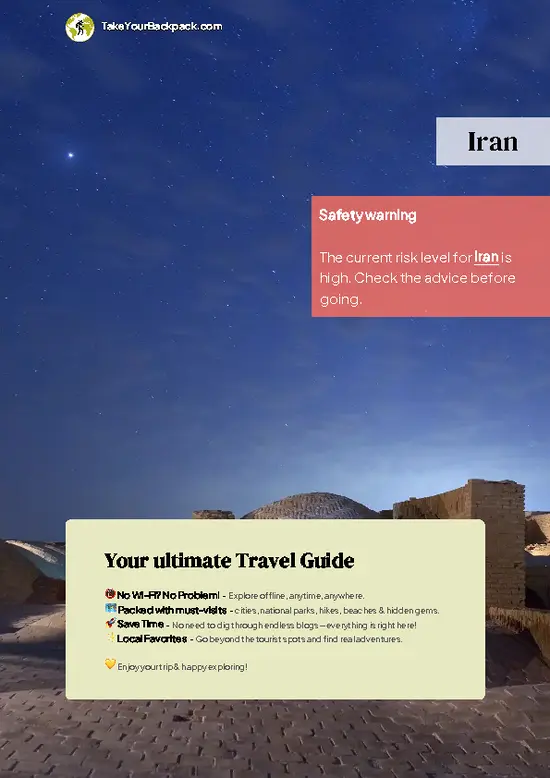
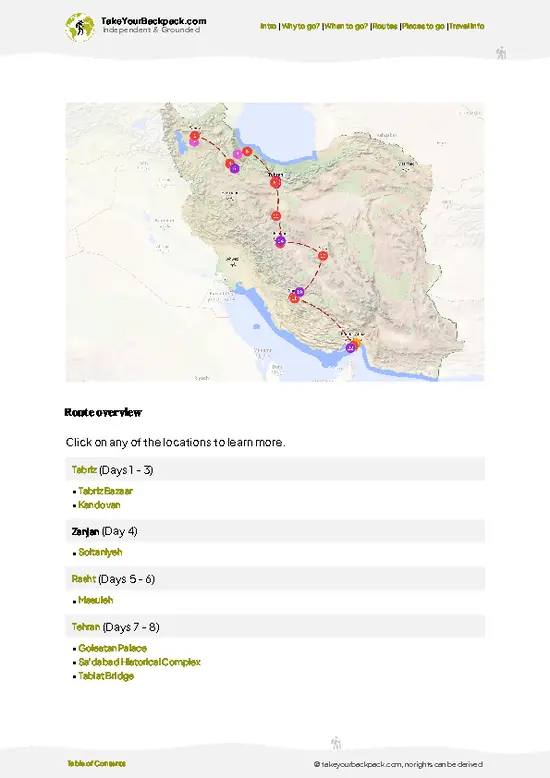
example page 0 from our offline Travel Guide for Iran
example page 1 from our offline Travel Guide for Iran
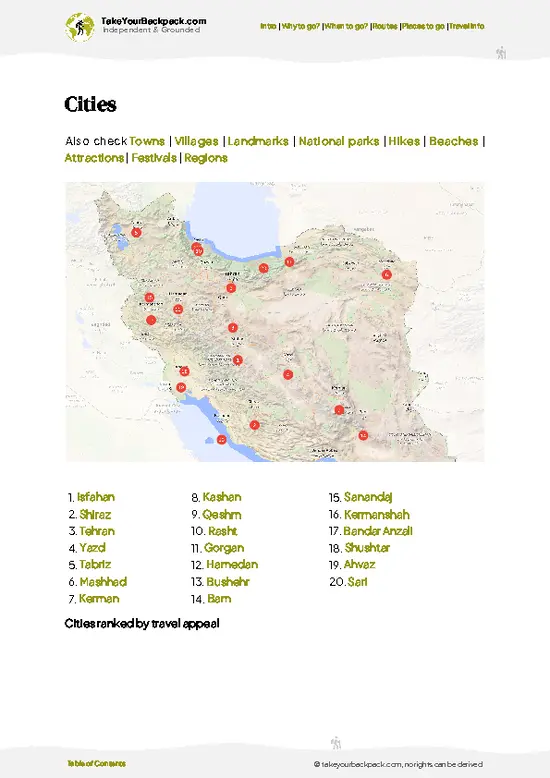
example page 2 from our offline Travel Guide for Iran
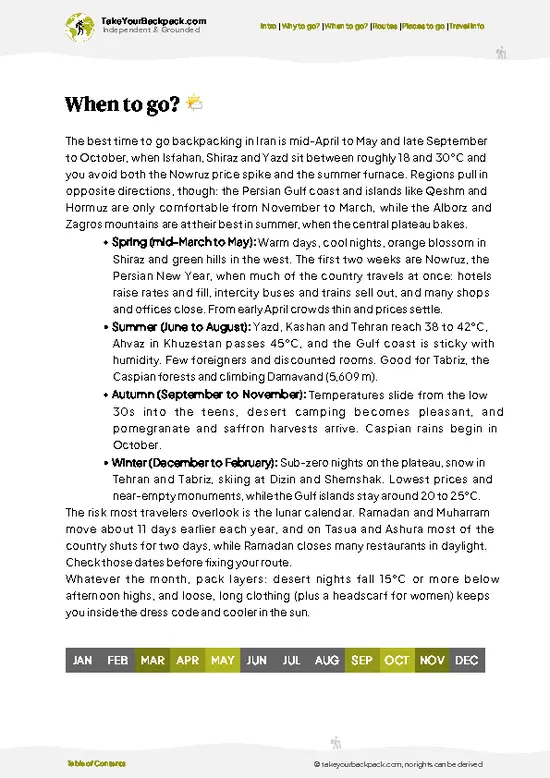
example page 3 from our offline Travel Guide for Iran
example page 4 from our offline Travel Guide for Iran
example page 5 from our offline Travel Guide for Iran
example page 6 from our offline Travel Guide for Iran
example page 7 from our offline Travel Guide for Iran
The digital guide (419 pages) contains:
121 highlights, ranked by travel appeal
Optimized 7, 14 & 21-day travel routes
Cities, national parks, landmarks, beaches
How to get around
Offline-friendly for travel without Wi-Fi
👉 Click to see all 30+ guide features

📅 Plan smarter in minutes, not weeks
Month by month travel advice
Festivals & national holidays
Budget expectations

🗺️ Go to the right places, skip the overrated ones
Honest pros & cons of destinations
Top hikes, parks & viewpoints
Lesser-known places most travelers miss
Clear “worth it vs skip it” guidance

🛏️ Travel smoothly without rookie mistakes
Best areas to stay
Transport systems explained simply
Common scams & safety advice
SIM cards, money & practical tips

🌍 Understand the country, not just visit it
Culture & traditions
52 Essential phrases & customs
Festivals worth planning around
Traveler-friendly historical context
Insights that make places more meaningful

📱 Built for real travel conditions
Fully downloadable PDF
Works completely offline
Optimized for phone use
Useful in remote areas & buses
Everything in one place
Save weeks of stressful planning
Get instant access to your full guide. 30‑day money-back guarantee.


By proceeding you agree to our terms.
Sent to your inbox immediately after payment • 100% Secure Checkout
Best Backpacking Travel Advisor 2025 tourism awardBest Backpacking
Travel Advisor
2025
What others say about Take Your Backpack Guides:
⭐⭐⭐⭐⭐
Fantastic, amazing amount of information!
⭐⭐⭐⭐⭐
My goodness this is amazing, it's what I've been looking for hats off too you!
⭐⭐⭐⭐⭐
I think this is absolutely BRILLIANT
⭐⭐⭐⭐
Very complete and informative. It's still missing places, but I gotta to commend you
⭐⭐⭐⭐⭐
This is truly amazing, thank you, can't wait to explore it with my kids!
⭐⭐⭐⭐⭐
Awesome resource, thank you!
⭐⭐⭐⭐⭐
This is amazing! Can't wait to explore the ones I haven't seen
⭐⭐⭐⭐
I love this! Well done, great idea.
⭐⭐⭐⭐⭐
Thanks for taking the time to make this gem!
⭐⭐⭐⭐⭐
This might be the best website I've ever seen.
⭐⭐⭐⭐⭐
Congratulations, and thank you so much for your work; it's incredibly valuable.
⭐⭐⭐⭐
In all seriousness I think you did a great job pointing out the important spots
⭐⭐⭐⭐⭐
10/10 very good
⭐⭐⭐⭐⭐
As someone who's only just starting to visit regularly this is awesome, thank you.
⭐⭐⭐⭐
Thank you very much! I'm going to visit my dad, it's going to be very useful!
⭐⭐⭐⭐⭐
This is really cool! We'll be travelling for the first time and this definitely come in handy.
⭐⭐⭐⭐⭐
You are now our minister of culture, congratulations 👨‍💼
⭐⭐⭐⭐⭐
Just wanted to tell you that this is a pearl! Going to follow your recommendations.
⭐⭐⭐⭐⭐
This is so cool. I'll definitely be using the resource for my travels soon.
⭐⭐⭐⭐⭐
This is very impressive! Good work.
⭐⭐⭐⭐⭐
This is an amazing and informative site. Very well done!

🛏️ Where to stay?Where to Stay in Iran

Yes — hostels, budget guesthouses and traditional homestay-style accommodations are widely available in Iran’s main tourist cities, especially Tehran, Isfahan, Shiraz, Yazd, Tabriz, Kashan and Mashhad.
In Tehran look around Valiasr/Vanak and Tajrish for best transport links and more nightlife but expect traffic and higher rates; in Isfahan stay by the historic center for walking access to major sights though it’s busier and quieter at night; Shiraz’s bazaar/Vakil area puts you by gardens and markets but can be sleepy after dark; Yazd’s old town (Fahadan) offers atmospheric traditional houses with narrow alleys that feel quieter; Tabriz clusters around the historic bazaar with good budget supply … read more 👉
Yes — hostels, budget guesthouses and traditional homestay-style accommodations are widely available in Iran’s main tourist cities, especially Tehran, Isfahan, Shiraz, Yazd, Tabriz, Kashan and Mashhad.
In Tehran look around Valiasr/Vanak and Tajrish for best transport links and more nightlife but expect traffic and higher rates; in Isfahan stay by the historic center for walking access to major sights though it’s busier and quieter at night; Shiraz’s bazaar/Vakil area puts you by gardens and markets but can be sleepy after dark; Yazd’s old town (Fahadan) offers atmospheric traditional houses with narrow alleys that feel quieter; Tabriz clusters around the historic bazaar with good budget supply but colder winters; Kashan’s historic quarter is ideal for traditional houses and desert trips but has limited nightlife.
Expect some hostels to offer gender‑segregated dorms or women‑only rooms, observe strict public dress codes in common areas, and book ahead at peak times (Nowruz and summer) or take a private room for more flexibility.

If you enjoy meeting fellow travelers, consider choosing hostels with high ratings for atmosphere. On the other hand, if you prefer having your own space, a hotel might be a better option.

IranMore of Iran

👋 Meet the founderWho’s Behind Take Your Backpack?

Johan, backpacker and founder of TakeYourBackpackHi, I’m Johan (Netherlands 🇳🇱), the creator of TakeYourBackpack. Over the past decade, I’ve backpacked through 80+ countries across six continents, gaining extensive experience with independent travel, long-term trips, and overland routes.

This site is built on a combination of firsthand travel experience and carefully curated insights from other backpackers. Many guides are based on places I’ve personally visited, while others bring together tips, observations, and practical advice shared by trusted travelers I’ve met along the way.

The goal is to provide realistic, experience-driven guidance — not generic itineraries — so you can explore destinations with better context, clearer expectations, and more confidence.

Get full Iran guide •
Instant download • 121 highlights • Full Offline guide