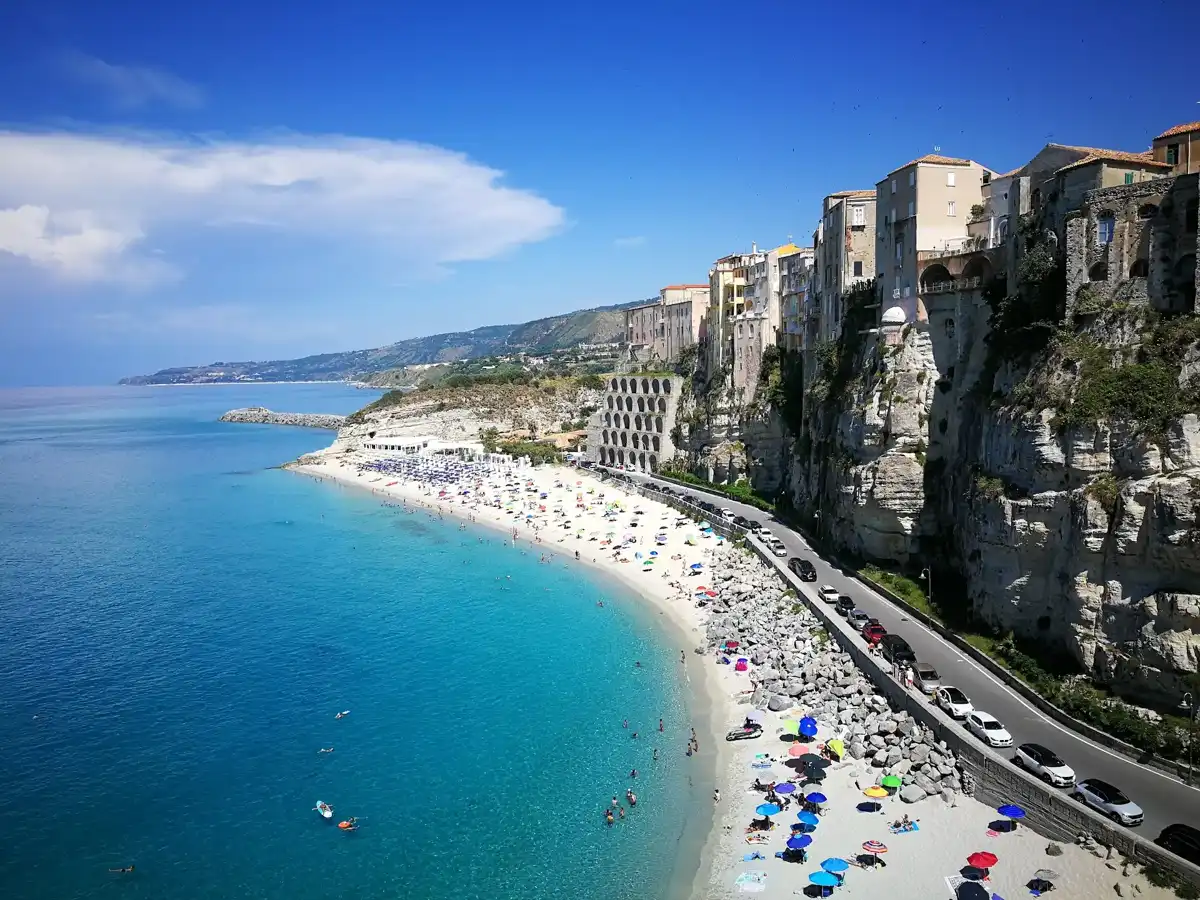
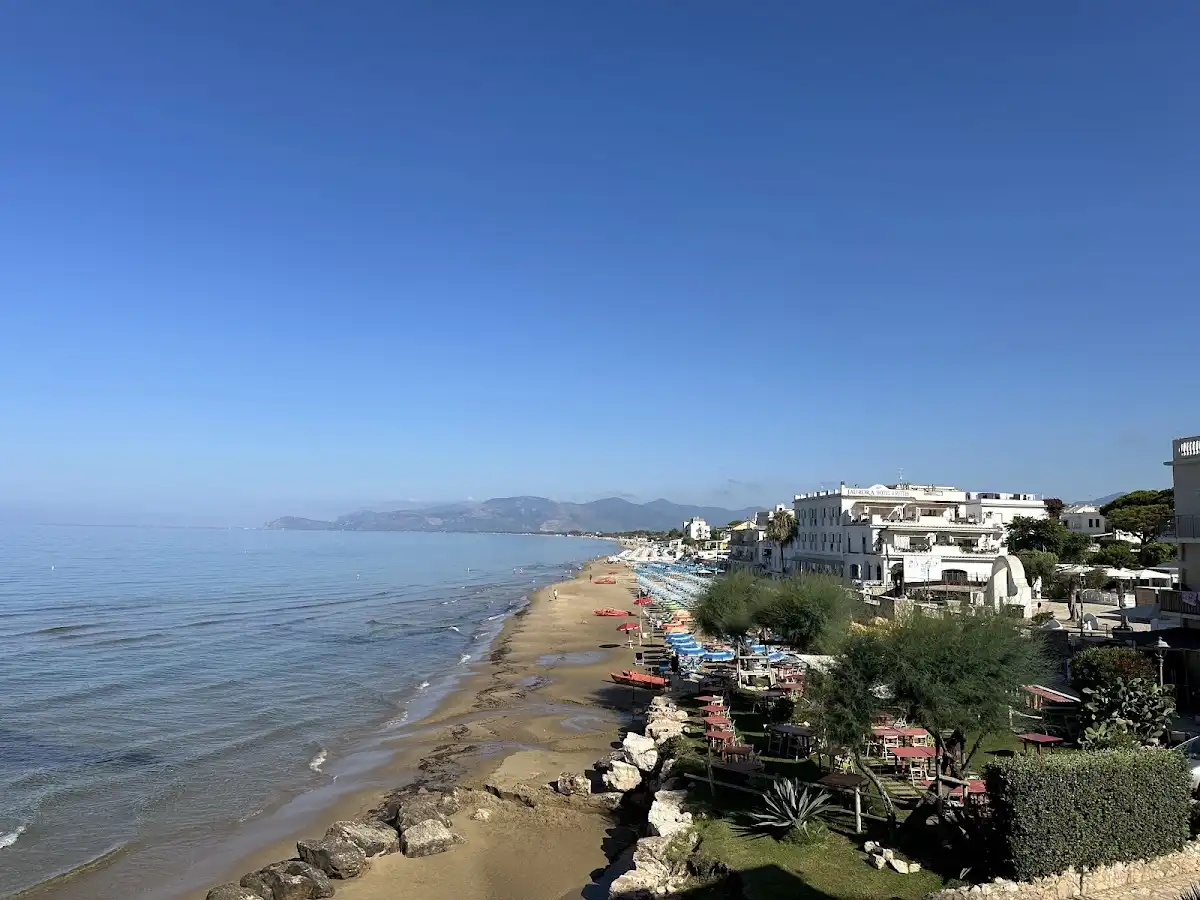
Italy has roughly 7,500 kilometers of coastline, spread across the Tyrrhenian, Ligurian, Ionian and Adriatic seas, so the variety is real. Sand, pebble, volcanic rock, limestone cliffs and shallow lagoons all exist within a day’s travel of each other. The
Mediterranean climate gives hot, dry summers with sea temperatures reaching about 24 to 27°C by August, which makes swimming easy for months.
The cultural system matters as much as the geography. Italians treat the beach as a
seasonal social institution. Families rent the same umbrella spot for weeks, and the privately run lido model dominates much of the mainland coast. That means long stretches of sand you cannot simply lay a towel on without paying or walking far. By law the shoreline itself is public, and a strip at the water’s edge …
read more 👉Italy has roughly 7,500 kilometers of coastline, spread across the Tyrrhenian, Ligurian, Ionian and Adriatic seas, so the variety is real. Sand, pebble, volcanic rock, limestone cliffs and shallow lagoons all exist within a day’s travel of each other. The Mediterranean climate gives hot, dry summers with sea temperatures reaching about 24 to 27°C by August, which makes swimming easy for months.
The cultural system matters as much as the geography. Italians treat the beach as a seasonal social institution. Families rent the same umbrella spot for weeks, and the privately run lido model dominates much of the mainland coast. That means long stretches of sand you cannot simply lay a towel on without paying or walking far. By law the shoreline itself is public, and a strip at the water’s edge must stay open for walking, but access to it can be awkward. Free beaches exist, though they are often the narrowest, least equipped, and most crowded on weekends.
The water is not equally good everywhere. The Adriatic is shallow, warm and gentle, good for children and less so for clear-water swimming. Sardinia, parts of Puglia’s Ionian side, Sicily’s islands and the Cilento coast have the clearest water. Industrial and urban stretches near big ports are best skipped.
Before choosing Italy for beaches, know three things. August is the Italian holiday peak, when prices jump and space vanishes around Ferragosto (15 August). Public transport to remote coves is thin, so a car or scooter often decides what you can reach. And Italy is a country where beaches share the stage with cities, food and history, so it works best as a mixed trip rather than a pure beach holiday.
Behind the Scenes of Selection
The list of best beaches in Italy is created based on beauty, vibe, water quality, activities, and surrounding scenery. If you feel a beach is missing in this list, please let us know.






 Best Backpacking
 Hi, I’m Johan (Netherlands 🇳🇱), the creator of TakeYourBackpack. Over the past 3 decades, I’ve backpacked through 90+ countries across six continents, gaining extensive experience with independent travel, long-term trips, and overland routes.