×

Italy🇮🇹 | best hikesWhere to Find the 11 Best hikes in Italy

Italy offers a diverse tapestry of hikes that cater to every backpacker’s taste, from the rugged Dolomites to the coastal trails of the Amalfi Coast. Each region presents unique challenges and breathtaking scenery, shaped by local geography and seasonal changes. In the north, expect steep ascents and high altitudes, while the south offers gentler paths with stunning sea views.

Choosing the right hike is crucial; it influences your overall vibe, budget, and cultural immersion. For instance, summer hikes can be crowded and hot, while spring and fall offer milder weather and fewer tourists. Trail difficulty varies significantly, impacting recovery needs and safety.

Independent travelers should consider logistics like public transport access and accommodation options. A well-chosen hike not only enhances your experience but also deepens your connection to Italy’s rich landscapes and culture. Prioritize wisely, and your journey will resonate long after you return home.

By Johan Kruseman 🇳🇱 | Updated September 5, 2026
Explore the best beaches in Italy

Why go?Why These hike Stand Out

Hiking in Italy is a unique experience that stands apart from other countries due to its diverse terrain and rich cultural backdrop. From the rugged Dolomites to the rolling hills of Tuscany, the variety of landscapes offers something for every type of hiker. This diversity is not just scenic; it’s a journey through history, where ancient paths intertwine with modern trails, allowing hikers to connect with Italy’s storied past.

The altitude of many Italian hikes can be a double-edged sword. While higher elevations provide breathtaking views and a sense of accomplishment, they also come with increased difficulty and potential altitude sickness. Understanding your own fitness level is crucial. Some trails may appear accessible but can quickly become challenging, especially in the summer heatread more 👉
Hiking in Italy is a unique experience that stands apart from other countries due to its diverse terrain and rich cultural backdrop. From the rugged Dolomites to the rolling hills of Tuscany, the variety of landscapes offers something for every type of hiker. This diversity is not just scenic; it’s a journey through history, where ancient paths intertwine with modern trails, allowing hikers to connect with Italy’s storied past.

The altitude of many Italian hikes can be a double-edged sword. While higher elevations provide breathtaking views and a sense of accomplishment, they also come with increased difficulty and potential altitude sickness. Understanding your own fitness level is crucial. Some trails may appear accessible but can quickly become challenging, especially in the summer heat or during unpredictable weather changes in the mountains.

Trail infrastructure in Italy is generally well-maintained, but this varies by region. Popular areas often have clear signage and amenities, while more remote paths may lack these conveniences. This inconsistency can impact your hiking experience, so planning ahead is essential.

Logistics also play a significant role. Travel times between regions can be lengthy, which may limit the depth of exploration. For instance, a day hike in the Cinque Terre might be tempting, but the time spent getting there could detract from the experience. Conversely, immersing yourself in a less accessible area can yield richer rewards, albeit with more effort.

Lastly, consider the season. Spring and fall offer ideal conditions for hiking, while summer can bring crowds and heat. Winter opens up opportunities for snowshoeing but limits access to certain trails. Balancing these factors is key to making the most of Italy’s hiking potential.
How the List Was Created
The list of best hikes in Italy is created based on scenery, challenge, trail quality, landmarks, and overall enjoyment. If you feel a hike is missing in this list, please let us know.

When to go?Best Time to Visit Italy for hikes

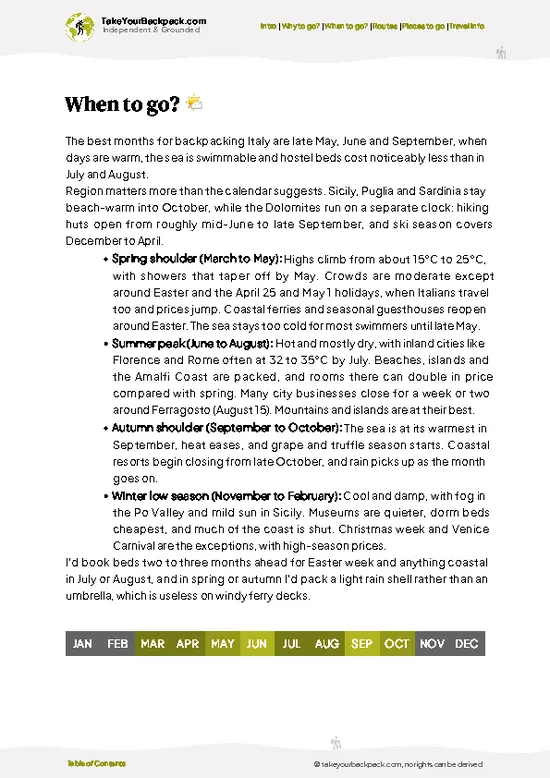
Spring

Spring is a prime time for hiking in Italy. Temperatures are mild, typically ranging from cool to pleasantly warm. Snow is melting in higher altitudes, making trails more accessible. Daylight hours are increasing, allowing for longer hikes. However, be aware of occasional rainfall, especially in the early months. This can create muddy conditions, so proper footwear is essential.

Summer

Summer brings warmth and long days, perfect for hiking. However, heat can be intense, particularly in lower elevations. Higher trails remain cooler but can be crowded. This is peak season, so expect more hikers and higher prices. Early morning starts are crucial to avoid the heat and ensure safety. Hydration becomes vital as temperatures soar.

Autumn

Autumn offers a sweet spot for hiking. The weather … read more 👉

Spring

Spring is a prime time for hiking in Italy. Temperatures are mild, typically ranging from cool to pleasantly warm. Snow is melting in higher altitudes, making trails more accessible. Daylight hours are increasing, allowing for longer hikes. However, be aware of occasional rainfall, especially in the early months. This can create muddy conditions, so proper footwear is essential.

Summer

Summer brings warmth and long days, perfect for hiking. However, heat can be intense, particularly in lower elevations. Higher trails remain cooler but can be crowded. This is peak season, so expect more hikers and higher prices. Early morning starts are crucial to avoid the heat and ensure safety. Hydration becomes vital as temperatures soar.

Autumn

Autumn offers a sweet spot for hiking. The weather is generally stable, with cooler temperatures and fewer crowds. The changing foliage adds a stunning backdrop. Daylight hours begin to shorten, but conditions remain favorable. Rainfall can increase, especially later in the season, so be prepared for wet trails. This time is often less expensive than summer, making it a smart choice.

Winter

Winter hiking is a mixed bag. Lower trails may be muddy or icy, while higher elevations can be snow-covered. Conditions vary widely, and safety becomes a concern due to shorter daylight hours and potential storms. Specialized gear is often necessary. For those seeking solitude and a unique experience, winter can be rewarding, but caution is key.

Shoulder Seasons

Shoulder seasons—spring and autumn—offer a balance of good weather and manageable crowds. Costs are generally lower, and conditions are often ideal for hiking. However, be mindful of changing weather patterns and prepare for variability. Planning around these seasons can maximize the hiking experience while minimizing risks.

hike hoppingPlanning Your Route Efficiently

General Routing Logic

Italy’s hiking trails are a patchwork of stunning landscapes, each region offering its own flavor. Start in the north with the Dolomites, where jagged peaks and lush valleys await. Move south through Tuscany, where rolling hills and vineyards provide a different kind of beauty. Finally, hit the Amalfi Coast for dramatic cliffs and coastal views. This north-to-south routing allows for a natural progression, minimizing travel time between hikes while maximizing scenic diversity.

Typical Time Needed

Plan for at least three to four days in each region. This allows for two to three hikes per area, with recovery time factored in. Each hike can range from three to eight hours, depending on difficulty and altitude. Factor in an extra day for rest or exploration. This pacing … read more 👉

General Routing Logic

Italy’s hiking trails are a patchwork of stunning landscapes, each region offering its own flavor. Start in the north with the Dolomites, where jagged peaks and lush valleys await. Move south through Tuscany, where rolling hills and vineyards provide a different kind of beauty. Finally, hit the Amalfi Coast for dramatic cliffs and coastal views. This north-to-south routing allows for a natural progression, minimizing travel time between hikes while maximizing scenic diversity.

Typical Time Needed

Plan for at least three to four days in each region. This allows for two to three hikes per area, with recovery time factored in. Each hike can range from three to eight hours, depending on difficulty and altitude. Factor in an extra day for rest or exploration. This pacing helps avoid burnout and keeps energy levels high for the next adventure.

Common Planning Mistakes

One major pitfall is overestimating stamina. Hikers often underestimate the physical toll of altitude and terrain. Prioritize quality over quantity; it’s better to savor a few hikes than to rush through many. Also, don’t ignore logistics. Public transport can be unreliable in rural areas, so consider renting a car for flexibility.

Trade-offs and Constraints

Balancing speed and depth of experience is crucial. Rushing through hikes may save time but sacrifices immersion in the landscape. Budget constraints can also affect comfort levels; consider splurging on accommodations that enhance recovery. Ultimately, the effort put into planning and pacing will yield richer experiences and deeper connections to Italy’s breathtaking trails.

The ListMust-Visit hikes in Italy

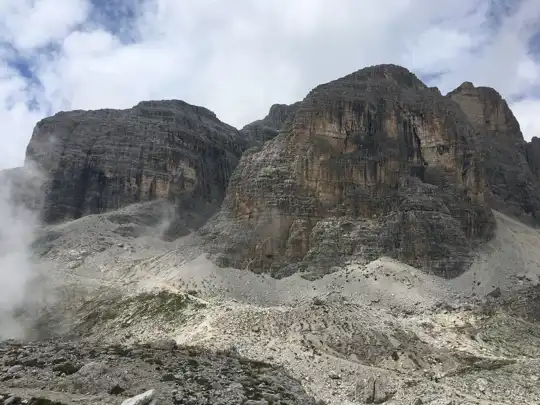
1 Dolomites Alta Via 1

dolomite spires, mountain huts, high-altitude traverses

Move from alpine lakes to rocky passes, staying in rifugi and witnessing the region’s shifting light and dramatic geology.

Italy - Dolomites Alta Via 1

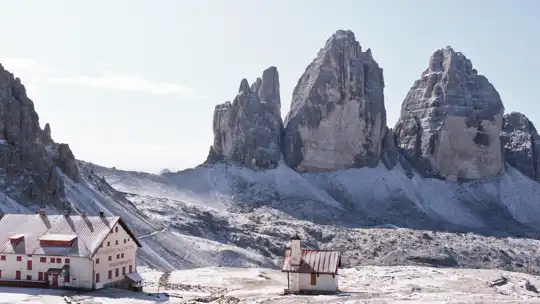
2 Dolomites’ Tre Cime di Lavaredo

towering peaks, loop circuit, alpine plateaus

Circle iconic rock formations on well-marked trails, encountering wildflower meadows and stark stone landscapes at every turn.

Italy - The Dolomites’ Tre Cime di Lavaredo

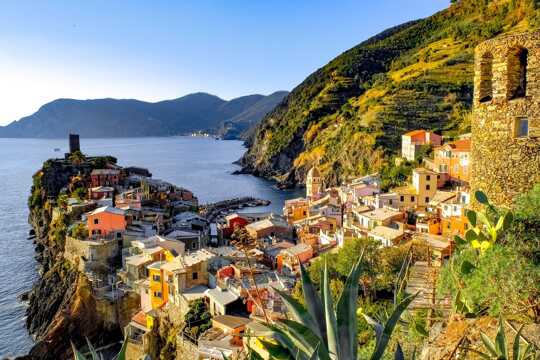
3 Sentiero Azzurro (Cinque Terre)

vineyard terraces, cliffside paths, pastel villages

Follow a narrow route linking five coastal settlements, with steep ascents and sea views shaped by centuries of human cultivation.

Italy - Sentiero Azzurro (Cinque Terre)

4 Path of the Gods (Sentiero degli Dei)

limestone cliffs, Mediterranean views, cliffside villages

Walk narrow trails above the sea, with terraced slopes and distant islands unfolding beneath you on this dramatic coastal traverse.

italy-hike-path-of-the-gods-sentiero-degli-dei
© Google |

5 Selvaggio Blu

limestone escarpments, remote coves, technical scrambling

Navigate rugged cliffs and hidden beaches, relying on route-finding skills and endurance along Sardinia’s most demanding coastal trek.

6 Via Francigena

pilgrimage route, rolling countryside, medieval towns

Trace a centuries-old journey across varied terrain, passing vineyards, wheat fields, and fortified villages on the way to Rome.

7 Gran Paradiso Trek

alpine wildlife, glacial valleys, national park

Ascend through larch forests and high meadows, passing ibex and marmots, while traversing Italy’s oldest protected mountain landscapes.

italy-hike-gran-paradiso-trek
© Google |

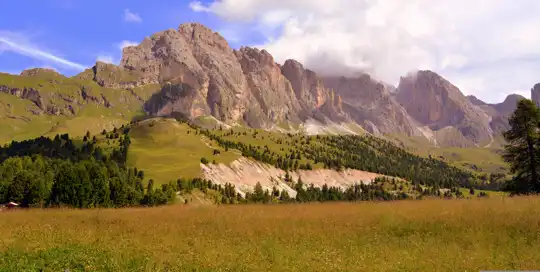
8 Puez-Odle Altopiano

karst plateau, fossil beds, secluded valleys

Traverse a high limestone plateau, discovering rare flora and expansive vistas above the more traveled Dolomites valleys.

Italy - Puez-Odle Altopiano

9 Via degli Dei

Etruscan roads, forest ridges, Bologna to Florence

Follow ancient stone paths over wooded hills, linking two iconic cities while revealing traces of lost civilizations and rural life.

10 Alta Via dei Monti Liguri

ridge walks, maritime Alps, panoramic horizons

Traverse high crests with sweeping views of both mountains and sea, moving through changing ecosystems and isolated hamlets.

11 Val d’Orcia Trail

rolling hills, cypress avenues, Renaissance villages

Cross undulating farmland and pass through UNESCO-listed towns, experiencing the agricultural rhythms and architectural heritage of Tuscany.

Loading the map 🌍

Expert viewTips and Advice from Travelers

Essential Hikes


Italy is a hiker’s paradise, but not every trail is worth your time. Aim for three to five hikes that truly capture the essence of the country. The Dolomites, for instance, offer breathtaking views and challenging terrain. Expect to spend a full day on these trails, with some routes demanding a solid fitness level. The altitude can hit you hard, especially if you’re not acclimated, so pace yourself.

In contrast, the coastal trails of the Cinque Terre are more forgiving but can get crowded. You’ll want to start early to avoid the throngs of tourists. The trails here are well-marked, but don’t underestimate the heat in summer. Bring plenty of water and snacks. The trade-off? You’ll sacrifice solitude for stunning views and charming villages.

Overrated Hikes


Some trails … read more 👉

Essential Hikes


Italy is a hiker’s paradise, but not every trail is worth your time. Aim for three to five hikes that truly capture the essence of the country. The Dolomites, for instance, offer breathtaking views and challenging terrain. Expect to spend a full day on these trails, with some routes demanding a solid fitness level. The altitude can hit you hard, especially if you’re not acclimated, so pace yourself.

In contrast, the coastal trails of the Cinque Terre are more forgiving but can get crowded. You’ll want to start early to avoid the throngs of tourists. The trails here are well-marked, but don’t underestimate the heat in summer. Bring plenty of water and snacks. The trade-off? You’ll sacrifice solitude for stunning views and charming villages.

Overrated Hikes


Some trails are hyped but don’t deliver. The Path of the Gods on the Amalfi Coast is one such example. Yes, it’s picturesque, but the crowds can ruin the experience. If you’re looking for tranquility, skip it. Instead, consider lesser-known paths in the surrounding hills. They may not have the same Instagram appeal, but they offer a more authentic connection to the landscape and local culture.

Another overrated spot is the hike to the top of Mount Vesuvius. The views are decent, but the experience feels more like a tourist trap than a genuine adventure. You’ll be surrounded by other hikers who are more interested in snapping selfies than soaking in the history. If you’re keen on volcanoes, look for guided tours that take you off the beaten path.

Planning Your Hikes


When planning your hikes, consider regional variations. Northern Italy tends to have more rugged terrain, while the south offers gentler slopes. This means your fitness level should dictate your choices. If you’re not in peak shape, stick to the easier trails in Tuscany or Umbria. They provide a chance to enjoy the landscape without overexerting yourself.

Budget-wise, expect to spend on transportation, especially if you’re venturing into the mountains. Public transport can be hit or miss, so renting a car might be your best bet for accessing remote trails. Factor in the cost of food and lodging, too. Many trails have nearby towns where you can refuel, but prices can vary widely.

Safety Considerations


Safety is paramount. Always check the weather before heading out. Storms can roll in quickly, especially in the mountains. Carry a map and a compass, even if you’re using GPS. Cell service can be spotty, and you don’t want to find yourself lost in unfamiliar terrain.

Cultural considerations also play a role. Italians take pride in their land, so respect local customs. If you’re hiking through vineyards or farmland, stay on marked paths and avoid trespassing. It’s not just about the trails; it’s about the people who call this land home.

Recovery and Pacing


Recovery is often overlooked but crucial for a successful hiking trip. After a long day on the trails, give yourself time to rest. Stretching and hydration are key. If you’re hiking multiple days in a row, consider alternating between harder and easier trails to avoid burnout.

Pacing is equally important. Don’t rush; take time to enjoy the scenery. The best moments often happen when you pause to soak it all in. If you’re hiking with a group, communicate your pace. Everyone has different fitness levels, and it’s better to adjust than to leave someone behind.

In summary, Italy’s hiking trails offer a spectrum of experiences. Prioritize the essential hikes that resonate with your interests and fitness level. Avoid the overrated spots that promise more than they deliver. Plan wisely, respect the land and its people, and take the time to recover and enjoy the journey. The trails are waiting, and they have stories to tell.

✈️ The backpacker research shortcutItaly Travel Guide

An offline-friendly backpacking guide with optimized travel routes, ranked highlights, transport advice, and the best areas to stay.
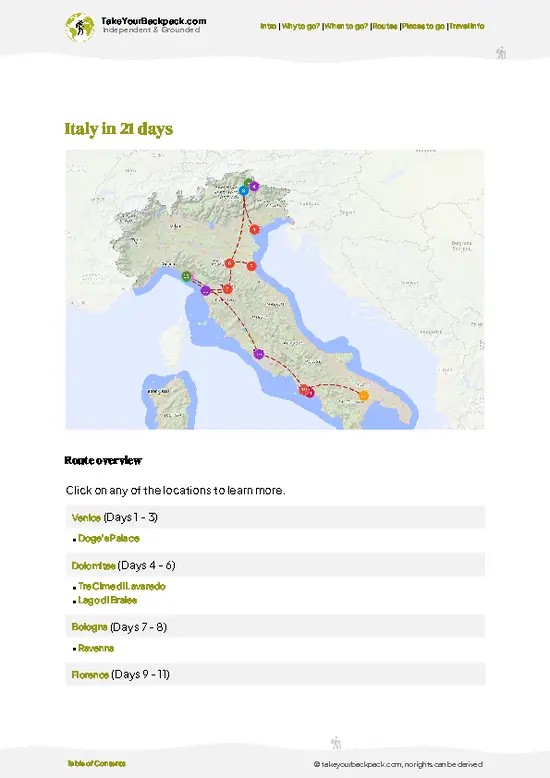
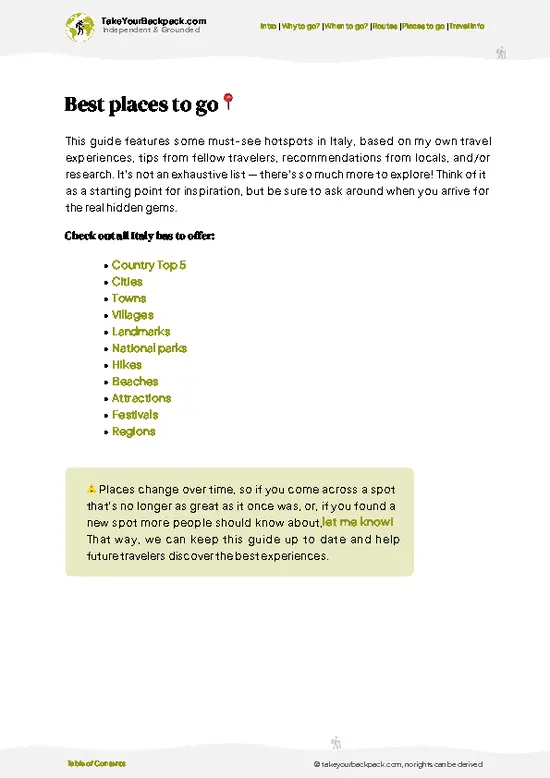
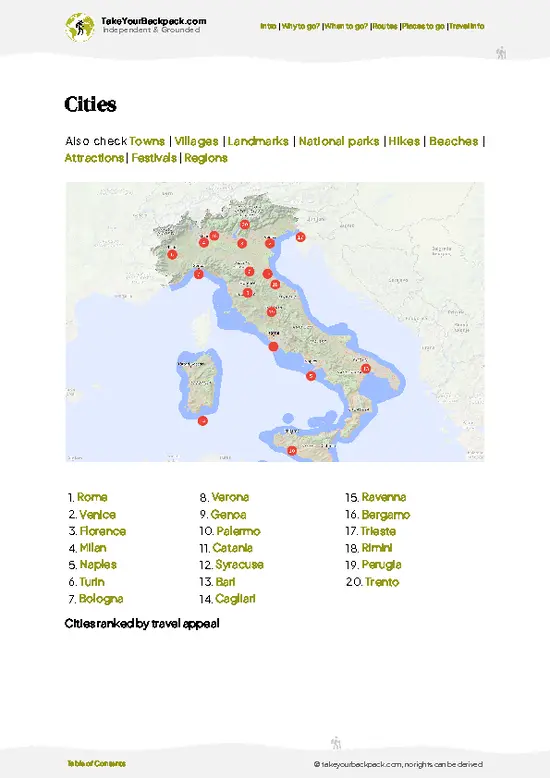
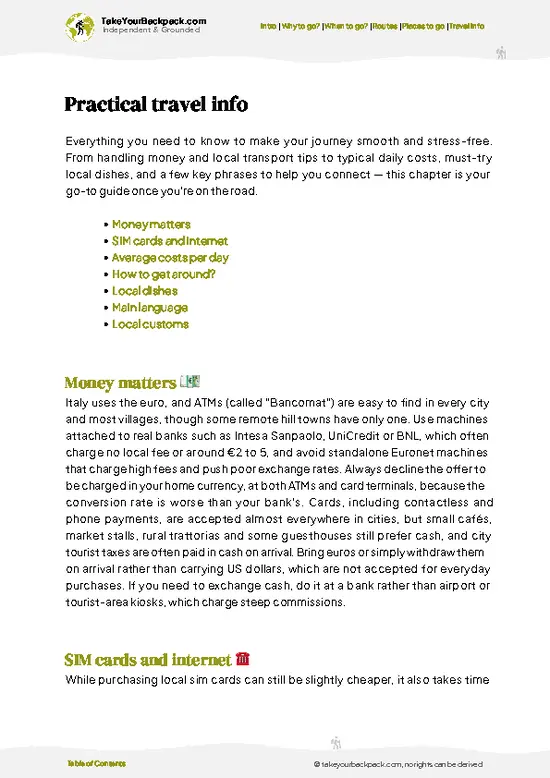
example page 0 from our offline Travel Guide for Italy
example page 1 from our offline Travel Guide for Italy
example page 2 from our offline Travel Guide for Italy
example page 3 from our offline Travel Guide for Italy
example page 4 from our offline Travel Guide for Italy
example page 5 from our offline Travel Guide for Italy
example page 6 from our offline Travel Guide for Italy
example page 7 from our offline Travel Guide for Italy
The digital guide (526 pages) contains:
143 highlights, ranked by travel appeal
Optimized 7, 14 & 21-day travel routes
Cities, national parks, landmarks, beaches
How to get around
Offline-friendly for travel without Wi-Fi
👉 Click to see all 30+ guide features

📅 Plan smarter in minutes, not weeks
Month by month travel advice
Festivals & national holidays
Budget expectations

🗺️ Go to the right places, skip the overrated ones
Honest pros & cons of destinations
Top hikes, parks & viewpoints
Lesser-known places most travelers miss
Clear “worth it vs skip it” guidance

🛏️ Travel smoothly without rookie mistakes
Best areas to stay
Transport systems explained simply
Common scams & safety advice
SIM cards, money & practical tips

🌍 Understand the country, not just visit it
Culture & traditions
52 Essential phrases & customs
Festivals worth planning around
Traveler-friendly historical context
Insights that make places more meaningful

📱 Built for real travel conditions
Fully downloadable PDF
Works completely offline
Optimized for phone use
Useful in remote areas & buses
Everything in one place
Save weeks of stressful planning
Get instant access to your full guide. 30‑day money-back guarantee.
+ Add another guide for just US$7.80

By proceeding you agree to our terms.
Sent to your inbox immediately after payment • 100% Secure Checkout
Best Backpacking Travel Advisor 2025 tourism awardBest Backpacking
Travel Advisor
2025
What others say about Take Your Backpack Guides:
⭐⭐⭐⭐⭐
Fantastic, amazing amount of information!
⭐⭐⭐⭐⭐
My goodness this is amazing, it's what I've been looking for hats off too you!
⭐⭐⭐⭐⭐
I think this is absolutely BRILLIANT
⭐⭐⭐⭐
Very complete and informative. It's still missing places, but I gotta to commend you
⭐⭐⭐⭐⭐
This is truly amazing, thank you, can't wait to explore it with my kids!
⭐⭐⭐⭐⭐
Awesome resource, thank you!
⭐⭐⭐⭐⭐
This is amazing! Can't wait to explore the ones I haven't seen
⭐⭐⭐⭐
I love this! Well done, great idea.
⭐⭐⭐⭐⭐
Thanks for taking the time to make this gem!
⭐⭐⭐⭐⭐
This might be the best website I've ever seen.
⭐⭐⭐⭐⭐
Congratulations, and thank you so much for your work; it's incredibly valuable.
⭐⭐⭐⭐
In all seriousness I think you did a great job pointing out the important spots
⭐⭐⭐⭐⭐
10/10 very good
⭐⭐⭐⭐⭐
As someone who's only just starting to visit regularly this is awesome, thank you.
⭐⭐⭐⭐
Thank you very much! I'm going to visit my dad, it's going to be very useful!
⭐⭐⭐⭐⭐
This is really cool! We'll be travelling for the first time and this definitely come in handy.
⭐⭐⭐⭐⭐
You are now our minister of culture, congratulations 👨‍💼
⭐⭐⭐⭐⭐
Just wanted to tell you that this is a pearl! Going to follow your recommendations.
⭐⭐⭐⭐⭐
This is so cool. I'll definitely be using the resource for my travels soon.
⭐⭐⭐⭐⭐
This is very impressive! Good work.
⭐⭐⭐⭐⭐
This is an amazing and informative site. Very well done!

🛏️ Where to stay?Top Places to Consider Staying

Yes — hostels and budget guesthouses are widespread across Italy, especially in major cities, tourist towns and near train stations; book ahead for summer and holiday weekends to avoid paying a premium or being stuck with very limited options.
Best concentrations: Rome — Termini (cheapest, top transport links, noisy and can feel seedy at night), Trastevere (atmosphere and nightlife, slightly pricier), Monti (central and quieter); Florence — Santa Maria Novella (near train and sights, busy), Oltrarno (quieter, local vibe); Venice — Cannaregio (more budget options, residential and safer at night), Dorsoduro (student scene and bars); Milan — Central/Brera (good transport, pricier), Navigli (nightlife); … read more 👉
Yes — hostels and budget guesthouses are widespread across Italy, especially in major cities, tourist towns and near train stations; book ahead for summer and holiday weekends to avoid paying a premium or being stuck with very limited options.
Best concentrations: Rome — Termini (cheapest, top transport links, noisy and can feel seedy at night), Trastevere (atmosphere and nightlife, slightly pricier), Monti (central and quieter); Florence — Santa Maria Novella (near train and sights, busy), Oltrarno (quieter, local vibe); Venice — Cannaregio (more budget options, residential and safer at night), Dorsoduro (student scene and bars); Milan — Central/Brera (good transport, pricier), Navigli (nightlife); Bologna — Station/student area (cheap, lively); Naples — Historic Centre (very central, chaotic and noisy).
Trade-offs are clear: station areas save time and cash but add noise and late crowds, central/atmospheric neighborhoods cost more but put you next to highlights, and choosing dorms over private rooms maximizes savings at the expense of privacy and sometimes secure storage.

If you enjoy meeting fellow travelers, consider choosing hostels with high ratings for atmosphere. On the other hand, if you prefer having your own space, a hotel might be a better option.

ItalyMore Places Across Italy

👋 Meet the founderWho’s Behind Take Your Backpack?

Johan, backpacker and founder of TakeYourBackpackHi, I’m Johan (Netherlands 🇳🇱), the creator of TakeYourBackpack. Over the past decade, I’ve backpacked through 80+ countries across six continents, gaining extensive experience with independent travel, long-term trips, and overland routes.

This site is built on a combination of firsthand travel experience and carefully curated insights from other backpackers. Many guides are based on places I’ve personally visited, while others bring together tips, observations, and practical advice shared by trusted travelers I’ve met along the way.

The goal is to provide realistic, experience-driven guidance — not generic itineraries — so you can explore destinations with better context, clearer expectations, and more confidence.

Get full Italy guide •
Instant download • 143 highlights • Full Offline guide