×

Italy🇮🇹 | best festivalsWhere to Find the 10 Best festivals in Italy

In Italy, festivals are the heartbeat of culture, showcasing vibrant traditions that vary dramatically from region to region. From the carnival in Venice, where elaborate masks and costumes take center stage, to the Palio di Siena, a thrilling horse race steeped in history, each festival offers a unique lens into local life.

Timing is crucial; summer brings bustling crowds and lively celebrations, while winter festivals often provide a more intimate experience. For backpackers and independent travelers, choosing the right festival can transform your journey. It affects not just the vibe but also your budget and safety. Smaller, local festivals often mean lower costs and a chance to mingle with residents, while larger events can be overwhelming and pricey.

Navigating these options with an understanding of regional nuances will enhance your cultural immersion, making your Italian adventure truly unforgettable.

By Johan Kruseman 🇳🇱 | Updated September 5, 2026
Explore the best regions in Italy

Why go?Why These festival Stand Out

Festivals in Italy are a cultural tapestry woven from centuries of history, art, and community spirit. Unlike many countries, Italy’s festivals often stem from deep-rooted traditions, celebrating everything from religious observances to local harvests. This rich heritage creates a unique atmosphere that’s hard to replicate elsewhere. The energy at these events is palpable, drawing locals and travelers alike into a shared experience that transcends mere observation.

Timing is crucial. Many festivals align with seasonal changes, offering a glimpse into the agricultural calendar and local customs. Spring brings vibrant celebrations of renewal, while autumn showcases harvest festivals that highlight Italy’s culinary prowess. However, this seasonal timing can also mean crowds. Popular festivals … read more 👉
Festivals in Italy are a cultural tapestry woven from centuries of history, art, and community spirit. Unlike many countries, Italy’s festivals often stem from deep-rooted traditions, celebrating everything from religious observances to local harvests. This rich heritage creates a unique atmosphere that’s hard to replicate elsewhere. The energy at these events is palpable, drawing locals and travelers alike into a shared experience that transcends mere observation.

Timing is crucial. Many festivals align with seasonal changes, offering a glimpse into the agricultural calendar and local customs. Spring brings vibrant celebrations of renewal, while autumn showcases harvest festivals that highlight Italy’s culinary prowess. However, this seasonal timing can also mean crowds. Popular festivals attract throngs of visitors, which can dilute the immersive experience. The trade-off here is clear: choose a bustling event for the energy or seek out smaller gatherings for a more intimate connection.

Italy’s geography plays a significant role in festival culture. From the mountains to the coast, each region has its own unique celebrations, influenced by local customs and climate. However, accessibility can be a challenge. Remote villages may host incredible festivals, but getting there often requires time and effort. This can be a worthwhile investment for those seeking authenticity, but it’s essential to weigh the logistics against the potential for deeper exploration.

In summary, Italy’s festivals are not just events; they are living expressions of its culture and history. Understanding the nuances of timing, crowd dynamics, and geographical considerations is vital for anyone looking to engage meaningfully with these vibrant celebrations. The rewards are immense, but so are the trade-offs.
Our Approach to Ranking
The list of best festivals in Italy is created based on energy, traditions, crowd experience, activities, and overall excitement. If you feel a festival is missing in this list, please let us know.

When to go?Best Time to Visit Italy for festivals

Seasonality plays a crucial role in Italy’s festival landscape. The country experiences a Mediterranean climate, with hot summers and mild winters. Spring and fall are often the most pleasant times to visit, offering comfortable temperatures and vibrant local life.

Spring is a prime time for festivals. As the weather warms, towns come alive with celebrations. This season typically features religious festivals, flower festivals, and food fairs. However, expect larger crowds as tourists flock to experience the blooming landscapes and cultural events.

Summer brings peak energy but also peak crowds. Major festivals occur during this time, often featuring music, art, and food. The atmosphere is electric, but the heat can be intense. Prices for accommodations and travel spike, and navigating … read more 👉
Seasonality plays a crucial role in Italy’s festival landscape. The country experiences a Mediterranean climate, with hot summers and mild winters. Spring and fall are often the most pleasant times to visit, offering comfortable temperatures and vibrant local life.

Spring is a prime time for festivals. As the weather warms, towns come alive with celebrations. This season typically features religious festivals, flower festivals, and food fairs. However, expect larger crowds as tourists flock to experience the blooming landscapes and cultural events.

Summer brings peak energy but also peak crowds. Major festivals occur during this time, often featuring music, art, and food. The atmosphere is electric, but the heat can be intense. Prices for accommodations and travel spike, and navigating through throngs of tourists can detract from the experience.

Fall offers a sweet spot for festival-goers. The harvest season brings food and wine festivals, showcasing local produce and culinary traditions. The weather remains mild, and crowds begin to thin out, making it easier to engage with locals and enjoy authentic experiences. Costs also tend to drop as the high season wanes.

Winter is quieter, with fewer festivals, but it has its charm. Christmas markets and New Year celebrations provide a unique cultural experience. However, many events are smaller, and some regions may be less accessible due to weather conditions.

Trade-offs are essential to consider. Peak periods offer vibrant atmospheres but come with high costs and crowds. Shoulder seasons provide a balance of enjoyable weather and fewer tourists, allowing for a more intimate experience. Planning around these seasonal dynamics can enhance the festival experience in Italy.

festival hoppingPlanning Your Route Efficiently

Regional Clustering
Italy’s festivals are often tied to specific regions, so start by grouping them geographically. Northern Italy is rich with events like the Venice Carnival and the Palio di Siena in Tuscany. Moving south, you’ll find the vibrant Tarantella Festival in Calabria and the Feast of San Gennaro in Naples. This clustering minimizes travel time and maximizes festival immersion.

Optimal Sequencing
Plan your route to flow logically. Begin in the north, then head south. This approach not only saves time but also allows for a gradual acclimatization to the cultural shifts. For instance, after experiencing the grandeur of Venice, the intimate charm of Siena will feel like a natural progression.

Timing and Pacing
Allocate at least two to three days for each major festival. This … read more 👉
Regional Clustering
Italy’s festivals are often tied to specific regions, so start by grouping them geographically. Northern Italy is rich with events like the Venice Carnival and the Palio di Siena in Tuscany. Moving south, you’ll find the vibrant Tarantella Festival in Calabria and the Feast of San Gennaro in Naples. This clustering minimizes travel time and maximizes festival immersion.

Optimal Sequencing
Plan your route to flow logically. Begin in the north, then head south. This approach not only saves time but also allows for a gradual acclimatization to the cultural shifts. For instance, after experiencing the grandeur of Venice, the intimate charm of Siena will feel like a natural progression.

Timing and Pacing
Allocate at least two to three days for each major festival. This timeframe allows for participation in events without feeling rushed. Festivals often have multiple activities, so a leisurely pace lets you soak in the atmosphere. Avoid the common mistake of trying to cram too many events into a short period; it leads to burnout and missed experiences.

Trade-offs and Constraints
Consider the balance between speed and depth. Quick stops might seem efficient, but they often result in superficial experiences. Budget constraints can also affect comfort; opting for faster trains may save time but can lead to cramped conditions. Prioritize comfort when possible, as it enhances the overall experience.

Flexibility in Planning
Leave room for spontaneity. Festivals can change dates or have unexpected events. A flexible itinerary allows for adjustments without stress. Embrace the unexpected; it often leads to the most memorable moments.

The ListMust-Visit festivals in Italy

1 Venice Carnival

masks, grand balls, canal processions

Immerse yourself in a world of elaborate costumes, masked gatherings, and ornate events that fill Venice’s streets and palaces each winter.

2 Siena Palio

bareback horse race, medieval rivalry, Piazza del Campo

Feel the tension as neighborhoods compete in a fast-paced horse race, surrounded by pageantry and centuries-old traditions in Siena’s main square.

3 Alba White Truffle Fair

truffle markets, autumn harvest, Piedmont cuisine

Sample rare truffles at bustling stalls, join tastings, and experience the culinary traditions that define this seasonal event in Alba.

4 Umbria Jazz Festival

live jazz, hilltop venues, international artists

Hear renowned musicians perform in atmospheric settings, from open-air stages to intimate clubs scattered across Perugia’s historic center.

5 Verona Opera Festival

Roman amphitheater, open-air performances, summer evenings

Attend world-class opera under the stars, where historic stone seats and dramatic staging create an unforgettable musical experience.

6 Carnevale di Viareggio

giant floats, seaside parades, papier-mâché art

Watch elaborate floats parade along the coast, with satirical designs and lively crowds transforming the waterfront into a moving gallery.

7 Carnevale di Ivrea

orange battle, medieval costumes, town squares

Witness a unique orange-throwing spectacle, where locals in historic dress reenact a centuries-old rebellion through a dramatic street battle.

8 Florence Gelato Festival

artisan gelato, tasting stands, city piazzas

Taste inventive gelato flavors from top makers, with open-air sampling and demonstrations set against Florence’s Renaissance backdrop.

9 Infiorata di Noto

flower carpets, Baroque streets, springtime art

Walk through intricate floral mosaics that transform city lanes, with petals arranged into vivid designs celebrating the arrival of spring.

10 Festa della Madonna Bruna

Matera procession, fireworks, papier-mâché float

Follow a dramatic religious procession through ancient streets, culminating in the ritual destruction of a massive float and a fireworks display.

11 Festa di Sant’Agata

Catania procession, silver carriage, votive candles

Join thousands as they accompany Saint Agatha’s relics through Catania, with candlelit devotion and elaborate religious displays.

12 Festa dei Ceri

Gubbio race, wooden towers, local teams

Watch three teams race massive wooden structures through steep streets, a test of strength and coordination rooted in medieval tradition.

13 Sagra del Pesce

seafood feast, Ligurian coast, communal tables

Share freshly grilled fish with locals at long tables by the sea, where the focus is on simple flavors and community gathering.

14 Sagra del Tordo

archery contest, Montalcino fortress, medieval pageant

Experience archers in historic dress competing within castle walls, with food stalls and performances evoking Tuscany’s medieval past.

15 Festa della Rificolona

lantern parade, children’s crafts, Florence streets

See handmade lanterns carried through Florence after dark, as families and children light up the city with colorful paper creations.

16 Festa della Sensa

Venetian boats, lagoon rituals, symbolic marriage

Experience Venice’s centuries-old ritual as decorated boats glide across the lagoon, marking the city’s historic bond with the sea.

17 Festa di San Giovanni

Florence fireworks, river events, patron saint

Celebrate Florence’s patron with river regattas, historic games, and a major fireworks show lighting up the city skyline each June.

Think you know Italy?

Prove you’re a true local — uncover 7 lesser-known festivals in Italy that locals tend to keep to themselves.
Loading the map 🌍

Expert viewTips and Advice from Travelers

Essential Festivals

Italy is a festival powerhouse, and you should aim to experience at least three to five key events during your travels. Each festival offers a unique glimpse into the local culture, but timing is everything. The summer months are packed with vibrant celebrations, while spring and fall offer a more intimate feel.

Take the Palio di Siena, for instance. This horse race is not just about the competition; it’s a full-blown cultural spectacle. The energy is electric, but be prepared for crowds. If you want a good spot, arrive early and brace yourself for a long day. The trade-off? You’ll witness a tradition that’s been alive for centuries, but you’ll also be jostling with thousands of other eager spectators.

Another must-see is the Venice Carnival. The masks, the costumes, … read more 👉
Essential Festivals

Italy is a festival powerhouse, and you should aim to experience at least three to five key events during your travels. Each festival offers a unique glimpse into the local culture, but timing is everything. The summer months are packed with vibrant celebrations, while spring and fall offer a more intimate feel.

Take the Palio di Siena, for instance. This horse race is not just about the competition; it’s a full-blown cultural spectacle. The energy is electric, but be prepared for crowds. If you want a good spot, arrive early and brace yourself for a long day. The trade-off? You’ll witness a tradition that’s been alive for centuries, but you’ll also be jostling with thousands of other eager spectators.

Another must-see is the Venice Carnival. The masks, the costumes, the sheer spectacle—it’s a feast for the senses. However, Venice can feel like a theme park during this time, with inflated prices and throngs of tourists. If you’re on a budget, consider visiting during the quieter days of the festival. You’ll still catch the essence without breaking the bank or losing your sanity in the crowds.

Overrated Festivals

Now, let’s talk about some festivals that might not live up to the hype. The Umbria Jazz Festival, while famous, can be a mixed bag. Yes, you’ll hear world-class music, but the ticket prices can skyrocket, and the crowds can be overwhelming. If you’re not a die-hard jazz fan, you might find better value in smaller, local music events that happen throughout the year. They often feature local talent and provide a more authentic experience.

Similarly, the Festa della Madonna Bruna in Matera is often touted as a must-see. While the fireworks and procession are visually stunning, the event can feel commercialized and chaotic. If you’re looking for genuine cultural immersion, you might be better off exploring smaller, regional festivals that celebrate local traditions without the tourist trap vibe.

Planning Your Festival Experience

When planning your festival itinerary, consider regional variations. Northern festivals often focus on food and wine, while southern events may highlight religious traditions. This can affect not just the atmosphere but also your budget. Northern Italy can be pricier, especially during peak festival times, while the south often offers more affordable options.

Timing is crucial. Festivals often coincide with local harvests or religious calendars, so check the dates well in advance. If you’re flexible, aim for shoulder seasons—late spring or early fall—when you can enjoy festivals without the overwhelming crowds. You’ll find that the experience is richer when you’re not elbow-to-elbow with tourists.

Safety is another consideration. While Italy is generally safe, some festivals can attract pickpockets, especially in crowded areas. Keep your belongings secure and be aware of your surroundings. It’s also wise to respect local customs, especially during religious events. Dress modestly and be mindful of the significance of the celebrations.

Budget and Comfort Considerations

Expect to spend a range of money depending on the festival. Entrance fees can vary widely, and food and drink prices often spike during events. If you’re looking to save, seek out local eateries away from the main festival grounds. You’ll find authentic cuisine at a fraction of the price.

Comfort is key, especially if you’re planning to be on your feet all day. Wear comfortable shoes and dress in layers. Festivals can start early and go late, and the weather can change quickly. A light rain jacket can save your day if the skies open up unexpectedly.

Final Thoughts

Ultimately, the best festivals in Italy are those that resonate with you personally. Don’t just follow the crowd; choose events that align with your interests. Whether it’s food, music, or local traditions, there’s something for everyone.

Be prepared for trade-offs—crowds, costs, and cultural nuances—but remember that the rewards can be immense. The laughter, the music, the shared experiences with locals and fellow travelers—these are the moments that make your journey worthwhile. Embrace the chaos, and you’ll find that the heart of Italy beats strongest during its festivals.

✈️ The backpacker research shortcutItaly Travel Guide

An offline-friendly backpacking guide with optimized travel routes, ranked highlights, transport advice, and the best areas to stay.
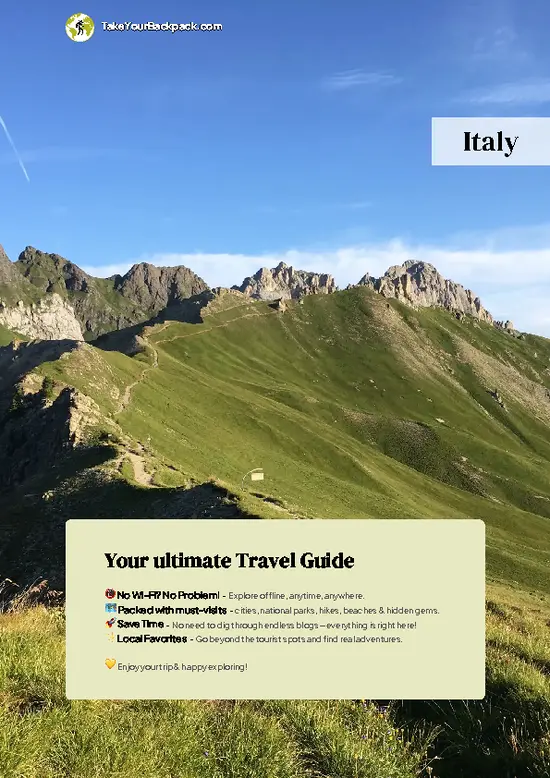
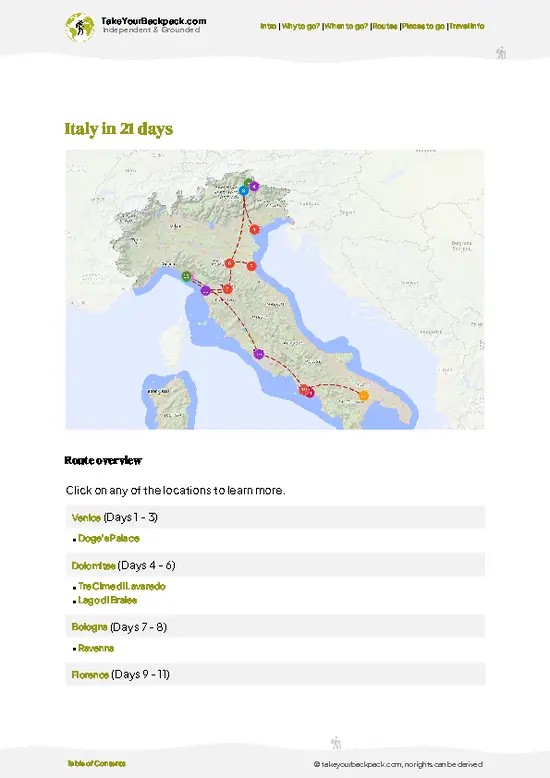
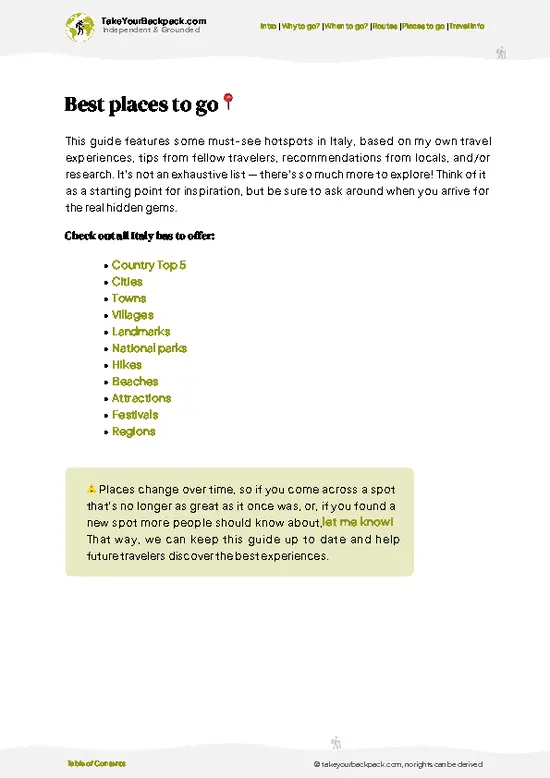
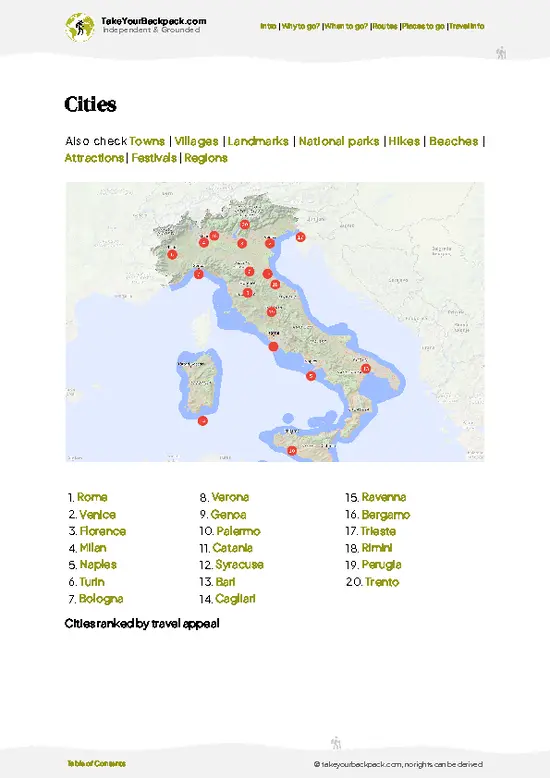
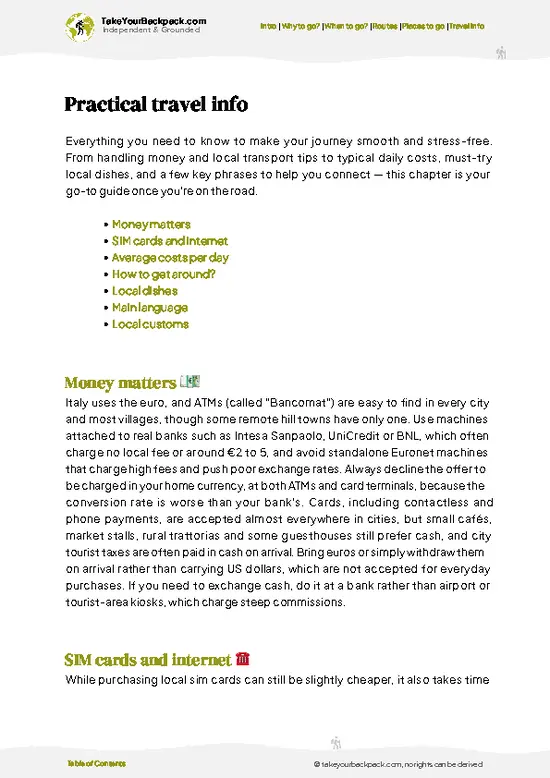
example page 0 from our offline Travel Guide for Italy
example page 1 from our offline Travel Guide for Italy
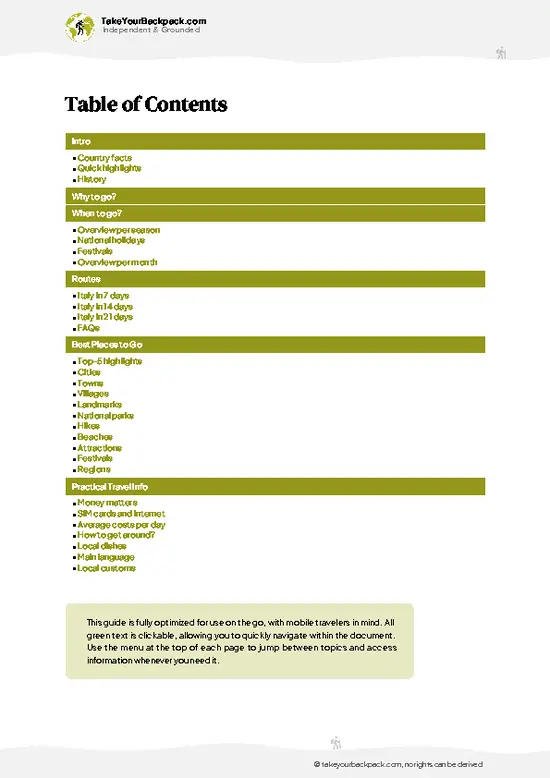
example page 2 from our offline Travel Guide for Italy
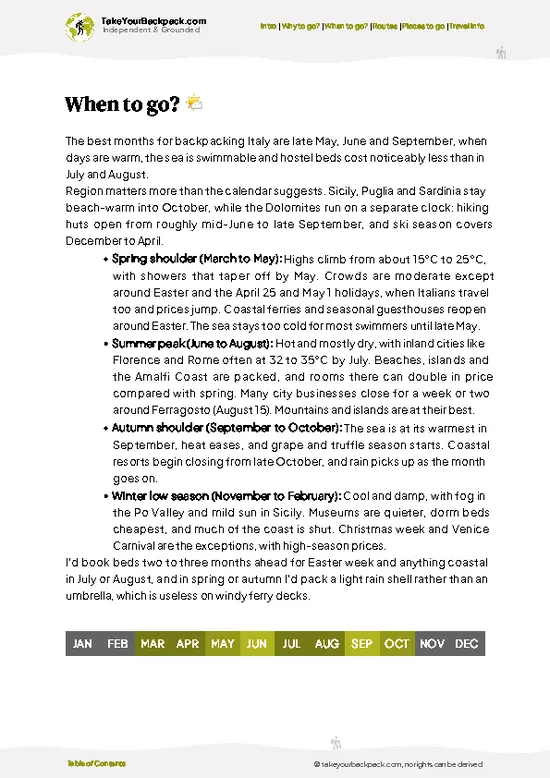
example page 3 from our offline Travel Guide for Italy
example page 4 from our offline Travel Guide for Italy
example page 5 from our offline Travel Guide for Italy
example page 6 from our offline Travel Guide for Italy
example page 7 from our offline Travel Guide for Italy
The digital guide (526 pages) contains:
143 highlights, ranked by travel appeal
Optimized 7, 14 & 21-day travel routes
Cities, national parks, landmarks, beaches
How to get around
Offline-friendly for travel without Wi-Fi
👉 Click to see all 30+ guide features

📅 Plan smarter in minutes, not weeks
Month by month travel advice
Festivals & national holidays
Budget expectations

🗺️ Go to the right places, skip the overrated ones
Honest pros & cons of destinations
Top hikes, parks & viewpoints
Lesser-known places most travelers miss
Clear “worth it vs skip it” guidance

🛏️ Travel smoothly without rookie mistakes
Best areas to stay
Transport systems explained simply
Common scams & safety advice
SIM cards, money & practical tips

🌍 Understand the country, not just visit it
Culture & traditions
52 Essential phrases & customs
Festivals worth planning around
Traveler-friendly historical context
Insights that make places more meaningful

📱 Built for real travel conditions
Fully downloadable PDF
Works completely offline
Optimized for phone use
Useful in remote areas & buses
Everything in one place
Save weeks of stressful planning
Get instant access to your full guide. 30‑day money-back guarantee.
+ Add another guide for just US$7.80

By proceeding you agree to our terms.
Sent to your inbox immediately after payment • 100% Secure Checkout
Best Backpacking Travel Advisor 2025 tourism awardBest Backpacking
Travel Advisor
2025
What others say about Take Your Backpack Guides:
⭐⭐⭐⭐⭐
Fantastic, amazing amount of information!
⭐⭐⭐⭐⭐
My goodness this is amazing, it's what I've been looking for hats off too you!
⭐⭐⭐⭐⭐
I think this is absolutely BRILLIANT
⭐⭐⭐⭐
Very complete and informative. It's still missing places, but I gotta to commend you
⭐⭐⭐⭐⭐
This is truly amazing, thank you, can't wait to explore it with my kids!
⭐⭐⭐⭐⭐
Awesome resource, thank you!
⭐⭐⭐⭐⭐
This is amazing! Can't wait to explore the ones I haven't seen
⭐⭐⭐⭐
I love this! Well done, great idea.
⭐⭐⭐⭐⭐
Thanks for taking the time to make this gem!
⭐⭐⭐⭐⭐
This might be the best website I've ever seen.
⭐⭐⭐⭐⭐
Congratulations, and thank you so much for your work; it's incredibly valuable.
⭐⭐⭐⭐
In all seriousness I think you did a great job pointing out the important spots
⭐⭐⭐⭐⭐
10/10 very good
⭐⭐⭐⭐⭐
As someone who's only just starting to visit regularly this is awesome, thank you.
⭐⭐⭐⭐
Thank you very much! I'm going to visit my dad, it's going to be very useful!
⭐⭐⭐⭐⭐
This is really cool! We'll be travelling for the first time and this definitely come in handy.
⭐⭐⭐⭐⭐
You are now our minister of culture, congratulations 👨‍💼
⭐⭐⭐⭐⭐
Just wanted to tell you that this is a pearl! Going to follow your recommendations.
⭐⭐⭐⭐⭐
This is so cool. I'll definitely be using the resource for my travels soon.
⭐⭐⭐⭐⭐
This is very impressive! Good work.
⭐⭐⭐⭐⭐
This is an amazing and informative site. Very well done!

🛏️ Where to stay?Top Areas to Stay

Yes — hostels and budget guesthouses are widespread across Italy, especially in major cities, tourist towns and near train stations; book ahead for summer and holiday weekends to avoid paying a premium or being stuck with very limited options.
Best concentrations: Rome — Termini (cheapest, top transport links, noisy and can feel seedy at night), Trastevere (atmosphere and nightlife, slightly pricier), Monti (central and quieter); Florence — Santa Maria Novella (near train and sights, busy), Oltrarno (quieter, local vibe); Venice — Cannaregio (more budget options, residential and safer at night), Dorsoduro (student scene and bars); Milan — Central/Brera (good transport, pricier), Navigli (nightlife); … read more 👉
Yes — hostels and budget guesthouses are widespread across Italy, especially in major cities, tourist towns and near train stations; book ahead for summer and holiday weekends to avoid paying a premium or being stuck with very limited options.
Best concentrations: Rome — Termini (cheapest, top transport links, noisy and can feel seedy at night), Trastevere (atmosphere and nightlife, slightly pricier), Monti (central and quieter); Florence — Santa Maria Novella (near train and sights, busy), Oltrarno (quieter, local vibe); Venice — Cannaregio (more budget options, residential and safer at night), Dorsoduro (student scene and bars); Milan — Central/Brera (good transport, pricier), Navigli (nightlife); Bologna — Station/student area (cheap, lively); Naples — Historic Centre (very central, chaotic and noisy).
Trade-offs are clear: station areas save time and cash but add noise and late crowds, central/atmospheric neighborhoods cost more but put you next to highlights, and choosing dorms over private rooms maximizes savings at the expense of privacy and sometimes secure storage.

If you enjoy meeting fellow travelers, consider choosing hostels with high ratings for atmosphere. On the other hand, if you prefer having your own space, a hotel might be a better option.

ItalyDiscover the Country

👋 Meet the founderWho’s Behind Take Your Backpack?

Johan, backpacker and founder of TakeYourBackpackHi, I’m Johan (Netherlands 🇳🇱), the creator of TakeYourBackpack. Over the past decade, I’ve backpacked through 80+ countries across six continents, gaining extensive experience with independent travel, long-term trips, and overland routes.

This site is built on a combination of firsthand travel experience and carefully curated insights from other backpackers. Many guides are based on places I’ve personally visited, while others bring together tips, observations, and practical advice shared by trusted travelers I’ve met along the way.

The goal is to provide realistic, experience-driven guidance — not generic itineraries — so you can explore destinations with better context, clearer expectations, and more confidence.

Get full Italy guide •
Instant download • 143 highlights • Full Offline guide