How many parks to visit: I would advise
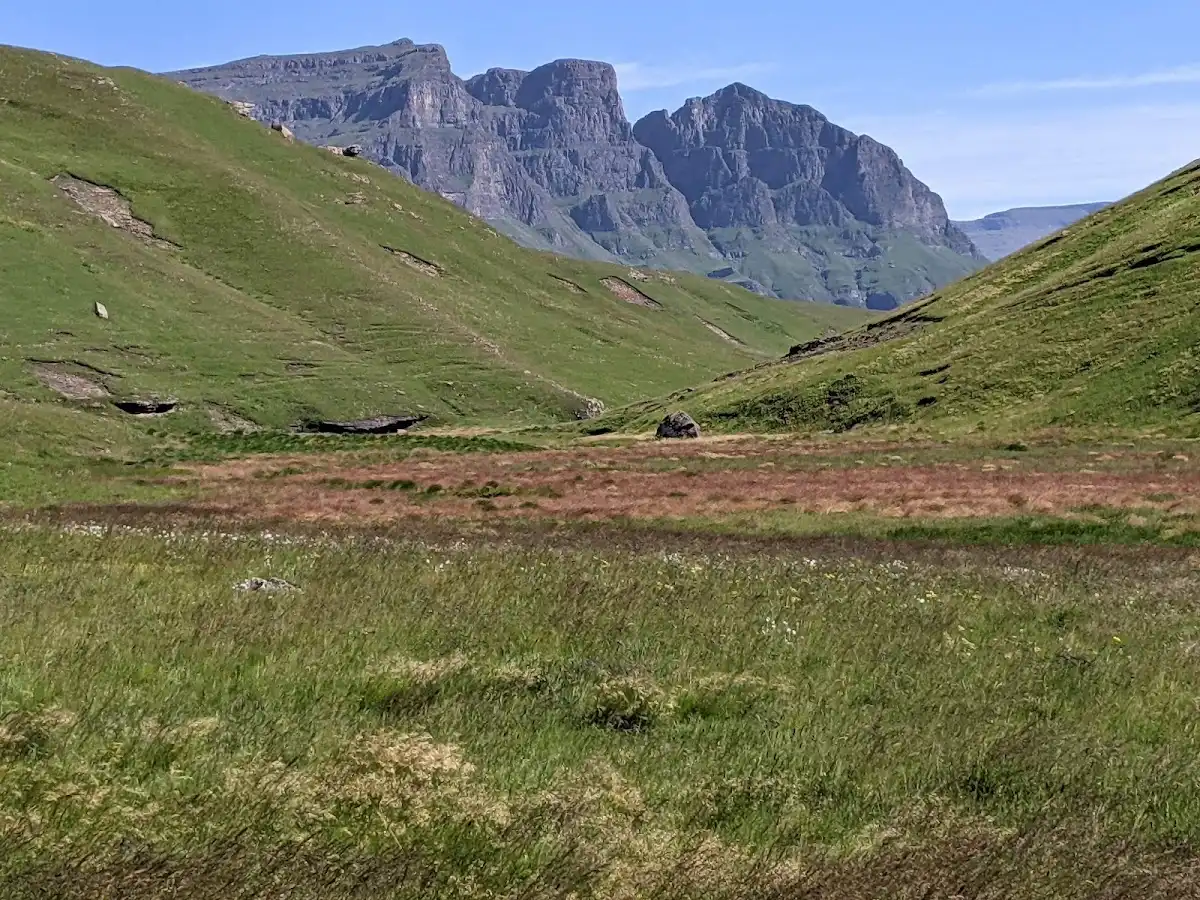
two or three parks in a single trip. Roads are slow, weather swings fast, and each stop deserves two full days of walking, with fog lifting off the ridges and the sound of wind through dry grass. Fewer parks means less time on rattling minibus rides and more time on the trail.
Which kind to prioritize: First-timers and short-stay travelers do best with the
lowland and easily reached parks, where tracks are shorter and help is nearer. Experienced trekkers with camping gear should aim for the
remote highland parks, where you may walk a day without seeing another hiker. Horse trekking suits anyone who wants high country views without the long, steep climbs, and the saddle gives you a closer view of herders and valleys.
What it costs: Plan on
US$25 to 50 a …
read more 👉 How many parks to visit: I would advise two or three parks in a single trip. Roads are slow, weather swings fast, and each stop deserves two full days of walking, with fog lifting off the ridges and the sound of wind through dry grass. Fewer parks means less time on rattling minibus rides and more time on the trail.Which kind to prioritize: First-timers and short-stay travelers do best with the lowland and easily reached parks, where tracks are shorter and help is nearer. Experienced trekkers with camping gear should aim for the remote highland parks, where you may walk a day without seeing another hiker. Horse trekking suits anyone who wants high country views without the long, steep climbs, and the saddle gives you a closer view of herders and valleys.What it costs: Plan on US$25 to 50 a day for budget travel, covering simple lodging or camping, food and shared transport. Park entry is modest, often around 50 to 100 maloti (about US$3 to 6), while guides or pony hire usually run 200 to 500 maloti (about US$11 to 28) a day. Allow a further US$20 to 60 for rough-road transfers or a hired 4x4 to remote trailheads. Carry plenty of cash, as card machines and ATMs disappear beyond the towns.Safety and culture: Weather is the main hazard. Mist and hail can arrive within an hour, so pack a waterproof shell, warm layers and a map, and start hikes early. Rivers swell quickly in summer, so do not push a crossing. Greet herders and villagers first, a polite “Lumela” goes a long way, and ask before photographing people. Livestock graze everywhere, and a guide helps with route finding and local etiquette while supporting the community. Avoid walking alone after dark.






 Best Backpacking
 Hi, I’m Johan (Netherlands 🇳🇱), the creator of TakeYourBackpack. Over the past 3 decades, I’ve backpacked through 90+ countries across six continents, gaining extensive experience with independent travel, long-term trips, and overland routes.