×

Morocco🇲🇦 | best villagesTop-Rated 2 villages in Morocco

Morocco’s villages are a tapestry of culture, tradition, and breathtaking landscapes. Each region offers a distinct vibe, from the rugged Atlas Mountains to the coastal charm of the Mediterranean. Choosing the right village can dramatically impact your backpacking experience. For instance, the bustling markets of Marrakech contrast sharply with the serene, traditional life in Chefchaouen. Seasonal activities vary too; summer brings vibrant festivals, while winter offers a quieter, more introspective atmosphere. Understanding these nuances helps you navigate budget, safety, and cultural immersion effectively. Dive into Morocco’s villages to uncover the authentic magic that lies beyond the tourist traps.

By Johan Kruseman 🇳🇱 | Updated June 9, 2026
Explore the best landmarks in Morocco

Why go?Why These village Stand Out

In Morocco, villages are more than just picturesque backdrops; they are living testaments to a rich tapestry of tradition and culture. Unlike many countries where rural areas can feel homogenized, Moroccan villages pulse with authenticity. Here, age-old practices thrive, from handwoven textiles to agricultural techniques passed down through generations. This connection to the past is palpable, making each visit a dive into a world that feels untouched by time.

However, accessing these villages often comes with trade-offs. Many are tucked away in the Atlas Mountains or along the coast, requiring significant travel time. The roads can be rough, and public transport is limited, which can be frustrating. Yet, this very isolation fosters a deeper connection to the landscape and its people. The … read more 👉
In Morocco, villages are more than just picturesque backdrops; they are living testaments to a rich tapestry of tradition and culture. Unlike many countries where rural areas can feel homogenized, Moroccan villages pulse with authenticity. Here, age-old practices thrive, from handwoven textiles to agricultural techniques passed down through generations. This connection to the past is palpable, making each visit a dive into a world that feels untouched by time.

However, accessing these villages often comes with trade-offs. Many are tucked away in the Atlas Mountains or along the coast, requiring significant travel time. The roads can be rough, and public transport is limited, which can be frustrating. Yet, this very isolation fosters a deeper connection to the landscape and its people. The challenge of getting there often rewards travelers with immersive experiences that are hard to find elsewhere.

Morocco’s climate also plays a role in village life. Summers can be scorching, while winters bring snow to the mountains, affecting accessibility. Understanding these seasonal shifts is crucial for planning your visit. Ultimately, the unique blend of cultural richness, geographic diversity, and the commitment to preserving traditional ways make Moroccan villages a compelling destination, despite the logistical hurdles.
Our Approach to Ranking
The list of best villages in Morocco is created based on authenticity, scenic beauty, community spirit, traditions, and overall character. If you feel a village is missing in this list, please let us know.

When to go?Timing Your Visit for the Best Experience

Seasonality and Villages in Morocco


Visiting villages in Morocco is deeply influenced by the seasons. The country experiences a diverse climate, with significant variations between regions. Generally, spring (March to May) and fall (September to November) are the most favorable times. During these months, temperatures are mild, making it easier to explore rural areas without the oppressive heat of summer or the chill of winter.

Summer can be scorching, especially in the interior regions. Villages may become quieter as locals retreat to cooler areas or take a break from farming activities. This can lead to a less authentic experience, as fewer people are around to share their stories and traditions. Conversely, winter brings cold temperatures and occasional snow in higher altitudes, which … read more 👉

Seasonality and Villages in Morocco


Visiting villages in Morocco is deeply influenced by the seasons. The country experiences a diverse climate, with significant variations between regions. Generally, spring (March to May) and fall (September to November) are the most favorable times. During these months, temperatures are mild, making it easier to explore rural areas without the oppressive heat of summer or the chill of winter.

Summer can be scorching, especially in the interior regions. Villages may become quieter as locals retreat to cooler areas or take a break from farming activities. This can lead to a less authentic experience, as fewer people are around to share their stories and traditions. Conversely, winter brings cold temperatures and occasional snow in higher altitudes, which can limit accessibility to some villages.

Shoulder seasons offer a sweet spot. Crowds are thinner, and costs for accommodations may drop. However, travelers should be prepared for unpredictable weather. Rain can occur in spring and fall, impacting outdoor activities and travel plans.

Peak periods, such as harvest times, can be vibrant but also crowded. These times may offer unique cultural experiences, but they come with higher prices and more tourists. Understanding these seasonal dynamics is crucial for planning an authentic visit to Morocco’s villages.

village hoppingTips for Visiting Multiple Destinations

Combining villages in Morocco requires a strategic approach. Start by clustering regions. The High Atlas, for instance, is a treasure trove of villages like Imlil and Ait Benhaddou. This minimizes travel time and maximizes immersion in the stunning landscapes.

Direction matters. Head south from Marrakech to explore the valleys, then loop back north through the coastal towns like Essaouira. This route not only saves time but also offers a diverse experience, from mountains to beaches.

Time management is crucial. Allocate at least two nights in each village to soak in the culture and scenery. Rushing through will rob the experience of its richness.

Common mistakes include over-scheduling. Travelers often try to cram too many stops into a short timeframe, leading to exhaustion rather than … read more 👉
Combining villages in Morocco requires a strategic approach. Start by clustering regions. The High Atlas, for instance, is a treasure trove of villages like Imlil and Ait Benhaddou. This minimizes travel time and maximizes immersion in the stunning landscapes.

Direction matters. Head south from Marrakech to explore the valleys, then loop back north through the coastal towns like Essaouira. This route not only saves time but also offers a diverse experience, from mountains to beaches.

Time management is crucial. Allocate at least two nights in each village to soak in the culture and scenery. Rushing through will rob the experience of its richness.

Common mistakes include over-scheduling. Travelers often try to cram too many stops into a short timeframe, leading to exhaustion rather than exploration. Prioritize depth over speed; it’s better to truly experience a few places than to skim the surface of many.

Consider trade-offs. Budget travelers might opt for local buses, which are cheaper but slower, while those seeking comfort may prefer private transfers. Each choice impacts the overall experience.

Flexibility is key. Seasonal accessibility can affect routes, so stay adaptable. Embrace the unexpected; sometimes the best experiences come from unplanned detours.

The ListTop villages of Morocco

1 Bir Lehlou

desert outpost, administrative center, Sahrawi government presence

Experience a remote hub where political life and desert landscapes intersect, offering insight into the region’s ongoing story and daily realities.

western-sahara-city-bir-lehlou
© Google |

2 Oum Dreyga

military zone, meteorite site, arid plains

Travel through a sparsely populated area marked by military presence and the legacy of a famous meteorite fall on the open plains.

Loading the map 🌍

Expert viewPro Tips for Exploring the Best

Accessibility
Morocco’s villages are a mixed bag when it comes to accessibility. Some are a breeze to reach, thanks to decent roads and public transport. Others? Not so much. Expect to navigate winding paths and rugged terrain. If you’re not comfortable with a bit of off-roading, stick to the more accessible spots. Plan to visit around five to seven villages to get a real feel for the culture and landscape. This allows you to soak in the local vibe without feeling rushed. Just remember, the more remote the village, the more effort it’ll take to get there. Factor in extra time for travel, especially if you’re relying on local transport, which can be unpredictable.

Seasonal Variation
Timing is everything. Spring and fall are prime for village visits, with mild weather and fewer tourists. … read more 👉
Accessibility
Morocco’s villages are a mixed bag when it comes to accessibility. Some are a breeze to reach, thanks to decent roads and public transport. Others? Not so much. Expect to navigate winding paths and rugged terrain. If you’re not comfortable with a bit of off-roading, stick to the more accessible spots. Plan to visit around five to seven villages to get a real feel for the culture and landscape. This allows you to soak in the local vibe without feeling rushed. Just remember, the more remote the village, the more effort it’ll take to get there. Factor in extra time for travel, especially if you’re relying on local transport, which can be unpredictable.

Seasonal Variation
Timing is everything. Spring and fall are prime for village visits, with mild weather and fewer tourists. Summer can be scorching, especially in the south, while winter might bring chilly nights in the mountains. If you’re aiming for a more authentic experience, avoid the peak tourist months. You’ll find locals more welcoming when they’re not inundated with visitors. However, be aware that some villages may close up shop during the off-season, so research ahead to ensure you’re not left high and dry.

Authenticity
The charm of Moroccan villages lies in their authenticity, but that’s often overshadowed by the Instagram-ready spots. Seek out the places where life unfolds at a slower pace. Look for local markets, family-run guesthouses, and community events. These are the moments that reveal the soul of a village. However, be prepared for cultural differences. Respect local customs, dress modestly, and learn a few phrases in Arabic or Berber. This goes a long way in building rapport and gaining genuine experiences.

Pacing Between Rural Stops
Don’t rush your journey. The beauty of rural Morocco is in the journey itself. Allow for downtime between villages to absorb the scenery and unwind. A good rule of thumb is to spend at least two nights in each village. This gives you time to explore without feeling like you’re on a ticking clock. However, if you’re crunched for time, prioritize villages that offer a variety of experiences. Some might have stunning landscapes, while others boast rich cultural traditions.

Safety & Cultural Considerations
Safety is generally not a major concern in rural Morocco, but it’s wise to stay aware of your surroundings. Avoid wandering alone at night and stick to well-lit areas. When interacting with locals, be respectful and open-minded. You might encounter traditional customs that differ significantly from your own. Approach these experiences with curiosity rather than judgment. This mindset not only enriches your journey but also fosters goodwill.

In summary, Morocco’s villages offer a tapestry of experiences that are well worth the effort. By being mindful of accessibility, seasonal variations, and cultural nuances, you can navigate this vibrant landscape with confidence. Embrace the slower pace, and you’ll uncover the real magic that lies beyond the Instagram filters.

✈️ The backpacker research shortcutMorocco Travel Guide

An offline-friendly backpacking guide with optimized travel routes, ranked highlights, transport advice, and the best areas to stay.
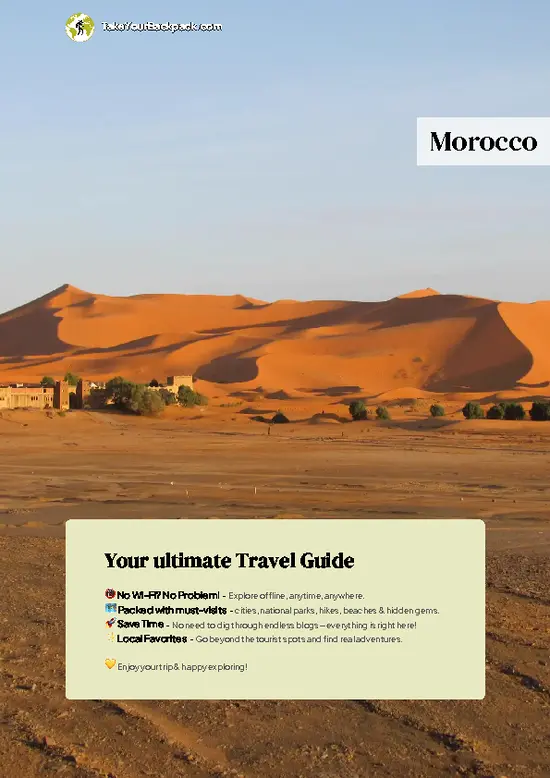
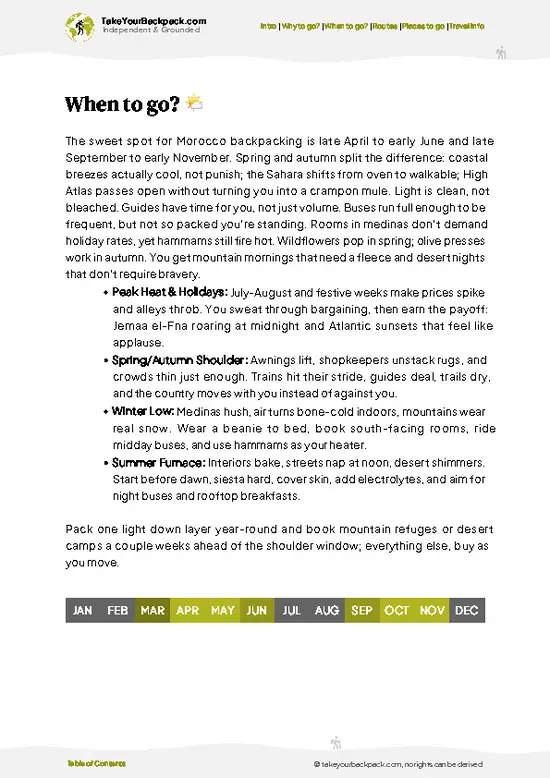
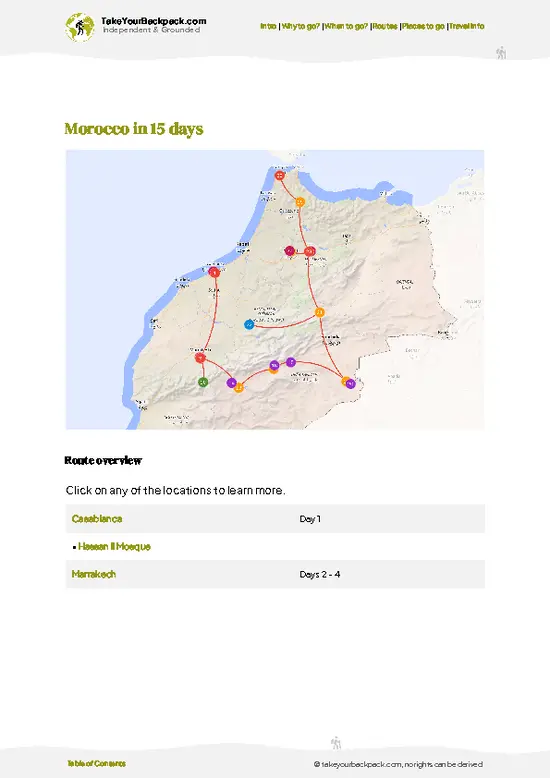
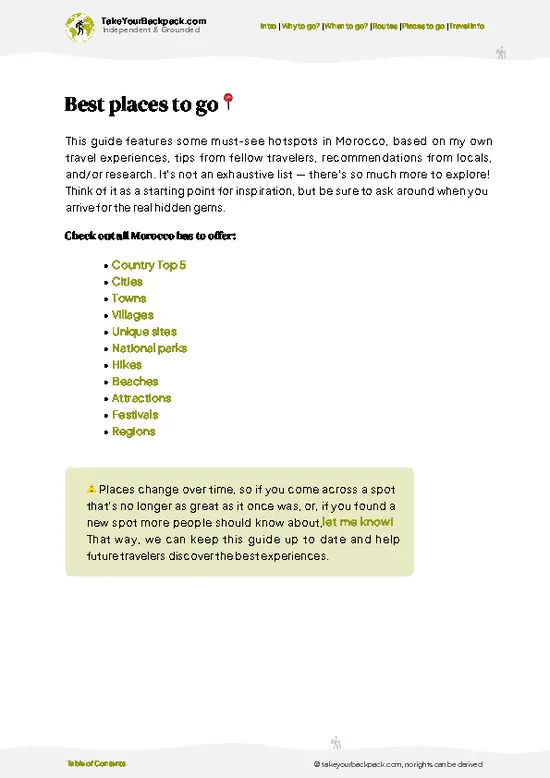
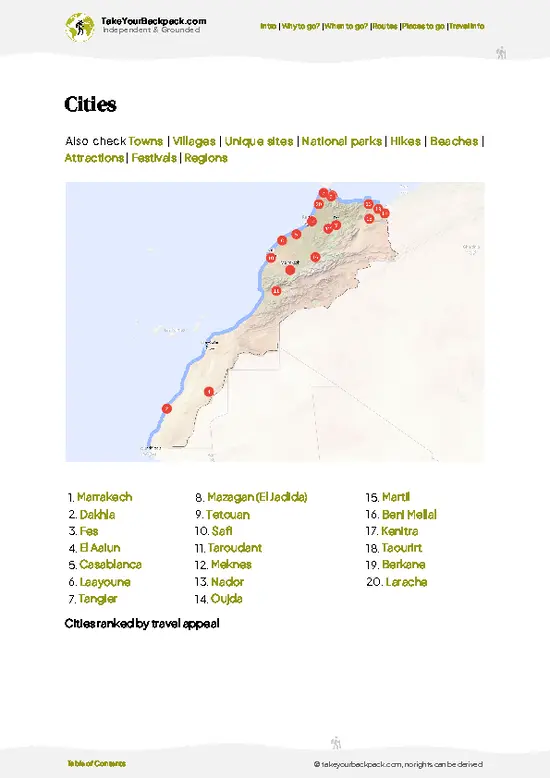
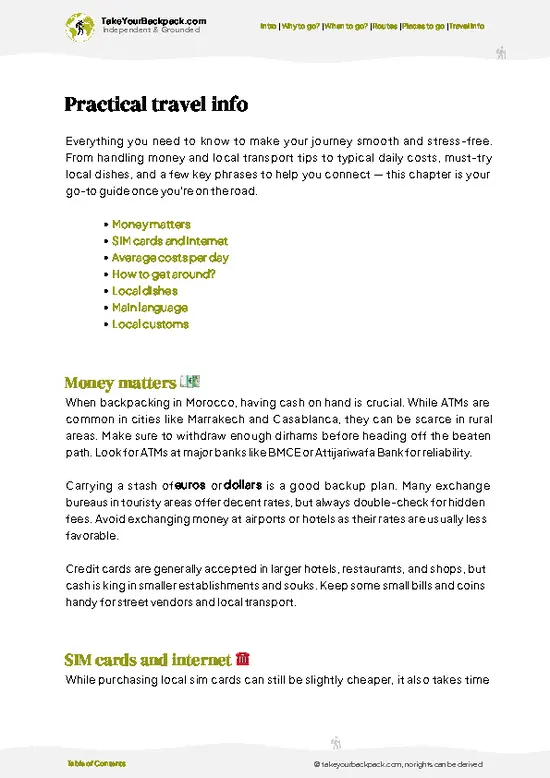
example page 0 from our offline Travel Guide for Morocco
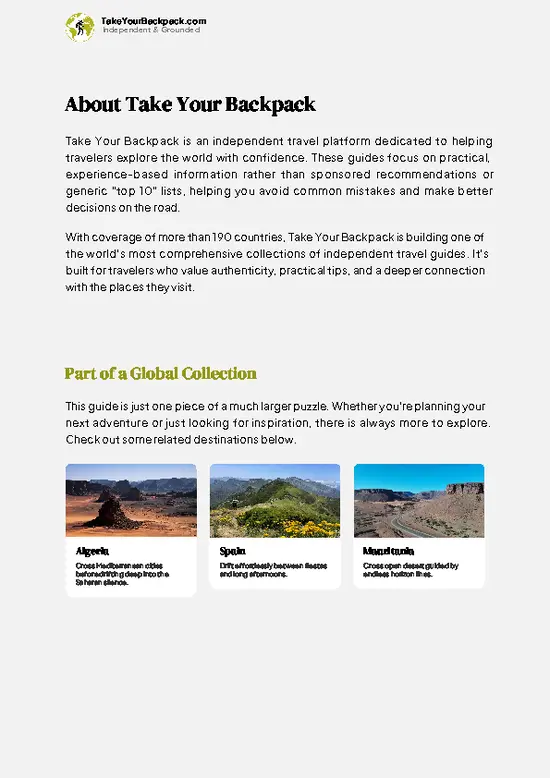
example page 1 from our offline Travel Guide for Morocco
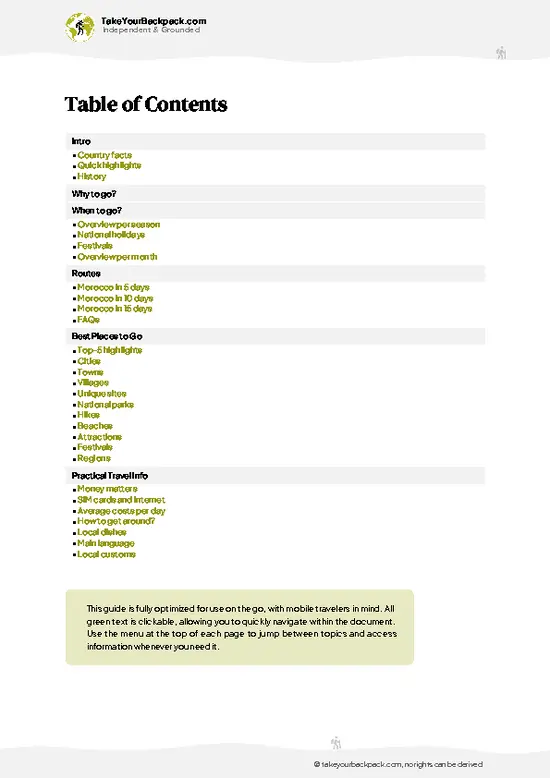
example page 2 from our offline Travel Guide for Morocco
example page 3 from our offline Travel Guide for Morocco
example page 4 from our offline Travel Guide for Morocco
example page 5 from our offline Travel Guide for Morocco
example page 6 from our offline Travel Guide for Morocco
example page 7 from our offline Travel Guide for Morocco
The digital guide (487 pages) contains:
128 highlights, ranked by travel appeal
Optimized 5, 10 & 15-day travel routes
Cities, national parks, landmarks, beaches
How to get around
Offline-friendly for travel without Wi-Fi
👉 Click to see all 30+ guide features

📅 Plan smarter in minutes, not weeks
Month by month travel advice
Festivals & national holidays
Budget expectations

🗺️ Go to the right places, skip the overrated ones
Honest pros & cons of destinations
Top hikes, parks & viewpoints
Lesser-known places most travelers miss
Clear “worth it vs skip it” guidance

🛏️ Travel smoothly without rookie mistakes
Best areas to stay
Transport systems explained simply
Common scams & safety advice
SIM cards, money & practical tips

🌍 Understand the country, not just visit it
Culture & traditions
52 Essential phrases & customs
Festivals worth planning around
Traveler-friendly historical context
Insights that make places more meaningful

📱 Built for real travel conditions
Fully downloadable PDF
Works completely offline
Optimized for phone use
Useful in remote areas & buses
Everything in one place
Save weeks of stressful planning
Get instant access to your full guide. 30‑day money-back guarantee.


By proceeding you agree to our terms.
Sent to your inbox immediately after payment • 100% Secure Checkout
Best Backpacking Travel Advisor 2025 tourism awardBest Backpacking
Travel Advisor
2025
What others say about Take Your Backpack Guides:
⭐⭐⭐⭐⭐
Fantastic, amazing amount of information!
⭐⭐⭐⭐⭐
My goodness this is amazing, it's what I've been looking for hats off too you!
⭐⭐⭐⭐⭐
I think this is absolutely BRILLIANT
⭐⭐⭐⭐
Very complete and informative. It's still missing places, but I gotta to commend you
⭐⭐⭐⭐⭐
This is truly amazing, thank you, can't wait to explore it with my kids!
⭐⭐⭐⭐⭐
Awesome resource, thank you!
⭐⭐⭐⭐⭐
This is amazing! Can't wait to explore the ones I haven't seen
⭐⭐⭐⭐
I love this! Well done, great idea.
⭐⭐⭐⭐⭐
Thanks for taking the time to make this gem!
⭐⭐⭐⭐⭐
This might be the best website I've ever seen.
⭐⭐⭐⭐⭐
Congratulations, and thank you so much for your work; it's incredibly valuable.
⭐⭐⭐⭐
In all seriousness I think you did a great job pointing out the important spots
⭐⭐⭐⭐⭐
10/10 very good
⭐⭐⭐⭐⭐
As someone who's only just starting to visit regularly this is awesome, thank you.
⭐⭐⭐⭐
Thank you very much! I'm going to visit my dad, it's going to be very useful!
⭐⭐⭐⭐⭐
This is really cool! We'll be travelling for the first time and this definitely come in handy.
⭐⭐⭐⭐⭐
You are now our minister of culture, congratulations 👨‍💼
⭐⭐⭐⭐⭐
Just wanted to tell you that this is a pearl! Going to follow your recommendations.
⭐⭐⭐⭐⭐
This is so cool. I'll definitely be using the resource for my travels soon.
⭐⭐⭐⭐⭐
This is very impressive! Good work.
⭐⭐⭐⭐⭐
This is an amazing and informative site. Very well done!

🛏️ Where to stay?Top Areas to Stay

Yes — Morocco has many hostels and budget accommodation concentrated in medinas and tourist neighborhoods of major cities (Marrakech, Fes, Chefchaouen, Essaouira, Tangier, Rabat, Casablanca), ranging from dorm-style hostels to low-cost riads and guesthouses suited to backpackers.
Marrakech — Medina: walking distance to souks and Jemaa el-Fnaa, very lively but noisy, crowded and difficult with big bags; Gueliz: modern, quieter and better for transport but less historic charm; Fes — Fes el-Bali: authentic and near attractions but maze-like and bustling, Ville Nouvelle: safer and easier to navigate but fewer traditional options; Chefchaouen medina: very scenic and compact but hilly with limited … read more 👉
Yes — Morocco has many hostels and budget accommodation concentrated in medinas and tourist neighborhoods of major cities (Marrakech, Fes, Chefchaouen, Essaouira, Tangier, Rabat, Casablanca), ranging from dorm-style hostels to low-cost riads and guesthouses suited to backpackers.
Marrakech — Medina: walking distance to souks and Jemaa el-Fnaa, very lively but noisy, crowded and difficult with big bags; Gueliz: modern, quieter and better for transport but less historic charm; Fes — Fes el-Bali: authentic and near attractions but maze-like and bustling, Ville Nouvelle: safer and easier to navigate but fewer traditional options; Chefchaouen medina: very scenic and compact but hilly with limited nightlife; Essaouira medina/port: beach access and relaxed vibe but slower pace and fewer budget beds; Tangier medina/Kasbah: good for ferries and history but variable hostel quality; Casablanca/Rabat modern districts: more modern, safer and better for trains/buses but fewer cheap riads in the old quarters.
Expect narrow stairs, small rooms and limited luggage storage in medina guesthouses; choose modern districts for easier transport and late-night safety, and secure valuables in busy souks to avoid common theft and hassle.

If you enjoy meeting fellow travelers, consider choosing hostels with high ratings for atmosphere. On the other hand, if you prefer having your own space, a hotel might be a better option.

MoroccoDiscover the Country

👋 Meet the founderWho’s Behind Take Your Backpack?

Johan, backpacker and founder of TakeYourBackpackHi, I’m Johan (Netherlands 🇳🇱), the creator of TakeYourBackpack. Over the past decade, I’ve backpacked through 80+ countries across six continents, gaining extensive experience with independent travel, long-term trips, and overland routes.

This site is built on a combination of firsthand travel experience and carefully curated insights from other backpackers. Many guides are based on places I’ve personally visited, while others bring together tips, observations, and practical advice shared by trusted travelers I’ve met along the way.

The goal is to provide realistic, experience-driven guidance — not generic itineraries — so you can explore destinations with better context, clearer expectations, and more confidence.

Get full Morocco guide •
Instant download • 128 highlights • Full Offline guide