×

Myanmar🇲🇲 | best beachesTop-Rated 7 beaches in Myanmar

Myanmar (previously Burma) boasts a coastline that varies dramatically, offering a range of beach experiences tailored to different travel styles. From the tranquil shores of Ngapali to the more vibrant atmosphere of Ngwe Saung, each beach presents unique surf and swim conditions that can influence your trip. Seasonal changes play a crucial role; the dry season from November to April is ideal for independent travel, while the monsoon can bring heavy rains and rough seas. Choosing the right beach impacts not just the vibe but also your budget, safety, and opportunities for cultural immersion. Understanding these nuances is key to maximizing your backpacking adventure in Myanmar.

By Johan Kruseman 🇳🇱 | Updated June 8, 2026
Explore the best attractions in Myanmar

Why go?Key Factors That Shape the Experience

Beaches in Myanmar stand out due to their diverse coastal geography and relatively untouched beauty. Unlike many Southeast Asian destinations, Myanmar’s coastline offers a mix of pristine sands, rugged cliffs, and lush tropical landscapes. This variety allows for different experiences, whether you seek solitude or a vibrant local culture.

However, the seasonal conditions play a significant role in your beach experience. The dry season, from November to April, attracts the most visitors, leading to crowded beaches and higher prices. Conversely, the monsoon season brings heavy rains and rough seas, making some areas less accessible. Travelers must weigh the trade-off between optimal weather and the potential for overcrowding.

Accessibility can also be a double-edged sword. While some beaches … read more 👉
Beaches in Myanmar stand out due to their diverse coastal geography and relatively untouched beauty. Unlike many Southeast Asian destinations, Myanmar’s coastline offers a mix of pristine sands, rugged cliffs, and lush tropical landscapes. This variety allows for different experiences, whether you seek solitude or a vibrant local culture.

However, the seasonal conditions play a significant role in your beach experience. The dry season, from November to April, attracts the most visitors, leading to crowded beaches and higher prices. Conversely, the monsoon season brings heavy rains and rough seas, making some areas less accessible. Travelers must weigh the trade-off between optimal weather and the potential for overcrowding.

Accessibility can also be a double-edged sword. While some beaches are easily reached from major cities, others require longer travel times, which can reward you with a more immersive experience. This depth of exploration often comes with the challenge of navigating less-developed infrastructure, which may not meet the standards found in more tourist-heavy regions.

Culturally, Myanmar’s beaches reflect a rich tapestry of historical influences and local traditions, adding layers to your visit. Understanding these nuances can enhance your appreciation but also requires a willingness to adapt to local customs and conditions.
Behind the Scenes of Selection
The list of best beaches in Myanmar is created based on beauty, vibe, water quality, activities, and surrounding scenery. If you feel a beach is missing in this list, please let us know.

When to go?Timing Your Visit for the Best Experience

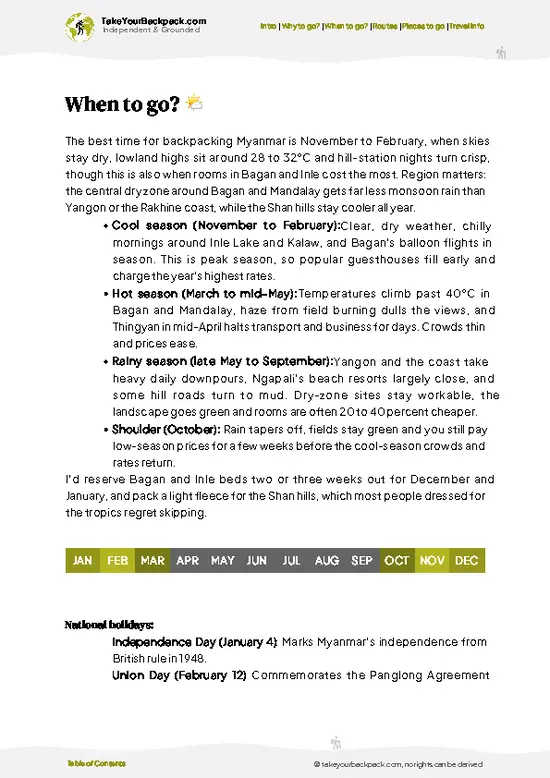
Myanmar’s beaches are best enjoyed during the dry season, which typically runs from November to April. This period offers warm temperatures and clear skies, ideal for swimming and sunbathing. Water clarity is at its peak, making it perfect for snorkeling and diving.

As the dry season progresses, the beaches can become crowded, especially around major holidays and peak travel months. Prices for accommodations and activities often rise during this time, so early planning is advisable.

Shoulder seasons—just before and after the dry season—can provide a more balanced experience. Visiting in late October or early May may yield fewer crowds and lower prices. However, conditions can be unpredictable. The transition into the monsoon season brings increased humidity and the possibility of rain, … read more 👉
Myanmar’s beaches are best enjoyed during the dry season, which typically runs from November to April. This period offers warm temperatures and clear skies, ideal for swimming and sunbathing. Water clarity is at its peak, making it perfect for snorkeling and diving.

As the dry season progresses, the beaches can become crowded, especially around major holidays and peak travel months. Prices for accommodations and activities often rise during this time, so early planning is advisable.

Shoulder seasons—just before and after the dry season—can provide a more balanced experience. Visiting in late October or early May may yield fewer crowds and lower prices. However, conditions can be unpredictable. The transition into the monsoon season brings increased humidity and the possibility of rain, which can affect beach activities.

The monsoon season, from May to October, significantly alters the beach experience. Heavy rains and rough seas can make swimming dangerous, and many beach facilities may close. Travelers should be cautious of strong currents and poor visibility during this time.

Understanding these seasonal patterns is crucial for planning a trip that maximizes enjoyment while minimizing unexpected challenges.

beach hoppingOptimizing Your Multi-Stop Itinerary

Myanmar’s beaches offer a stunning array of experiences, but combining them efficiently requires strategic planning. Start by clustering destinations regionally. The southern coast, including Ngapali and Ngwe Saung, is best explored together. This allows for a smooth transition between the two, maximizing beach time while minimizing travel fatigue.

Timing is crucial. The dry season, from November to April, provides optimal conditions for swimming and sunbathing. However, be mindful of peak tourist periods, especially around holidays, which can lead to crowded beaches and inflated prices. Aim for visits during shoulder seasons for a more relaxed experience.

Allocate time wisely. A typical stop should range from two to four days, depending on the beach’s offerings. This pacing allows for exploration … read more 👉
Myanmar’s beaches offer a stunning array of experiences, but combining them efficiently requires strategic planning. Start by clustering destinations regionally. The southern coast, including Ngapali and Ngwe Saung, is best explored together. This allows for a smooth transition between the two, maximizing beach time while minimizing travel fatigue.

Timing is crucial. The dry season, from November to April, provides optimal conditions for swimming and sunbathing. However, be mindful of peak tourist periods, especially around holidays, which can lead to crowded beaches and inflated prices. Aim for visits during shoulder seasons for a more relaxed experience.

Allocate time wisely. A typical stop should range from two to four days, depending on the beach’s offerings. This pacing allows for exploration without feeling rushed. Common mistakes include trying to squeeze too many locations into a short timeframe, leading to exhaustion rather than enjoyment.

Consider trade-offs. Speed may mean missing out on local culture, while a slower pace can deepen the experience but may stretch the budget. Flexibility is key; be prepared to adjust plans based on weather or local events. Prioritize what matters most—whether it’s pristine sands, vibrant nightlife, or authentic local cuisine—to ensure a rewarding journey through Myanmar’s coastal treasures.

The ListTop beaches of Myanmar

1 Ngapali Beach

palm-fringed bay, upscale resorts, turquoise water

Swim in clear shallows, walk beneath swaying palms, and watch fishermen bring in their catch along a coastline known for its calm and clarity.

2 Ngwe Saung Beach

long white sand, motorbike rides, offshore islets

Ride along a sweeping shoreline, explore small islands just offshore, and enjoy a mix of solitude and simple beachside comforts.

myanmar-beach-ngwe-saung-beach
© Google |

3 Chaung Tha Beach

local seafood stalls, tidal pools, casual nightlife

Spend days wading through shallow surf, sampling fresh-caught fish, and watching local families unwind along a lively, accessible stretch of sand.

4 Maungmagan Beach

historic port, sunset views, relaxed promenade

Stroll a broad, tree-lined shore near Dawei, where gentle waves and a laid-back atmosphere attract travelers seeking a slower pace.

myanmar-beach-maungmagan-beach
© Google |

5 Kanthaya Beach

untouched coastline, fishing villages, quiet sands

Experience a remote shoreline where daily life moves slowly, with only the sound of waves and the sight of fishing boats on the horizon.

6 Gwa Beach

remote setting, forested hills, village markets

Discover a rarely visited bay where forest meets sand, and daily rhythms are set by fishing and small local gatherings.

7 Pa Nyit Beach

rocky headlands, clear shallows, rural backdrop

Walk along a quiet stretch framed by rugged rocks and open fields, with clear water and few signs of development.

Loading the map 🌍

Expert viewInsights from Locals and Experts

Coastline Flow
Myanmar’s coastline stretches over 1,400 kilometers, offering a variety of beach experiences. The southern beaches, like those in the Mergui Archipelago, are less developed and provide a sense of isolation. In contrast, the beaches near Ngapali are more accessible and cater to tourists, which can lead to crowding during peak seasons. You’ll want to balance your itinerary to include both types. Aim for at least three to five beaches to get a well-rounded experience, but be prepared for travel time between them.

Seasonal Conditions
The best time to visit is between November and February when the weather is dry and temperatures are manageable. However, this is also peak season, meaning higher prices and more tourists. If you’re willing to brave the heat and occasional rain, … read more 👉
Coastline Flow
Myanmar’s coastline stretches over 1,400 kilometers, offering a variety of beach experiences. The southern beaches, like those in the Mergui Archipelago, are less developed and provide a sense of isolation. In contrast, the beaches near Ngapali are more accessible and cater to tourists, which can lead to crowding during peak seasons. You’ll want to balance your itinerary to include both types. Aim for at least three to five beaches to get a well-rounded experience, but be prepared for travel time between them.

Seasonal Conditions
The best time to visit is between November and February when the weather is dry and temperatures are manageable. However, this is also peak season, meaning higher prices and more tourists. If you’re willing to brave the heat and occasional rain, visiting during the shoulder months of March to May can offer a more tranquil experience, albeit with the risk of sweltering temperatures. Be mindful that the monsoon season from June to October can make some beaches inaccessible due to rough seas and flooding.

Access Points
Getting to these beaches often requires a combination of domestic flights and road travel. While some beaches are easily reachable from major hubs, others may require a longer journey, often on bumpy roads. This can eat into your time and energy, so plan accordingly. If you’re short on time, prioritize beaches that are closer to your entry point. For example, if you fly into Yangon, consider focusing on the beaches in the west, as they are more accessible than those in the south.

Crowd Density
Crowd density varies significantly by location and season. Popular beaches like Ngapali can feel congested during peak times, while more remote spots may offer solitude. If you’re looking for relaxation, consider visiting lesser-known beaches during off-peak hours. Early mornings or late afternoons can provide a more serene atmosphere, even in busier areas. Just remember that some beaches may lack amenities, so be prepared to bring your own supplies.

Balancing Relaxation vs. Travel Speed
Striking the right balance between relaxation and travel speed is crucial. If you’re the type who thrives on exploration, you might be tempted to hop from beach to beach quickly. However, this can lead to burnout. Instead, consider spending a few days at each beach to truly soak in the atmosphere. This allows you to enjoy local culture, try fresh seafood, and even engage with local fishermen. You’ll find that the slower pace often leads to richer experiences.

Safety & Cultural Considerations
Safety is generally not a major concern, but it’s wise to stay aware of your surroundings, especially in less populated areas. Respect local customs, particularly when it comes to dress codes and behavior on the beach. In some areas, modesty is appreciated, so consider bringing a sarong or cover-up. Additionally, be cautious with water activities; not all beaches have lifeguards, and conditions can change rapidly.

In summary, Myanmar’s beaches offer a diverse range of experiences, but careful planning is essential. By considering seasonal conditions, access points, and crowd dynamics, you can maximize your enjoyment while minimizing stress. Prioritize your beach choices based on your travel style and be prepared for the trade-offs that come with each option.

✈️ The backpacker research shortcutMyanmar Travel Guide

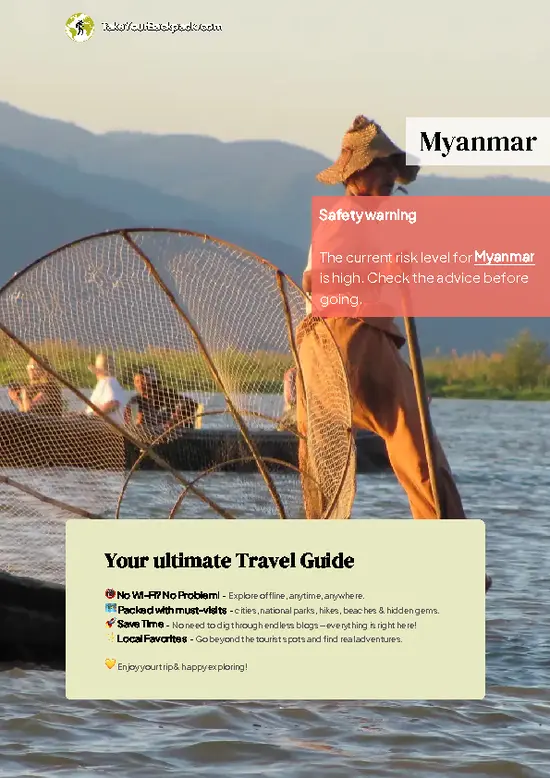
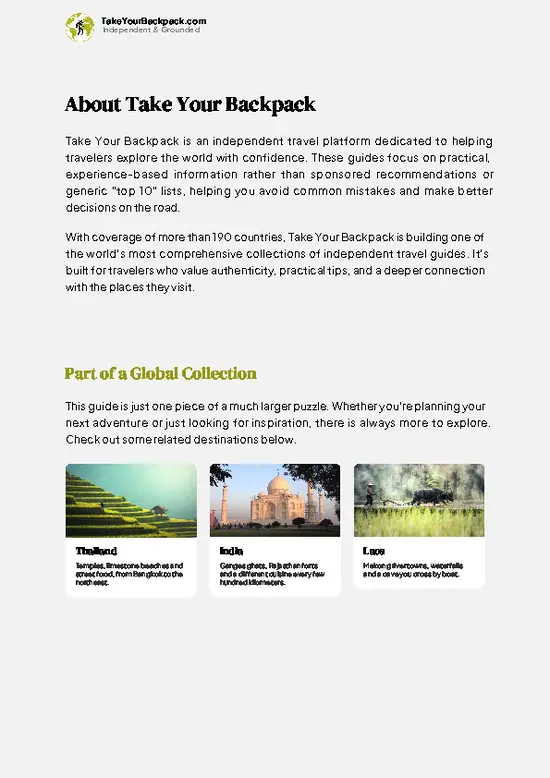
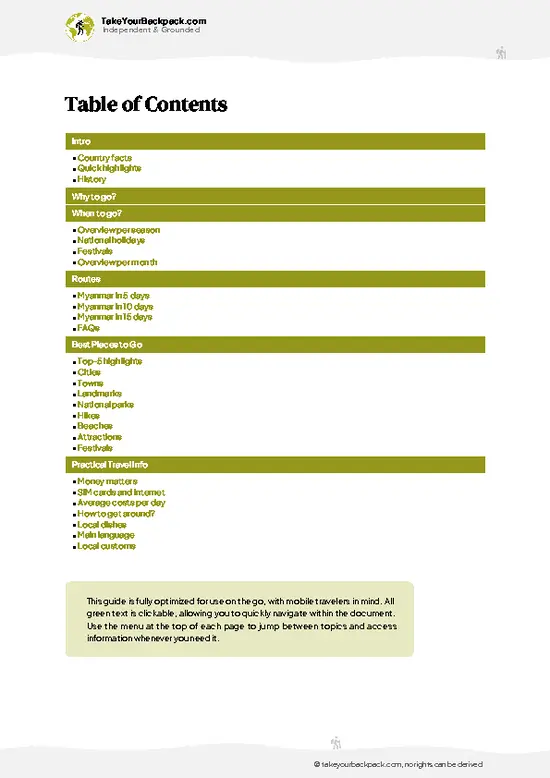
An offline-friendly backpacking guide with optimized travel routes, ranked highlights, transport advice, and the best areas to stay.
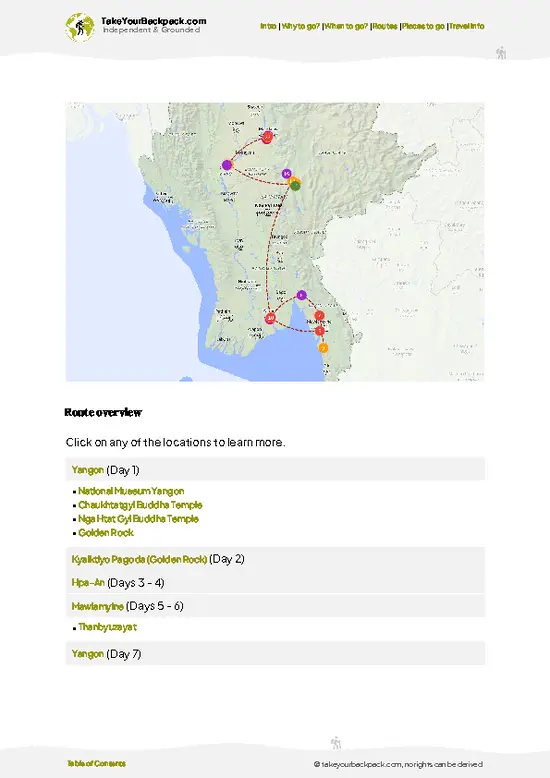
example page 0 from our offline Travel Guide for Myanmar
example page 1 from our offline Travel Guide for Myanmar
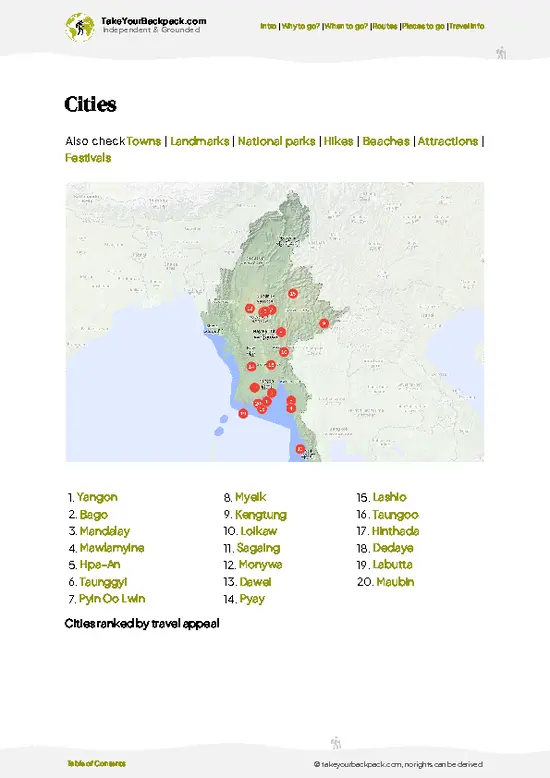
example page 2 from our offline Travel Guide for Myanmar
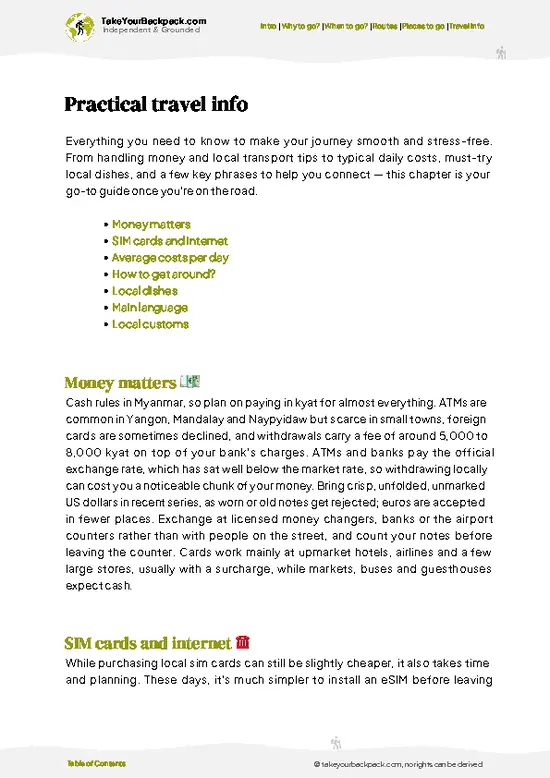
example page 3 from our offline Travel Guide for Myanmar
example page 4 from our offline Travel Guide for Myanmar
example page 5 from our offline Travel Guide for Myanmar
example page 6 from our offline Travel Guide for Myanmar
example page 7 from our offline Travel Guide for Myanmar
The digital guide (405 pages) contains:
110 highlights, ranked by travel appeal
Optimized 5, 10 & 15-day travel routes
Cities, national parks, landmarks, beaches
How to get around
Offline-friendly for travel without Wi-Fi
👉 Click to see all 30+ guide features

📅 Plan smarter in minutes, not weeks
Month by month travel advice
Festivals & national holidays
Budget expectations

🗺️ Go to the right places, skip the overrated ones
Honest pros & cons of destinations
Top hikes, parks & viewpoints
Lesser-known places most travelers miss
Clear “worth it vs skip it” guidance

🛏️ Travel smoothly without rookie mistakes
Best areas to stay
Transport systems explained simply
Common scams & safety advice
SIM cards, money & practical tips

🌍 Understand the country, not just visit it
Culture & traditions
52 Essential phrases & customs
Festivals worth planning around
Traveler-friendly historical context
Insights that make places more meaningful

📱 Built for real travel conditions
Fully downloadable PDF
Works completely offline
Optimized for phone use
Useful in remote areas & buses
Everything in one place
Save weeks of stressful planning
Get instant access to your full guide. 30‑day money-back guarantee.


By proceeding you agree to our terms.
Sent to your inbox immediately after payment • 100% Secure Checkout
Best Backpacking Travel Advisor 2025 tourism awardBest Backpacking
Travel Advisor
2025
What others say about Take Your Backpack Guides:
⭐⭐⭐⭐⭐
Fantastic, amazing amount of information!
⭐⭐⭐⭐⭐
My goodness this is amazing, it's what I've been looking for hats off too you!
⭐⭐⭐⭐⭐
I think this is absolutely BRILLIANT
⭐⭐⭐⭐
Very complete and informative. It's still missing places, but I gotta to commend you
⭐⭐⭐⭐⭐
This is truly amazing, thank you, can't wait to explore it with my kids!
⭐⭐⭐⭐⭐
Awesome resource, thank you!
⭐⭐⭐⭐⭐
This is amazing! Can't wait to explore the ones I haven't seen
⭐⭐⭐⭐
I love this! Well done, great idea.
⭐⭐⭐⭐⭐
Thanks for taking the time to make this gem!
⭐⭐⭐⭐⭐
This might be the best website I've ever seen.
⭐⭐⭐⭐⭐
Congratulations, and thank you so much for your work; it's incredibly valuable.
⭐⭐⭐⭐
In all seriousness I think you did a great job pointing out the important spots
⭐⭐⭐⭐⭐
10/10 very good
⭐⭐⭐⭐⭐
As someone who's only just starting to visit regularly this is awesome, thank you.
⭐⭐⭐⭐
Thank you very much! I'm going to visit my dad, it's going to be very useful!
⭐⭐⭐⭐⭐
This is really cool! We'll be travelling for the first time and this definitely come in handy.
⭐⭐⭐⭐⭐
You are now our minister of culture, congratulations 👨‍💼
⭐⭐⭐⭐⭐
Just wanted to tell you that this is a pearl! Going to follow your recommendations.
⭐⭐⭐⭐⭐
This is so cool. I'll definitely be using the resource for my travels soon.
⭐⭐⭐⭐⭐
This is very impressive! Good work.
⭐⭐⭐⭐⭐
This is an amazing and informative site. Very well done!

🛏️ Where to stay?Accommodation Highlights

Yes — Myanmar has hostels and budget accommodation concentrated in major tourist hubs: Yangon (downtown/Sule/Chinatown), Mandalay (near the palace/Zegyo market), Bagan (Nyaung-U), Inle Lake (Nyaung Shwe), Ngapali (Thandwe), and trekking towns like Hsipaw.
Yangon is cheapest and best for transport, markets and nightlife but can be noisy and crowded; Mandalay gives easy access to the palace and onward transport but has fewer hostel options; Nyaung-U/Bagan puts you closest to temples and bike rental but is touristy and dusty; Nyaung Shwe/Inle offers lakeside access and boat tours yet is more remote with limited nightlife; Ngapali means beach quiet and higher prices with fewer true hostels; Hsipawread more 👉
Yes — Myanmar has hostels and budget accommodation concentrated in major tourist hubs: Yangon (downtown/Sule/Chinatown), Mandalay (near the palace/Zegyo market), Bagan (Nyaung-U), Inle Lake (Nyaung Shwe), Ngapali (Thandwe), and trekking towns like Hsipaw.
Yangon is cheapest and best for transport, markets and nightlife but can be noisy and crowded; Mandalay gives easy access to the palace and onward transport but has fewer hostel options; Nyaung-U/Bagan puts you closest to temples and bike rental but is touristy and dusty; Nyaung Shwe/Inle offers lakeside access and boat tours yet is more remote with limited nightlife; Ngapali means beach quiet and higher prices with fewer true hostels; Hsipaw is small, safe and ideal for treks with basic guesthouses rather than full-service hostels.

If you enjoy meeting fellow travelers, consider choosing hostels with high ratings for atmosphere. On the other hand, if you prefer having your own space, a hotel might be a better option.

MyanmarSee More of Myanmar

👋 Meet the founderWho’s Behind Take Your Backpack?

Johan, backpacker and founder of TakeYourBackpackHi, I’m Johan (Netherlands 🇳🇱), the creator of TakeYourBackpack. Over the past decade, I’ve backpacked through 80+ countries across six continents, gaining extensive experience with independent travel, long-term trips, and overland routes.

This site is built on a combination of firsthand travel experience and carefully curated insights from other backpackers. Many guides are based on places I’ve personally visited, while others bring together tips, observations, and practical advice shared by trusted travelers I’ve met along the way.

The goal is to provide realistic, experience-driven guidance — not generic itineraries — so you can explore destinations with better context, clearer expectations, and more confidence.

Get full Myanmar guide •
Instant download • 110 highlights • Full Offline guide