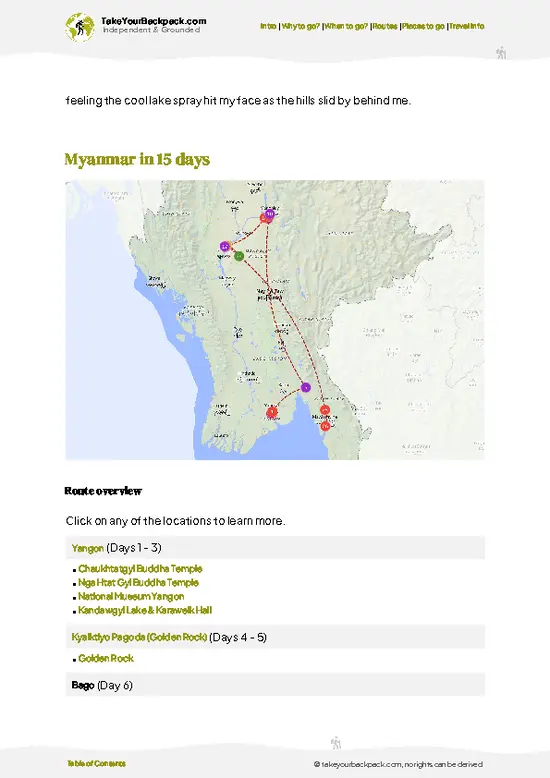
Geographic DiversityMyanmar’s landscape is a patchwork of mountains, plains, and rivers, each region offering a distinct flavor. The north is rugged and remote, perfect for those seeking solitude and adventure. The central plains are home to ancient temples and bustling markets, while the south boasts stunning coastlines and vibrant fishing communities. To truly appreciate this diversity, aim to visit at least three regions. This allows you to experience the contrasts in culture, cuisine, and daily life. However, be prepared for the reality that traveling between these regions can be time-consuming. Roads may be bumpy, and public transport schedules can be unpredictable. Prioritize your regions based on your interests, but don’t underestimate the travel time between them.
Transport Between …
read more 👉 Geographic DiversityMyanmar’s landscape is a patchwork of mountains, plains, and rivers, each region offering a distinct flavor. The north is rugged and remote, perfect for those seeking solitude and adventure. The central plains are home to ancient temples and bustling markets, while the south boasts stunning coastlines and vibrant fishing communities. To truly appreciate this diversity, aim to visit at least three regions. This allows you to experience the contrasts in culture, cuisine, and daily life. However, be prepared for the reality that traveling between these regions can be time-consuming. Roads may be bumpy, and public transport schedules can be unpredictable. Prioritize your regions based on your interests, but don’t underestimate the travel time between them.
Transport Between RegionsGetting around Myanmar requires some planning. Domestic flights can save you time, but they can also eat into your budget. Buses are the most common form of transport, and while they’re affordable, they often come with long travel times and limited comfort. Trains offer a unique experience but can be slow and subject to delays. If you’re venturing into remote areas, be prepared for even less reliable transport options. The trade-off here is between time and cost. If you have a limited schedule, consider flying between major hubs. If you’re on a tighter budget and have more time, buses can be a great way to see the countryside, but don’t expect luxury.
Cultural VariationEach region in Myanmar has its own cultural identity, shaped by ethnic diversity and historical influences. The north is predominantly home to ethnic minorities, each with unique traditions and languages. The central region is more homogenous, with a strong influence from the Bamar majority. The south, influenced by both local and coastal cultures, offers a different culinary experience and social dynamics. Understanding these cultural nuances is crucial for respectful interactions. For instance, dress modestly in rural areas and be mindful of local customs, especially when visiting religious sites. The trade-off here is between immersion and comfort. Engaging deeply with local cultures may require stepping out of your comfort zone, but it’s often the most rewarding part of the journey.
Pacing Trade-offsWhen planning your itinerary, consider the pacing of your travels. Myanmar is not a country to rush through. Each region has its own rhythm, and taking the time to soak it all in will enhance your experience. If you try to cram too many regions into a short timeframe, you risk burnout and missing the essence of each place. A realistic approach is to spend at least three to five days in each region, allowing for travel time and exploration. This pacing allows you to appreciate the local culture, food, and landscapes without feeling rushed. The trade-off here is between quantity and quality. Fewer regions visited with more time spent in each will yield a richer experience than a whirlwind tour that leaves you exhausted.
Safety & Cultural ConsiderationsSafety is generally good in Myanmar, but it’s essential to stay informed about local conditions. Some areas may have travel restrictions due to ongoing conflicts or natural disasters. Always check local advisories before heading to remote regions. Additionally, be aware of cultural sensitivities. Photography in certain areas may be frowned upon, especially in religious sites. Engaging with locals can be a rewarding experience, but approach interactions with respect and openness. The trade-off here is between exploration and caution. While it’s tempting to venture off the beaten path, ensure you’re well-informed and prepared for the realities of travel in Myanmar.
v2.webp)
 Best Backpacking
.jpg) Hi, I’m Johan (Netherlands 🇳🇱), the creator of TakeYourBackpack. Over the past decade, I’ve backpacked through 80+ countries across six continents, gaining extensive experience with independent travel, long-term trips, and overland routes.
Hi, I’m Johan (Netherlands 🇳🇱), the creator of TakeYourBackpack. Over the past decade, I’ve backpacked through 80+ countries across six continents, gaining extensive experience with independent travel, long-term trips, and overland routes.