How many landmarks to visit: Plan on
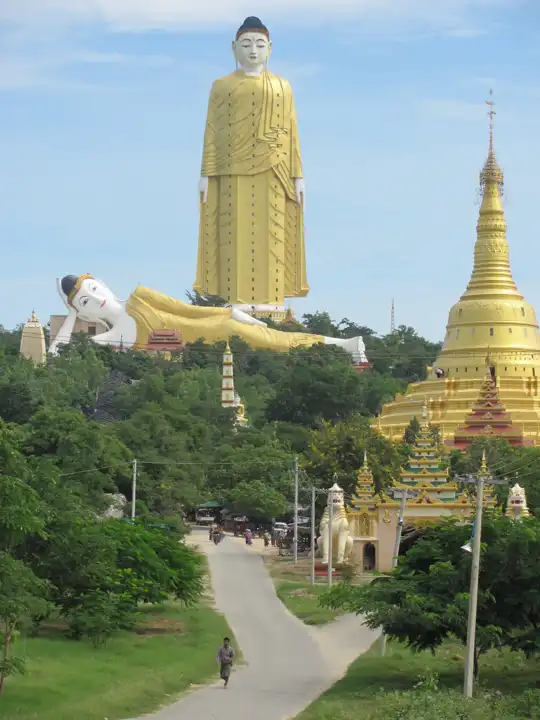
four to six landmark visits, or roughly one major site a day with gaps for travel. Temple fatigue sets in quickly, and transport in Myanmar absorbs more hours than most travelers expect. Fewer, longer visits, particularly at sunrise or late afternoon, beat a checklist.
Prioritizing by travel style: Travelers with limited time should favor the
large sacred sites that are easy to reach and open daily. Those who want quiet should choose
archaeological zones and smaller towns, where a bicycle or e-bike covers the ground. If you like walking and local worship, pick the hill or cave temples, which are active religious places and often need a climb in bare feet. Keep one day free in case a flight or road is disrupted.
What it costs: Expect
US$30 to 55 a day …
read more 👉 How many landmarks to visit: Plan on four to six landmark visits, or roughly one major site a day with gaps for travel. Temple fatigue sets in quickly, and transport in Myanmar absorbs more hours than most travelers expect. Fewer, longer visits, particularly at sunrise or late afternoon, beat a checklist.
Prioritizing by travel style: Travelers with limited time should favor the large sacred sites that are easy to reach and open daily. Those who want quiet should choose archaeological zones and smaller towns, where a bicycle or e-bike covers the ground. If you like walking and local worship, pick the hill or cave temples, which are active religious places and often need a climb in bare feet. Keep one day free in case a flight or road is disrupted.
What it costs: Expect US$30 to 55 a day as a budget traveler, covering a basic room (US$12 to 25), meals and local transport. Entry fees vary: the main pagoda in Yangon costs roughly US$10 to 15, and the Bagan archaeological zone has a fee of around US$20 to 25 valid for several days. Mandalay and Inle zone tickets are in the US$10 to 15 range. Guides cost about US$20 to 40 for a day, and an e-bike rents for US$5 to 10 a day. Fees and payment currency change, so carry both crisp US dollars and kyat.
Costs and delays that catch travelers out: Zone tickets are checked at entry points, and travelers who skip buying one can be sent back or fined. Keep the ticket with you. Cash shortages are real, since ATMs run empty or limit withdrawals, so bring more cash than seems sensible. Unofficial shoe-keeper or donation requests are small but add up, so keep small notes handy. Late bookings in peak season push room rates up and sell out flights, so reserve the key transfers early.
Safety and conduct: Check current government travel advice before booking and again before leaving, because conflict has closed or made dangerous large areas, and checkpoints can appear on roads. Stay out of restricted zones even if a driver offers to go. Power and mobile networks can fail, so download offline maps. At sacred sites, cover shoulders and knees, remove shoes and socks, and never point feet at a Buddha image or climb on a structure. Do not touch monks, and ask before photographing worshippers. Heat is a physical risk on bare, sunbaked ground, so carry water and wear sandals that slip off easily.
v2.webp)


 Best Backpacking
.jpg) Hi, I’m Johan (Netherlands 🇳🇱), the creator of TakeYourBackpack. Over the past 3 decades, I’ve backpacked through 90+ countries across six continents, gaining extensive experience with independent travel, long-term trips, and overland routes.
Hi, I’m Johan (Netherlands 🇳🇱), the creator of TakeYourBackpack. Over the past 3 decades, I’ve backpacked through 90+ countries across six continents, gaining extensive experience with independent travel, long-term trips, and overland routes.