×

Norway🇳🇴 | best regionsDiscover the 5 Best regions Across Norway

Norway’s regions are a tapestry of climate, landscapes, and cultural character, each offering a unique backdrop for backpacking adventures. From the rugged fjords of the west to the serene coastal villages of the north, your choice of region shapes your entire experience.

Seasonal nuances play a crucial role; summer invites midnight sun hikes, while winter transforms the landscape into a snowy playground. Budget considerations vary widely—urban areas like Oslo can be pricier, while remote regions offer affordable charm.

Choosing the right region impacts the vibe, safety, and ease of travel, ensuring that your journey through Norway is not just a trip, but a deep dive into its diverse soul.

By Johan Kruseman 🇳🇱 | Updated September 5, 2026
Explore the best cities in Norway

Why go?Why Travelers Love These Spots

Norway’s regions offer a climatic diversity that is rare in Europe, ranging from the icy fjords of the north to the temperate coastal areas in the south. This variety shapes not only the landscapes but also the cultural character of each region. Travelers can experience the stark beauty of the Arctic, where the sun barely rises in winter, contrasted with the lush greenery of the southern coast, where summer days stretch long into the evening.

However, this diversity comes with trade-offs. The travel distance between regions can be significant, often requiring careful planning to maximize experiences. While the infrastructure is generally robust, with well-maintained roads and public transport, reaching remote areas may demand more time and effort. This can lead to a choice: spend hours on … read more 👉
Norway’s regions offer a climatic diversity that is rare in Europe, ranging from the icy fjords of the north to the temperate coastal areas in the south. This variety shapes not only the landscapes but also the cultural character of each region. Travelers can experience the stark beauty of the Arctic, where the sun barely rises in winter, contrasted with the lush greenery of the southern coast, where summer days stretch long into the evening.

However, this diversity comes with trade-offs. The travel distance between regions can be significant, often requiring careful planning to maximize experiences. While the infrastructure is generally robust, with well-maintained roads and public transport, reaching remote areas may demand more time and effort. This can lead to a choice: spend hours on the road for a brief encounter with nature or delve deeper into a single region, soaking in its unique atmosphere.

Moreover, Norway’s historical context adds layers to its landscapes. The remnants of Viking settlements and the influence of the Sami culture enrich the travel experience, but accessing these sites often involves navigating less-traveled paths. Understanding these constraints allows travelers to make conscious decisions about how to balance accessibility with the desire for immersive experiences. Ultimately, the richness of Norway lies in its ability to challenge and reward those willing to explore its varied terrains.
Our Approach to Ranking
The list of best regions in Norway is created based on landscapes, local culture, attractions, vibes, and overall appeal. If you feel a region is missing in this list, please let us know.

When to go?When to Plan Your Trip

Climate Variation
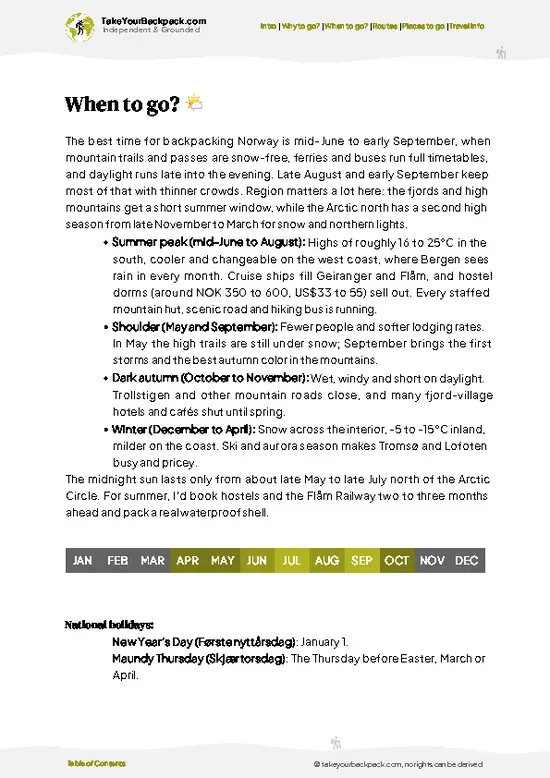
Norway’s climate varies dramatically from region to region. Coastal areas experience milder winters and cooler summers, while the inland regions can be harsh and snowy. The northern parts endure long, dark winters, while the southern regions enjoy more sunlight.

Optimal Months
Late spring to early autumn is generally the best time to visit. This period offers the most pleasant weather, with longer days and vibrant landscapes. Summer brings warmth and accessibility, but also larger crowds and higher prices.

Shoulder Seasons
Visiting during the shoulder seasons—late spring and early autumn—can be rewarding. Expect fewer tourists and lower costs, but be prepared for unpredictable weather. Conditions can shift quickly, and some attractions may have limited access.

Peak read more 👉
Climate Variation
Norway’s climate varies dramatically from region to region. Coastal areas experience milder winters and cooler summers, while the inland regions can be harsh and snowy. The northern parts endure long, dark winters, while the southern regions enjoy more sunlight.

Optimal Months
Late spring to early autumn is generally the best time to visit. This period offers the most pleasant weather, with longer days and vibrant landscapes. Summer brings warmth and accessibility, but also larger crowds and higher prices.

Shoulder Seasons
Visiting during the shoulder seasons—late spring and early autumn—can be rewarding. Expect fewer tourists and lower costs, but be prepared for unpredictable weather. Conditions can shift quickly, and some attractions may have limited access.

Peak Periods
Summer is peak season, especially for outdoor activities. Expect bustling trails and packed accommodations. Winter attracts those seeking snow sports and the Northern Lights, but conditions can be extreme.

Seasonal Constraints
Travelers should consider that winter travel may limit accessibility to certain regions, while summer’s popularity can lead to crowded experiences. Balancing comfort and experience is key; choosing the right time can enhance the journey significantly.

region hoppingSuggested Travel Strategies

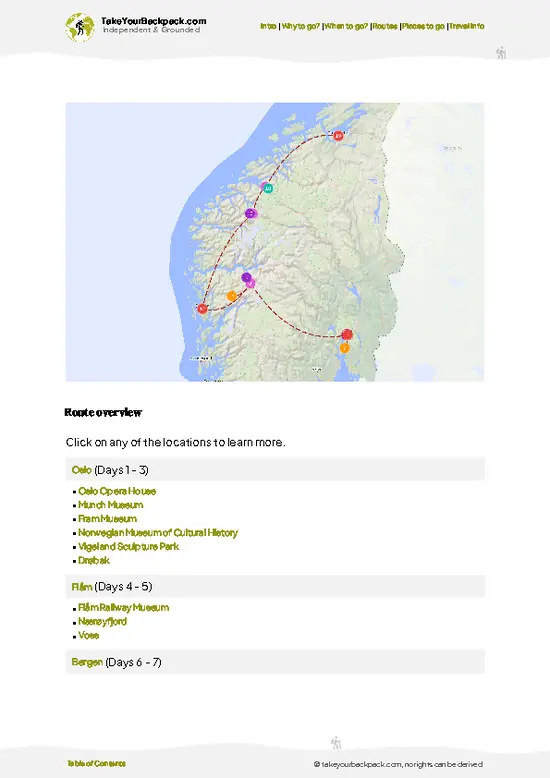
Combining Regions in Norway requires a thoughtful approach to travel. Start by clustering regions based on proximity. The fjords in the west, like Geiranger and Sognefjord, can be paired with the coastal beauty of Lofoten in the north. This creates a natural flow, allowing for scenic drives and ferry rides that showcase Norway’s dramatic landscapes.

Routing Logic is crucial. Begin in Oslo, then head west to the fjords, and finally venture north. This sequence minimizes backtracking and maximizes exposure to diverse environments. Each stop deserves attention; aim for at least two nights in major areas to soak in the atmosphere.

Common Mistakes include trying to see too much too quickly. Norway’s beauty lies in its details—the sound of waves crashing against cliffs, the scent of pine forests, … read more 👉
Combining Regions in Norway requires a thoughtful approach to travel. Start by clustering regions based on proximity. The fjords in the west, like Geiranger and Sognefjord, can be paired with the coastal beauty of Lofoten in the north. This creates a natural flow, allowing for scenic drives and ferry rides that showcase Norway’s dramatic landscapes.

Routing Logic is crucial. Begin in Oslo, then head west to the fjords, and finally venture north. This sequence minimizes backtracking and maximizes exposure to diverse environments. Each stop deserves attention; aim for at least two nights in major areas to soak in the atmosphere.

Common Mistakes include trying to see too much too quickly. Norway’s beauty lies in its details—the sound of waves crashing against cliffs, the scent of pine forests, and the glow of midnight sun. Rushing through can lead to missed experiences.

Trade-offs are inevitable. Speed may mean less comfort, while a focus on depth can stretch budgets. Prioritize what resonates most—whether it’s a cozy cabin stay or a guided hike. Flexibility is key; allow for spontaneous detours that could lead to unexpected rewards. Embrace the journey, and let the landscapes unfold at their own pace.

The ListTop regions of Norway

1 Fjord Norway

deep fjords, ferry crossings, steep cliffs, fruit orchards

Navigate dramatic waterways and winding roads, passing through villages and farmland set between towering rock faces and narrow inlets.

norway-region-fjord-norway
© Google | Fjord Norway

2 Lofoten Islands

jagged mountains, fishing rorbuer, Arctic beaches, midnight sun

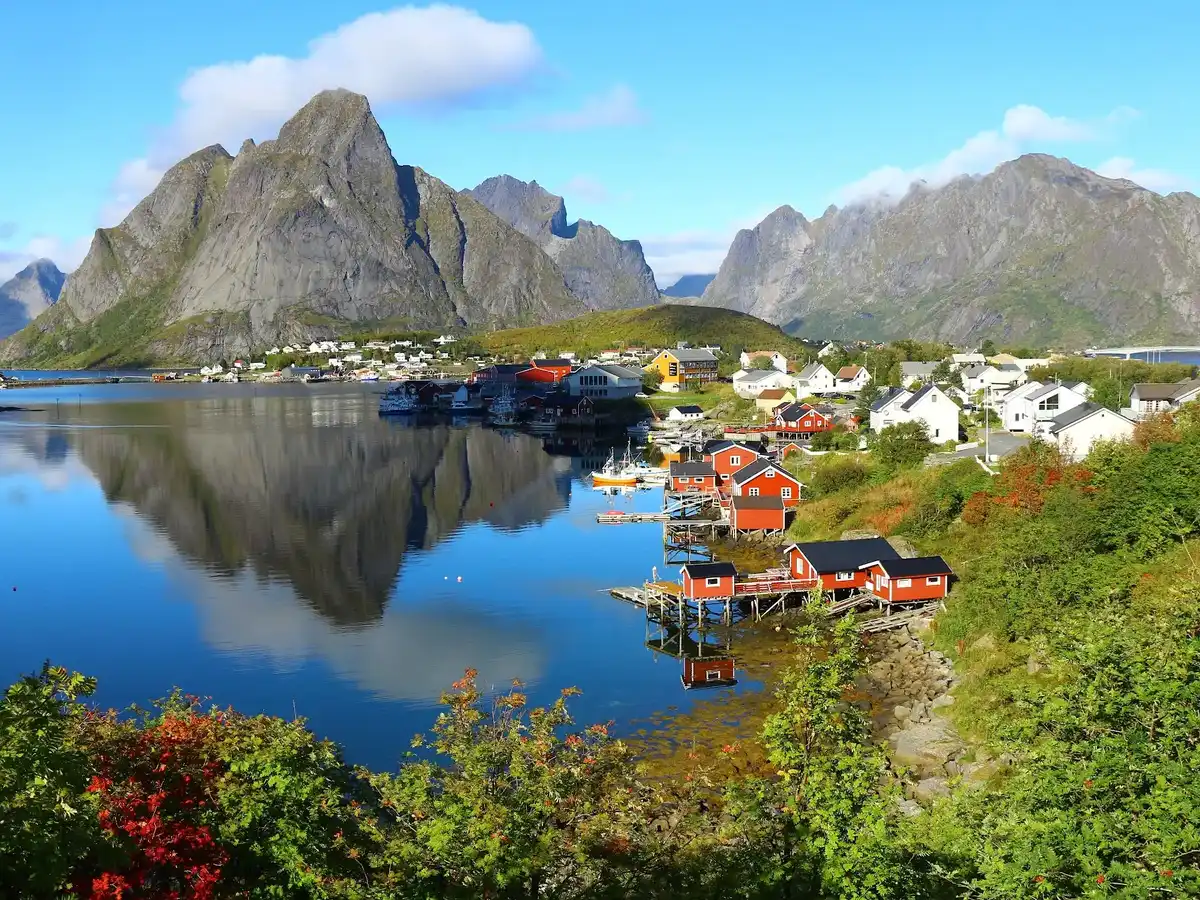
Experience sharp mountain silhouettes rising from the sea, with traditional cabins and white-sand shores beneath shifting northern light.

3 Senja

serrated coastline, quiet fjords, wildlife routes, forested slopes

Drive or cycle along twisting roads that reveal sudden views, with frequent chances to spot eagles, otters, and untouched nature.

norway-region-senja
© Google | Brynjar Larssen

4 Vesterålen

open sea, whale watching, coastal villages, gentle hills

Travel north for broad horizons, quiet fishing communities, and accessible wildlife encounters where the land meets the Norwegian Sea.

norway-region-vesteralen v1
© Google |

5 Trollheimen

alpine valleys, rugged peaks, remote cabins, reindeer trails

Hike through a landscape of steep ridges and deep valleys, where marked trails connect isolated huts and wildlife moves freely.

Loading the map 🌍

Expert viewExpert Commentary on regions

Trade-Off Map


Norway’s regions are a tapestry of contrasts, each offering a unique flavor of the country’s vast beauty. To truly experience the essence of Norway, aim to explore at least three regions. This allows you to appreciate the dramatic shifts in landscape, culture, and lifestyle without feeling rushed. However, the trade-off here is time. Each region demands a commitment, and travel between them can be time-consuming, especially if you’re relying on public transport.

Geographic Diversity


From the rugged fjords of the west to the serene forests of the east, Norway’s geography is a feast for the senses. The fjords, with their steep cliffs and deep blue waters, are a stark contrast to the rolling hills and expansive lakes found inland. If you’re drawn to the fjords, prepare for a … read more 👉

Trade-Off Map


Norway’s regions are a tapestry of contrasts, each offering a unique flavor of the country’s vast beauty. To truly experience the essence of Norway, aim to explore at least three regions. This allows you to appreciate the dramatic shifts in landscape, culture, and lifestyle without feeling rushed. However, the trade-off here is time. Each region demands a commitment, and travel between them can be time-consuming, especially if you’re relying on public transport.

Geographic Diversity


From the rugged fjords of the west to the serene forests of the east, Norway’s geography is a feast for the senses. The fjords, with their steep cliffs and deep blue waters, are a stark contrast to the rolling hills and expansive lakes found inland. If you’re drawn to the fjords, prepare for a slower pace. The winding roads and ferry rides can take longer than expected, but the payoff is worth it. You’ll find yourself enveloped in the scent of pine and the sound of cascading waterfalls.

Conversely, if you prioritize speed, consider the eastern regions. They offer a more direct travel experience, but you might miss the dramatic landscapes that define Norway’s identity. The trade-off here is comfort. The eastern areas are more urbanized, which can mean less of that wild, untouched feel that many seek in Norway.

Transport Between Regions


Norway’s transport infrastructure is generally reliable, but it’s essential to plan your routes carefully. Trains and buses connect major regions, but they can be infrequent in more remote areas. If you’re traveling during peak season, expect crowded services and limited availability. This can lead to longer wait times and unexpected delays, which can eat into your exploration time.

If you’re willing to splurge on a rental car, you gain the freedom to explore at your own pace. However, driving in Norway comes with its own challenges—narrow roads, steep climbs, and unpredictable weather can test your nerves. The trade-off here is budget. Renting a car can be more expensive, but it opens up opportunities to discover lesser-known spots that public transport can’t reach.

Cultural Variation


Each region boasts its own cultural identity, shaped by history and geography. The coastal areas are steeped in maritime traditions, while the inland regions reflect a more agrarian lifestyle. In the north, the Sámi culture offers a glimpse into the indigenous way of life, complete with reindeer herding and traditional crafts.

Engaging with local customs can enrich your experience, but it requires time and effort. Attending a local festival or visiting a traditional market can be rewarding, yet these events often occur at specific times of the year. The trade-off here is effort. You may need to adjust your itinerary to align with local happenings, which can mean sacrificing time in other regions.

Pacing Trade-Offs


When planning your itinerary, consider the pacing of your travels. Norway’s vastness can be deceptive; what looks like a short distance on a map can take hours to traverse. If you try to cram too much into your schedule, you risk burnout. Instead, prioritize quality over quantity. Spend more time in fewer regions to truly soak in the atmosphere.

Safety is another consideration. Norway is generally safe, but remote areas can pose risks, especially in winter. Always check local conditions and be prepared for sudden weather changes. The trade-off here is comfort. Embracing the unpredictability of nature can lead to unforgettable moments, but it also requires a level of preparedness and flexibility.

In summary, Norway offers a rich tapestry of experiences, but navigating its regions requires thoughtful planning. By understanding the trade-offs between time, money, and comfort, you can curate a journey that resonates deeply, allowing you to savor the essence of this remarkable country.

✈️ The backpacker research shortcutNorway Travel Guide

An offline-friendly backpacking guide with optimized travel routes, ranked highlights, transport advice, and the best areas to stay.
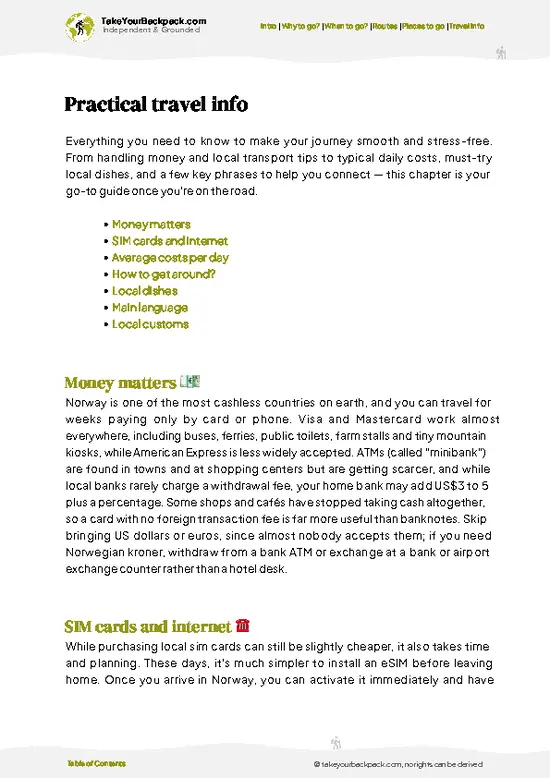
example page 0 from our offline Travel Guide for Norway
example page 1 from our offline Travel Guide for Norway
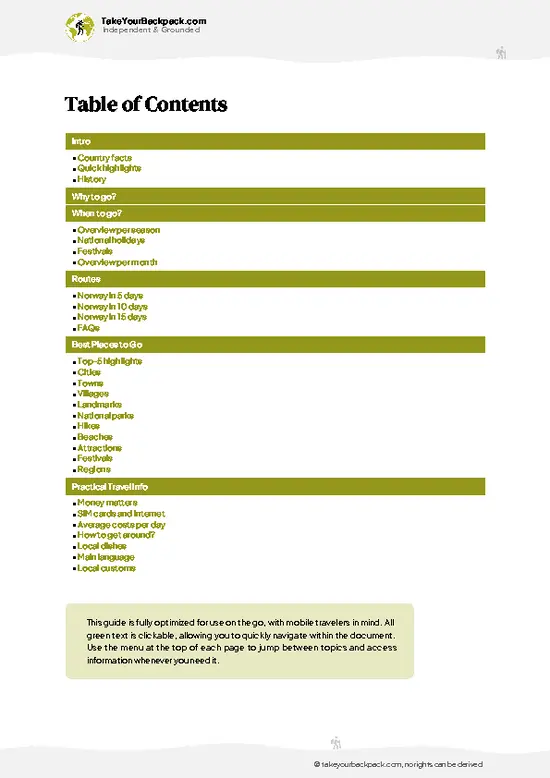
example page 2 from our offline Travel Guide for Norway
example page 3 from our offline Travel Guide for Norway
example page 4 from our offline Travel Guide for Norway
example page 5 from our offline Travel Guide for Norway
example page 6 from our offline Travel Guide for Norway
example page 7 from our offline Travel Guide for Norway
The digital guide (380 pages) contains:
101 highlights, ranked by travel appeal
Optimized 5, 10 & 15-day travel routes
Cities, national parks, landmarks, beaches
How to get around
Offline-friendly for travel without Wi-Fi
👉 Click to see all 30+ guide features

📅 Plan smarter in minutes, not weeks
Month by month travel advice
Festivals & national holidays
Budget expectations

🗺️ Go to the right places, skip the overrated ones
Honest pros & cons of destinations
Top hikes, parks & viewpoints
Lesser-known places most travelers miss
Clear “worth it vs skip it” guidance

🛏️ Travel smoothly without rookie mistakes
Best areas to stay
Transport systems explained simply
Common scams & safety advice
SIM cards, money & practical tips

🌍 Understand the country, not just visit it
Culture & traditions
52 Essential phrases & customs
Festivals worth planning around
Traveler-friendly historical context
Insights that make places more meaningful

📱 Built for real travel conditions
Fully downloadable PDF
Works completely offline
Optimized for phone use
Useful in remote areas & buses
Everything in one place
Save weeks of stressful planning
Get instant access to your full guide. 30‑day money-back guarantee.
+ Add another guide for just US$7.80

By proceeding you agree to our terms.
Sent to your inbox immediately after payment • 100% Secure Checkout
Best Backpacking Travel Advisor 2025 tourism awardBest Backpacking
Travel Advisor
2025
What others say about Take Your Backpack Guides:
⭐⭐⭐⭐⭐
Fantastic, amazing amount of information!
⭐⭐⭐⭐⭐
My goodness this is amazing, it's what I've been looking for hats off too you!
⭐⭐⭐⭐⭐
I think this is absolutely BRILLIANT
⭐⭐⭐⭐
Very complete and informative. It's still missing places, but I gotta to commend you
⭐⭐⭐⭐⭐
This is truly amazing, thank you, can't wait to explore it with my kids!
⭐⭐⭐⭐⭐
Awesome resource, thank you!
⭐⭐⭐⭐⭐
This is amazing! Can't wait to explore the ones I haven't seen
⭐⭐⭐⭐
I love this! Well done, great idea.
⭐⭐⭐⭐⭐
Thanks for taking the time to make this gem!
⭐⭐⭐⭐⭐
This might be the best website I've ever seen.
⭐⭐⭐⭐⭐
Congratulations, and thank you so much for your work; it's incredibly valuable.
⭐⭐⭐⭐
In all seriousness I think you did a great job pointing out the important spots
⭐⭐⭐⭐⭐
10/10 very good
⭐⭐⭐⭐⭐
As someone who's only just starting to visit regularly this is awesome, thank you.
⭐⭐⭐⭐
Thank you very much! I'm going to visit my dad, it's going to be very useful!
⭐⭐⭐⭐⭐
This is really cool! We'll be travelling for the first time and this definitely come in handy.
⭐⭐⭐⭐⭐
You are now our minister of culture, congratulations 👨‍💼
⭐⭐⭐⭐⭐
Just wanted to tell you that this is a pearl! Going to follow your recommendations.
⭐⭐⭐⭐⭐
This is so cool. I'll definitely be using the resource for my travels soon.
⭐⭐⭐⭐⭐
This is very impressive! Good work.
⭐⭐⭐⭐⭐
This is an amazing and informative site. Very well done!

🛏️ Where to stay?Top Places to Consider Staying

Yes. Hostels and other budget accommodation are available across Norway, but expect higher nightly rates than in many parts of Europe and limited availability during peak summer and Northern Lights season, so book early and factor transport costs into your budget.
In major cities most options cluster in central neighborhoods: Oslo — Sentrum for transport and sights (convenient but pricier and busy), Grünerløkka for nightlife and cafés (youthful and lively, a bit farther from some tourist routes), Majorstuen for cheaper metro links to trails and museums (quiet but more residential).
Bergen’s city centre gives immediate access to sights and ferries (tourist-crowded and more expensive), Tromsø’s … read more 👉
Yes. Hostels and other budget accommodation are available across Norway, but expect higher nightly rates than in many parts of Europe and limited availability during peak summer and Northern Lights season, so book early and factor transport costs into your budget.
In major cities most options cluster in central neighborhoods: Oslo — Sentrum for transport and sights (convenient but pricier and busy), Grünerløkka for nightlife and cafés (youthful and lively, a bit farther from some tourist routes), Majorstuen for cheaper metro links to trails and museums (quiet but more residential).
Bergen’s city centre gives immediate access to sights and ferries (tourist-crowded and more expensive), Tromsø’s city centre is best for aurora tours and walking (compact but can be noisy in high season), Trondheim’s Midtbyen is compact and safe with limited late-night options, Stavanger’s city centre/old town offers ferry and hiking access yet fills fast in summer, and Lofoten hubs like Svolvær or Leknes are scenic with very limited budget beds — reserve well ahead.

If you enjoy meeting fellow travelers, consider choosing hostels with high ratings for atmosphere. On the other hand, if you prefer having your own space, a hotel might be a better option.

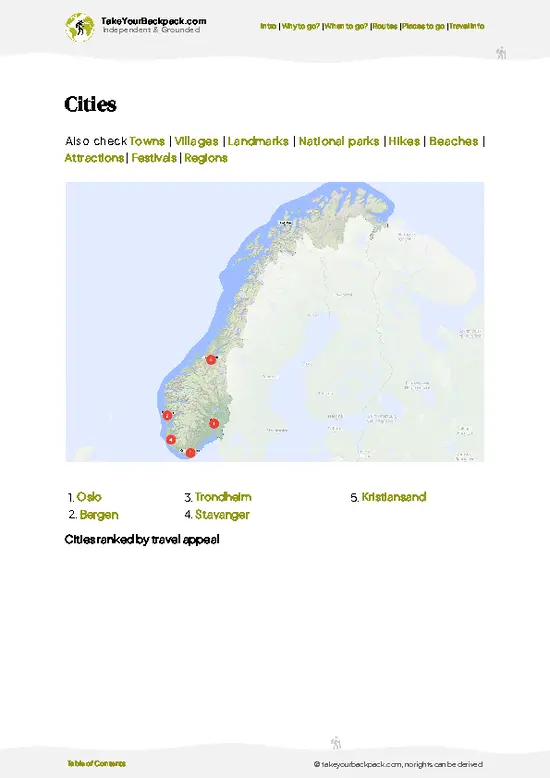
NorwayMore Places Across Norway

👋 Meet the founderWho’s Behind Take Your Backpack?

Johan, backpacker and founder of TakeYourBackpackHi, I’m Johan (Netherlands 🇳🇱), the creator of TakeYourBackpack. Over the past decade, I’ve backpacked through 80+ countries across six continents, gaining extensive experience with independent travel, long-term trips, and overland routes.

This site is built on a combination of firsthand travel experience and carefully curated insights from other backpackers. Many guides are based on places I’ve personally visited, while others bring together tips, observations, and practical advice shared by trusted travelers I’ve met along the way.

The goal is to provide realistic, experience-driven guidance — not generic itineraries — so you can explore destinations with better context, clearer expectations, and more confidence.

Get full Norway guide •
Instant download • 101 highlights • Full Offline guide