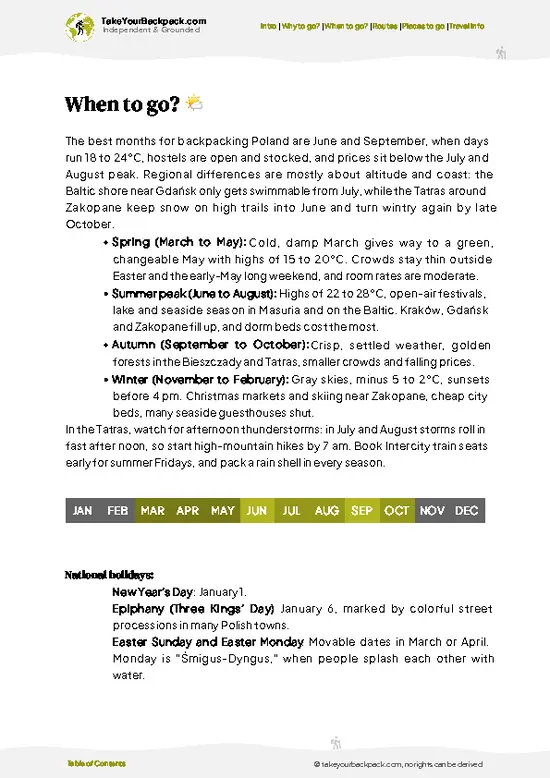
How many beaches to visit: I advise
three beaches, or at most four, in a single trip. The Baltic coast has a similar character from one end to the other, so visiting more adds little variety and costs time on regional trains. Three lets you cover the three distinct types: a lively resort beach, a quieter wild stretch and a peninsula or dune landscape. Anything beyond that becomes repetition, especially because the sea is cool and swimming days are limited by weather.
Choosing by travel style: If you want company, food stalls and nightlife, pick a
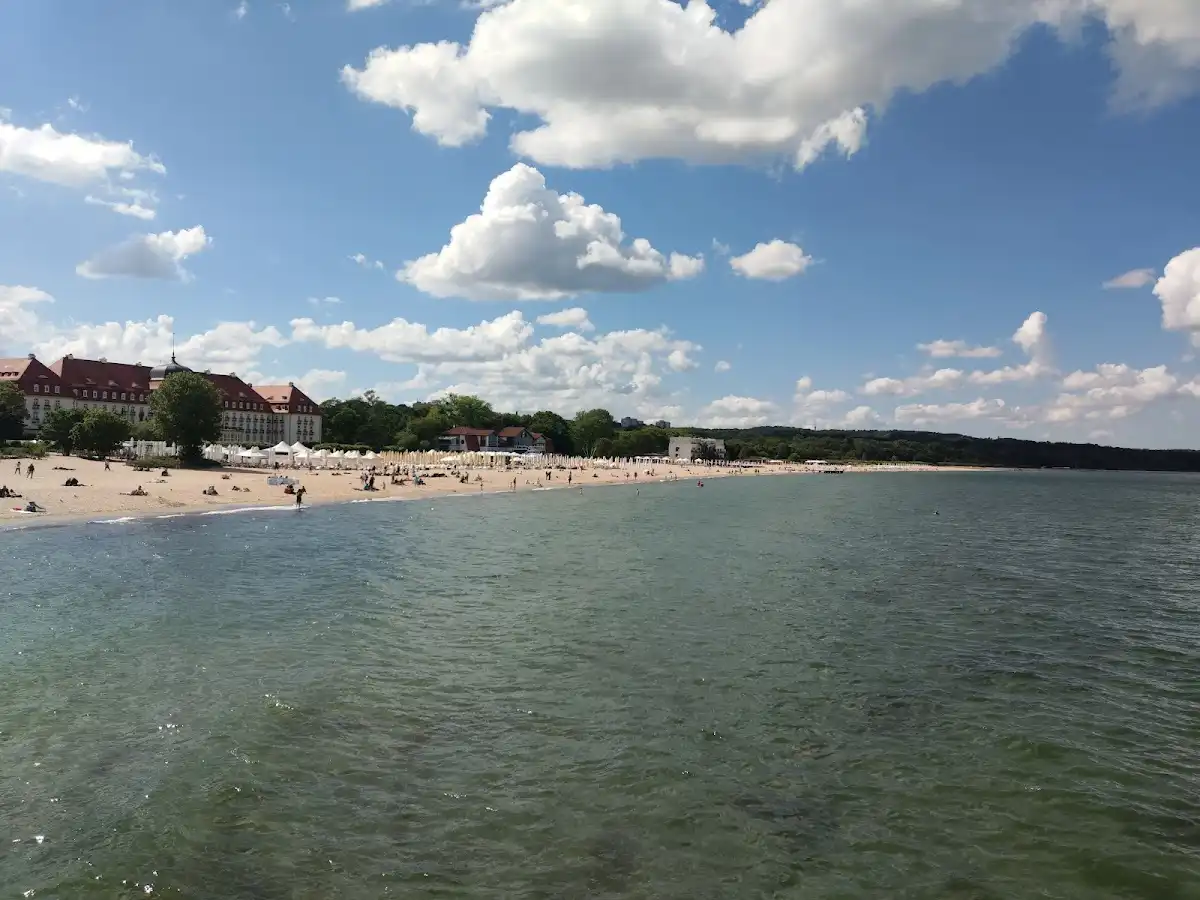
resort town with a long promenade, where fish stands, bars and rental shops line the route. If you want solitude, choose a beach inside a
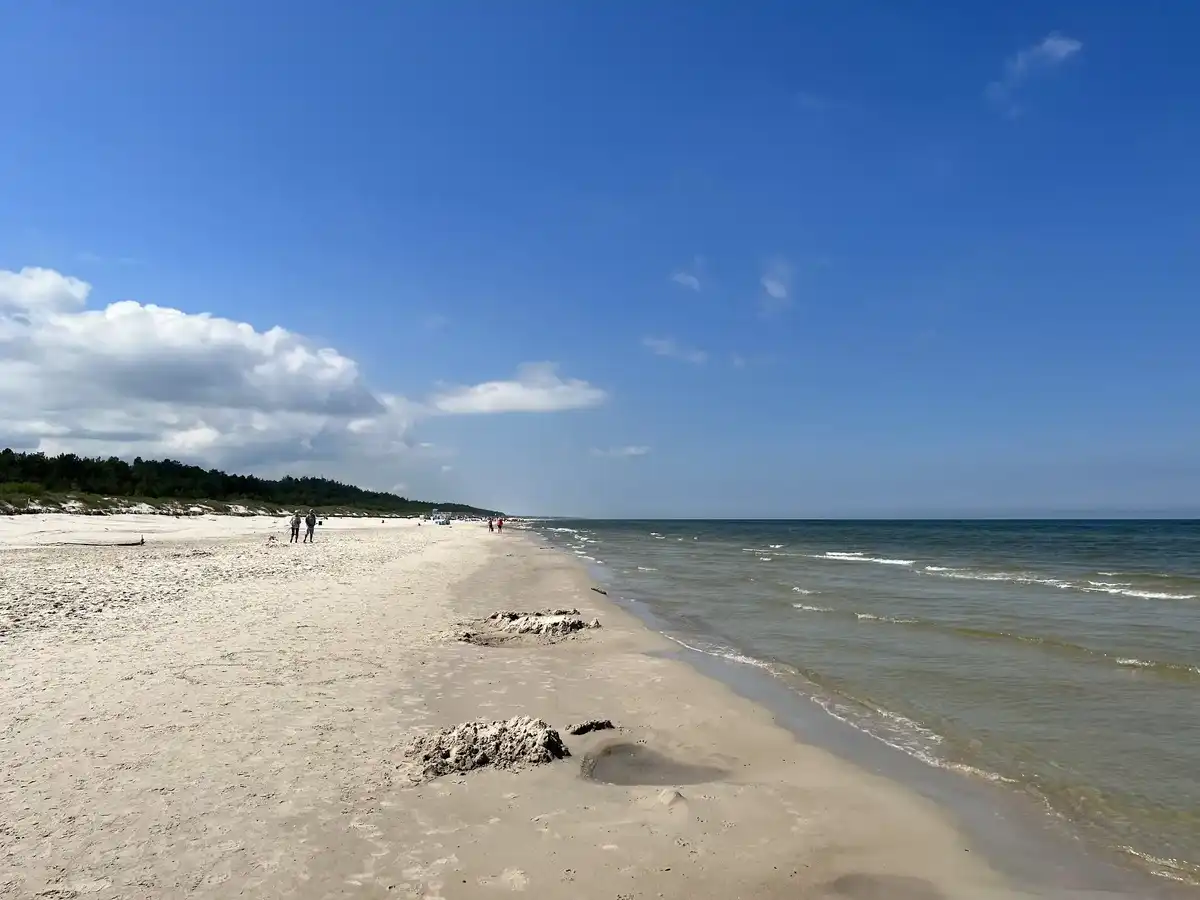
national or landscape park, where development is limited and walking distances are longer. Kitesurfers and windsurfers …
read more 👉 How many beaches to visit: I advise
three beaches, or at most four, in a single trip. The Baltic coast has a similar character from one end to the other, so visiting more adds little variety and costs time on regional trains. Three lets you cover the three distinct types: a lively resort beach, a quieter wild stretch and a peninsula or dune landscape. Anything beyond that becomes repetition, especially because the sea is cool and swimming days are limited by weather.
Choosing by travel style: If you want company, food stalls and nightlife, pick a
resort town with a long promenade, where fish stands, bars and rental shops line the route. If you want solitude, choose a beach inside a
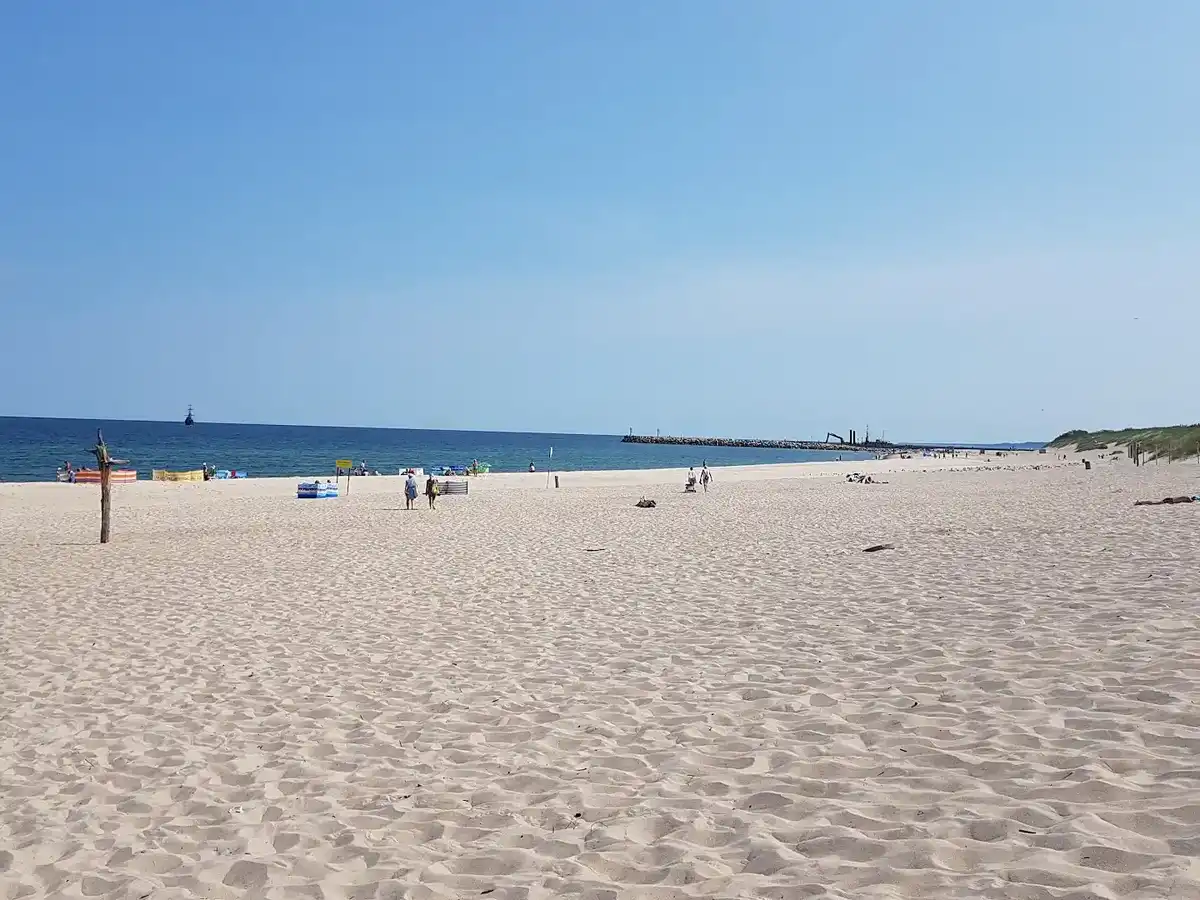
national or landscape park, where development is limited and walking distances are longer. Kitesurfers and windsurfers should prioritize the sheltered bay side of the Hel Peninsula, where shallow water suits learners. Those who mainly want landscape, not swimming, do best in the dune areas of the east, where the sand is shifting and the forest runs close to the shore.
What it costs: Budget
US$45 to 80 a day (roughly 180 to 320 zł) in peak season, including a hostel dorm or simple room, meals and local transport. Dorm beds run about 70 to 140 zł in summer and private rooms 200 to 400 zł. A fish-and-chips style meal at a seaside stall costs 35 to 60 zł. Most beaches are free, though some resort towns charge for parking, typically 20 to 40 zł a day. Windbreak rental is usually 10 to 20 zł, and a sun lounger 20 to 40 zł where offered. Regional train fares between coastal towns cost around 15 to 50 zł.
Safety and etiquette: The main risk is
cold water and wind, not wildlife. Swim only where lifeguards are posted, which in summer usually means red and yellow flags and a staffed tower; a red flag means no swimming, and Poles take it seriously. Currents near piers can be strong. Alcohol is banned on many beaches and the fines are real, so drink at the bars instead. Nudist sections exist on some stretches and are marked, but elsewhere toplessness is uncommon. Dunes are protected, so stay on boardwalks and paths, as fines apply for walking over them.
Crowds and what makes it worth it: Be honest about peak weeks: resort beaches in July and August are packed, with windbreaks arranged shoulder to shoulder and queues for food. Yet the width of the sand, the pale color, and the pine-lined dunes behind them make the effort worthwhile. Walking a kilometer or two away from any access point usually leaves the crowd behind.
v2.webp)


 Best Backpacking
.jpg) Hi, I’m Johan (Netherlands 🇳🇱), the creator of TakeYourBackpack. Over the past 3 decades, I’ve backpacked through 90+ countries across six continents, gaining extensive experience with independent travel, long-term trips, and overland routes.
Hi, I’m Johan (Netherlands 🇳🇱), the creator of TakeYourBackpack. Over the past 3 decades, I’ve backpacked through 90+ countries across six continents, gaining extensive experience with independent travel, long-term trips, and overland routes.