×

Poland🇵🇱 | best festivalsExplore the 10 Best festivals in Poland

In Poland, festivals are vibrant expressions of local culture, deeply rooted in tradition and seasonal rhythms. From the lively Carnival in February to the reflective All Saints’ Day in November, each event offers a unique glimpse into Polish life. Regions vary significantly; for instance, the Kraków Christmas Market draws crowds with its festive charm, while the Open’er Festival in Gdynia caters to music lovers seeking a modern vibe.

Choosing the right festival can dramatically shape your backpacking experience. It influences not just the crowds and costs, but also your cultural immersion and ease of travel. Understanding these nuances ensures a richer, more authentic journey through Poland’s diverse landscapes.

By Johan Kruseman 🇳🇱 | Updated June 10, 2026
Explore the best regions in Poland

Why go?Why Travelers Love These Spots

Festivals in Poland are a vibrant reflection of the country’s rich cultural tapestry, deeply rooted in history and tradition. They offer a unique lens into Polish life, showcasing everything from folk customs to religious observances. Unlike many other countries, Poland’s festivals often blend historical significance with contemporary celebration, making them a living narrative of the nation’s evolution.

The seasonal timing of these events is crucial. Summer festivals, for instance, take advantage of longer days and milder weather, drawing larger crowds. However, this popularity can lead to overcrowding, which may dilute the experience for those seeking genuine immersion. Conversely, attending festivals in the shoulder seasons can provide a more intimate atmosphere, though options may be … read more 👉
Festivals in Poland are a vibrant reflection of the country’s rich cultural tapestry, deeply rooted in history and tradition. They offer a unique lens into Polish life, showcasing everything from folk customs to religious observances. Unlike many other countries, Poland’s festivals often blend historical significance with contemporary celebration, making them a living narrative of the nation’s evolution.

The seasonal timing of these events is crucial. Summer festivals, for instance, take advantage of longer days and milder weather, drawing larger crowds. However, this popularity can lead to overcrowding, which may dilute the experience for those seeking genuine immersion. Conversely, attending festivals in the shoulder seasons can provide a more intimate atmosphere, though options may be limited.

Poland’s geographic diversity enhances its festival landscape, with events occurring in urban centers and rural areas alike. This variety allows travelers to choose between the buzz of city celebrations and the authenticity of village gatherings. However, accessibility can be a concern; some rural festivals may require additional travel time, which can be a trade-off for deeper cultural engagement.

Ultimately, understanding these dynamics is essential for making informed decisions. Festivals in Poland are not just events; they are gateways to experiencing the country’s soul, but they come with considerations that can shape the overall journey.
Why These Made the Cut
The list of best festivals in Poland is created based on energy, traditions, crowd experience, activities, and overall excitement. If you feel a festival is missing in this list, please let us know.

When to go?Best Time to Visit Poland for festivals

Seasonality and Festivals


Poland’s festival calendar is closely tied to its seasons, each offering a distinct atmosphere and experience. Spring, particularly from March to May, brings a sense of renewal. The weather is mild, making it a pleasant time for outdoor events. However, crowds are generally smaller, which can enhance the authenticity of local celebrations.

Summer is peak festival season, with vibrant events occurring across the country. June through August sees the highest attendance, as both locals and tourists flock to major celebrations. While the energy is palpable, expect larger crowds and higher costs for accommodations. The weather is warm, but be prepared for occasional rain.

Autumn, from September to November, offers a quieter festival experience. The weather is still … read more 👉

Seasonality and Festivals


Poland’s festival calendar is closely tied to its seasons, each offering a distinct atmosphere and experience. Spring, particularly from March to May, brings a sense of renewal. The weather is mild, making it a pleasant time for outdoor events. However, crowds are generally smaller, which can enhance the authenticity of local celebrations.

Summer is peak festival season, with vibrant events occurring across the country. June through August sees the highest attendance, as both locals and tourists flock to major celebrations. While the energy is palpable, expect larger crowds and higher costs for accommodations. The weather is warm, but be prepared for occasional rain.

Autumn, from September to November, offers a quieter festival experience. The weather is still favorable, and many harvest festivals take place, showcasing local produce and traditions. This shoulder season allows for a more intimate connection with local culture, though some events may be less frequent.

Winter festivals, particularly around the holiday season, bring a unique charm. While temperatures drop, the festive atmosphere can be enchanting. However, many outdoor events may be limited due to weather conditions.

Travelers should weigh the trade-offs between peak energy and high crowds against quieter moments that offer deeper cultural engagement. Understanding these seasonal dynamics is crucial for planning a meaningful visit.

festival hoppingHow to Combine festivals Into One Trip

Regional Clustering

Poland’s festivals are often concentrated in specific regions, making it easier to plan an efficient route. Start in the south with events like the Kraków Wianki Festival, then move north to Gdańsk for the St. Dominic’s Fair. This pattern minimizes travel time and maximizes festival exposure.

Optimal Sequencing

Consider the timing of each festival. Many summer events overlap, so prioritize those that align with your interests. For instance, attending the Open’er Festival in Gdynia can be followed by the Gdańsk Fair, allowing for a seamless transition.

Pacing and Timing

Allocate at least two to three days per festival to fully immerse in the experience. This pacing helps avoid burnout and allows for exploration of local culture. Crowds can be intense, especially at … read more 👉

Regional Clustering

Poland’s festivals are often concentrated in specific regions, making it easier to plan an efficient route. Start in the south with events like the Kraków Wianki Festival, then move north to Gdańsk for the St. Dominic’s Fair. This pattern minimizes travel time and maximizes festival exposure.

Optimal Sequencing

Consider the timing of each festival. Many summer events overlap, so prioritize those that align with your interests. For instance, attending the Open’er Festival in Gdynia can be followed by the Gdańsk Fair, allowing for a seamless transition.

Pacing and Timing

Allocate at least two to three days per festival to fully immerse in the experience. This pacing helps avoid burnout and allows for exploration of local culture. Crowds can be intense, especially at popular events, so factor in downtime to recharge.

Common Planning Mistakes

Travelers often underestimate travel times between festivals. Polish cities can be well-connected, but delays can occur. Avoid cramming too many events into a short timeframe; quality experiences often outweigh quantity.

Trade-offs and Constraints

Balancing speed with depth is crucial. While it may be tempting to hit as many festivals as possible, prioritize those that resonate most. Budget considerations also come into play; some festivals may have higher accommodation costs due to demand. Flexibility in planning allows for adjustments based on energy levels and local recommendations.

The ListTop festivals of Poland

1 Open’er Festival

coastal airfield, headline acts, large-scale stages

Catch global artists and diverse genres on sprawling grounds near the Baltic Sea, with camping and art installations on site.

2 Woodstock

open fields, free entry, massive crowds

Camp out with thousands for days of non-stop music, spontaneous performances, and a communal spirit that defines the event.

3 Off Festival

indie music, Katowice, alternative scene

Hear emerging and established acts across multiple stages, with a crowd that values discovery and a relaxed, open atmosphere.

4 Orange Warsaw Festival

urban park, pop and hip-hop, city crowds

See chart-topping acts and rising stars in a central Warsaw park, with easy access and a lively city vibe.

5 Tauron Nowa Muzyka

electronic sounds, industrial venues, late-night sets

Experience experimental beats and innovative visuals in repurposed industrial spaces, drawing electronic music fans from across Europe.

6 Unsound Festival

avant-garde, sound art, experimental music

Immerse yourself in boundary-pushing performances and installations, attracting a crowd interested in new sonic experiences.

7 Krakow Film Festival

documentaries, international cinema, screenings

Watch acclaimed and debut films in historic cinemas, with opportunities to meet filmmakers and attend post-screening discussions.

8 Jewish Culture Festival

Kazimierz district, klezmer music, heritage workshops

Explore Jewish traditions through concerts, street food, and guided walks in Krakow’s historic Jewish quarter.

9 Gdańsk Shakespeare Festival

Elizabethan theatre, international troupes, historic Gdańsk

Watch classic and modern interpretations of Shakespeare, staged in a purpose-built theatre and venues across the old town.

10 Sacrum Profanum

modern classical, cross-genre, Krakow venues

Listen to contemporary composers and genre-blending collaborations in unique settings, appealing to adventurous music fans.

11 Camerimage

cinematography, film professionals, awards

Attend screenings and workshops focused on the art of visual storytelling, drawing filmmakers and students from around the world.

12 Malta Festival

Poznań, outdoor theatre, performance art

Engage with contemporary theatre, dance, and installations in public spaces, transforming the city into a stage.

13 Slot Art Festival

creative workshops, castle grounds, alternative community

Participate in hands-on art, music, and discussion sessions, with a focus on creativity and shared experience in a historic location.

14 Ethno Port Poznań

world music, folk traditions, riverside stages

Discover global sounds and traditional instruments, with performances and workshops connecting cultures in an open-air setting.

15 Wianki

riverbank, midsummer, wreath floating

Join locals along the Vistula for ancient solstice rituals, live concerts, and a festive night of open-air celebration.

16 Juwenalia

student parades, campus concerts, spring tradition

Celebrate with students as universities host concerts, parties, and colorful processions marking the end of the academic year.

17 Tatra Mountains Film Festival

mountain cinema, outdoor screenings, Zakopane

Watch films inspired by nature and adventure, with screenings set against the backdrop of the Tatra peaks.

Think you know Poland?

Prove you’re a true local — uncover 7 lesser-known festivals in Poland that locals tend to keep to themselves.
Loading the map 🌍

Expert viewWhat You Should Know

Festivals in Poland are a vibrant tapestry of culture, history, and community spirit. However, the reality often diverges from the Instagram-perfect snapshots. Crowds can be overwhelming, especially at the most popular events. Expect to share your experience with thousands of others, which can dilute the intimacy of cultural immersion. If you’re looking for genuine connection, consider timing your visit to lesser-known festivals or attending during weekdays when crowds are thinner.

Timing is crucial. The festival season typically kicks off in late spring and runs through early autumn. This is when the weather is most favorable, and the local communities are eager to showcase their traditions. However, peak summer months can bring sweltering heat and a surge in tourists. If you can, aim for … read more 👉
Festivals in Poland are a vibrant tapestry of culture, history, and community spirit. However, the reality often diverges from the Instagram-perfect snapshots. Crowds can be overwhelming, especially at the most popular events. Expect to share your experience with thousands of others, which can dilute the intimacy of cultural immersion. If you’re looking for genuine connection, consider timing your visit to lesser-known festivals or attending during weekdays when crowds are thinner.

Timing is crucial. The festival season typically kicks off in late spring and runs through early autumn. This is when the weather is most favorable, and the local communities are eager to showcase their traditions. However, peak summer months can bring sweltering heat and a surge in tourists. If you can, aim for late spring or early fall. You’ll enjoy milder weather and a more authentic atmosphere, as locals are more likely to engage with visitors when they’re not overwhelmed by the influx of tourists.

Budget considerations are essential. While many festivals are free to attend, the costs can add up quickly. Think about transportation, food, and accommodations. Popular festivals often lead to inflated prices, especially in nearby hotels and restaurants. If you’re on a tighter budget, consider staying a bit further away and using public transport to reach the festival. This not only saves money but also gives you a chance to see more of the surrounding area.

Energy levels matter too. Some festivals are high-octane, featuring non-stop music and dancing, while others focus on local crafts and traditions. If you’re not a fan of large crowds or loud music, seek out smaller, community-driven events. These often provide a more personal experience, allowing you to connect with local artisans and performers. You might find a small folk festival in a village that offers a more intimate setting, complete with traditional food and storytelling.

Cultural context is key to understanding the significance of each festival. Many events are steeped in history and local customs, often reflecting regional variations. For instance, the harvest festivals in rural areas celebrate agricultural traditions, while urban festivals might focus on contemporary art and music. Understanding these nuances can enhance your experience. Engage with locals, ask questions, and participate in activities. This not only enriches your visit but also shows respect for their culture.

Infrastructure can be a mixed bag. While major cities are well-equipped for tourists, rural areas may lack the same level of accessibility. Public transport can be limited, so plan your logistics carefully. If you’re venturing into the countryside for a festival, check local transport schedules in advance. Renting a car can offer more flexibility, but be prepared for narrow roads and limited parking.

Safety is another consideration. While Poland is generally safe for travelers, large crowds can present challenges. Keep an eye on your belongings and be aware of your surroundings, especially in busy areas. Additionally, familiarize yourself with local customs and etiquette. Understanding how to behave in different cultural contexts can prevent misunderstandings and enhance your experience.

In terms of how many festivals to attend, I’d recommend aiming for three to five during your visit. This allows you to experience a variety of cultural expressions without feeling rushed. Prioritize based on your interests—whether that’s music, food, or traditional crafts. Each festival offers a unique slice of Polish life, and the more you engage, the richer your experience will be.

Ultimately, the real magic of Poland’s festivals lies in their authenticity. By approaching them with an open mind and a willingness to engage, you’ll uncover the true spirit of the country.

✈️ The backpacker research shortcutPoland Travel Guide

An offline-friendly backpacking guide with optimized travel routes, ranked highlights, transport advice, and the best areas to stay.
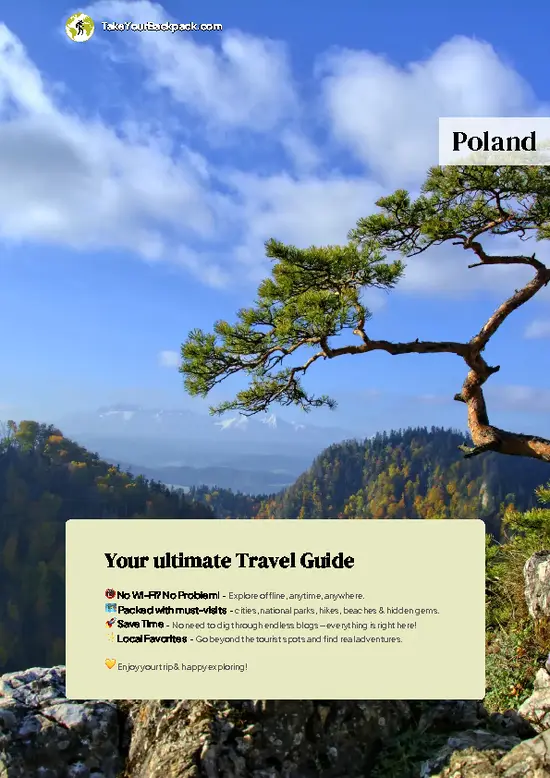
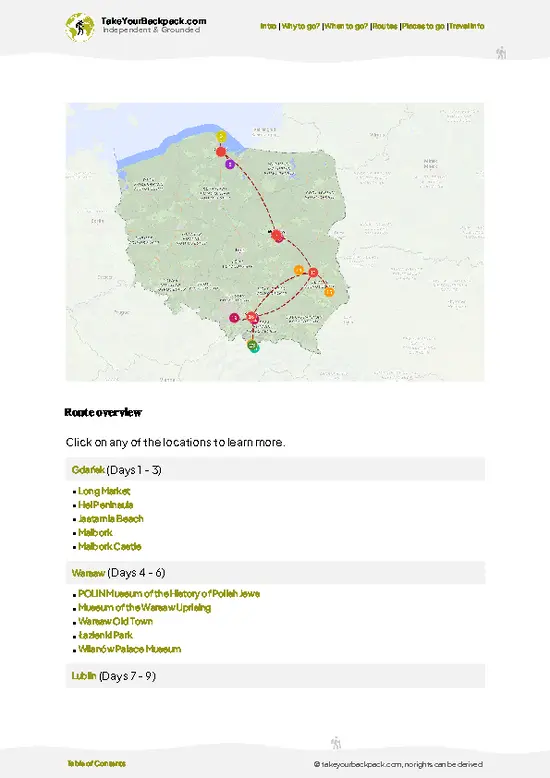
example page 0 from our offline Travel Guide for Poland
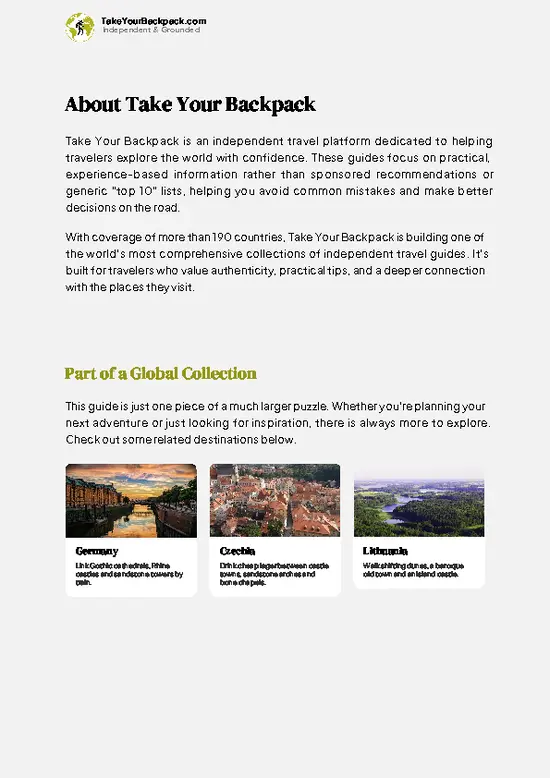
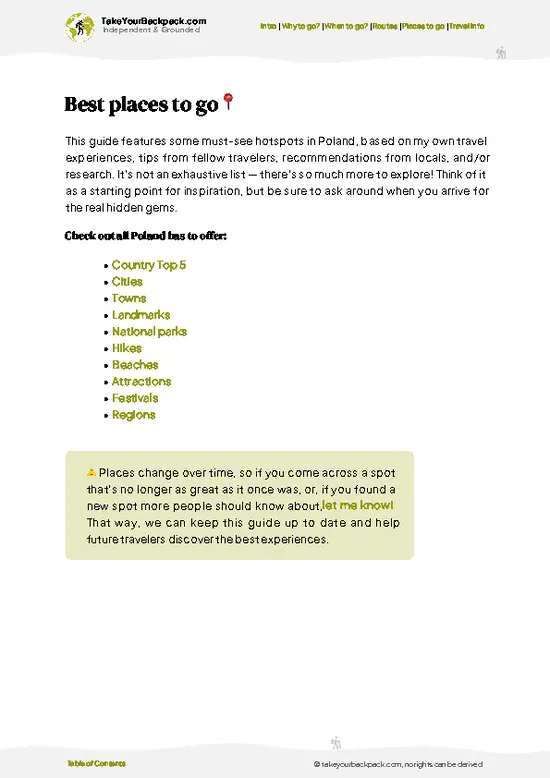
example page 1 from our offline Travel Guide for Poland
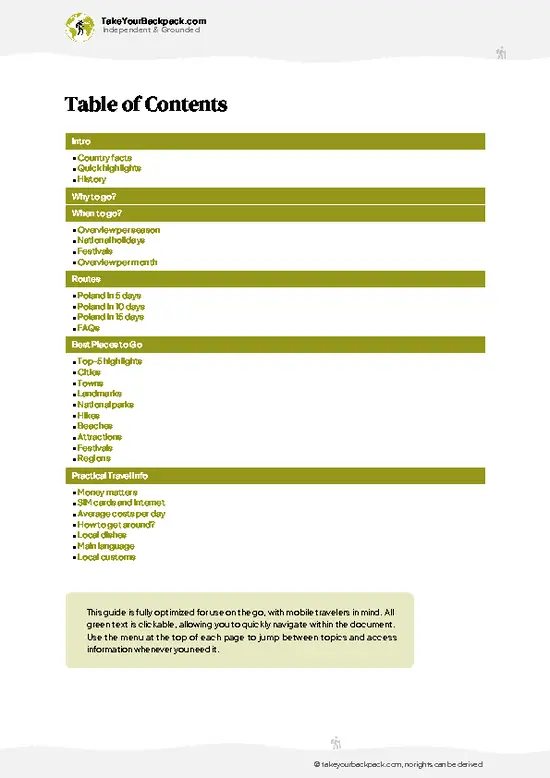
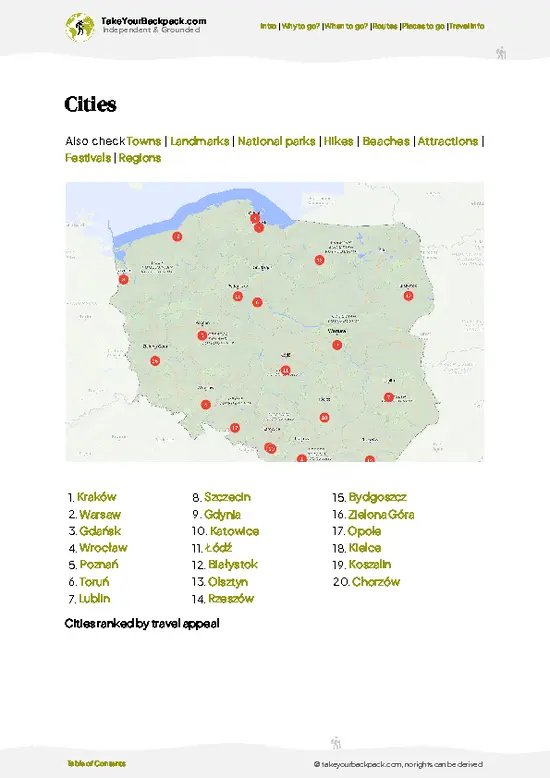
example page 2 from our offline Travel Guide for Poland
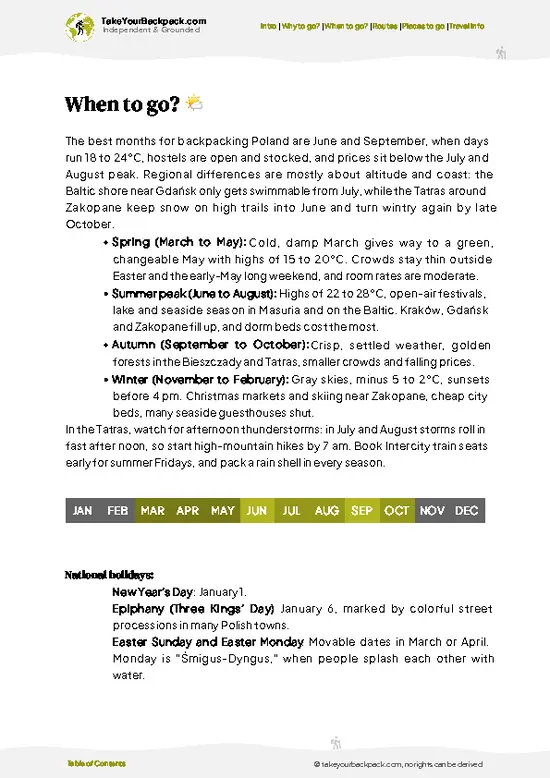
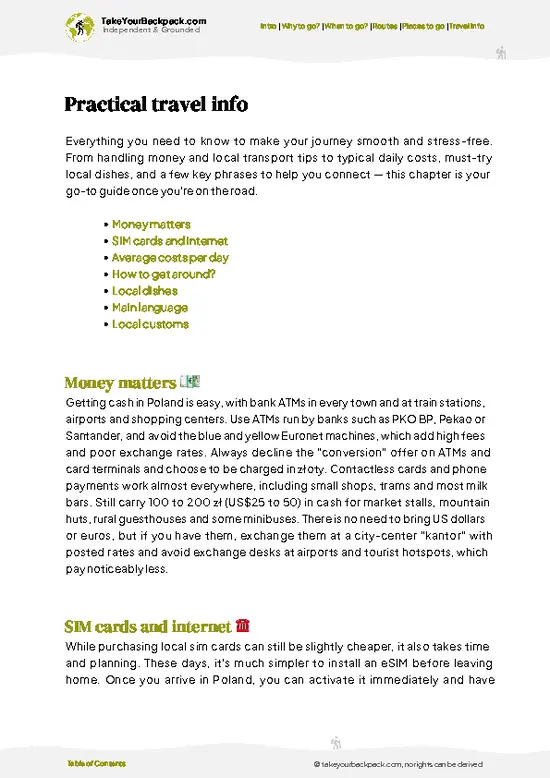
example page 3 from our offline Travel Guide for Poland
example page 4 from our offline Travel Guide for Poland
example page 5 from our offline Travel Guide for Poland
example page 6 from our offline Travel Guide for Poland
example page 7 from our offline Travel Guide for Poland
The digital guide (432 pages) contains:
116 highlights, ranked by travel appeal
Optimized 5, 10 & 15-day travel routes
Cities, national parks, landmarks, beaches
How to get around
Offline-friendly for travel without Wi-Fi
👉 Click to see all 30+ guide features

📅 Plan smarter in minutes, not weeks
Month by month travel advice
Festivals & national holidays
Budget expectations

🗺️ Go to the right places, skip the overrated ones
Honest pros & cons of destinations
Top hikes, parks & viewpoints
Lesser-known places most travelers miss
Clear “worth it vs skip it” guidance

🛏️ Travel smoothly without rookie mistakes
Best areas to stay
Transport systems explained simply
Common scams & safety advice
SIM cards, money & practical tips

🌍 Understand the country, not just visit it
Culture & traditions
52 Essential phrases & customs
Festivals worth planning around
Traveler-friendly historical context
Insights that make places more meaningful

📱 Built for real travel conditions
Fully downloadable PDF
Works completely offline
Optimized for phone use
Useful in remote areas & buses
Everything in one place
Save weeks of stressful planning
Get instant access to your full guide. 30‑day money-back guarantee.


By proceeding you agree to our terms.
Sent to your inbox immediately after payment • 100% Secure Checkout
Best Backpacking Travel Advisor 2025 tourism awardBest Backpacking
Travel Advisor
2025
What others say about Take Your Backpack Guides:
⭐⭐⭐⭐⭐
Fantastic, amazing amount of information!
⭐⭐⭐⭐⭐
My goodness this is amazing, it's what I've been looking for hats off too you!
⭐⭐⭐⭐⭐
I think this is absolutely BRILLIANT
⭐⭐⭐⭐
Very complete and informative. It's still missing places, but I gotta to commend you
⭐⭐⭐⭐⭐
This is truly amazing, thank you, can't wait to explore it with my kids!
⭐⭐⭐⭐⭐
Awesome resource, thank you!
⭐⭐⭐⭐⭐
This is amazing! Can't wait to explore the ones I haven't seen
⭐⭐⭐⭐
I love this! Well done, great idea.
⭐⭐⭐⭐⭐
Thanks for taking the time to make this gem!
⭐⭐⭐⭐⭐
This might be the best website I've ever seen.
⭐⭐⭐⭐⭐
Congratulations, and thank you so much for your work; it's incredibly valuable.
⭐⭐⭐⭐
In all seriousness I think you did a great job pointing out the important spots
⭐⭐⭐⭐⭐
10/10 very good
⭐⭐⭐⭐⭐
As someone who's only just starting to visit regularly this is awesome, thank you.
⭐⭐⭐⭐
Thank you very much! I'm going to visit my dad, it's going to be very useful!
⭐⭐⭐⭐⭐
This is really cool! We'll be travelling for the first time and this definitely come in handy.
⭐⭐⭐⭐⭐
You are now our minister of culture, congratulations 👨‍💼
⭐⭐⭐⭐⭐
Just wanted to tell you that this is a pearl! Going to follow your recommendations.
⭐⭐⭐⭐⭐
This is so cool. I'll definitely be using the resource for my travels soon.
⭐⭐⭐⭐⭐
This is very impressive! Good work.
⭐⭐⭐⭐⭐
This is an amazing and informative site. Very well done!

🛏️ Where to stay?Accommodation Highlights

Yes — hostels and budget accommodation are widespread across Poland, concentrated in city centres, near main train stations and in popular tourist towns; expect lower prices off‑season and sharp hikes in summer and around events.
In Warsaw look in Śródmieście for the easiest access to Old Town, museums and transport (convenient but busier and pricier), or Praga for cheaper, trendier spots with more nightlife but uneven street‑level safety after dark.
In Kraków choose Stare Miasto for walking distance to major sights and loud nights, or Kazimierz for bars and a lively scene; in Gdańsk/Sopot the Old Town/seaside areas give beach access at higher cost, while Wrzeszcz, Wrocław Rynek and Poznań read more 👉
Yes — hostels and budget accommodation are widespread across Poland, concentrated in city centres, near main train stations and in popular tourist towns; expect lower prices off‑season and sharp hikes in summer and around events.
In Warsaw look in Śródmieście for the easiest access to Old Town, museums and transport (convenient but busier and pricier), or Praga for cheaper, trendier spots with more nightlife but uneven street‑level safety after dark.
In Kraków choose Stare Miasto for walking distance to major sights and loud nights, or Kazimierz for bars and a lively scene; in Gdańsk/Sopot the Old Town/seaside areas give beach access at higher cost, while Wrzeszcz, Wrocław Rynek and Poznań Stary Rynek offer central, transport‑friendly bases that are convenient for trains but can be noisy.

If you enjoy meeting fellow travelers, consider choosing hostels with high ratings for atmosphere. On the other hand, if you prefer having your own space, a hotel might be a better option.

PolandSee More of Poland

👋 Meet the founderWho’s Behind Take Your Backpack?

Johan, backpacker and founder of TakeYourBackpackHi, I’m Johan (Netherlands 🇳🇱), the creator of TakeYourBackpack. Over the past decade, I’ve backpacked through 80+ countries across six continents, gaining extensive experience with independent travel, long-term trips, and overland routes.

This site is built on a combination of firsthand travel experience and carefully curated insights from other backpackers. Many guides are based on places I’ve personally visited, while others bring together tips, observations, and practical advice shared by trusted travelers I’ve met along the way.

The goal is to provide realistic, experience-driven guidance — not generic itineraries — so you can explore destinations with better context, clearer expectations, and more confidence.

Get full Poland guide •
Instant download • 116 highlights • Full Offline guide