How Many to Visit: I advise
six to eight landmarks over a ten-day trip. That gives each site a half day to a full day and leaves room for the walking, queuing and quiet that heavier sites demand. Poland’s history is dense, and visiting more than one emotionally demanding memorial in a single day tends to flatten the experience.
Prioritizing by Travel Style: For travelers drawn to
history, put the twentieth-century memorials and rebuilt old towns first, and give them unhurried time. For
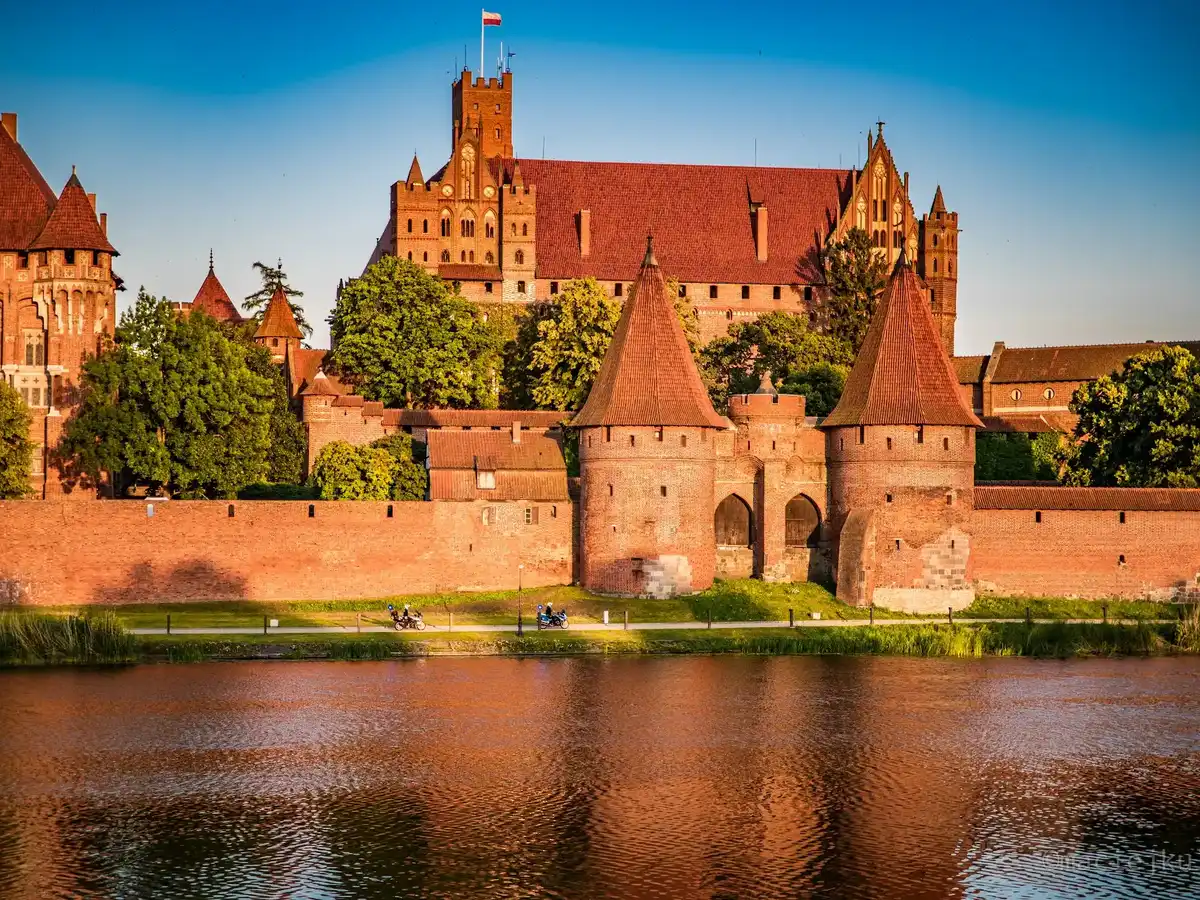
architecture, concentrate on the brick Gothic castles and churches of the north and the wooden churches of the south. Travelers wanting
atmosphere over information will do better in the smaller towns and open-air sites, which have fewer crowds and lower prices. Mixing one heavy site with lighter ones each week …
read more 👉 How Many to Visit: I advise
six to eight landmarks over a ten-day trip. That gives each site a half day to a full day and leaves room for the walking, queuing and quiet that heavier sites demand. Poland’s history is dense, and visiting more than one emotionally demanding memorial in a single day tends to flatten the experience.
Prioritizing by Travel Style: For travelers drawn to
history, put the twentieth-century memorials and rebuilt old towns first, and give them unhurried time. For
architecture, concentrate on the brick Gothic castles and churches of the north and the wooden churches of the south. Travelers wanting
atmosphere over information will do better in the smaller towns and open-air sites, which have fewer crowds and lower prices. Mixing one heavy site with lighter ones each week keeps the trip balanced.
What It Costs: Plan on
US$35 to 60 a day for a backpacker covering landmarks, including a hostel dorm bed (roughly 60 to 120 PLN, or US$15 to 30), food and local transport. Entry fees are modest: most museums and castles charge 20 to 60 PLN (US$5 to 15), with discounted or free days at some state museums. Guided tours at major sites run 60 to 150 PLN (US$15 to 40), and a guide is compulsory at some memorials. Intercity trains cost about 40 to 120 PLN (US$10 to 30) per leg, with lower fares if booked early. Budget a typical visit at US$10 to 25 including entry and a local ticket.
Safety and Cultural Considerations: Poland is
generally safe, with petty theft concentrated around main stations and crowded squares, so keep valuables zipped in busy tourist areas. At
memorials and former camps, dress modestly, keep voices low, and do not take photos where signs forbid them. Selfies and playful poses at these sites are widely seen as disrespectful. Churches are active places of worship; cover shoulders and avoid entering during mass unless attending.
What to Watch For: Book
timed tickets online for the most visited sites, especially from June to August, since walk-up slots can sell out. Many sites close on Mondays, and some are free on specific days, which brings long queues. Carry some cash in zloty for rural sites and small museums that do not take cards. Pay attention to the
local details: reconstructed facades, bullet marks on walls, and plaques in Polish that explain what stood on a spot. They are what make the journey worth the effort.
v2.webp)



 Best Backpacking
.jpg) Hi, I’m Johan (Netherlands 🇳🇱), the creator of TakeYourBackpack. Over the past 3 decades, I’ve backpacked through 90+ countries across six continents, gaining extensive experience with independent travel, long-term trips, and overland routes.
Hi, I’m Johan (Netherlands 🇳🇱), the creator of TakeYourBackpack. Over the past 3 decades, I’ve backpacked through 90+ countries across six continents, gaining extensive experience with independent travel, long-term trips, and overland routes.