Poland suits hiking mainly because of its
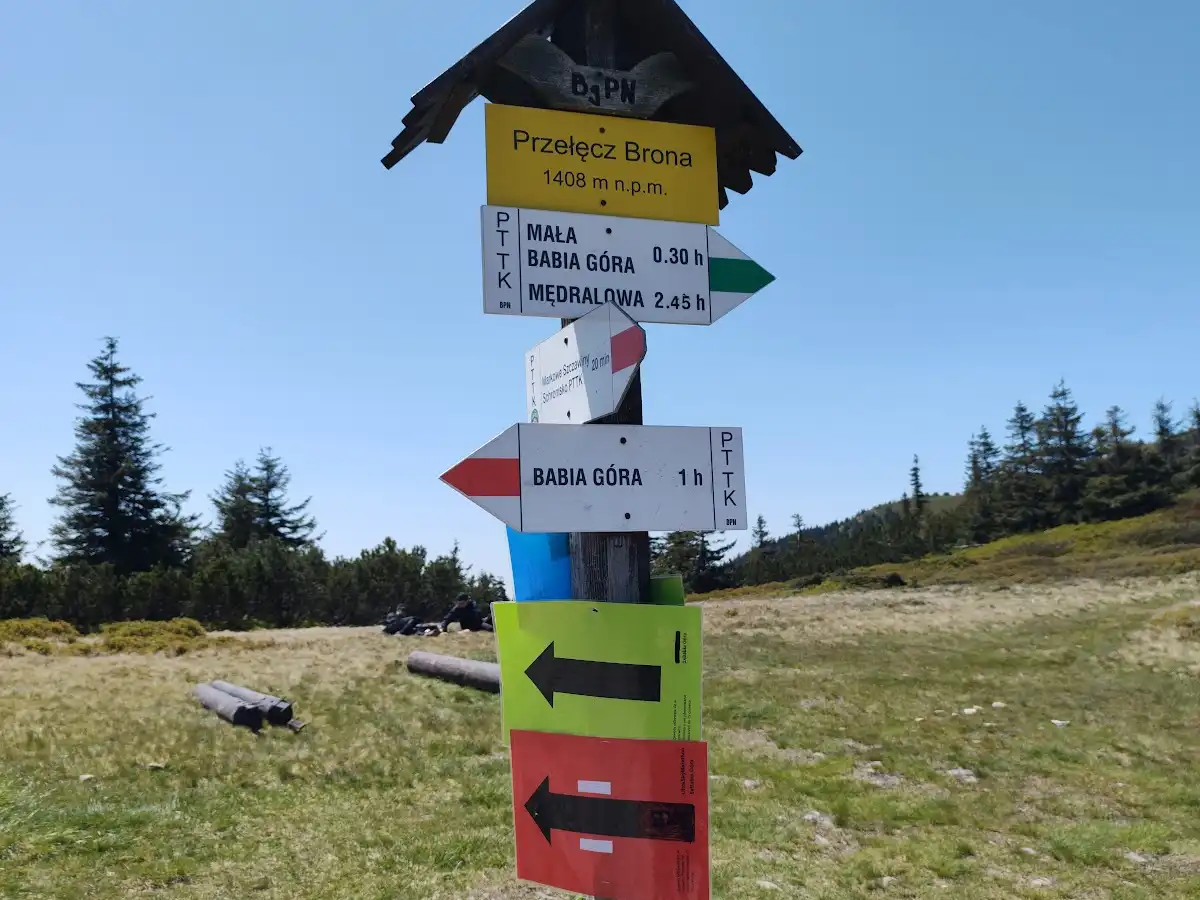
infrastructure. Trails are color-blazed with consistent markings, maintained largely by the PTTK, the national tourist society founded in the 19th century, and a dense network of
mountain huts (schroniska) serves hot meals and cheap beds in the main ranges. Distances between trailheads and towns are short, and rail or bus links reach most mountain gateways, so a car is rarely required.
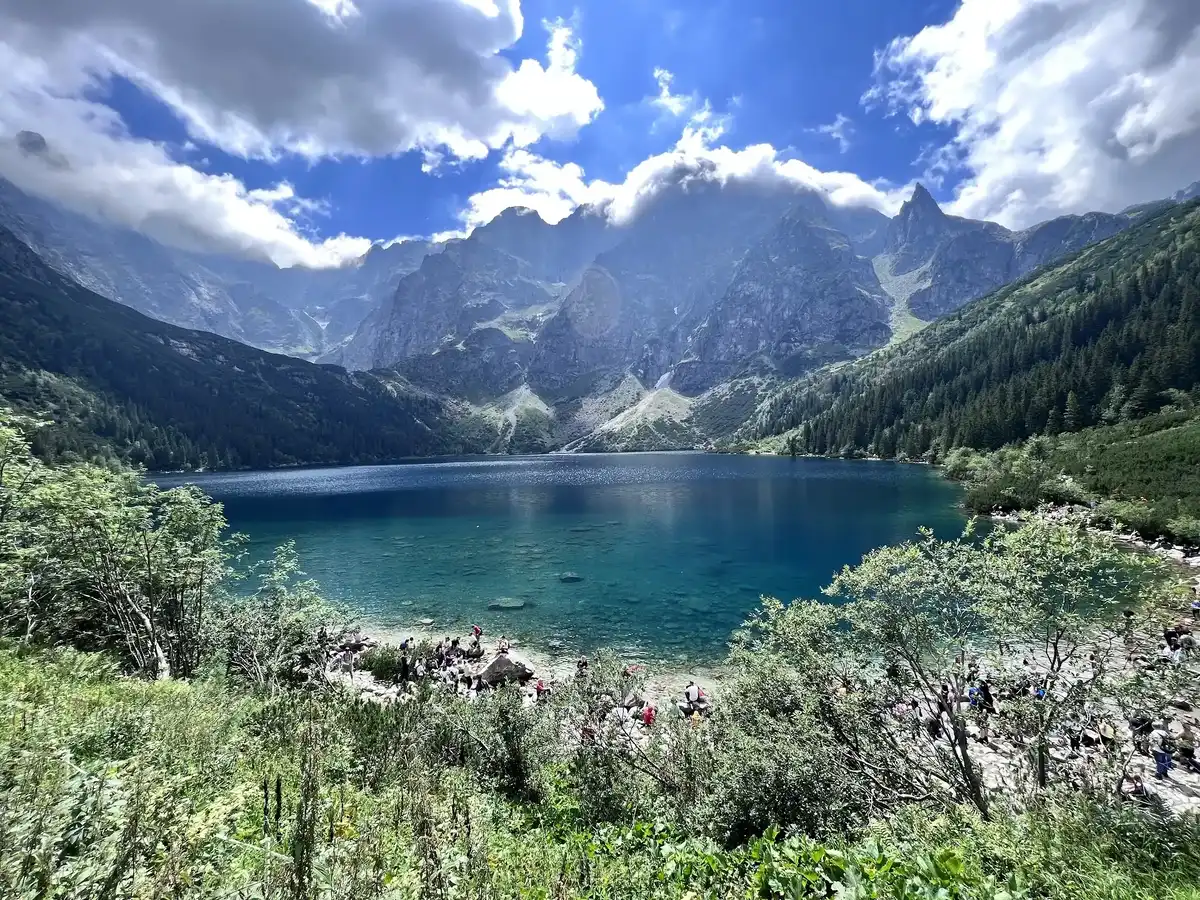
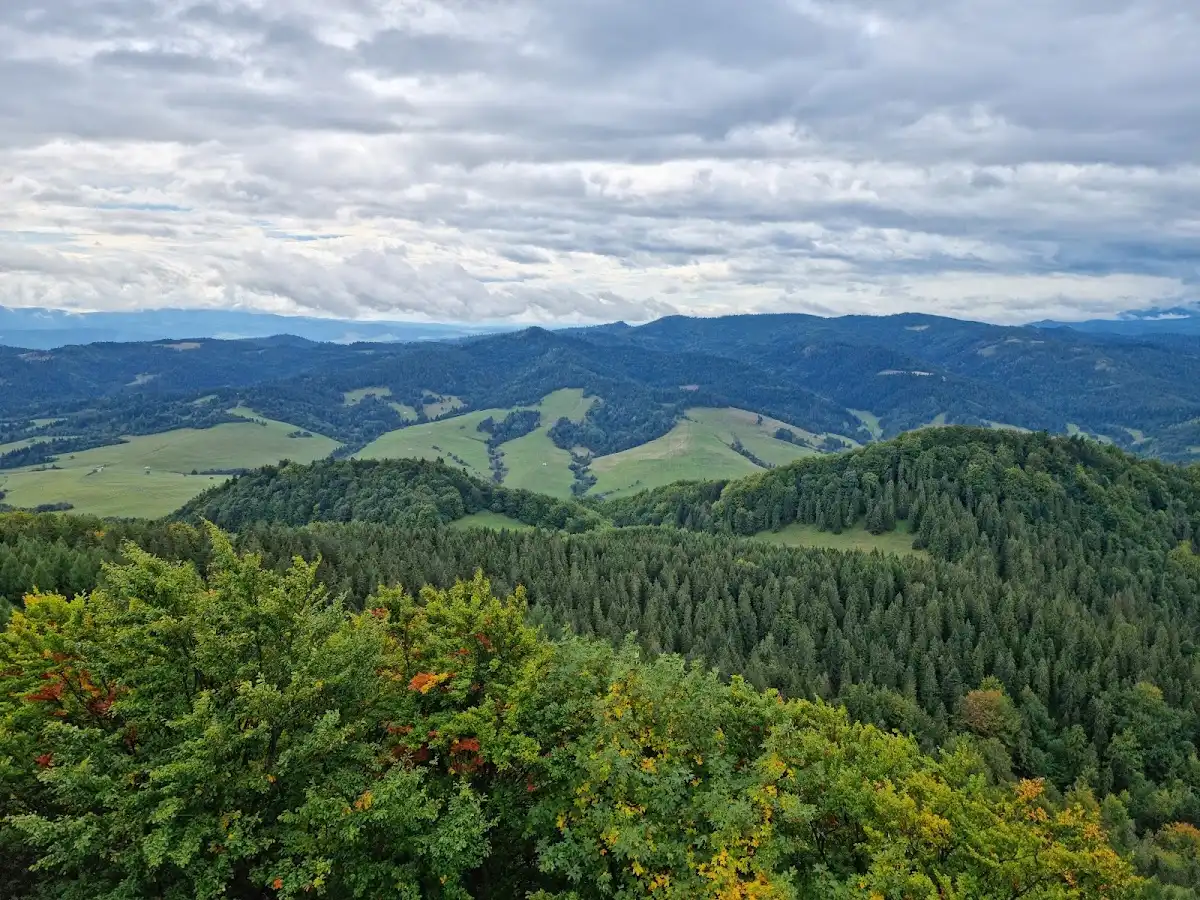
The geography is the limit. Poland’s highest peak, Rysy, stands at 2,499 meters, and the Tatras are the only truly alpine range. Elsewhere, ridges are rounded, forested and lower, which makes for gentle walking but less dramatic exposure than the Alps. The
national park system protects much of the best terrain, and that brings rules: marked trails only, entry tickets, …
read more 👉Poland suits hiking mainly because of its infrastructure. Trails are color-blazed with consistent markings, maintained largely by the PTTK, the national tourist society founded in the 19th century, and a dense network of mountain huts (schroniska) serves hot meals and cheap beds in the main ranges. Distances between trailheads and towns are short, and rail or bus links reach most mountain gateways, so a car is rarely required.
The geography is the limit. Poland’s highest peak, Rysy, stands at 2,499 meters, and the Tatras are the only truly alpine range. Elsewhere, ridges are rounded, forested and lower, which makes for gentle walking but less dramatic exposure than the Alps. The national park system protects much of the best terrain, and that brings rules: marked trails only, entry tickets, and in some parks seasonal closures.
Travelers should know that Poland rewards planning around crowds more than around difficulty. Popular routes fill on weekends and holidays, while neighboring ranges stay almost empty. Food and lodging cost noticeably less than in neighboring Alpine countries. Weather turns quickly in the mountains, and snow can persist at height well into spring, so conditions matter more than the calendar alone suggests.
Behind the Scenes of Selection
The list of best hikes in Poland is created based on scenery, challenge, trail quality, landmarks, and overall enjoyment. If you feel a hike is missing in this list, please let us know.
v2.webp)




 Best Backpacking
.jpg) Hi, I’m Johan (Netherlands 🇳🇱), the creator of TakeYourBackpack. Over the past 3 decades, I’ve backpacked through 90+ countries across six continents, gaining extensive experience with independent travel, long-term trips, and overland routes.
Hi, I’m Johan (Netherlands 🇳🇱), the creator of TakeYourBackpack. Over the past 3 decades, I’ve backpacked through 90+ countries across six continents, gaining extensive experience with independent travel, long-term trips, and overland routes.