×

Sudan🇸🇩 | best beachesYour Guide to the 3 Best beaches in Sudan

Sudan’s beaches are a diverse tapestry of coastal beauty, each offering unique experiences shaped by regional and seasonal nuances. From the crystal-clear waters of the Red Sea to the rugged shores of the north, the options cater to various travel styles and budgets. Some beaches are perfect for backpackers seeking solitude, while others buzz with local life and activity.

Choosing the right beach impacts your vibe, safety, and cultural immersion. For instance, the crowds swell during peak season, affecting both the atmosphere and costs. Understanding these dynamics is key to maximizing your independent travel experience in Sudan.

By Johan Kruseman 🇳🇱 | Updated June 9, 2026
Explore the best attractions in Sudan

Why go?Why Travelers Love These Spots

Sudan’s beaches stand out for their coastal variety and unique geography. Stretching along the Red Sea, they offer a mix of pristine sands and rugged cliffs, creating a landscape that’s both visually striking and culturally rich. Unlike many other countries, Sudan’s coastline is less commercialized, providing a more authentic experience away from the throngs of tourists.

However, this comes with trade-offs. The seasonal conditions can be extreme, with summer temperatures soaring, making the best time to visit the cooler months from October to April. During peak season, expect larger crowds, which can detract from the serene atmosphere many seek. Conversely, visiting during the off-peak months may mean fewer people but also harsher weather conditions.

Accessibility is another consideration. … read more 👉
Sudan’s beaches stand out for their coastal variety and unique geography. Stretching along the Red Sea, they offer a mix of pristine sands and rugged cliffs, creating a landscape that’s both visually striking and culturally rich. Unlike many other countries, Sudan’s coastline is less commercialized, providing a more authentic experience away from the throngs of tourists.

However, this comes with trade-offs. The seasonal conditions can be extreme, with summer temperatures soaring, making the best time to visit the cooler months from October to April. During peak season, expect larger crowds, which can detract from the serene atmosphere many seek. Conversely, visiting during the off-peak months may mean fewer people but also harsher weather conditions.

Accessibility is another consideration. While some beaches are easily reachable from major cities, others require more effort to access, often involving longer travel times. This can lead to a deeper exploration of the local culture, but it demands a willingness to invest time and energy.

Culturally, Sudan’s beaches are intertwined with its historical significance and diverse communities, offering a glimpse into local life that is often overlooked. Understanding these factors is crucial for travelers seeking to make the most of their beach experience in Sudan.
Why These Made the Cut
The list of best beaches in Sudan is created based on beauty, vibe, water quality, activities, and surrounding scenery. If you feel a beach is missing in this list, please let us know.

When to go?Timing Your Visit for the Best Experience

Seasonality plays a crucial role in determining the best times to hit the beaches in Sudan. The country experiences a hot desert climate, with temperatures soaring during the summer months. This heat can be oppressive, making beach visits less enjoyable. The ideal months for beachgoers are typically during the cooler winter season, when temperatures are more manageable and the water remains inviting.

Monsoon seasons can significantly impact beach conditions. The rainy season brings rougher seas and reduced water clarity, which can affect swimming and surfing. During this time, the tides can be unpredictable, making it essential to check local conditions before heading out.

Shoulder seasons offer a mixed bag. While you might encounter fewer crowds and lower prices, the weather can be a gamble. … read more 👉
Seasonality plays a crucial role in determining the best times to hit the beaches in Sudan. The country experiences a hot desert climate, with temperatures soaring during the summer months. This heat can be oppressive, making beach visits less enjoyable. The ideal months for beachgoers are typically during the cooler winter season, when temperatures are more manageable and the water remains inviting.

Monsoon seasons can significantly impact beach conditions. The rainy season brings rougher seas and reduced water clarity, which can affect swimming and surfing. During this time, the tides can be unpredictable, making it essential to check local conditions before heading out.

Shoulder seasons offer a mixed bag. While you might encounter fewer crowds and lower prices, the weather can be a gamble. Conditions may not be as favorable for swimming or sunbathing, but the trade-off is often worth it for those seeking a quieter experience.

Peak periods coincide with holiday seasons and local festivals, drawing larger crowds and higher prices. If you prefer a more serene atmosphere, it’s wise to plan around these times. Understanding these seasonal patterns will help in making informed decisions, ensuring that the beach experience is both enjoyable and budget-friendly.

beach hoppingPlanning Your Route Efficiently

Start in Port Sudan for easy access to the Red Sea’s best beaches. This bustling port city is your gateway. From here, you can head north or south, depending on your beach preferences.

Cluster your stops by region. If you start north, visit beaches like Sanganeb and Abington. These spots are known for their vibrant marine life and excellent diving conditions. Spend a day or two here, soaking in the underwater beauty.

Then, move south toward the more tranquil beaches near Suakin. These areas are less crowded, offering a peaceful retreat. Timing is key; aim for the cooler months from October to April to avoid the sweltering heat.

Common mistakes include trying to cram too many stops into a short time. Each beach deserves attention. Allocate at least two days per major stop to truly appreciate … read more 👉
Start in Port Sudan for easy access to the Red Sea’s best beaches. This bustling port city is your gateway. From here, you can head north or south, depending on your beach preferences.

Cluster your stops by region. If you start north, visit beaches like Sanganeb and Abington. These spots are known for their vibrant marine life and excellent diving conditions. Spend a day or two here, soaking in the underwater beauty.

Then, move south toward the more tranquil beaches near Suakin. These areas are less crowded, offering a peaceful retreat. Timing is key; aim for the cooler months from October to April to avoid the sweltering heat.

Common mistakes include trying to cram too many stops into a short time. Each beach deserves attention. Allocate at least two days per major stop to truly appreciate the surroundings.

Consider trade-offs between speed and depth of experience. Rushing through can lead to missed opportunities. Budget for comfort; a decent place to stay can enhance your experience.

Stay flexible. Weather can change plans quickly. Be ready to adjust your itinerary based on surf conditions or local events. This adaptability will keep your energy high and your trip rewarding.

The ListThe Best beaches of Sudan

1 Port Sudan Beach

urban coastline, coral reefs, port activity, local markets

Experience a lively shoreline where city life meets the sea, with easy access to coral snorkeling and bustling waterfront commerce.

2 Sanganeb Beach

marine park, lighthouse, clear waters, reef plateau

Visit a protected marine area marked by a historic lighthouse, offering clear waters and a unique reef ecosystem for exploration.

3 Red Sea Coast

long stretches, desert backdrop, offshore islands, marine biodiversity

Travel along a vast coastline framed by arid landscapes, discovering remote islands and diverse marine life just offshore.

Loading the map 🌍

Expert viewTips and Advice from Travelers

Coastline Flow
Sudan’s coastline is a stretch of raw beauty, but it’s not all sun and sand. The Red Sea offers a mix of tranquil bays and rugged cliffs. You’ll find beaches that cater to both relaxation and adventure. The key is knowing where to go and when. Some areas are more accessible than others, and the flow of the coastline can dictate your travel speed. If you’re planning to hop from beach to beach, be prepared for some rugged terrain and limited infrastructure. It’s not a quick jaunt; you’ll need to pace yourself.

Seasonal Conditions
Timing is everything. The best months to visit are from October to April when the weather is milder. Summer can be brutally hot, making beach lounging less enjoyable and travel more taxing. Expect crowds during peak season, especially around holidays. … read more 👉
Coastline Flow
Sudan’s coastline is a stretch of raw beauty, but it’s not all sun and sand. The Red Sea offers a mix of tranquil bays and rugged cliffs. You’ll find beaches that cater to both relaxation and adventure. The key is knowing where to go and when. Some areas are more accessible than others, and the flow of the coastline can dictate your travel speed. If you’re planning to hop from beach to beach, be prepared for some rugged terrain and limited infrastructure. It’s not a quick jaunt; you’ll need to pace yourself.

Seasonal Conditions
Timing is everything. The best months to visit are from October to April when the weather is milder. Summer can be brutally hot, making beach lounging less enjoyable and travel more taxing. Expect crowds during peak season, especially around holidays. If you want a more serene experience, consider visiting just before or after peak times. You’ll save on costs and have more space to breathe. But remember, the trade-off is that some facilities may be closed or less staffed during off-peak months.

Access Points
Getting to the beaches can be a mixed bag. Some are easily reachable by road, while others require a bit of a trek. If you’re not renting a car, public transport can be hit-or-miss. Expect delays and limited schedules. It’s wise to plan your beach visits around available transport options. If you’re set on visiting multiple beaches, prioritize those that are closer together to minimize travel time. This way, you can maximize your beach time without exhausting yourself on the road.

Crowd Density
Crowd density varies significantly. Some beaches can feel like a party, while others are blissfully empty. If you’re looking for solitude, steer clear of the more popular spots during weekends and holidays. The trade-off here is that the quieter beaches might lack amenities. Bring your own supplies and be prepared for a more rustic experience. On the flip side, the busier beaches often have better facilities and social opportunities, so weigh your priorities carefully.

Balancing Relaxation vs. Travel Speed
Finding the right balance between relaxation and travel speed is crucial. You might be tempted to check off as many beaches as possible, but that can lead to burnout. Instead, aim for three to five beaches during your trip. This allows you to soak in the atmosphere without feeling rushed. Spend a couple of days at each, enjoying the local culture and scenery. This approach not only preserves your energy but also enriches your experience.

Safety & Cultural Considerations
Safety is paramount. While Sudan is generally safe for tourists, always stay aware of your surroundings. Respect local customs and dress modestly, especially in less touristy areas. Engaging with locals can enhance your experience, but be mindful of cultural sensitivities. It’s a delicate balance; you want to immerse yourself without overstepping.

In summary, Sudan’s beaches offer a unique blend of relaxation and adventure, but planning is key. Know your priorities, respect the local culture, and be prepared for some logistical challenges. With the right mindset, you can turn potential pitfalls into enriching experiences.

✈️ The backpacker research shortcutSudan Travel Guide

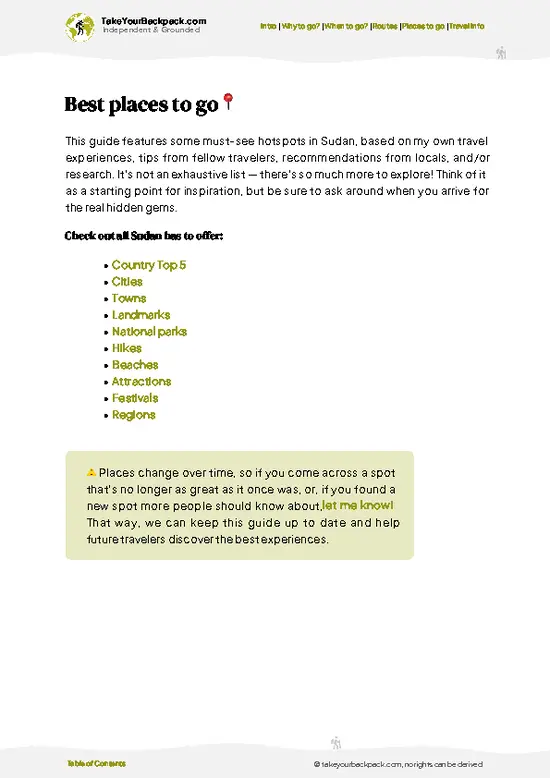
An offline-friendly backpacking guide with optimized travel routes, ranked highlights, transport advice, and the best areas to stay.
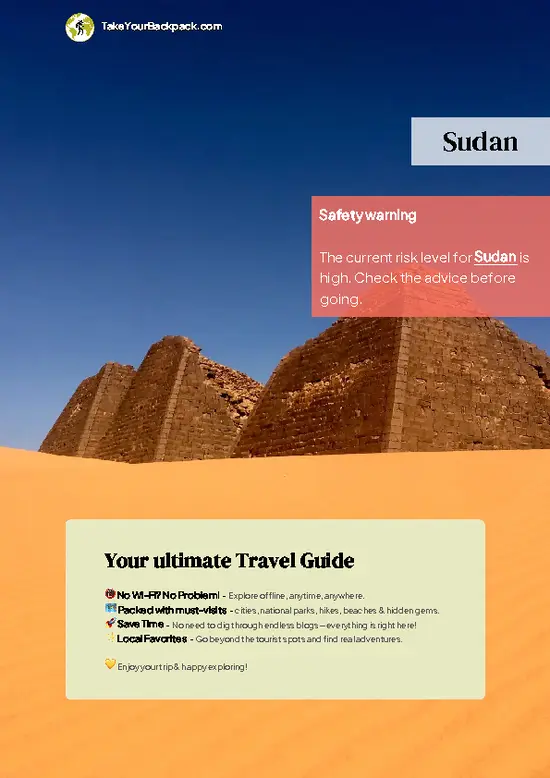
example page 0 from our offline Travel Guide for Sudan
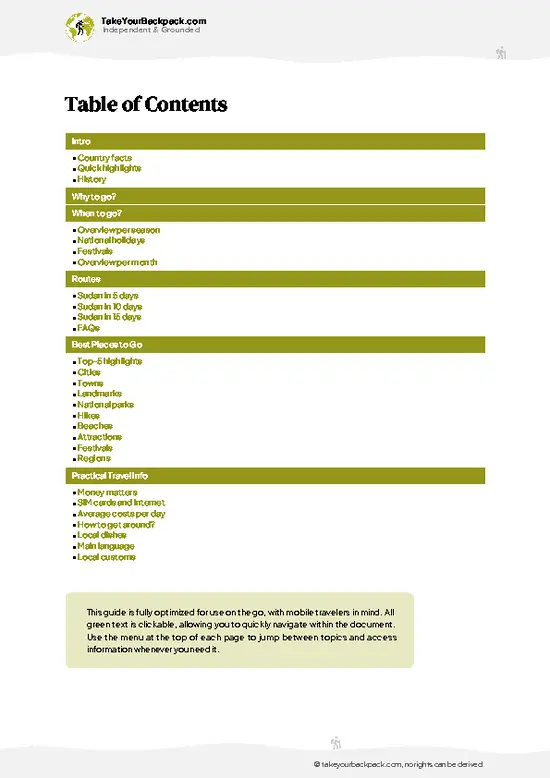
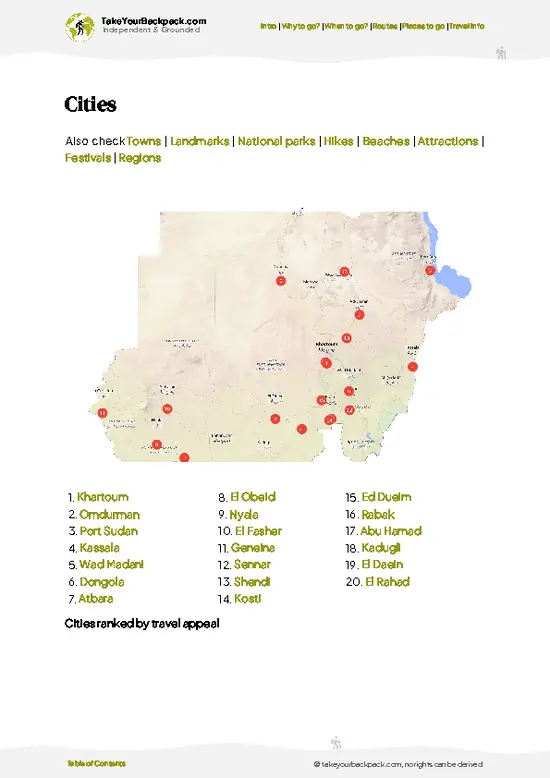
example page 1 from our offline Travel Guide for Sudan
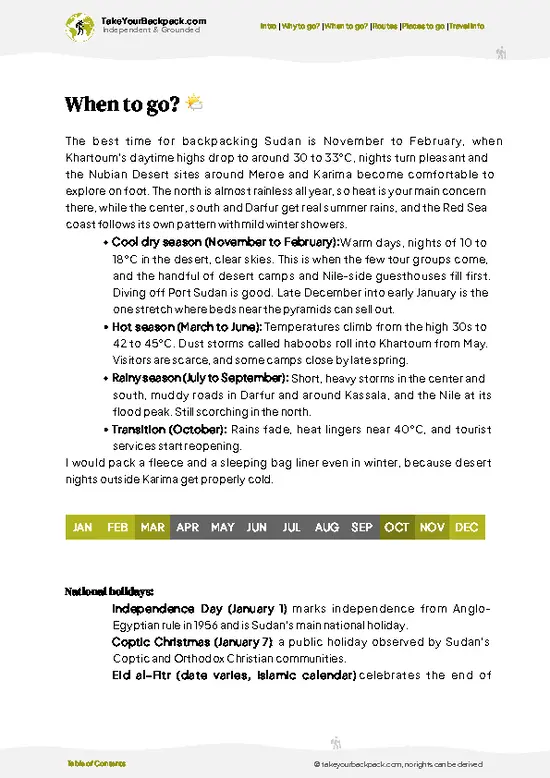
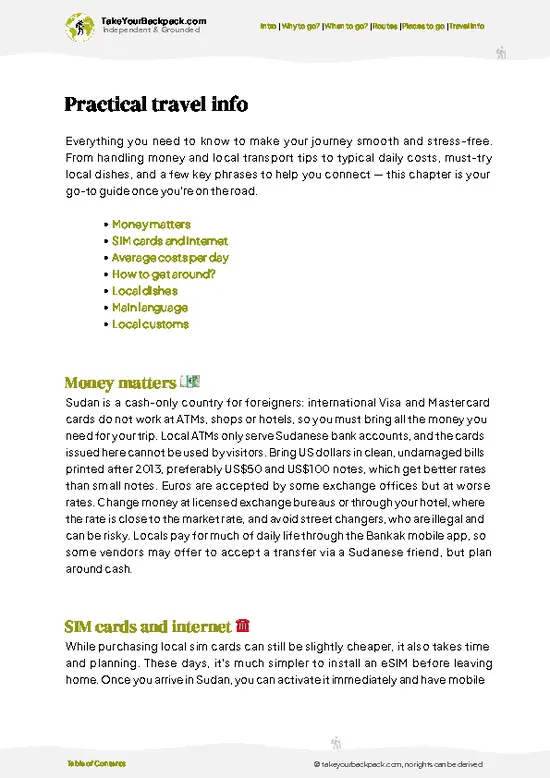
example page 2 from our offline Travel Guide for Sudan
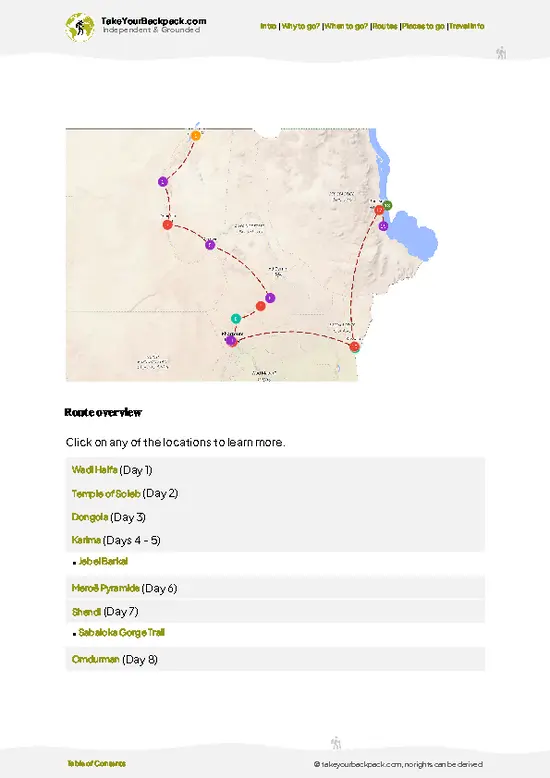
example page 3 from our offline Travel Guide for Sudan
example page 4 from our offline Travel Guide for Sudan
example page 5 from our offline Travel Guide for Sudan
example page 6 from our offline Travel Guide for Sudan
example page 7 from our offline Travel Guide for Sudan
The digital guide (300 pages) contains:
72 highlights, ranked by travel appeal
Optimized 5, 10 & 15-day travel routes
Cities, national parks, landmarks, beaches
How to get around
Offline-friendly for travel without Wi-Fi
👉 Click to see all 30+ guide features

📅 Plan smarter in minutes, not weeks
Month by month travel advice
Festivals & national holidays
Budget expectations

🗺️ Go to the right places, skip the overrated ones
Honest pros & cons of destinations
Top hikes, parks & viewpoints
Lesser-known places most travelers miss
Clear “worth it vs skip it” guidance

🛏️ Travel smoothly without rookie mistakes
Best areas to stay
Transport systems explained simply
Common scams & safety advice
SIM cards, money & practical tips

🌍 Understand the country, not just visit it
Culture & traditions
52 Essential phrases & customs
Festivals worth planning around
Traveler-friendly historical context
Insights that make places more meaningful

📱 Built for real travel conditions
Fully downloadable PDF
Works completely offline
Optimized for phone use
Useful in remote areas & buses
Everything in one place
Save weeks of stressful planning
Get instant access to your full guide. 30‑day money-back guarantee.


By proceeding you agree to our terms.
Sent to your inbox immediately after payment • 100% Secure Checkout
Best Backpacking Travel Advisor 2025 tourism awardBest Backpacking
Travel Advisor
2025
What others say about Take Your Backpack Guides:
⭐⭐⭐⭐⭐
Fantastic, amazing amount of information!
⭐⭐⭐⭐⭐
My goodness this is amazing, it's what I've been looking for hats off too you!
⭐⭐⭐⭐⭐
I think this is absolutely BRILLIANT
⭐⭐⭐⭐
Very complete and informative. It's still missing places, but I gotta to commend you
⭐⭐⭐⭐⭐
This is truly amazing, thank you, can't wait to explore it with my kids!
⭐⭐⭐⭐⭐
Awesome resource, thank you!
⭐⭐⭐⭐⭐
This is amazing! Can't wait to explore the ones I haven't seen
⭐⭐⭐⭐
I love this! Well done, great idea.
⭐⭐⭐⭐⭐
Thanks for taking the time to make this gem!
⭐⭐⭐⭐⭐
This might be the best website I've ever seen.
⭐⭐⭐⭐⭐
Congratulations, and thank you so much for your work; it's incredibly valuable.
⭐⭐⭐⭐
In all seriousness I think you did a great job pointing out the important spots
⭐⭐⭐⭐⭐
10/10 very good
⭐⭐⭐⭐⭐
As someone who's only just starting to visit regularly this is awesome, thank you.
⭐⭐⭐⭐
Thank you very much! I'm going to visit my dad, it's going to be very useful!
⭐⭐⭐⭐⭐
This is really cool! We'll be travelling for the first time and this definitely come in handy.
⭐⭐⭐⭐⭐
You are now our minister of culture, congratulations 👨‍💼
⭐⭐⭐⭐⭐
Just wanted to tell you that this is a pearl! Going to follow your recommendations.
⭐⭐⭐⭐⭐
This is so cool. I'll definitely be using the resource for my travels soon.
⭐⭐⭐⭐⭐
This is very impressive! Good work.
⭐⭐⭐⭐⭐
This is an amazing and informative site. Very well done!

🛏️ Where to stay?Best Places to Stay in Sudan

There are budget hotels and guesthouses in Sudan, mainly in Khartoum, but true backpacker hostels with dorms are rare; plan for small guesthouses or budget hotels rather than large hostel chains.

Khartoum City Centre/Nile Corniche: closest to museums, markets and restaurants and reasonably safe with some evening activity; Al‑Amarat: quieter and more residential with better security but slightly higher prices; Omdurman: cheapest local guesthouses and excellent daytime markets but more traditional, less evening infrastructure and quieter at night; Khartoum North (Bahri): most basic and inexpensive options, more industrial and farther from tourist highlights.

Book ahead during busy periods, … read more 👉
There are budget hotels and guesthouses in Sudan, mainly in Khartoum, but true backpacker hostels with dorms are rare; plan for small guesthouses or budget hotels rather than large hostel chains.

Khartoum City Centre/Nile Corniche: closest to museums, markets and restaurants and reasonably safe with some evening activity; Al‑Amarat: quieter and more residential with better security but slightly higher prices; Omdurman: cheapest local guesthouses and excellent daytime markets but more traditional, less evening infrastructure and quieter at night; Khartoum North (Bahri): most basic and inexpensive options, more industrial and farther from tourist highlights.

Book ahead during busy periods, carry cash, expect modest facilities and variable internet, and prioritize central Khartoum or Amarat for convenience and safety while using Omdurman for daytime visits.

If you enjoy meeting fellow travelers, consider choosing hostels with high ratings for atmosphere. On the other hand, if you prefer having your own space, a hotel might be a better option.

SudanExplore Sudan

👋 Meet the founderWho’s Behind Take Your Backpack?

Johan, backpacker and founder of TakeYourBackpackHi, I’m Johan (Netherlands 🇳🇱), the creator of TakeYourBackpack. Over the past decade, I’ve backpacked through 80+ countries across six continents, gaining extensive experience with independent travel, long-term trips, and overland routes.

This site is built on a combination of firsthand travel experience and carefully curated insights from other backpackers. Many guides are based on places I’ve personally visited, while others bring together tips, observations, and practical advice shared by trusted travelers I’ve met along the way.

The goal is to provide realistic, experience-driven guidance — not generic itineraries — so you can explore destinations with better context, clearer expectations, and more confidence.

Get full Sudan guide •
Instant download • 72 highlights • Full Offline guide