×

Switzerland🇨🇭 | best national parksThe Must-See 11 national parks in Switzerland

Switzerland’s national parks are defined by their breathtaking landscapes, diverse wildlife, and a range of adventure opportunities that cater to every backpacker’s style. Each park offers unique features influenced by regional and seasonal nuances, from the towering peaks of the Swiss National Park in the east to the lush valleys of Parc Ela in the south.

Choosing the right park significantly impacts your vibe, budget, and safety. For instance, summer in the Jungfrau Region invites hikers to explore alpine meadows, while winter transforms it into a skiing haven. Understanding these patterns allows for a smoother, more immersive experience, ensuring your independent travel aligns with your goals and preferences.

By Johan Kruseman 🇳🇱 | Updated May 31, 2026
Explore the best hikes in Switzerland

Why go?Why Travelers Love These Spots

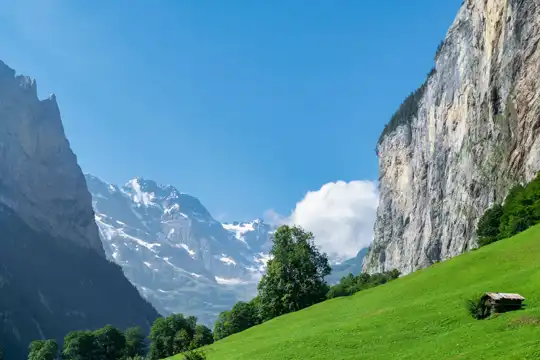
Switzerland’s national parks stand out due to their biodiversity and unique landscapes shaped by the Alps. The interplay of towering peaks, lush valleys, and glacial lakes creates a dramatic backdrop that is both visually stunning and ecologically rich. This variety supports a wide range of flora and fauna, making these parks vital for conservation efforts.

However, the infrastructure in Switzerland is a double-edged sword. While the extensive public transport system allows for easy access to many parks, it can also lead to overcrowding in popular areas. This trade-off between accessibility and the quality of the experience is crucial. Travelers may find that venturing further into less accessible regions yields a more immersive experience, albeit with increased travel time and effort.

read more 👉
Switzerland’s national parks stand out due to their biodiversity and unique landscapes shaped by the Alps. The interplay of towering peaks, lush valleys, and glacial lakes creates a dramatic backdrop that is both visually stunning and ecologically rich. This variety supports a wide range of flora and fauna, making these parks vital for conservation efforts.

However, the infrastructure in Switzerland is a double-edged sword. While the extensive public transport system allows for easy access to many parks, it can also lead to overcrowding in popular areas. This trade-off between accessibility and the quality of the experience is crucial. Travelers may find that venturing further into less accessible regions yields a more immersive experience, albeit with increased travel time and effort.

Switzerland’s climatic conditions also play a significant role. The weather can change rapidly, impacting hiking conditions and wildlife visibility. Understanding these patterns is essential for planning a successful visit.

Culturally, the Swiss have a deep-rooted respect for nature, which is reflected in their conservation policies. This commitment enhances the overall experience, as visitors engage with well-maintained trails and educational resources. However, the emphasis on preservation may limit certain activities, requiring travelers to adapt their expectations.

In summary, Switzerland’s national parks offer a complex interplay of landscape, biodiversity, and infrastructure, demanding thoughtful consideration from visitors to maximize their adventure.
How the List Was Created
The list of best national parks in Switzerland is created based on landscapes, wildlife, adventure opportunities, facilities, and overall experience. If you feel a national park is missing in this list, please let us know.

When to go?Optimal Periods for Travel

Seasonality plays a crucial role in the experience of national parks in Switzerland. The weather varies significantly, influencing wildlife visibility, rainfall, and trail conditions.

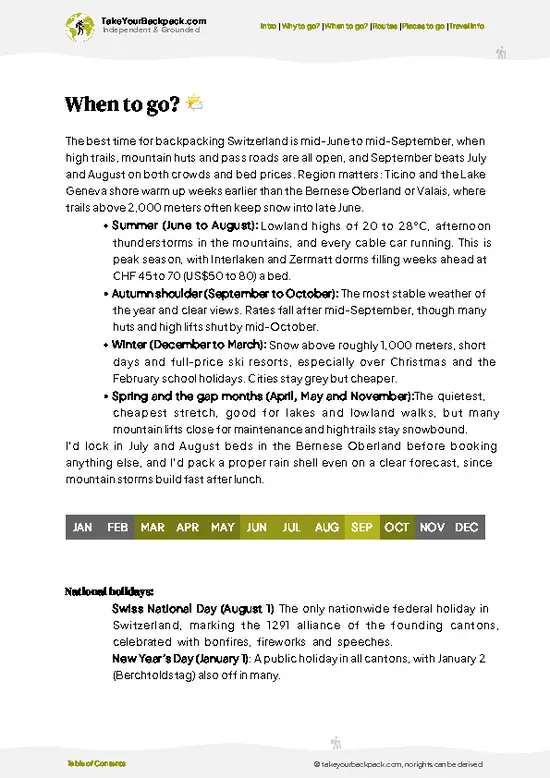
Summer is the peak season, typically from June to August. During this time, temperatures are warm, and trails are generally in excellent condition. Wildlife is active, making it a prime time for spotting animals. However, this popularity brings crowded trails and higher accommodation costs.

Autumn offers a compelling alternative. September to October showcases stunning fall foliage and fewer visitors. While temperatures begin to drop, the trails remain accessible, and wildlife is still visible. This shoulder season balances scenic beauty with a quieter experience, though some higher trails may start to close … read more 👉
Seasonality plays a crucial role in the experience of national parks in Switzerland. The weather varies significantly, influencing wildlife visibility, rainfall, and trail conditions.

Summer is the peak season, typically from June to August. During this time, temperatures are warm, and trails are generally in excellent condition. Wildlife is active, making it a prime time for spotting animals. However, this popularity brings crowded trails and higher accommodation costs.

Autumn offers a compelling alternative. September to October showcases stunning fall foliage and fewer visitors. While temperatures begin to drop, the trails remain accessible, and wildlife is still visible. This shoulder season balances scenic beauty with a quieter experience, though some higher trails may start to close as winter approaches.

Spring can be unpredictable. March to May sees melting snow, which can lead to muddy trails and variable weather. However, this season also presents a chance to witness the awakening of nature, with blooming flowers and emerging wildlife.

Winter transforms the parks into a snowy wonderland, ideal for winter sports. However, many trails become inaccessible, and wildlife visibility decreases.

Understanding these seasonal patterns allows for strategic planning, maximizing the experience while navigating the trade-offs of crowd levels, costs, and conditions.

national park hoppingSuggested Travel Strategies

General Routing Logic

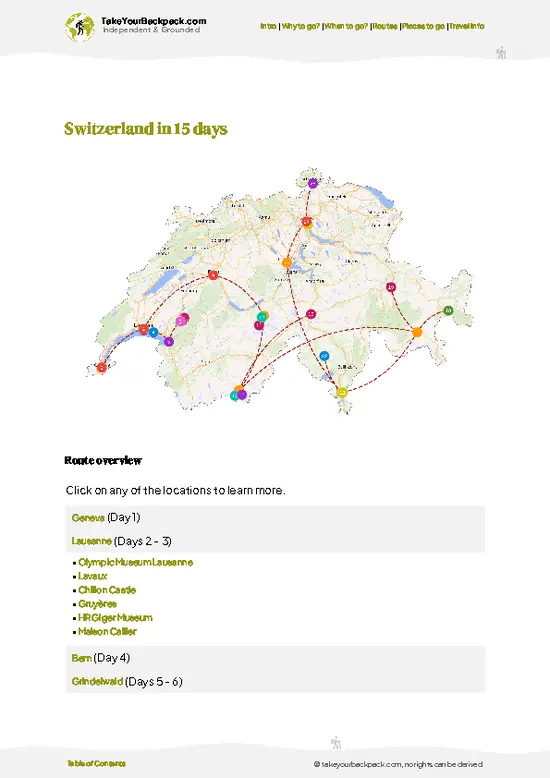
Switzerland’s national parks are clustered in distinct regions, making it easier to plan a route that maximizes your experience. Start in the south with the Parco Nazionale del Locarnese, then move north to Zermatt and the Swiss National Park in the Engadine. This sequence allows for a natural progression through the stunning landscapes, minimizing travel time between parks.

Typical Time Needed

Allocate at least two days per park for a meaningful experience. This timeframe allows for hiking, wildlife observation, and soaking in the unique atmosphere. If pressed for time, consider focusing on two parks rather than trying to cover all four. This approach enhances depth over breadth, ensuring you don’t rush through the highlights.

Common Planning Mistakes

One frequent … read more 👉

General Routing Logic

Switzerland’s national parks are clustered in distinct regions, making it easier to plan a route that maximizes your experience. Start in the south with the Parco Nazionale del Locarnese, then move north to Zermatt and the Swiss National Park in the Engadine. This sequence allows for a natural progression through the stunning landscapes, minimizing travel time between parks.

Typical Time Needed

Allocate at least two days per park for a meaningful experience. This timeframe allows for hiking, wildlife observation, and soaking in the unique atmosphere. If pressed for time, consider focusing on two parks rather than trying to cover all four. This approach enhances depth over breadth, ensuring you don’t rush through the highlights.

Common Planning Mistakes

One frequent error is underestimating travel times between parks. Swiss public transport is efficient, but distances can be deceptive. Always factor in extra time for connections and potential delays. Additionally, avoid cramming too many parks into a short trip; it can lead to fatigue and missed opportunities.

Trade-offs and Constraints

Balancing speed with depth is crucial. A rapid tour may seem appealing, but it often sacrifices the immersive experience that makes these parks special. Budget considerations also play a role; staying longer in one location can reduce accommodation costs. Prioritize comfort and enjoyment over a packed schedule for a more rewarding adventure.

The ListMust-Visit national parks in Switzerland

1 Swiss National Park

strict protection, untouched wilderness, alpine wildlife

Experience Switzerland’s only true wilderness, where marked trails lead through pristine landscapes and encounters with marmots or golden eagles are common.

Switzerland - Swiss National Park

2 Parc Ela

glacial lakes, high passes, Romansh culture

Traverse remote valleys and cross ancient trade routes, experiencing a region where three languages and cultures meet among rugged peaks.

3 Biosfera Val Müstair

UNESCO reserve, larch forests, living traditions

Immerse yourself in a remote valley where centuries-old customs, rich biodiversity, and sustainable agriculture shape daily life and the natural environment.

4 Wildnispark Zürich Sihlwald

primeval forest, city access, wildlife corridors

Step into an ancient woodland on Zurich’s doorstep, where unmanaged forests and open clearings offer a rare glimpse of natural processes at work.

switzerland-national-park-wildnispark-zurich-sihlwald
© Google |

5 Regionaler Naturpark Pfyn-Finges

rhone river plain, pine forests, vineyard slopes

Wander between sun-baked vineyards and rare dry pine woods, exploring a landscape shaped by the Rhône and centuries of human cultivation.

switzerland-national-park-regionaler-naturpark-pfyn-finges
© Google |

6 Regionaler Naturpark Chasseral

panoramic ridges, watchmaking towns, dry stone walls

Climb grassy crests for sweeping views, then descend to valleys where traditional crafts and distinctive stonework reveal the region’s cultural roots.

switzerland-national-park-regionaler-naturpark-chasseral
© Google |

7 Naturpark Beverin

deep gorges, ibex sightings, Romanesque villages

Hike through dramatic ravines and quiet valleys, passing ancient stone villages and watching for wildlife in a landscape shaped by alpine traditions.

switzerland-national-park-naturpark-beverin
© Google | Anthony Smith

8 Naturpark Diemtigtal

alpine meadows, wooden farmhouses, mountain streams

Follow winding trails past traditional Bernese farms and flower-filled slopes, where clear streams cut through a valley known for its rural heritage.

9 Regionaler Naturpark Doubs

deep river gorge, watchmaking heritage, cross-border trails

Follow the winding Doubs River through steep canyons and forests, passing villages where Swiss and French influences blend in daily life.

switzerland-national-park-regionaler-naturpark-doubs
© Google |

10 Jurapark Aargau

orchard hills, fossil sites, timber villages

Cycle or walk through rolling countryside dotted with fruit trees, discovering prehistoric fossils and small towns with a strong woodworking legacy.

11 Naturpark Thal

limestone hills, forest trails, castle ruins

Walk through rolling forests and open ridges, discovering quiet villages and remnants of medieval fortifications scattered across the Jura foothills.

Loading the map 🌍

Expert viewInsights from Locals and Experts

Terrain
Switzerland’s national parks showcase a stunning variety of terrains, from the jagged peaks of the Alps to lush valleys and serene lakes. Each park has its unique topography, influencing not just the scenery but also the activities available. For example, the higher elevations offer challenging hikes and breathtaking vistas, while lower areas may provide easier trails suitable for families. Understanding this terrain is crucial for planning your visit. If you’re keen on tackling the more rugged trails, allocate time for acclimatization and ensure you have the right gear. Conversely, if you prefer a leisurely experience, focus on parks with gentler landscapes. The trade-off here is between the adrenaline of high-altitude hikes and the tranquility of valley walks. Choose wisely based … read more 👉
Terrain
Switzerland’s national parks showcase a stunning variety of terrains, from the jagged peaks of the Alps to lush valleys and serene lakes. Each park has its unique topography, influencing not just the scenery but also the activities available. For example, the higher elevations offer challenging hikes and breathtaking vistas, while lower areas may provide easier trails suitable for families. Understanding this terrain is crucial for planning your visit. If you’re keen on tackling the more rugged trails, allocate time for acclimatization and ensure you have the right gear. Conversely, if you prefer a leisurely experience, focus on parks with gentler landscapes. The trade-off here is between the adrenaline of high-altitude hikes and the tranquility of valley walks. Choose wisely based on your fitness level and the experience you seek.

Park Infrastructure
Switzerland’s national parks are well-equipped with visitor centers, marked trails, and facilities that enhance your experience. However, the level of infrastructure varies significantly from park to park. Some parks have extensive networks of well-maintained paths and amenities, while others may offer a more rugged, back-to-nature experience. This means you need to plan accordingly. If you’re traveling with family or less experienced hikers, opt for parks with better facilities. On the flip side, if you’re an experienced backpacker seeking solitude, consider those with fewer amenities. The trade-off here is comfort versus adventure. More infrastructure often means more people, while less can lead to a more immersive experience in nature.

Wildlife Activity
Wildlife encounters can be a highlight of your park visit, but they vary by region and season. Parks in the Alps may offer sightings of ibex and chamois, while those in lower elevations might be home to deer and a variety of bird species. Timing your visit is key; spring and early summer often provide the best opportunities for wildlife activity, as animals are more visible during their mating seasons. However, this is also when parks can be more crowded. If you want to maximize your chances of seeing wildlife, consider visiting during the shoulder seasons, like late fall or early spring, when fewer tourists are around. The trade-off is between the vibrant life of peak seasons and the quieter, more intimate experience of off-peak times.

Time Management
When planning your itinerary, consider how many parks you realistically want to visit. Switzerland’s national parks are relatively close to each other, but travel times can add up, especially if you’re navigating mountainous roads. Aiming for two to three parks is a solid strategy, allowing you to dive deeper into each one without feeling rushed. Allocate at least a couple of days per park to fully appreciate the unique offerings. If you try to cram too many parks into a short timeframe, you risk missing out on the nuances that make each park special. The trade-off here is depth versus breadth. A focused visit to fewer parks often yields richer experiences than a hurried tour of many.

Safety & Cultural Considerations
Safety is paramount in the Swiss wilderness. Always check weather conditions before heading out, as they can change rapidly in the mountains. Familiarize yourself with local wildlife and adhere to guidelines to avoid encounters. Cultural respect is also essential; many parks are located in areas with rich local traditions. Engaging with local customs can enhance your experience, but it’s vital to be mindful of the environment and local communities. The trade-off is between adventure and responsibility. Embracing the local culture while respecting the natural world will lead to a more fulfilling journey.

By understanding these systems—terrain, infrastructure, wildlife, time management, and safety—you can navigate Switzerland’s national parks like a pro, unlocking experiences that resonate long after your boots have hit the trail.

✈️ The backpacker research shortcutSwitzerland Travel Guide

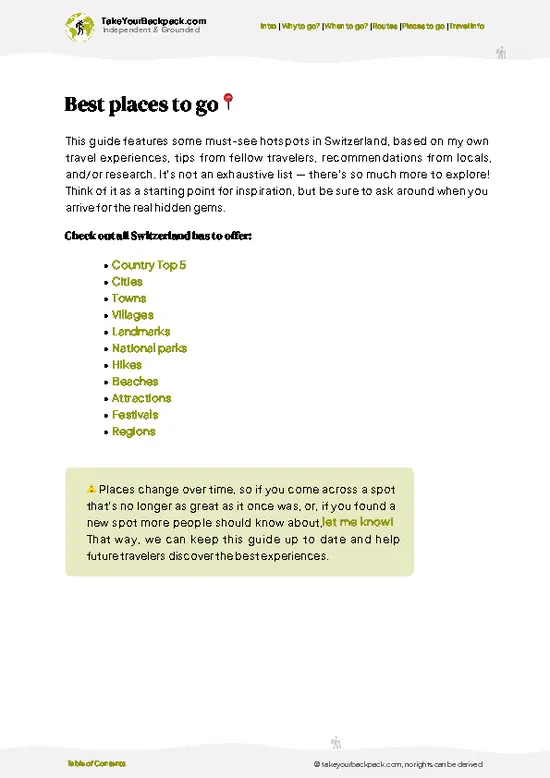
An offline-friendly backpacking guide with optimized travel routes, ranked highlights, transport advice, and the best areas to stay.
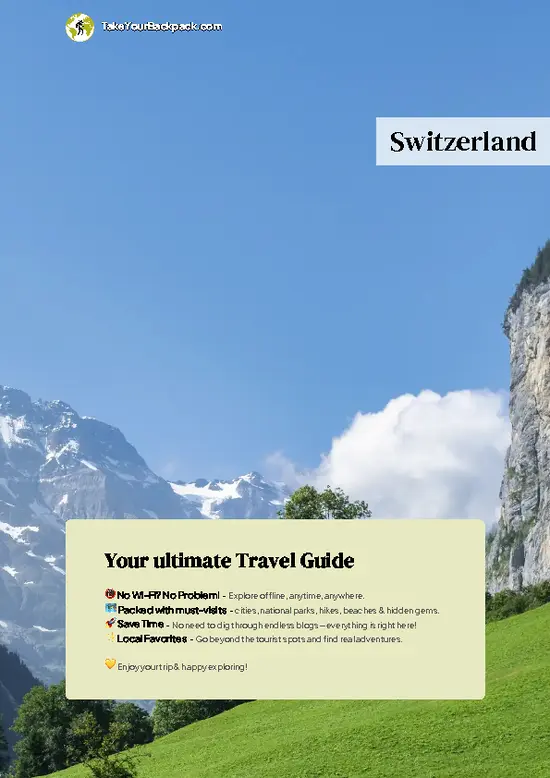
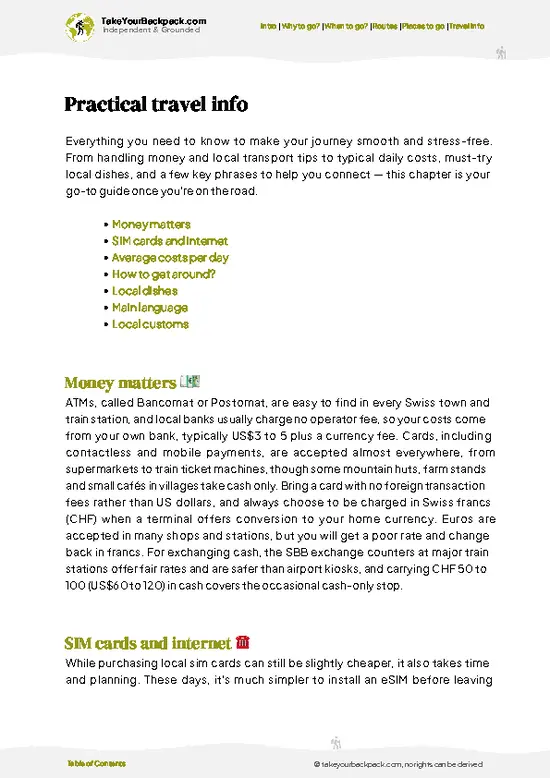
example page 0 from our offline Travel Guide for Switzerland
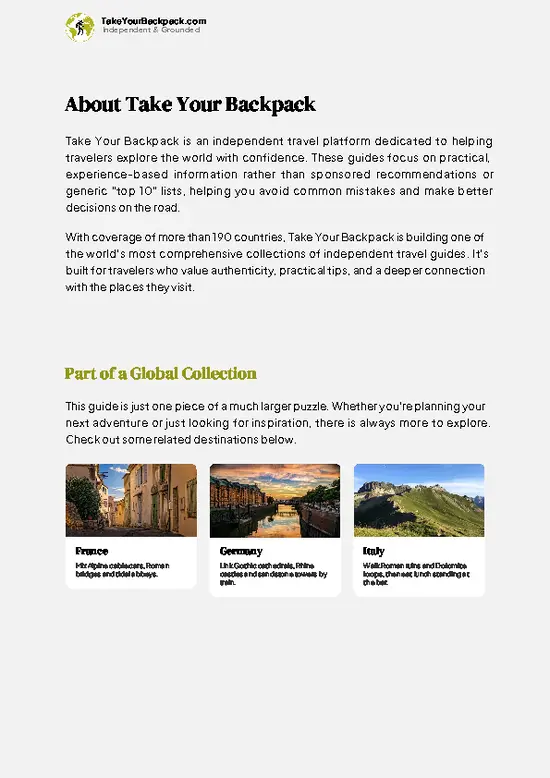
example page 1 from our offline Travel Guide for Switzerland
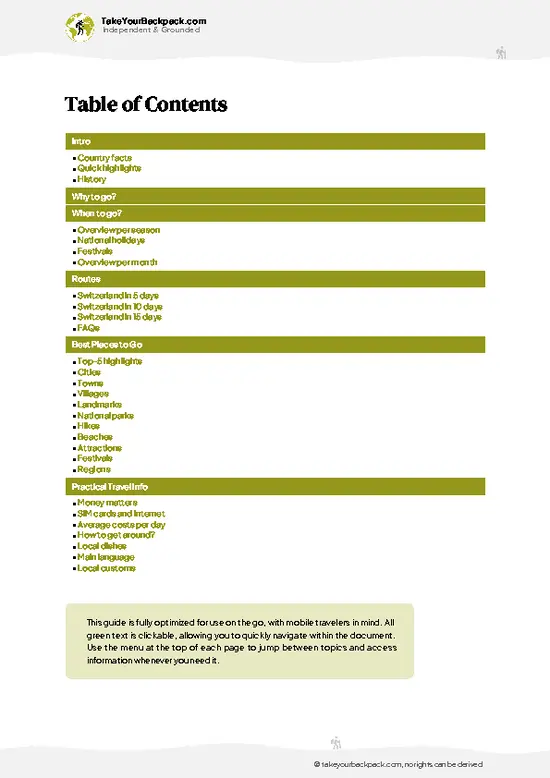
example page 2 from our offline Travel Guide for Switzerland
example page 3 from our offline Travel Guide for Switzerland
example page 4 from our offline Travel Guide for Switzerland
example page 5 from our offline Travel Guide for Switzerland
example page 6 from our offline Travel Guide for Switzerland
example page 7 from our offline Travel Guide for Switzerland
The digital guide (449 pages) contains:
121 highlights, ranked by travel appeal
Optimized 5, 10 & 15-day travel routes
Cities, national parks, landmarks, beaches
How to get around
Offline-friendly for travel without Wi-Fi
👉 Click to see all 30+ guide features

📅 Plan smarter in minutes, not weeks
Month by month travel advice
Festivals & national holidays
Budget expectations

🗺️ Go to the right places, skip the overrated ones
Honest pros & cons of destinations
Top hikes, parks & viewpoints
Lesser-known places most travelers miss
Clear “worth it vs skip it” guidance

🛏️ Travel smoothly without rookie mistakes
Best areas to stay
Transport systems explained simply
Common scams & safety advice
SIM cards, money & practical tips

🌍 Understand the country, not just visit it
Culture & traditions
52 Essential phrases & customs
Festivals worth planning around
Traveler-friendly historical context
Insights that make places more meaningful

📱 Built for real travel conditions
Fully downloadable PDF
Works completely offline
Optimized for phone use
Useful in remote areas & buses
Everything in one place
Save weeks of stressful planning
Get instant access to your full guide. 30‑day money-back guarantee.


By proceeding you agree to our terms.
Sent to your inbox immediately after payment • 100% Secure Checkout
Best Backpacking Travel Advisor 2025 tourism awardBest Backpacking
Travel Advisor
2025
What others say about Take Your Backpack Guides:
⭐⭐⭐⭐⭐
Fantastic, amazing amount of information!
⭐⭐⭐⭐⭐
My goodness this is amazing, it's what I've been looking for hats off too you!
⭐⭐⭐⭐⭐
I think this is absolutely BRILLIANT
⭐⭐⭐⭐
Very complete and informative. It's still missing places, but I gotta to commend you
⭐⭐⭐⭐⭐
This is truly amazing, thank you, can't wait to explore it with my kids!
⭐⭐⭐⭐⭐
Awesome resource, thank you!
⭐⭐⭐⭐⭐
This is amazing! Can't wait to explore the ones I haven't seen
⭐⭐⭐⭐
I love this! Well done, great idea.
⭐⭐⭐⭐⭐
Thanks for taking the time to make this gem!
⭐⭐⭐⭐⭐
This might be the best website I've ever seen.
⭐⭐⭐⭐⭐
Congratulations, and thank you so much for your work; it's incredibly valuable.
⭐⭐⭐⭐
In all seriousness I think you did a great job pointing out the important spots
⭐⭐⭐⭐⭐
10/10 very good
⭐⭐⭐⭐⭐
As someone who's only just starting to visit regularly this is awesome, thank you.
⭐⭐⭐⭐
Thank you very much! I'm going to visit my dad, it's going to be very useful!
⭐⭐⭐⭐⭐
This is really cool! We'll be travelling for the first time and this definitely come in handy.
⭐⭐⭐⭐⭐
You are now our minister of culture, congratulations 👨‍💼
⭐⭐⭐⭐⭐
Just wanted to tell you that this is a pearl! Going to follow your recommendations.
⭐⭐⭐⭐⭐
This is so cool. I'll definitely be using the resource for my travels soon.
⭐⭐⭐⭐⭐
This is very impressive! Good work.
⭐⭐⭐⭐⭐
This is an amazing and informative site. Very well done!

🛏️ Where to stay?Accommodation Highlights

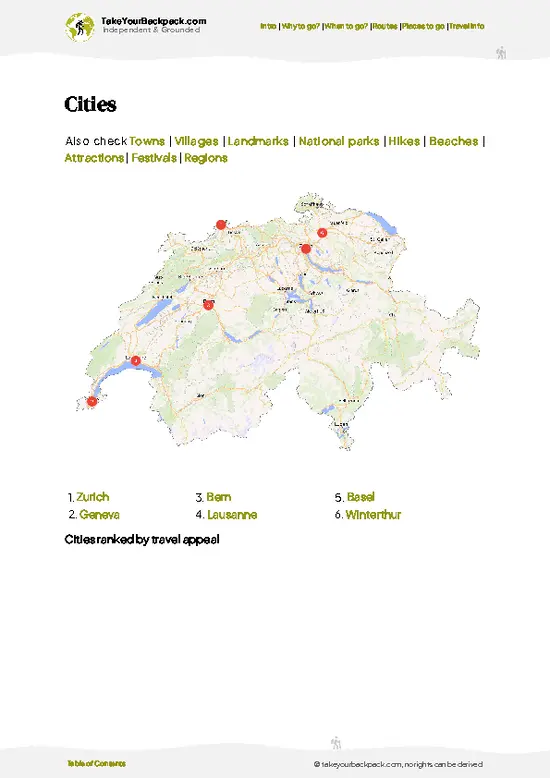
Yes; hostels and budget accommodation are common in Switzerland, concentrated in city centres and tourist hubs such as Zurich (Old Town / Kreis 1, Langstrasse), Geneva (Old Town, Plainpalais), Lucerne (Old Town / near the train station), Interlaken (West, Ost, Matten), Bern (Old Town, Länggasse) and Basel (Old Town, St. Johann).
Old Towns and station areas put you closest to highlights and transport but can be busier and pricier; Langstrasse and Interlaken West offer cheaper beds and nightlife at the cost of more noise; suburbs and neighbourhoods like Länggasse or station suburbs are quieter, cheaper and safer for early mountain departures; mountain villages have fewer budget beds and higher … read more 👉
Yes; hostels and budget accommodation are common in Switzerland, concentrated in city centres and tourist hubs such as Zurich (Old Town / Kreis 1, Langstrasse), Geneva (Old Town, Plainpalais), Lucerne (Old Town / near the train station), Interlaken (West, Ost, Matten), Bern (Old Town, Länggasse) and Basel (Old Town, St. Johann).
Old Towns and station areas put you closest to highlights and transport but can be busier and pricier; Langstrasse and Interlaken West offer cheaper beds and nightlife at the cost of more noise; suburbs and neighbourhoods like Länggasse or station suburbs are quieter, cheaper and safer for early mountain departures; mountain villages have fewer budget beds and higher prices, so book early and factor in extra travel time.

If you enjoy meeting fellow travelers, consider choosing hostels with high ratings for atmosphere. On the other hand, if you prefer having your own space, a hotel might be a better option.

SwitzerlandSee More of Switzerland

👋 Meet the founderWho’s Behind Take Your Backpack?

Johan, backpacker and founder of TakeYourBackpackHi, I’m Johan (Netherlands 🇳🇱), the creator of TakeYourBackpack. Over the past decade, I’ve backpacked through 80+ countries across six continents, gaining extensive experience with independent travel, long-term trips, and overland routes.

This site is built on a combination of firsthand travel experience and carefully curated insights from other backpackers. Many guides are based on places I’ve personally visited, while others bring together tips, observations, and practical advice shared by trusted travelers I’ve met along the way.

The goal is to provide realistic, experience-driven guidance — not generic itineraries — so you can explore destinations with better context, clearer expectations, and more confidence.

Get full country guide •
Instant download • 121 highlights • Full Offline guide