×

Switzerland🇨🇭 | best villagesThe Must-See 7 villages in Switzerland

Switzerland’s villages are a tapestry of culture, tradition, and breathtaking landscapes, each offering a unique experience for the backpacker. Defined by their regional characteristics, these villages vary widely—from the charming wooden chalets of the Alps to the colorful houses along Lake Geneva. Seasonal activities, like summer hiking or winter skiing, shape the vibe and accessibility of each location. Choosing the right village impacts your budget, safety, and overall cultural immersion. For instance, a village in the Bernese Oberland may provide a different atmosphere and cost structure compared to one in the Engadin. Understanding these nuances is key to unlocking a richer, more authentic travel experience.

By Johan Kruseman 🇳🇱 | Updated June 5, 2026
Explore the best landmarks in Switzerland

Why go?Why Travelers Love These Spots

Switzerland’s villages stand out due to their authenticity and deep-rooted traditions. Unlike many countries, Swiss villages often maintain a strong connection to their cultural heritage, showcasing practices that have been passed down through generations. This commitment to tradition is evident in everything from local festivals to artisanal crafts, making each village a living museum of Swiss culture.

The geographic layout of Switzerland, with its towering Alps and serene lakes, enhances the scenic beauty of these villages. However, this stunning landscape comes with trade-offs. Many villages are nestled in remote areas, which can limit seasonal accessibility. Winter snow can block roads, while summer hikes may require navigating challenging trails. Travelers must weigh the travel timeread more 👉
Switzerland’s villages stand out due to their authenticity and deep-rooted traditions. Unlike many countries, Swiss villages often maintain a strong connection to their cultural heritage, showcasing practices that have been passed down through generations. This commitment to tradition is evident in everything from local festivals to artisanal crafts, making each village a living museum of Swiss culture.

The geographic layout of Switzerland, with its towering Alps and serene lakes, enhances the scenic beauty of these villages. However, this stunning landscape comes with trade-offs. Many villages are nestled in remote areas, which can limit seasonal accessibility. Winter snow can block roads, while summer hikes may require navigating challenging trails. Travelers must weigh the travel time against the depth of exploration; the more remote the village, the richer the experience, but also the longer the journey.

Switzerland’s infrastructure is generally robust, yet rural areas may lack the conveniences found in urban centers. This means that while you can enjoy a peaceful escape, you might also face limitations in terms of amenities. Understanding these constraints allows travelers to appreciate the immersive experiences that come from venturing off the beaten path. Ultimately, the unique blend of cultural depth and natural beauty makes Swiss villages a rewarding choice for those willing to embrace the journey.
Why These Made the Cut
The list of best villages in Switzerland is created based on authenticity, scenic beauty, community spirit, traditions, and overall character. If you feel a village is missing in this list, please let us know.

When to go?Optimal Periods for Travel

Seasonality plays a crucial role in experiencing the villages of Switzerland. Each season brings distinct characteristics that shape rural life and activities. In winter, snow blankets the landscape, transforming villages into picturesque scenes. However, accessibility can be limited due to snow-covered roads, affecting travel plans.

Spring marks a vibrant awakening. As the snow melts, flowers bloom, and farmers begin their planting. This season is ideal for witnessing agricultural life in action, but weather can be unpredictable, with rain showers common.

Summer is peak season for many villages. The weather is generally warm, making it perfect for outdoor activities and festivals. However, this is also when crowds swell, leading to higher accommodation costs and busier attractions.

read more 👉
Seasonality plays a crucial role in experiencing the villages of Switzerland. Each season brings distinct characteristics that shape rural life and activities. In winter, snow blankets the landscape, transforming villages into picturesque scenes. However, accessibility can be limited due to snow-covered roads, affecting travel plans.

Spring marks a vibrant awakening. As the snow melts, flowers bloom, and farmers begin their planting. This season is ideal for witnessing agricultural life in action, but weather can be unpredictable, with rain showers common.

Summer is peak season for many villages. The weather is generally warm, making it perfect for outdoor activities and festivals. However, this is also when crowds swell, leading to higher accommodation costs and busier attractions.

Autumn offers a unique charm. The harvest season brings local produce to markets, and the changing foliage creates stunning backdrops. This shoulder season often sees fewer tourists, allowing for a more authentic experience. However, some attractions may begin to close as the weather cools.

Understanding these seasonal patterns helps in planning visits. Each season has its trade-offs, from weather conditions to crowd levels. Choosing the right time can unlock a richer, more immersive experience in Switzerland’s villages.

village hoppingSuggested Travel Strategies

Routing Logic
Switzerland’s villages are often clustered by region, making it easier to explore multiple spots without backtracking. Start in the Bernese Oberland, where you can hop between villages like Grindelwald and Lauterbrunnen. Then, head south to the Valais region, connecting Zermatt and Saas Fee. This directional flow minimizes travel time and maximizes scenic views.

Time Management
Allocate at least half a day per village to soak in the atmosphere. This allows for leisurely walks, local cuisine, and perhaps a hike. For larger clusters, consider a full day for two villages, especially if they’re separated by mountain passes or require cable cars.

Common Mistakes
Travelers often underestimate the time needed for transfers. Rushing through villages can lead to missed experiences. … read more 👉
Routing Logic
Switzerland’s villages are often clustered by region, making it easier to explore multiple spots without backtracking. Start in the Bernese Oberland, where you can hop between villages like Grindelwald and Lauterbrunnen. Then, head south to the Valais region, connecting Zermatt and Saas Fee. This directional flow minimizes travel time and maximizes scenic views.

Time Management
Allocate at least half a day per village to soak in the atmosphere. This allows for leisurely walks, local cuisine, and perhaps a hike. For larger clusters, consider a full day for two villages, especially if they’re separated by mountain passes or require cable cars.

Common Mistakes
Travelers often underestimate the time needed for transfers. Rushing through villages can lead to missed experiences. Avoid cramming too many stops into a tight schedule; instead, prioritize depth over speed.

Trade-offs and Constraints
Balancing budget and comfort is crucial. Trains are efficient but can be pricey. Consider regional passes for savings. Flexibility is key; weather can change plans, so have backup options. Prioritize experiences that resonate with personal interests, whether it’s local festivals or hiking trails. Embrace the journey, and let the Swiss landscape guide the adventure.

The ListMust-Visit villages in Switzerland

1 Mürren

High plateau, panoramic peaks, cable car access

Stay in a traffic-free village set high above the valley, where every path reveals new views of the Bernese Alps and quiet evenings settle early.

switzerland-city-murren
© Google | Juan-ting Lin

2 Saas Fee

Glacier views, car-free center, high-altitude trails

Arrive in a resort ringed by peaks and permanent ice, where hiking and skiing start from the village and mountain air feels crisp year-round.

switzerland-city-saas-fee
© Google | Jill

3 Gimmelwald

Car-free lanes, cliffside farms, wildflower meadows

Reach a remote settlement perched above the valley floor, where simple mountain life continues amid steep pastures and panoramic walking trails.

switzerland-city-gimmelwald
© Google | Veronica Baby

4 Kandersteg

Glacial lake, alpine passes, mountain huts

Set out from a valley base for high-altitude hikes, turquoise waters, and easy access to classic Swiss trekking routes and rustic overnight stays.

switzerland-city-kandersteg
© Google | Hans Richard

5 Gruyères

Medieval ramparts, cheese dairies, hilltop castle

Sample local traditions in a fortified village known for its cheese, with cobbled streets leading to a castle overlooking rolling green countryside.

6 Bergün

Alpine railway, Engadine houses, sledding runs

Wander through a quiet mountain village where historic architecture meets scenic railways, and winter brings some of Switzerland’s longest sledding routes.

switzerland-city-bergun
© Google | Ulla Richards

7 Soglio

stone alleys, chestnut groves, mountain vistas

Walk narrow lanes lined with granite houses, then gaze out over the Bregaglia valley framed by dramatic peaks and ancient trees.

Loading the map 🌍

Expert viewInsights from Locals and Experts

Accessibility
Switzerland’s villages are often well-connected by an efficient public transport system, but the ease of access varies significantly. Trains and buses can whisk you to many spots, yet some villages require a bit of hiking or a local bus transfer. Aim for a mix of three to five villages to balance travel time with exploration. This allows you to savor each place without feeling rushed. If you’re visiting during peak tourist season, expect larger crowds and potentially longer travel times. Off-peak months, like late spring or early autumn, can offer a more intimate experience, but be prepared for some services to operate on reduced schedules.

Seasonal Variation
The charm of Swiss villages shifts dramatically with the seasons. In summer, you’ll find vibrant green landscapes and … read more 👉
Accessibility
Switzerland’s villages are often well-connected by an efficient public transport system, but the ease of access varies significantly. Trains and buses can whisk you to many spots, yet some villages require a bit of hiking or a local bus transfer. Aim for a mix of three to five villages to balance travel time with exploration. This allows you to savor each place without feeling rushed. If you’re visiting during peak tourist season, expect larger crowds and potentially longer travel times. Off-peak months, like late spring or early autumn, can offer a more intimate experience, but be prepared for some services to operate on reduced schedules.

Seasonal Variation
The charm of Swiss villages shifts dramatically with the seasons. In summer, you’ll find vibrant green landscapes and lively local festivals, while winter blankets the villages in snow, transforming them into cozy retreats. Each season offers unique activities, from hiking and cycling in warmer months to skiing and snowshoeing in winter. However, some villages may feel deserted in the off-season, with fewer amenities open. Plan your visits around local events or seasonal highlights to enhance your experience. For instance, if you’re a fan of cheese, timing your visit to coincide with a local cheese festival can be a delightful way to immerse yourself in the culture.

Authenticity
Authenticity is the heartbeat of Swiss village life. To truly experience this, prioritize smaller, less commercialized villages over the more tourist-heavy spots. Engage with locals, sample regional dishes, and participate in traditional activities. However, be mindful that some villages may have limited English-speaking residents, which can be both a challenge and an opportunity to practice your language skills. Embrace the local customs, and don’t shy away from trying your hand at a few Swiss phrases. This not only enriches your experience but also fosters a deeper connection with the community.

Pacing Between Rural Stops
When planning your itinerary, consider the pacing between villages. Switzerland’s stunning landscapes can easily lure you into spending more time in one place than intended. A good rule of thumb is to allocate at least two nights in each village to fully absorb the local vibe and explore surrounding areas. This pacing allows for spontaneous adventures, like a leisurely hike or a visit to a nearby farm. However, be cautious of overextending your travel days; the scenic routes can be time-consuming, especially if you’re navigating through mountain passes. Factor in travel time when moving between villages, and don’t hesitate to adjust your plans if you find a place that captivates you.

Safety & Cultural Considerations
Switzerland is generally safe, but it’s wise to stay aware of your surroundings, especially in remote areas. Respect local customs and traditions, which can vary significantly from one village to another. For example, some regions may have specific etiquette regarding dining or social interactions. Familiarize yourself with these nuances to avoid unintentional faux pas. Additionally, while hiking or exploring, always check weather conditions and trail statuses. The Swiss mountains can be unpredictable, and it’s better to err on the side of caution.

In summary, the key to unlocking the best of Switzerland’s villages lies in thoughtful planning and a willingness to embrace the local culture. By understanding the systems at play—accessibility, seasonal shifts, authenticity, and pacing—you’ll not only avoid common pitfalls but also elevate your travel experience into something truly rewarding.

✈️ The backpacker research shortcutSwitzerland Travel Guide

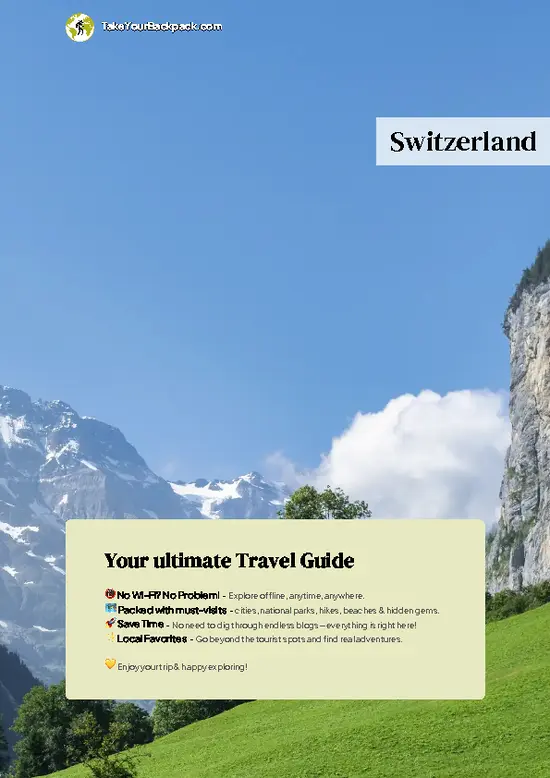
An offline-friendly backpacking guide with optimized travel routes, ranked highlights, transport advice, and the best areas to stay.
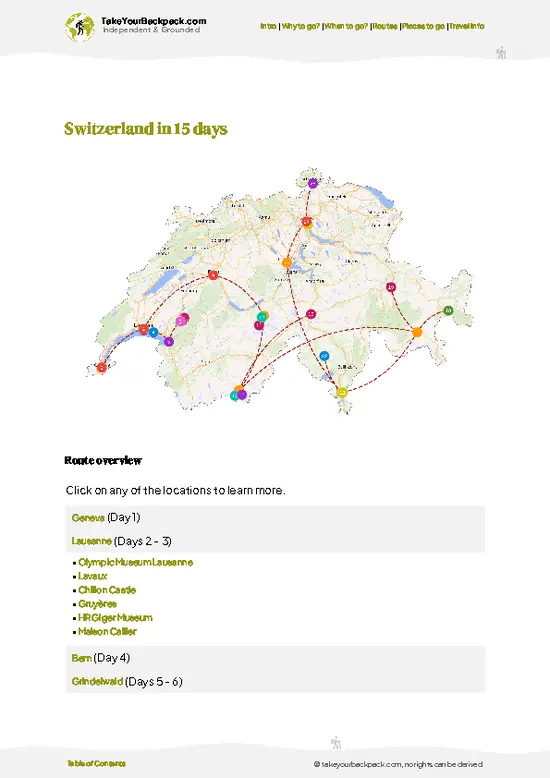
example page 0 from our offline Travel Guide for Switzerland
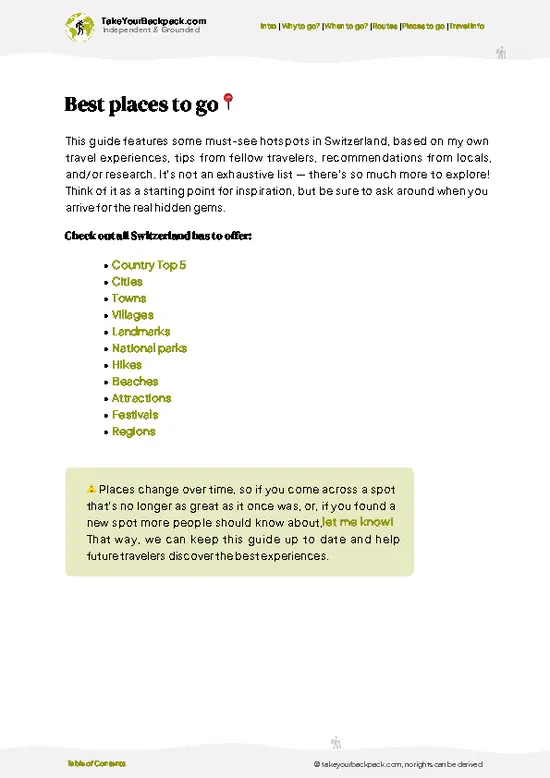
example page 1 from our offline Travel Guide for Switzerland
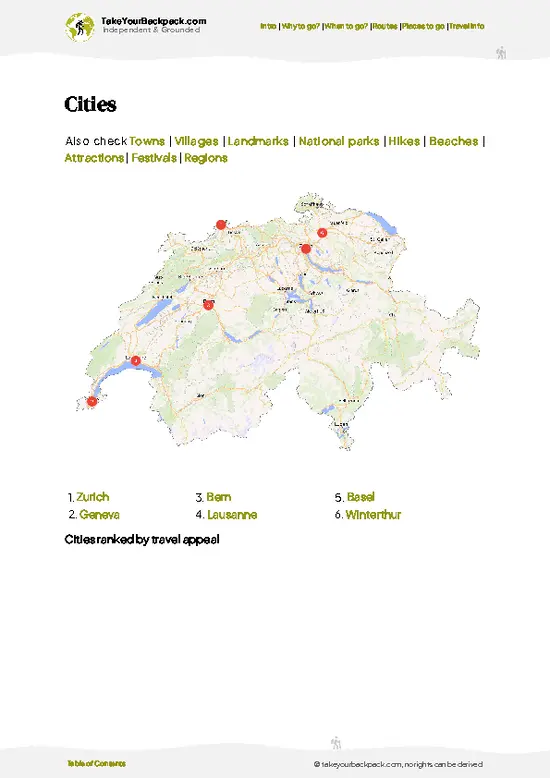
example page 2 from our offline Travel Guide for Switzerland
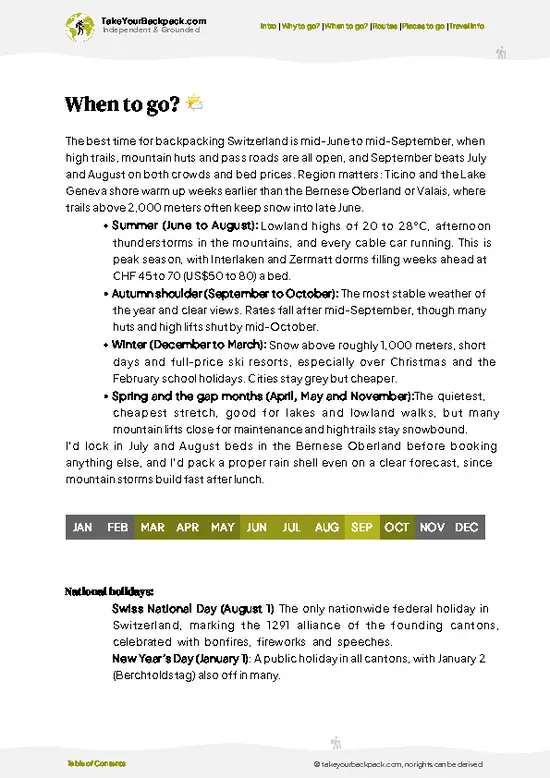
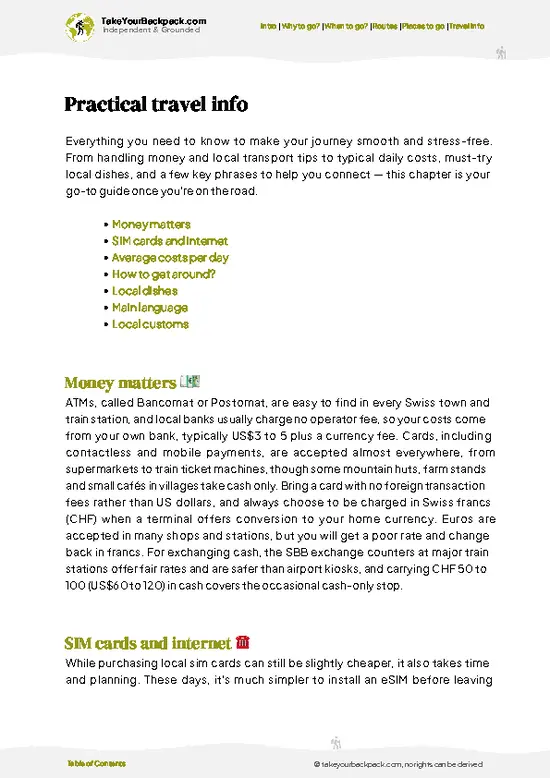
example page 3 from our offline Travel Guide for Switzerland
example page 4 from our offline Travel Guide for Switzerland
example page 5 from our offline Travel Guide for Switzerland
example page 6 from our offline Travel Guide for Switzerland
example page 7 from our offline Travel Guide for Switzerland
The digital guide (449 pages) contains:
121 highlights, ranked by travel appeal
Optimized 5, 10 & 15-day travel routes
Cities, national parks, landmarks, beaches
How to get around
Offline-friendly for travel without Wi-Fi
👉 Click to see all 30+ guide features

📅 Plan smarter in minutes, not weeks
Month by month travel advice
Festivals & national holidays
Budget expectations

🗺️ Go to the right places, skip the overrated ones
Honest pros & cons of destinations
Top hikes, parks & viewpoints
Lesser-known places most travelers miss
Clear “worth it vs skip it” guidance

🛏️ Travel smoothly without rookie mistakes
Best areas to stay
Transport systems explained simply
Common scams & safety advice
SIM cards, money & practical tips

🌍 Understand the country, not just visit it
Culture & traditions
52 Essential phrases & customs
Festivals worth planning around
Traveler-friendly historical context
Insights that make places more meaningful

📱 Built for real travel conditions
Fully downloadable PDF
Works completely offline
Optimized for phone use
Useful in remote areas & buses
Everything in one place
Save weeks of stressful planning
Get instant access to your full guide. 30‑day money-back guarantee.


By proceeding you agree to our terms.
Sent to your inbox immediately after payment • 100% Secure Checkout
Best Backpacking Travel Advisor 2025 tourism awardBest Backpacking
Travel Advisor
2025
What others say about Take Your Backpack Guides:
⭐⭐⭐⭐⭐
Fantastic, amazing amount of information!
⭐⭐⭐⭐⭐
My goodness this is amazing, it's what I've been looking for hats off too you!
⭐⭐⭐⭐⭐
I think this is absolutely BRILLIANT
⭐⭐⭐⭐
Very complete and informative. It's still missing places, but I gotta to commend you
⭐⭐⭐⭐⭐
This is truly amazing, thank you, can't wait to explore it with my kids!
⭐⭐⭐⭐⭐
Awesome resource, thank you!
⭐⭐⭐⭐⭐
This is amazing! Can't wait to explore the ones I haven't seen
⭐⭐⭐⭐
I love this! Well done, great idea.
⭐⭐⭐⭐⭐
Thanks for taking the time to make this gem!
⭐⭐⭐⭐⭐
This might be the best website I've ever seen.
⭐⭐⭐⭐⭐
Congratulations, and thank you so much for your work; it's incredibly valuable.
⭐⭐⭐⭐
In all seriousness I think you did a great job pointing out the important spots
⭐⭐⭐⭐⭐
10/10 very good
⭐⭐⭐⭐⭐
As someone who's only just starting to visit regularly this is awesome, thank you.
⭐⭐⭐⭐
Thank you very much! I'm going to visit my dad, it's going to be very useful!
⭐⭐⭐⭐⭐
This is really cool! We'll be travelling for the first time and this definitely come in handy.
⭐⭐⭐⭐⭐
You are now our minister of culture, congratulations 👨‍💼
⭐⭐⭐⭐⭐
Just wanted to tell you that this is a pearl! Going to follow your recommendations.
⭐⭐⭐⭐⭐
This is so cool. I'll definitely be using the resource for my travels soon.
⭐⭐⭐⭐⭐
This is very impressive! Good work.
⭐⭐⭐⭐⭐
This is an amazing and informative site. Very well done!

🛏️ Where to stay?Accommodation Highlights

Yes; hostels and budget accommodation are common in Switzerland, concentrated in city centres and tourist hubs such as Zurich (Old Town / Kreis 1, Langstrasse), Geneva (Old Town, Plainpalais), Lucerne (Old Town / near the train station), Interlaken (West, Ost, Matten), Bern (Old Town, Länggasse) and Basel (Old Town, St. Johann).
Old Towns and station areas put you closest to highlights and transport but can be busier and pricier; Langstrasse and Interlaken West offer cheaper beds and nightlife at the cost of more noise; suburbs and neighbourhoods like Länggasse or station suburbs are quieter, cheaper and safer for early mountain departures; mountain villages have fewer budget beds and higher … read more 👉
Yes; hostels and budget accommodation are common in Switzerland, concentrated in city centres and tourist hubs such as Zurich (Old Town / Kreis 1, Langstrasse), Geneva (Old Town, Plainpalais), Lucerne (Old Town / near the train station), Interlaken (West, Ost, Matten), Bern (Old Town, Länggasse) and Basel (Old Town, St. Johann).
Old Towns and station areas put you closest to highlights and transport but can be busier and pricier; Langstrasse and Interlaken West offer cheaper beds and nightlife at the cost of more noise; suburbs and neighbourhoods like Länggasse or station suburbs are quieter, cheaper and safer for early mountain departures; mountain villages have fewer budget beds and higher prices, so book early and factor in extra travel time.

If you enjoy meeting fellow travelers, consider choosing hostels with high ratings for atmosphere. On the other hand, if you prefer having your own space, a hotel might be a better option.

SwitzerlandSee More of Switzerland

👋 Meet the founderWho’s Behind Take Your Backpack?

Johan, backpacker and founder of TakeYourBackpackHi, I’m Johan (Netherlands 🇳🇱), the creator of TakeYourBackpack. Over the past decade, I’ve backpacked through 80+ countries across six continents, gaining extensive experience with independent travel, long-term trips, and overland routes.

This site is built on a combination of firsthand travel experience and carefully curated insights from other backpackers. Many guides are based on places I’ve personally visited, while others bring together tips, observations, and practical advice shared by trusted travelers I’ve met along the way.

The goal is to provide realistic, experience-driven guidance — not generic itineraries — so you can explore destinations with better context, clearer expectations, and more confidence.

Get full country guide •
Instant download • 121 highlights • Full Offline guide