×

Tunisia🇹🇳 | best festivalsDiscover the 10 Best festivals Across Tunisia

Festivals in Tunisia are a vibrant tapestry of tradition, culture, and community spirit. From the bustling streets of Tunis to the serene shores of Djerba, each region offers a unique flavor that shapes the festival experience. Timing is crucial; summer festivals can draw massive crowds, while winter events often provide a more intimate atmosphere.

Choosing the right festival can significantly impact your budget, safety, and overall vibe. For backpackers and independent travelers, understanding these nuances is key. Some festivals are steeped in ancient rituals, while others celebrate modern art and music, making your choice a gateway to deeper cultural immersion. Embrace the chaos, and let the real magic unfold.

By Johan Kruseman 🇳🇱 | Updated June 11, 2026
Explore the best regions in Tunisia

Why go?What Makes Them Special

Festivals in Tunisia are a vibrant tapestry of cultural significance and historical resonance, offering a unique experience that stands apart from the typical festival scene elsewhere. The country’s rich heritage, influenced by Berber, Arab, and French traditions, creates a backdrop where every celebration feels like a page from a living history book.

Timing is crucial; many festivals align with the agricultural calendar, celebrating harvests or seasonal changes. This connection to the land adds a layer of authenticity that’s often lost in more commercialized events. However, this also means that travelers must navigate crowds during peak times, which can feel overwhelming. The trade-off? A chance to witness genuine local enthusiasm, albeit with a side of logistical chaos.

Tunisia’s climateread more 👉
Festivals in Tunisia are a vibrant tapestry of cultural significance and historical resonance, offering a unique experience that stands apart from the typical festival scene elsewhere. The country’s rich heritage, influenced by Berber, Arab, and French traditions, creates a backdrop where every celebration feels like a page from a living history book.

Timing is crucial; many festivals align with the agricultural calendar, celebrating harvests or seasonal changes. This connection to the land adds a layer of authenticity that’s often lost in more commercialized events. However, this also means that travelers must navigate crowds during peak times, which can feel overwhelming. The trade-off? A chance to witness genuine local enthusiasm, albeit with a side of logistical chaos.

Tunisia’s climate plays a role too. Summer festivals can be sweltering, while spring and autumn events offer more temperate conditions, making them ideal for exploration. Yet, the heat can deter some, leading to a more intimate experience for those willing to brave the sun.

Accessibility varies; while major cities are well-connected, rural festivals may require extra effort to reach. This can mean longer travel times but often results in deeper immersion into local culture. Ultimately, the festivals in Tunisia are not just events; they are gateways to understanding the soul of the nation, making the journey worthwhile despite the occasional inconvenience.
How the List Was Created
The list of best festivals in Tunisia is created based on energy, traditions, crowd experience, activities, and overall excitement. If you feel a festival is missing in this list, please let us know.

When to go?Timing Your Visit for the Best Experience

Seasonality plays a crucial role in Tunisia’s festival landscape. The country experiences a Mediterranean climate, with hot, dry summers and mild, wet winters. This means that most festivals occur during the spring and fall when temperatures are more pleasant and crowds are manageable.

Optimal months for experiencing the vibrant festival scene typically fall between March and June, then again from September to November. During these months, the atmosphere is electric, with locals and visitors alike engaging in celebrations that reflect Tunisia’s rich cultural heritage. However, expect larger crowds and higher costs during peak events, as everyone seems to have the same idea.

Shoulder seasons can offer a different experience. Late winter and early summer may have fewer festivals, but they … read more 👉
Seasonality plays a crucial role in Tunisia’s festival landscape. The country experiences a Mediterranean climate, with hot, dry summers and mild, wet winters. This means that most festivals occur during the spring and fall when temperatures are more pleasant and crowds are manageable.

Optimal months for experiencing the vibrant festival scene typically fall between March and June, then again from September to November. During these months, the atmosphere is electric, with locals and visitors alike engaging in celebrations that reflect Tunisia’s rich cultural heritage. However, expect larger crowds and higher costs during peak events, as everyone seems to have the same idea.

Shoulder seasons can offer a different experience. Late winter and early summer may have fewer festivals, but they also mean less congestion and lower prices. This can provide a more authentic glimpse into local life, albeit with fewer organized events.

Peak periods can significantly influence travel plans. Major festivals attract tourists, leading to inflated prices and packed venues. If the goal is to immerse in the local culture, timing visits during quieter months can yield a more genuine experience, even if it means missing out on some of the larger spectacles. Balancing the thrill of vibrant celebrations with the desire for authenticity is key to planning a rewarding trip.

festival hoppingSuggested Travel Strategies

Festival Routing Logic
Start by clustering festivals regionally. Tunisia’s festivals often fall into three main areas: the north, the center, and the south. Begin in the north with the Carthage Film Festival, then head south to the International Festival of the Sahara. This not only saves time but also minimizes travel fatigue.

Timing and Pacing
Plan for at least two days at each major festival. This allows for immersion without feeling like a pinball. Festivals can be overwhelming, so factor in downtime. A day of rest between events can help recharge and absorb the local culture.

Common Planning Pitfalls
Avoid the classic mistake of trying to cram too many festivals into a short time. This leads to burnout and missed experiences. Instead, prioritize quality over quantity.

Trade-offs read more 👉
Festival Routing Logic
Start by clustering festivals regionally. Tunisia’s festivals often fall into three main areas: the north, the center, and the south. Begin in the north with the Carthage Film Festival, then head south to the International Festival of the Sahara. This not only saves time but also minimizes travel fatigue.

Timing and Pacing
Plan for at least two days at each major festival. This allows for immersion without feeling like a pinball. Festivals can be overwhelming, so factor in downtime. A day of rest between events can help recharge and absorb the local culture.

Common Planning Pitfalls
Avoid the classic mistake of trying to cram too many festivals into a short time. This leads to burnout and missed experiences. Instead, prioritize quality over quantity.

Trade-offs and Constraints
Consider the balance between speed and depth. Rushing through festivals may save time but can rob the experience of its richness. Budget constraints also come into play; some festivals may have entry fees or associated costs.

Flexibility is Key
Be prepared to adjust plans. Festivals can change dates or have unexpected crowds. Staying flexible allows for spontaneous adventures, which often yield the most memorable moments.

The ListTop festivals of Tunisia

1 Carthage Film Festival

African cinema, Arab filmmakers, city theaters, film premieres

Watch new and classic films from across Africa and the Arab world, with screenings and discussions in Carthage’s historic venues.

2 International Festival of the Sahara

desert traditions, camel races, Bedouin culture, sand dunes

Join locals and nomads for days of camel racing, poetry, and traditional games in the heart of Tunisia’s southern desert.

3 El Jem International Symphony Festival

Roman amphitheater, orchestral music, classical repertoire, ancient ruins

Listen to symphonies performed in El Jem’s monumental amphitheater, where music fills the same stone seats as Roman audiences.

4 Tabarka Jazz Festival

jazz concerts, coastal cliffs, pine forests, international musicians

Hear jazz echo through Tabarka’s natural amphitheater, where global artists play against a backdrop of sea and forest.

5 International Festival of Hammamet

open-air amphitheater, Mediterranean coast, live performances, summer evenings

Experience music, dance, and theater under the stars, with international and Tunisian artists performing by the sea in Hammamet.

6 Douz International Festival

Saharan games, horse shows, nomadic gatherings, traditional dress

Witness equestrian displays, folk competitions, and nomadic customs in Douz, a gateway town to the Sahara’s open spaces.

7 Tozeur International Oasis Festival

palm groves, folk music, oasis parades, desert crafts

Celebrate oasis life with music, parades, and artisan displays in Tozeur, surrounded by date palms and desert landscapes.

8 Ulysses Festival of Djerba

island legends, open-air theater, local folklore, coastal settings

Discover Djerba’s mythic past through plays, music, and storytelling staged in open-air venues across the island.

9 Festival of the Ksour in Tataouine

fortified granaries, Berber architecture, rural gatherings, mountain villages

Explore Tataouine’s ksour with local music, crafts, and communal meals set among ancient stone granaries and rugged hills.

10 Festival of the Oases in Nefta

desert springs, palm gardens, local rituals, oasis markets

Join Nefta’s residents for processions, music, and market days celebrating the life-giving oases at the edge of the desert.

11 Medina Festival of Tunis

old city venues, Sufi music, courtyard concerts, Ramadan evenings

Attend intimate performances in historic medina spaces, with music and storytelling woven into the city’s labyrinthine alleys.

12 Festival of the Sea in Bizerte

harbor parades, fishing boats, maritime traditions, waterfront events

Watch boat parades and sea-themed festivities along Bizerte’s harbor, where the town’s maritime heritage comes alive each summer.

13 Festival of the Medina in Sousse

UNESCO medina, street performances, artisan workshops, city walls

Walk Sousse’s old city as it fills with music, crafts, and performances staged in courtyards and along ancient ramparts.

14 Festival of the Medina in Kairouan

sacred city, mosque courtyards, poetry readings, spiritual music

Experience Kairouan’s medina through music, poetry, and cultural events held in historic religious and civic spaces.

Think you know Tunisia?

Prove you’re a true local — uncover 4 lesser-known festivals in Tunisia that locals tend to keep to themselves.
Loading the map 🌍

Expert viewInsights from Locals and Experts

Energy & Timing
Tunisia’s festival scene is a vibrant tapestry of culture, music, and tradition, but don’t let the Instagram filters fool you. The reality is often a chaotic blend of excitement and logistical headaches. Aim for two to three festivals during your visit; this allows you to soak in the atmosphere without feeling like you’re sprinting from one event to the next. The peak season runs from spring to early summer, with the most popular festivals often coinciding with national holidays. This means crowds—lots of them. If you’re not a fan of elbowing your way through throngs of selfie-stick-wielding tourists, consider timing your visit for shoulder seasons. You’ll still catch the essence of the festivities but with a more manageable crowd.

Cultural Context
Each festival tells a … read more 👉
Energy & Timing
Tunisia’s festival scene is a vibrant tapestry of culture, music, and tradition, but don’t let the Instagram filters fool you. The reality is often a chaotic blend of excitement and logistical headaches. Aim for two to three festivals during your visit; this allows you to soak in the atmosphere without feeling like you’re sprinting from one event to the next. The peak season runs from spring to early summer, with the most popular festivals often coinciding with national holidays. This means crowds—lots of them. If you’re not a fan of elbowing your way through throngs of selfie-stick-wielding tourists, consider timing your visit for shoulder seasons. You’ll still catch the essence of the festivities but with a more manageable crowd.

Cultural Context
Each festival tells a story, often rooted in ancient traditions or local folklore. The International Festival of Carthage, for example, is a celebration of music and arts that draws performers from across the globe. But don’t expect a polished, tourist-friendly experience. The authenticity can be both a blessing and a curse. You might find yourself in a sea of locals, which is fantastic for immersion but can also mean navigating language barriers and cultural nuances. Embrace the chaos; it’s part of the charm. Just remember, not every festival will cater to your comfort zone. Some events may lack the infrastructure you’re used to, so be prepared for a bit of grit.

Crowd Management
Navigating the crowds can feel like a sport in itself. Arrive early to snag a good spot, especially for performances that draw big names. If you’re not keen on the hustle, consider smaller, local festivals that might not be on everyone’s radar. These can offer a more intimate experience, often with better opportunities to engage with locals. However, be aware that smaller events may have limited amenities. Bring your own snacks and water, and don’t expect a five-star restroom situation. It’s all part of the adventure, right?

Budget & Comfort
Festivals can range from free to moderately priced, depending on the event and location. While some larger festivals might charge for entry, smaller community gatherings often rely on donations or are entirely free. Factor in transportation costs, as getting to some of these events can be a challenge. Public transport can be hit or miss, so consider renting a car if you want to explore beyond the main hubs. Just be ready for the occasional detour due to road conditions or local festivities that might block your route.

Safety & Cultural Considerations
Safety is generally not a major concern, but it’s wise to stay aware of your surroundings, especially in crowded areas. Tunisia is a melting pot of cultures, and while most locals are welcoming, it’s essential to respect local customs. Dress modestly, particularly in rural areas or during religious festivals. This isn’t just about avoiding unwanted attention; it’s about showing respect for the culture you’re engaging with.

In summary, the festivals in Tunisia offer a rich tapestry of experiences that can be both exhilarating and exhausting. By planning wisely, embracing the chaos, and respecting local customs, you’ll find that the real magic lies not just in the events themselves but in the connections you make along the way.

✈️ The backpacker research shortcutTunisia Travel Guide

An offline-friendly backpacking guide with optimized travel routes, ranked highlights, transport advice, and the best areas to stay.
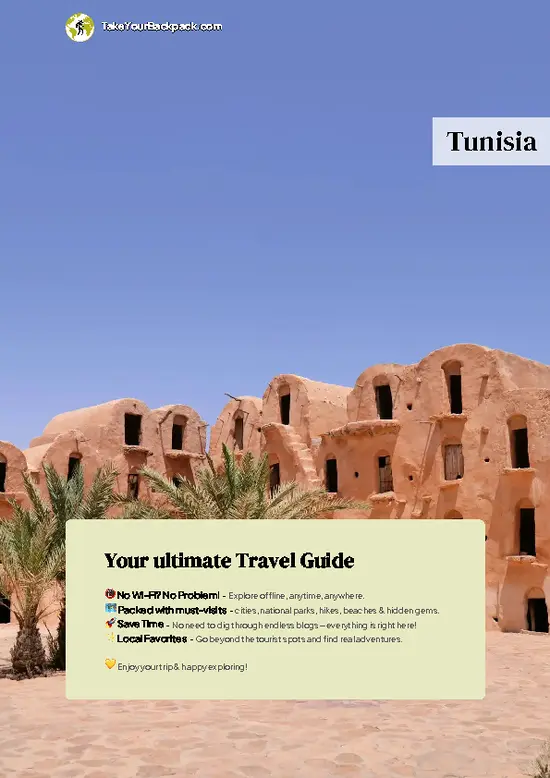
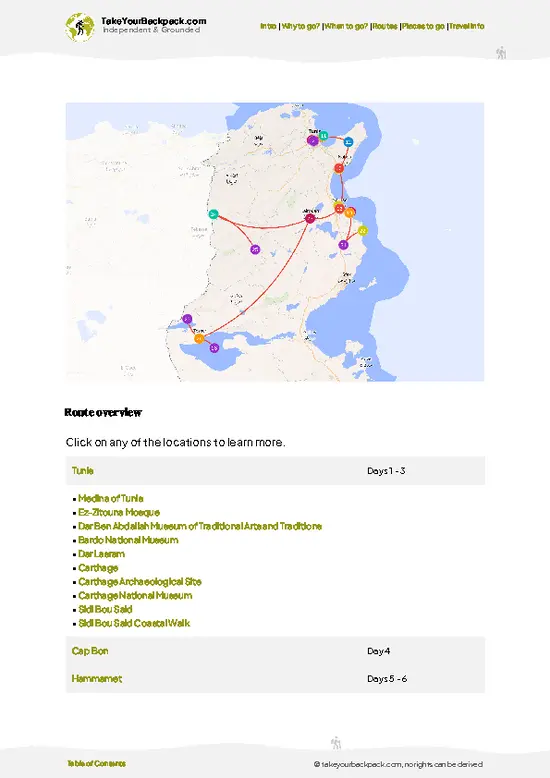
example page 0 from our offline Travel Guide for Tunisia
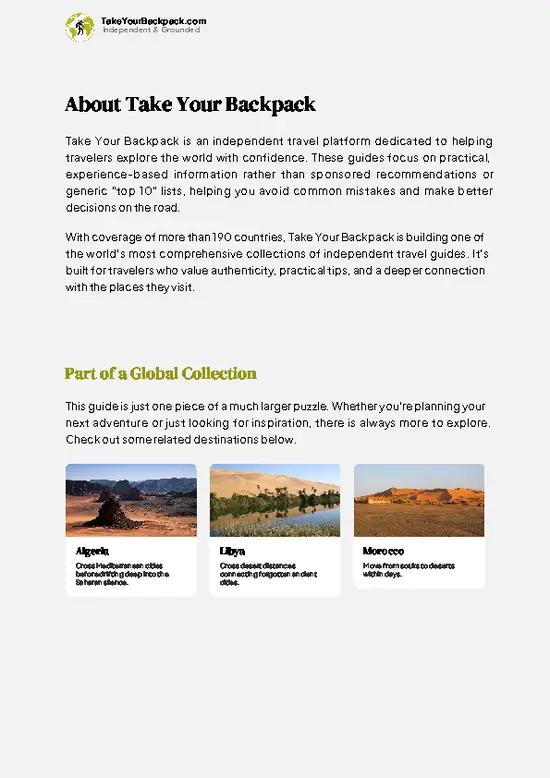
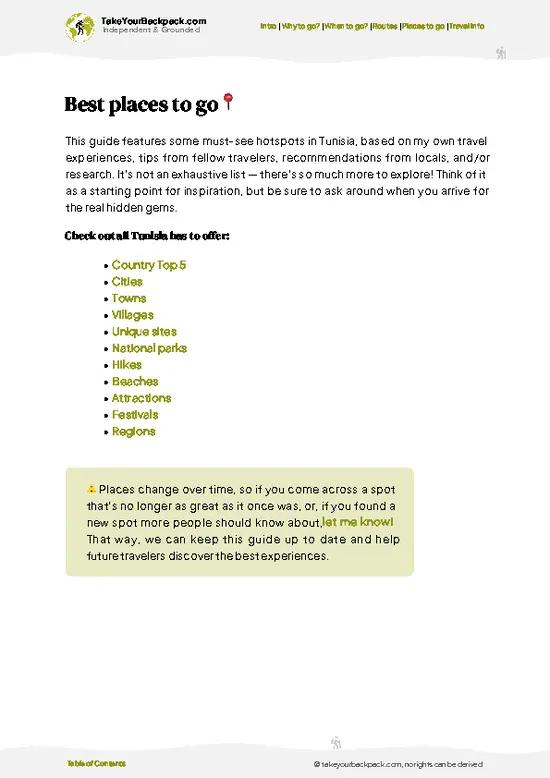
example page 1 from our offline Travel Guide for Tunisia
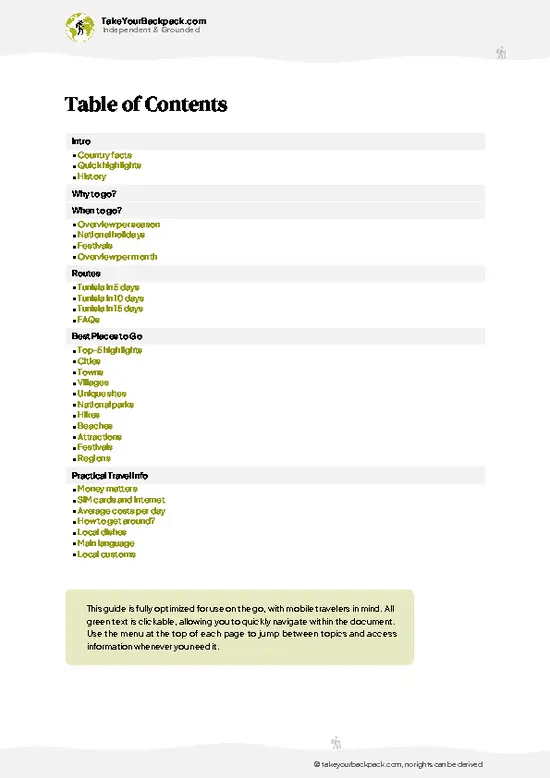
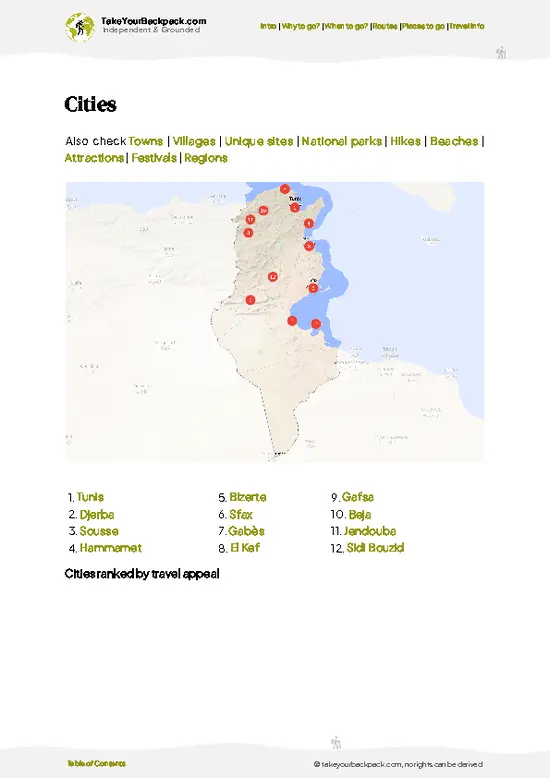
example page 2 from our offline Travel Guide for Tunisia
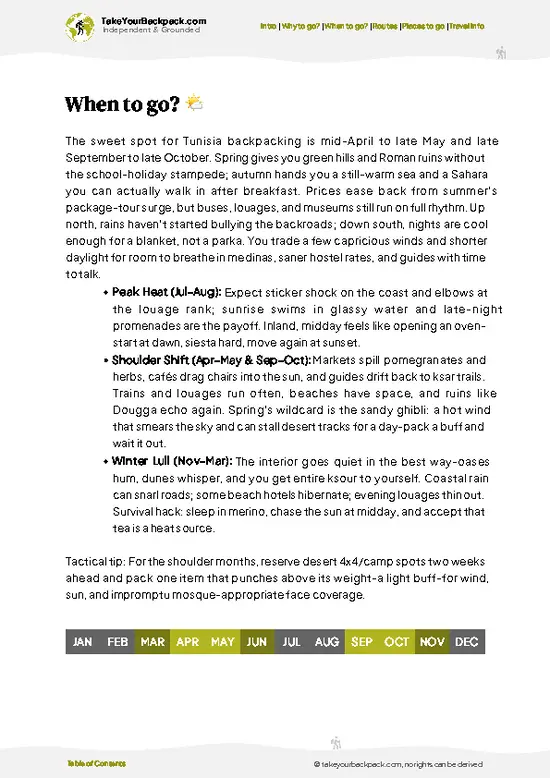
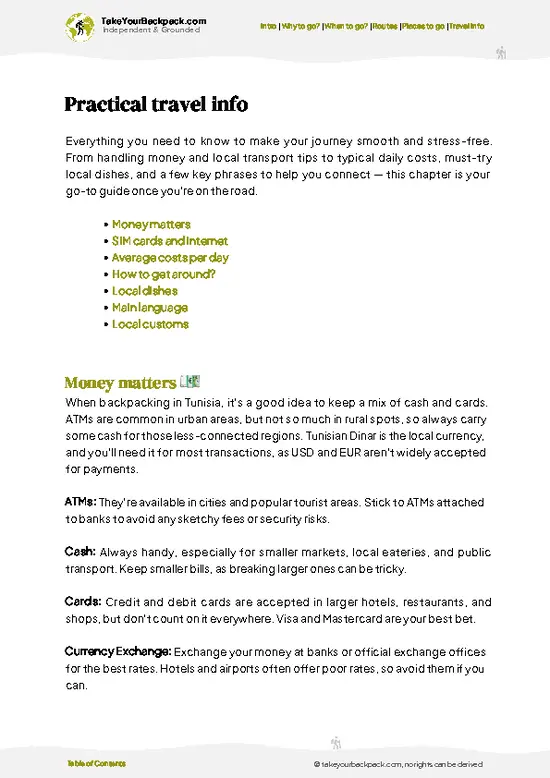
example page 3 from our offline Travel Guide for Tunisia
example page 4 from our offline Travel Guide for Tunisia
example page 5 from our offline Travel Guide for Tunisia
example page 6 from our offline Travel Guide for Tunisia
example page 7 from our offline Travel Guide for Tunisia
The digital guide (372 pages) contains:
97 highlights, ranked by travel appeal
Optimized 5, 10 & 15-day travel routes
Cities, national parks, landmarks, beaches
How to get around
Offline-friendly for travel without Wi-Fi
👉 Click to see all 30+ guide features

📅 Plan smarter in minutes, not weeks
Month by month travel advice
Festivals & national holidays
Budget expectations

🗺️ Go to the right places, skip the overrated ones
Honest pros & cons of destinations
Top hikes, parks & viewpoints
Lesser-known places most travelers miss
Clear “worth it vs skip it” guidance

🛏️ Travel smoothly without rookie mistakes
Best areas to stay
Transport systems explained simply
Common scams & safety advice
SIM cards, money & practical tips

🌍 Understand the country, not just visit it
Culture & traditions
52 Essential phrases & customs
Festivals worth planning around
Traveler-friendly historical context
Insights that make places more meaningful

📱 Built for real travel conditions
Fully downloadable PDF
Works completely offline
Optimized for phone use
Useful in remote areas & buses
Everything in one place
Save weeks of stressful planning
Get instant access to your full guide. 30‑day money-back guarantee.


By proceeding you agree to our terms.
Sent to your inbox immediately after payment • 100% Secure Checkout
Best Backpacking Travel Advisor 2025 tourism awardBest Backpacking
Travel Advisor
2025
What others say about Take Your Backpack Guides:
⭐⭐⭐⭐⭐
Fantastic, amazing amount of information!
⭐⭐⭐⭐⭐
My goodness this is amazing, it's what I've been looking for hats off too you!
⭐⭐⭐⭐⭐
I think this is absolutely BRILLIANT
⭐⭐⭐⭐
Very complete and informative. It's still missing places, but I gotta to commend you
⭐⭐⭐⭐⭐
This is truly amazing, thank you, can't wait to explore it with my kids!
⭐⭐⭐⭐⭐
Awesome resource, thank you!
⭐⭐⭐⭐⭐
This is amazing! Can't wait to explore the ones I haven't seen
⭐⭐⭐⭐
I love this! Well done, great idea.
⭐⭐⭐⭐⭐
Thanks for taking the time to make this gem!
⭐⭐⭐⭐⭐
This might be the best website I've ever seen.
⭐⭐⭐⭐⭐
Congratulations, and thank you so much for your work; it's incredibly valuable.
⭐⭐⭐⭐
In all seriousness I think you did a great job pointing out the important spots
⭐⭐⭐⭐⭐
10/10 very good
⭐⭐⭐⭐⭐
As someone who's only just starting to visit regularly this is awesome, thank you.
⭐⭐⭐⭐
Thank you very much! I'm going to visit my dad, it's going to be very useful!
⭐⭐⭐⭐⭐
This is really cool! We'll be travelling for the first time and this definitely come in handy.
⭐⭐⭐⭐⭐
You are now our minister of culture, congratulations 👨‍💼
⭐⭐⭐⭐⭐
Just wanted to tell you that this is a pearl! Going to follow your recommendations.
⭐⭐⭐⭐⭐
This is so cool. I'll definitely be using the resource for my travels soon.
⭐⭐⭐⭐⭐
This is very impressive! Good work.
⭐⭐⭐⭐⭐
This is an amazing and informative site. Very well done!

🛏️ Where to stay?Top Places to Consider Staying

Yes — hostels and budget accommodation are widely available in Tunisia, concentrated in Tunis (Medina and Ville Nouvelle), Sousse (Medina and waterfront), Hammamet, Djerba, with smaller backpacker options in Tozeur and Kairouan.
Medina areas put you within historic highlights and cheap local food but expect narrow streets, basic rooms and limited nightlife; Ville Nouvelle and Sousse waterfront offer easier transport, more social hostels and livelier evenings at slightly higher rates; Hammamet and Djerba are quieter beach bases with seasonal service drops and fewer cheap beds outside high season.
Budget places usually mean communal bathrooms, simple cleaning standards and crowded summer months, … read more 👉
Yes — hostels and budget accommodation are widely available in Tunisia, concentrated in Tunis (Medina and Ville Nouvelle), Sousse (Medina and waterfront), Hammamet, Djerba, with smaller backpacker options in Tozeur and Kairouan.
Medina areas put you within historic highlights and cheap local food but expect narrow streets, basic rooms and limited nightlife; Ville Nouvelle and Sousse waterfront offer easier transport, more social hostels and livelier evenings at slightly higher rates; Hammamet and Djerba are quieter beach bases with seasonal service drops and fewer cheap beds outside high season.
Budget places usually mean communal bathrooms, simple cleaning standards and crowded summer months, so book early in peak season, carry cash, and bring a light sleeping liner and mosquito protection to avoid common small-trip mistakes.

If you enjoy meeting fellow travelers, consider choosing hostels with high ratings for atmosphere. On the other hand, if you prefer having your own space, a hotel might be a better option.

TunisiaMore Places Across Tunisia

👋 Meet the founderWho’s Behind Take Your Backpack?

Johan, backpacker and founder of TakeYourBackpackHi, I’m Johan (Netherlands 🇳🇱), the creator of TakeYourBackpack. Over the past decade, I’ve backpacked through 80+ countries across six continents, gaining extensive experience with independent travel, long-term trips, and overland routes.

This site is built on a combination of firsthand travel experience and carefully curated insights from other backpackers. Many guides are based on places I’ve personally visited, while others bring together tips, observations, and practical advice shared by trusted travelers I’ve met along the way.

The goal is to provide realistic, experience-driven guidance — not generic itineraries — so you can explore destinations with better context, clearer expectations, and more confidence.

Get full Tunisia guide •
Instant download • 97 highlights • Full Offline guide