×

United States🇺🇸 | best townsBest 10 towns in the USA

Towns in the United States (USA) come in flavors that have almost nothing in common, and the country is big enough that picking the wrong flavor costs you a full day of driving. New England offers white steeples, walkable greens and lodging that quietly costs US$150 to 300 a night in season. The Appalachian South trades that polish for porch music, cheaper rooms and trailheads at the end of main street. Out west, mountain and desert towns sit beside national parks, which means spectacular access and motel rates that triple the week everyone else also has vacation.

The Midwest and Deep South are the budget end, with diners where a full breakfast runs US$8 to 14 and strangers who ask where you're from before the coffee arrives. They are also where public transit mostly stops existing. Outside the Northeast corridor, a town without a car is a town you admire through a bus window, if the bus exists.

For backpacking or independent travel, the useful question is whether you want hiking access, history, music or cheap beds, because each region specializes. Hostels are rare, small-town motels are plentiful, and almost every place closes its kitchen earlier than your stomach expects.

By Johan Kruseman 🇳🇱 | Updated October 21, 2026
Explore the best villages in the USA

Why go?Why Travelers Love These Spots

The United States has towns the way other countries have weather: in enormous variety and with strong opinions. The reason is settlement history. New England towns grew around common greens in the 1600s and 1700s, Southern towns around courthouse squares and river landings, Midwestern ones along railroads and grid-surveyed farmland, and Western ones around mines, ranches and later national parks. Each layer left a different main street, and a traveler can read the country's story in a few hundred miles of two-lane road.

The second reason is scale. Distances here are continental. Driving from Vermont to Arizona takes around 40 hours, and no one has ever described that as a quick hop. Europe packs a dozen cultures into a weekend train ride; the USA spreads its regional cultures across time … read more 👉
The United States has towns the way other countries have weather: in enormous variety and with strong opinions. The reason is settlement history. New England towns grew around common greens in the 1600s and 1700s, Southern towns around courthouse squares and river landings, Midwestern ones along railroads and grid-surveyed farmland, and Western ones around mines, ranches and later national parks. Each layer left a different main street, and a traveler can read the country's story in a few hundred miles of two-lane road.

The second reason is scale. Distances here are continental. Driving from Vermont to Arizona takes around 40 hours, and no one has ever described that as a quick hop. Europe packs a dozen cultures into a weekend train ride; the USA spreads its regional cultures across time zones, so each region feels like a separate trip.

The third is infrastructure built around the car. Highways, gas stations and motels are everywhere, and that makes independent travel by rental car easy and affordable. The flip side is public transit, which outside the Northeast is thin to nonexistent. Many of the most appealing towns have no train, and long-distance buses (Greyhound, FlixBus) serve only a fraction of them. Before choosing the country for its towns, plan on a car or a very flexible attitude toward timetables.

A traveler should also know that costs are uneven. Resort and park gateway towns charge city prices for rooms, often US$120 to 250 a night, while farm and mill towns in the Midwest or Appalachia can be half that. Tipping adds 18 to 20 percent to restaurant bills, and prices on menus exclude sales tax, so every receipt performs a small act of arithmetic.

On the upside, the national and state park systems put trailheads, campgrounds and cheap public land right beside many towns. An America the Beautiful pass costs US$80 and covers entry to all federal parks for a year, which pays for itself after about three big parks. Add friendly small-town strangers who will chat for twenty minutes about the best pie within thirty miles, and the case for the country is clear. Just bring a charger for the car, a stock of patience for distances, and an appetite for pie.
Behind the Scenes of Selection
The list of best towns in the USA is created based on charm, local culture, atmosphere, hidden gems, and visitor appeal. If you feel a town is missing in this list, please let us know.

When to go?Seasonal Guide to Visiting

Best Months for Town Travel: September and October are the best months across most of the USA, because summer heat and crowds drop away while roads, trails and nearly all businesses stay open, with daytime highs of 60 to 75°F (16 to 24°C) in much of the country. Late May to mid-June is the runner-up, before school holidays push rates up.

Region by Region: The Northeast and New England peak for fall foliage from late September to mid-October, and the price of that color is room rates 30 to 60 percent above summer shoulder levels and booked-out weekends. Winter brings snow and shuttered seasonal businesses, though ski towns do the opposite. The Southeast and Deep South are best from March to May and October to November. July and August bring 90°F (32°C) and above with thick humidity, and afternoon … read more 👉
Best Months for Town Travel: September and October are the best months across most of the USA, because summer heat and crowds drop away while roads, trails and nearly all businesses stay open, with daytime highs of 60 to 75°F (16 to 24°C) in much of the country. Late May to mid-June is the runner-up, before school holidays push rates up.

Region by Region: The Northeast and New England peak for fall foliage from late September to mid-October, and the price of that color is room rates 30 to 60 percent above summer shoulder levels and booked-out weekends. Winter brings snow and shuttered seasonal businesses, though ski towns do the opposite. The Southeast and Deep South are best from March to May and October to November. July and August bring 90°F (32°C) and above with thick humidity, and afternoon thunderstorms arrive on schedule. Hurricane season runs June to November along the Gulf and Atlantic coasts, with the highest risk from August to October.

The Mountain West is best from June to September for hiking, but higher passes can hold snow into June, and some park roads open only in late May or later. Summer weekends bring crowds and the highest motel prices of the year, often US$150 to 300 in park gateway towns. The Southwest desert flips the calendar. Spring and fall are ideal at 70 to 85°F (21 to 29°C), while summer highs of 100 to 115°F (38 to 46°C) make midday hiking a bad idea. The Pacific Northwest is driest and sunniest from July to September, with rain frequent from November through March. California coastal towns are mild nearly all year, but fog can sit on the coast through June and July.

Shoulder Seasons and Peak Periods: Shoulder seasons, April to early May and late September to November, usually cut lodging by 20 to 40 percent and thin the crowds. The trade is that some small-town museums, seasonal restaurants and campgrounds trim hours or close.

Peak dates that change plans are Memorial Day weekend, the Fourth of July, Labor Day weekend and Thanksgiving week, when rooms in popular small towns sell out months ahead and even gas stations seem to have a line. Midweek stays in the same towns can be noticeably cheaper.

Winter is a real option for ski and holiday-lights towns, and for the South and desert Southwest, where January highs of 50 to 70°F (10 to 21°C) feel like a gift. Elsewhere, expect early dark, icy roads and a lot of Open signs flipped to Closed until spring.

town hoppingOptimizing Your Multi-Stop Itinerary

How Long a Multi-Town Trip Needs: A trip combining several towns in the United States needs 10 to 21 days, and the fewer regions you try to cover, the better it goes. Two weeks in one region beats two weeks across the whole map, which mostly teaches you about airports and rest stops.

Regions That Cluster: The Northeast and New England pair well, with Boston and New York City as the transit hubs and trains, buses and short drives linking them. Three to five hours between hubs is typical. The Southern Appalachians and the Southeast group around Asheville, Nashville and Atlanta, with 3 to 5 hours of driving between them. The Mountain West and Southwest work as a loop from Denver, Salt Lake City, Las Vegas or Phoenix, where the gaps between towns run 4 to 8 hours and the scenery is the point. … read more 👉
How Long a Multi-Town Trip Needs: A trip combining several towns in the United States needs 10 to 21 days, and the fewer regions you try to cover, the better it goes. Two weeks in one region beats two weeks across the whole map, which mostly teaches you about airports and rest stops.

Regions That Cluster: The Northeast and New England pair well, with Boston and New York City as the transit hubs and trains, buses and short drives linking them. Three to five hours between hubs is typical. The Southern Appalachians and the Southeast group around Asheville, Nashville and Atlanta, with 3 to 5 hours of driving between them. The Mountain West and Southwest work as a loop from Denver, Salt Lake City, Las Vegas or Phoenix, where the gaps between towns run 4 to 8 hours and the scenery is the point. The Pacific coast strings together along Highway 1 and US 101 from San Francisco to Seattle or Portland, with long hours of coastal curves that look much shorter on a map.

For direction, travel with the season and the sun. In fall, go north to south, ending in warm places as New England cools. In spring, start in the South or Southwest and finish in the Northeast or Mountain West as snow melts. One-way rentals add a drop-off fee, often US$100 to 500 or more across big distances, so a loop from one hub is usually cheaper than a straight line.

Time Per Stop: Allow two nights per town as a minimum, three if hiking, music or history is the reason you came. One night works only as a bridge between two long drives. Between regions, flying is usually smarter than driving, since a coast-to-coast drive takes 45 to 50 hours behind the wheel, and domestic flights between hubs run 2 to 6 hours.

Planning Mistakes: The classic error is trusting the map. A 200-mile line on a screen becomes 4 to 5 hours on mountain roads, longer in snow or holiday traffic, so cap driving days at 4 to 5 hours. A second mistake is treating regions as neighbors, when New England and the Southwest are as far apart as London and Tehran. Pick two regions at most and fly between them.

A third error is booking every night in advance. Keep a few nights flexible so weather or a good local tip can change the plan, but reserve park gateway towns and holiday weekends early. Finally, arriving after dark in a small town often means a kitchen that closed at 8 or 9 pm and a front desk that has gone home, so aim to arrive by late afternoon.

The ListThe Best towns of the USA

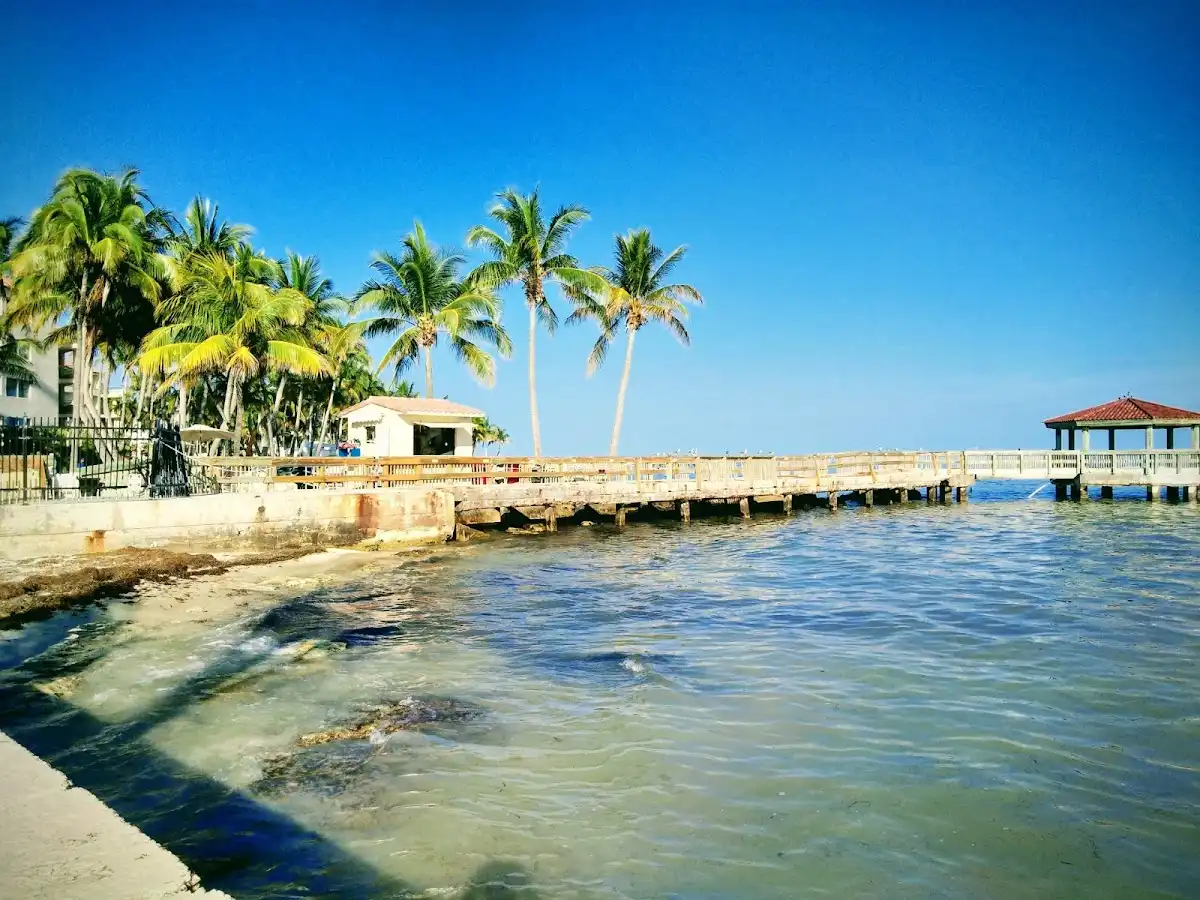
1 Key West

Southernmost buoy, Hemingway cats, old cemetery, Mile Marker 0

Pedal past free-ranging roosters to a writer’s garden home, above-ground tombs and a fort beach where snorkeling is easy.

united-states-city-key-west
© Google |

2 Santa Fe

Adobe plaza, 7,200-foot altitude, Canyon Road galleries, green chile

Browse silver and turquoise under the Palace of the Governors portal, then follow adobe-walled galleries at late-afternoon light.

united-states-city-santa-fe
© Google |

3 Sedona

Red rock arches, slickrock scramble, chapel in a butte, trailhead shuttles

Scramble up Cathedral Rock at sunrise, then see a chapel built into a butte and a courtyard village of galleries.

united-states-city-sedona
© Google |

4 Asheville

Biltmore mansion, riverside art studios, brewery corners, Art Deco core

Tour a 250-room estate, then wander old warehouses where glassblowers and painters work, before a pinball round and a pint downtown.

united-states-city-asheville
© Google | Randolfo Santos

5 Bar Harbor

Acadia gateway, Shore Path, tidal land bridge, whale boats

Walk a gravel bar to Bar Island at low tide, watch the sun rise over Cadillac Mountain, and head out on humpback cruises.

6 Carmel-by-the-Sea

White-sand cove, no street numbers, mission grave, pine-shaded theater

Walk down Ocean Avenue to a cypress-edged beach, then visit an 18th-century mission and a poet’s hand-built stone tower.

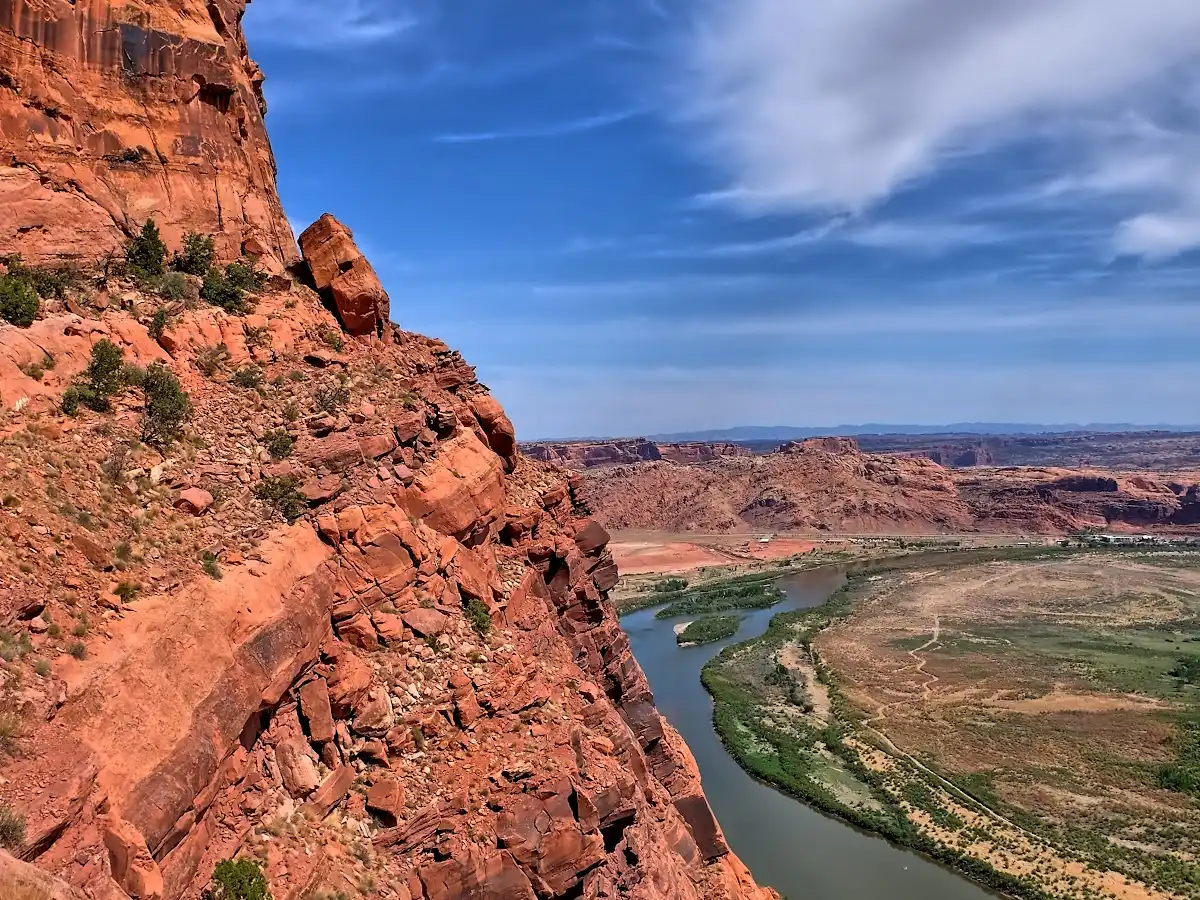
7 Moab

Arches base town, red-cliff river road, dinosaur trail, trail-talk cafés

Start early for Delicate Arch just north of town, then drive the river road below red cliffs and refuel at the brewery.

united-states-city-moab
© Google |

8 St. Augustine

Coquina fort, colonial lanes, Gilded Age museum, Spanish plaza

Walk the gun deck of a shell-stone fort at opening time, then stroll brick lanes toward a shaded plaza and cathedral.

9 Taos

Living adobe pueblo, Sangre de Cristo foothills, Agnes Martin gallery, scruffy high desert

Join a guided tour of a multistory adobe village still lived in, then browse the plaza and a gallery devoted to Agnes Martin.

united-states-city-taos
© Google |

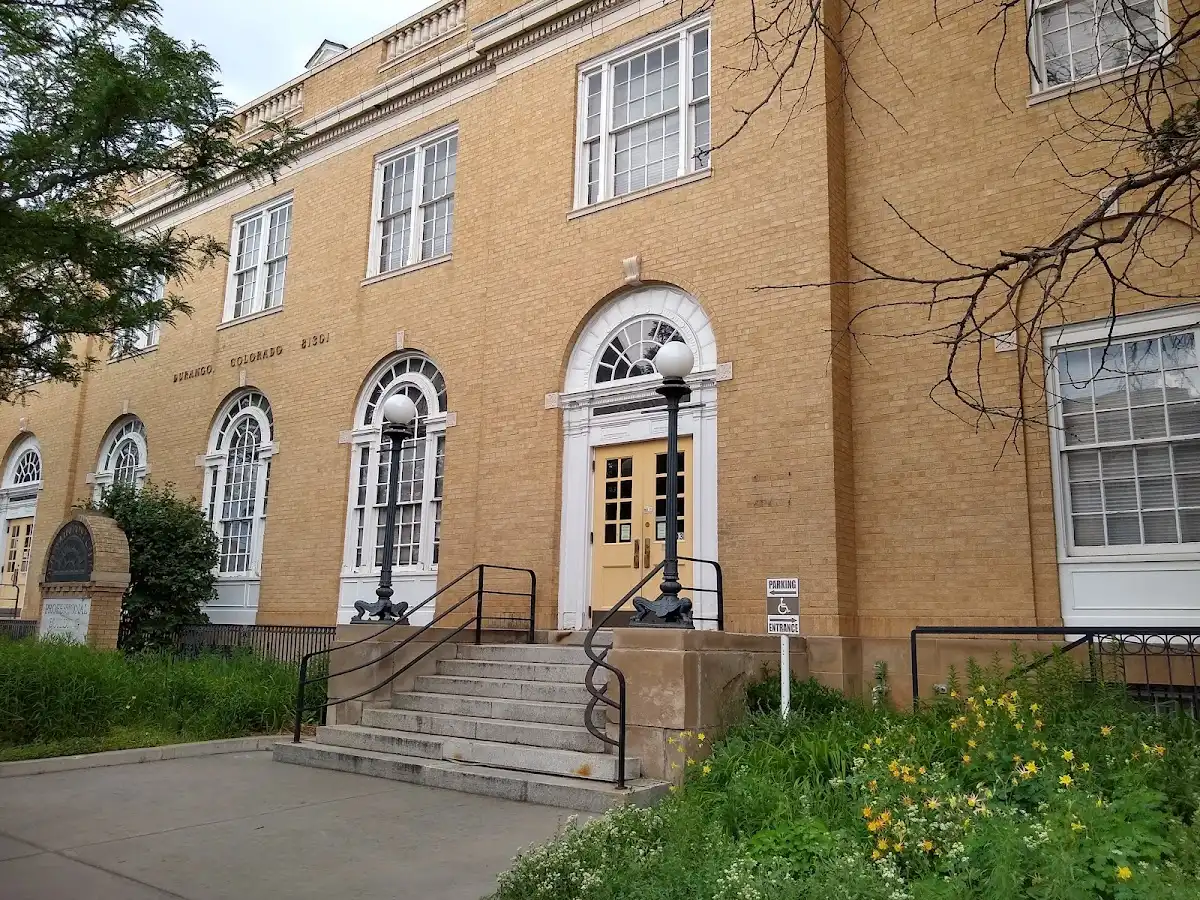
10 Durango

Steam train to Silverton, river trail, Victorian Main Avenue, hot springs

Board a coal-fired train into the Animas canyon, then soak in mineral pools on the north edge of town after dark.

united-states-city-durango
© Google |

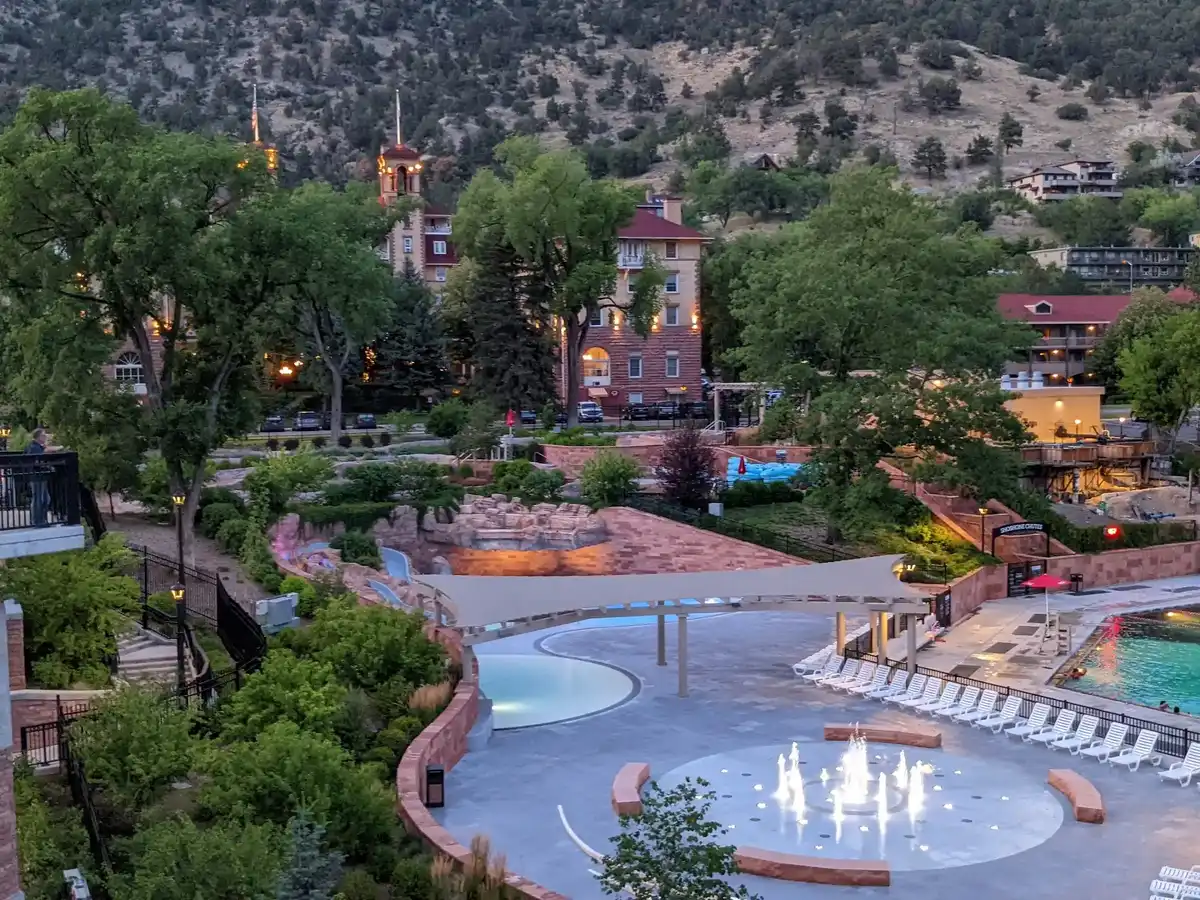
11 Glenwood Springs

Giant hot springs pool, cave gondola, canyon bike path, Doc Holliday hill

Soak in one of the largest hot springs pools around, then pedal a paved trail through Colorado River canyon walls.

united-states-city-glenwood-springs
© Google | Brian C.

12 Eureka Springs

Glass chapel, Ozark stairways, free trolleys, spring-water history

Step into a timber-and-glass chapel in the woods, then climb stair-linked streets past stone buildings and the original town spring.

united-states-city-eureka-springs
© Google |

13 Burlington

Church Street pedestrian mall, Lake Champlain bike path, Saturday market, waterfront aquarium

Stroll a four-block brick mall with buskers, then cycle the lakeshore at sunset with the Adirondacks across the water.

14 Stowe

White steeple, village rec path, Trapp lodge, Vermont’s highest summit

Follow a paved river path from the village, tour an ice cream factory, or hike to the Chin on Mount Mansfield.

15 Traverse City

Cherry orchards, Old Mission ridge, bay beach, lakeside loop

Drive or cycle a narrow peninsula of orchards and tasting rooms, then cool off on a shallow, clear-water bay beach.

16 Missoula

Mount Sentinel switchbacks, Clark Fork waves, smokejumper base, Saturday market

Hike to the hillside letter above campus, watch surfers ride a standing wave downtown, and tour the firefighters’ parachute depot.

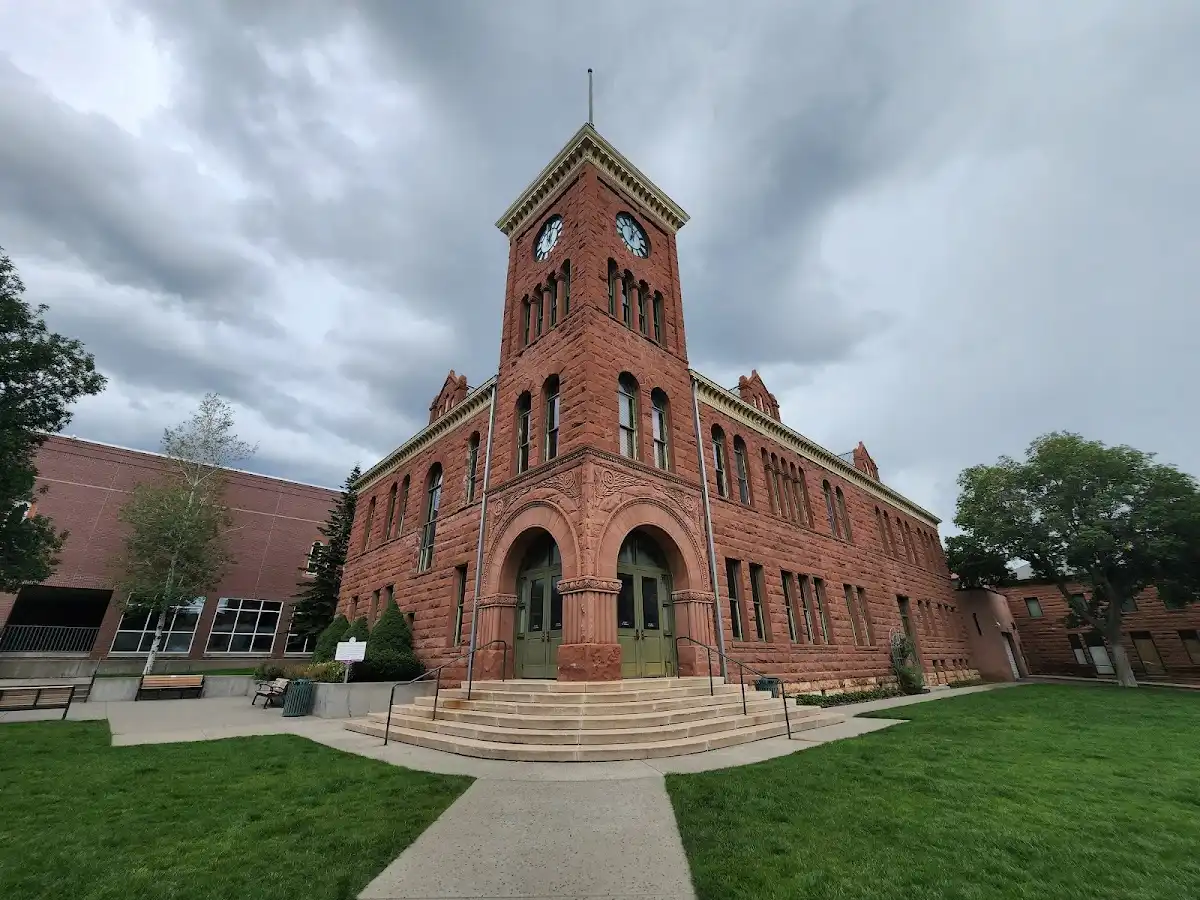
17 Flagstaff

Route 66 downtown, Pluto observatory, mesa loop, Canyon base camp

Spend an evening among railroad-era brick pubs, then look through the telescope site where Pluto was found.

united-states-city-flagstaff
© Google |

18 Fredericksburg

Texas-German limestone, Pacific War museum, Sunday houses, Main Street wine rooms

Taste Texas wines in stone storefronts, then spend hours at the museum dedicated to Admiral Nimitz, a hometown son.

19 Galena

Brick hillside street, Grant’s house, steamboat mansion, Mississippi-country wines

Climb a mile of preserved storefronts, tour the Italianate home given to a Civil War general, and sample local wine.

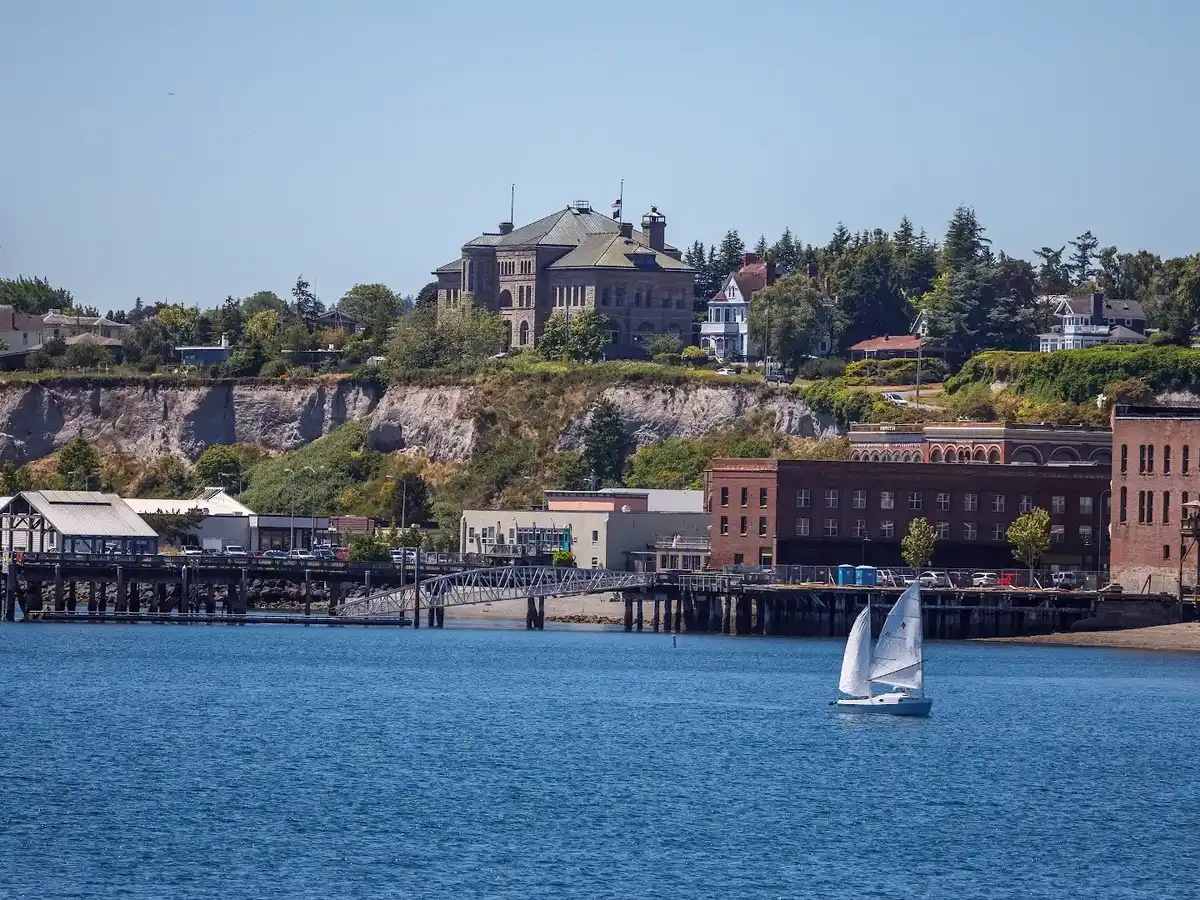
20 Port Townsend

Coastal fort tunnels, Victorian waterfront, Point Wilson light, boatbuilding yards

Explore gun batteries and dark tunnels at a former Army fort, then walk the beach to a 1913 lighthouse.

united-states-city-port-townsend
© Google | Vladimir Mikhailov

21 Walla Walla

Brick tasting rooms, wheat hills, mission site, Saturday market

Sip syrah in old Main Street storefronts, then drive west to the 1847 mission grounds and a short trail.

22 Ithaca

Gorge staircase, waterfall walks, Cayuga lakefront, bird sanctuary

Climb beside seven waterfalls from downtown to campus, then swim or wander near a 150-foot-wide curtain of falling water.

23 Rapid City

Presidential statues, concrete dinosaurs, Black Hills edge, downtown taprooms

Make a lap of life-size bronze presidents on street corners, then catch sunset beside 1936 concrete dinosaurs above town.

24 Bisbee

Copper mine tours, staircase hillsides, Brewery Gulch, border country

Ride a train into old copper workings, climb public stairways between tilted houses, and finish with a drink on the former saloon street.

25 Homer

Homer Spit, Salty Dawg dollar bills, tide pools, bay birds

Walk a 4.5-mile gravel spit of boats and boardwalk shops, then comb the beach at low tide for tide pools and driftwood.

Think you know the USA?

Prove you’re a true local — uncover 15 lesser-known towns in the USA that locals tend to keep to themselves.
Loading the map 🌍

Expert viewWhat You Should Know

How Many Towns to Visit: Plan on 4 to 6 towns in a two-week trip, and 2 or 3 if you have only a week. That count leaves roughly two or three nights each, long enough to unpack, find the good diner, walk the trails and talk to someone local. Pushing it to ten means a trip spent in a driver's seat, and a driver's seat is a poor place for sightseeing. Time is the real cost here, because distances are large and each extra town adds hours that no price tag captures. Comfort suffers too, since constant packing and check-in rushes wear everyone down. For a backpacker, fewer towns with longer stays give the most return.

Choosing the Kind of Town: Match the type of town to your travel style. For hikers and campers, mountain and park gateway towns put trails at the door, but they cost the most in time … read more 👉
How Many Towns to Visit: Plan on 4 to 6 towns in a two-week trip, and 2 or 3 if you have only a week. That count leaves roughly two or three nights each, long enough to unpack, find the good diner, walk the trails and talk to someone local. Pushing it to ten means a trip spent in a driver's seat, and a driver's seat is a poor place for sightseeing. Time is the real cost here, because distances are large and each extra town adds hours that no price tag captures. Comfort suffers too, since constant packing and check-in rushes wear everyone down. For a backpacker, fewer towns with longer stays give the most return.

Choosing the Kind of Town: Match the type of town to your travel style. For hikers and campers, mountain and park gateway towns put trails at the door, but they cost the most in time spent finding a bed and the most in money, with motels at US$120 to 250 a night in season. Pairing one with a cheaper farm or foothill town an hour away usually saves US$50 to 100 a night for a modest drive. For history and architecture, New England and Southern towns offer the densest rewards, though rooms in peak season run US$150 to 300 and easy parking is rarer than you'd expect. For music, food and conversation on a tight budget, Appalachian, Midwestern and Deep South towns give the most for the least, with rooms around US$70 to 120 and breakfast for US$8 to 14. Desert and coastal towns suit travelers who want weather and open space, but they need careful timing to avoid heat or fog. If money matters most, pick the cheaper regions. If time matters most, pick one region and stay put. If comfort matters, pay for a central room and skip the long hauls.

Daily Budget and Visit Costs: A frugal independent traveler can manage US$80 to 130 a day, using camping or hostel beds where they exist, cooking some meals and buying groceries. That plan typically includes US$25 to 60 for a campsite or shared room, US$20 to 35 for food, and US$15 to 30 for fuel or local transport. A mid-range pace, with a motel or small inn and restaurant meals, runs US$180 to 300 a day. Park gateway and resort towns push those numbers up by 30 to 60 percent in high season.

Per visit, expect small extras. National park entry costs US$20 to 35 per vehicle or US$80 for the annual America the Beautiful pass, which pays off after about three parks. State parks usually charge US$5 to 15 a vehicle. Museums and historic houses run US$10 to 25. Guided hikes, river trips or horseback rides cost US$60 to 200, and they are worth it only where terrain or permits make them useful. Rental cars cost US$45 to 100 a day plus fuel, insurance and a young-driver fee if you are under 25, and for most small-town travel it is the biggest line in the budget. Sharing the car among two or three people cuts the daily cost sharply and gives the best value.

Tipping adds 18 to 20 percent at sit-down restaurants, and posted prices exclude sales tax, which ranges from zero in a few states to about 10 percent elsewhere. Lodging often adds local taxes and resort fees of 10 to 20 percent. Read the total before you click confirm.

Safety and Cultural Considerations: Small towns are generally calm and friendly. Strangers say hello, shopkeepers chat, and a lost backpacker is more likely to get a ride than a lecture. The common problems are practical. Car break-ins at trailheads and overlooks are frequent, so never leave bags visible in a parked car. Wildlife is real, with bears in the Rockies, Appalachians and Sierra, rattlesnakes in the Southwest, and ticks across the East, so store food properly, check your skin after woods walks, and give animals plenty of room. Weather causes more trouble than crime. Flash floods in desert canyons, lightning on exposed summits, extreme heat above 100°F and winter mountain roads all demand respect. Carry plenty of water, because the next gas station may be 60 miles away.

On culture, small towns run on politeness. Greet people, say please and thank you, and take their directions seriously. Political talk can get heated and is best left to people you know. Many places close early, with restaurant kitchens often shutting at 8 or 9 pm and Sundays quiet in some regions. Alcohol laws vary by state and county, and some counties are dry. Carry ID everywhere, since the drinking age is 21 and bartenders ask. Health care is costly for visitors, so travel insurance with medical coverage is worth buying before departure. Rules about firearms differ by state, and open carry is legal in many places, which surprises some visitors but is usually ordinary and peaceful.

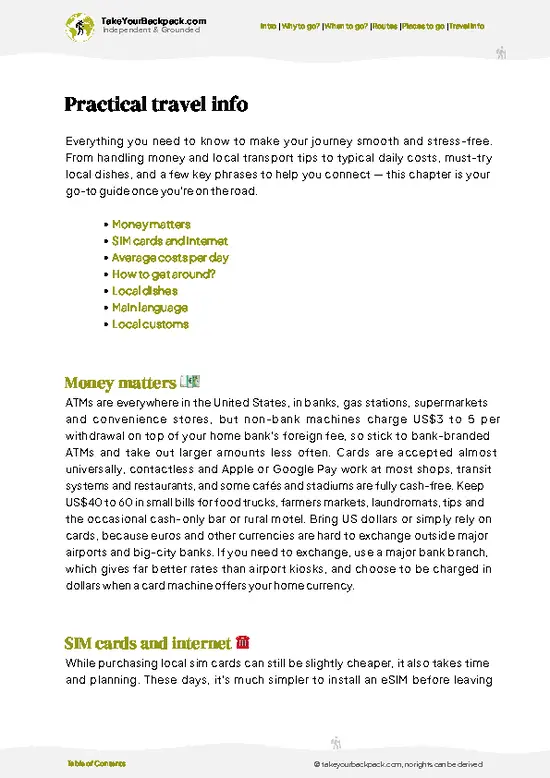
✈️ The backpacker research shortcutthe USA Travel Guide

An offline-friendly backpacking guide with optimized travel routes, ranked highlights, transport advice, and the best areas to stay.
example page 0 from our offline Travel Guide for United States
example page 1 from our offline Travel Guide for United States
example page 2 from our offline Travel Guide for United States
example page 3 from our offline Travel Guide for United States
example page 4 from our offline Travel Guide for United States
example page 5 from our offline Travel Guide for United States
example page 6 from our offline Travel Guide for United States
example page 7 from our offline Travel Guide for United States
The digital guide (451 pages) contains:
✅ 159 highlights, ranked by travel appeal
✅ Optimized 14, 21 & 30-day travel routes
✅ Cities, national parks, landmarks, beaches
✅ How to get around
✅ Offline-friendly for travel without Wi-Fi
👉 Click to see all 30+ guide features

📅 Plan smarter in minutes, not weeks
✅ Month by month travel advice
✅ Festivals & national holidays
✅ Budget expectations

🗺️ Go to the right places, skip the overrated ones
✅ Honest pros & cons of destinations
✅ Top hikes, parks & viewpoints
✅ Lesser-known places most travelers miss
✅ Clear “worth it vs skip it” guidance

🛏️ Travel smoothly without rookie mistakes
✅ Best areas to stay
✅ Transport systems explained simply
✅ Common scams & safety advice
✅ SIM cards, money & practical tips

🌍 Understand the country, not just visit it
✅ Culture & traditions
✅ Local customs
✅ Festivals worth planning around
✅ Traveler-friendly historical context
✅ Insights that make places more meaningful

📱 Built for real travel conditions
✅ Fully downloadable PDF
✅ Works completely offline
✅ Optimized for phone use
✅ Useful in remote areas & buses
✅ Everything in one place
Stop searching, start planning
Get instant access to your full guide. 30‑day money-back guarantee.
+ Add another guide for just

By proceeding you agree to our terms.
Sent to your inbox immediately after payment • 100% Secure Checkout
Best Backpacking Travel Advisor 2025 tourism awardBest Backpacking
Travel Advisor
2025
What others say about Take Your Backpack Guides:
⭐⭐⭐⭐⭐
Fantastic, amazing amount of information!
⭐⭐⭐⭐⭐
My goodness this is amazing, it's what I've been looking for hats off too you!
⭐⭐⭐⭐⭐
I think this is absolutely BRILLIANT
⭐⭐⭐⭐
Very complete and informative. It's still missing places, but I gotta to commend you
⭐⭐⭐⭐⭐
This is truly amazing, thank you, can't wait to explore it with my kids!
⭐⭐⭐⭐⭐
Awesome resource, thank you!
⭐⭐⭐⭐⭐
This is amazing! Can't wait to explore the ones I haven't seen
⭐⭐⭐⭐
I love this! Well done, great idea.
⭐⭐⭐⭐⭐
Thanks for taking the time to make this gem!
⭐⭐⭐⭐⭐
This might be the best website I've ever seen.
⭐⭐⭐⭐⭐
Congratulations, and thank you so much for your work; it's incredibly valuable.
⭐⭐⭐⭐
In all seriousness I think you did a great job pointing out the important spots
⭐⭐⭐⭐⭐
10/10 very good
⭐⭐⭐⭐⭐
As someone who's only just starting to visit regularly this is awesome, thank you.
⭐⭐⭐⭐
Thank you very much! I'm going to visit my dad, it's going to be very useful!
⭐⭐⭐⭐⭐
This is really cool! We'll be travelling for the first time and this definitely come in handy.
⭐⭐⭐⭐⭐
You are now our minister of culture, congratulations 👨‍💼
⭐⭐⭐⭐⭐
Just wanted to tell you that this is a pearl! Going to follow your recommendations.
⭐⭐⭐⭐⭐
This is so cool. I'll definitely be using the resource for my travels soon.
⭐⭐⭐⭐⭐
This is very impressive! Good work.
⭐⭐⭐⭐⭐
This is an amazing and informative site. Very well done!

🛏️ Where to stay?Top Areas to Stay

The United States has hostels in nearly every major city and many national park gateway towns, with dorm beds usually running US$35 to 70 a night and basic motel rooms from about US$70 to 120 away from the main tourist strips. In New York, the Lower East Side and Williamsburg put you steps from late-night bars but cost the most, while Harlem is cheaper and calmer with a longer subway ride; in San Francisco, Union Square is central but rough after dark where it borders the Tenderloin, and Fisherman’s Wharf feels safer yet very touristy. Elsewhere, most hostels cluster in Hollywood and Venice Beach in Los Angeles (both lively, both sketchy on side streets late at night), Wicker Park in Chicago … read more 👉
The United States has hostels in nearly every major city and many national park gateway towns, with dorm beds usually running US$35 to 70 a night and basic motel rooms from about US$70 to 120 away from the main tourist strips. In New York, the Lower East Side and Williamsburg put you steps from late-night bars but cost the most, while Harlem is cheaper and calmer with a longer subway ride; in San Francisco, Union Square is central but rough after dark where it borders the Tenderloin, and Fisherman’s Wharf feels safer yet very touristy. Elsewhere, most hostels cluster in Hollywood and Venice Beach in Los Angeles (both lively, both sketchy on side streets late at night), Wicker Park in Chicago (great bars, 20 minutes from the Loop by train) and the French Quarter and Marigny in New Orleans, where easy nightlife comes with street noise until the small hours.

If you enjoy meeting fellow travelers, consider choosing hostels with high ratings for atmosphere. On the other hand, if you prefer having your own space, a hotel might be a better option.

the USADiscover the Country

👋 Meet the founderWho’s Behind Take Your Backpack?

Johan, backpacker and founder of TakeYourBackpackHi, I’m Johan (Netherlands 🇳🇱), the creator of TakeYourBackpack. Over the past 3 decades, I’ve backpacked through 90+ countries across six continents, gaining extensive experience with independent travel, long-term trips, and overland routes.

This site is built on a combination of firsthand travel experience and carefully curated insights from other backpackers. Many guides are based on places I’ve personally visited, while others bring together tips, observations, and practical advice shared by trusted travelers I’ve met along the way.

The goal is to provide realistic, experience-driven guidance — not generic itineraries — so you can explore destinations with better context, clearer expectations, and more confidence.