×

United States🇺🇸 | best attractionsBest 10 attractions in the USA

The United States (USA) is a sprawling canvas of attractions that defy simple categorization, stretching from the sunbaked deserts of Arizona to the rain-soaked forests of the Pacific Northwest. What counts as a “must-see” here depends heavily on when and where you land, and how you plan to get around. Backpacking through the USA means juggling a unique set of trade-offs: the vast distances demand time or money, while regional climates dictate the best season to visit. For example, chasing national parks in summer can mean crowds and high prices, but winter visits often bring solitude at the cost of limited access and colder conditions.

Choosing the right attraction isn’t just about ticking off famous landmarks; it shapes your entire trip’s vibe. Urban hubs like New York or San Francisco offer cultural immersion and ease of travel but can strain a tight budget and test your patience with crowds. Meanwhile, rural or wilderness destinations deliver raw, independent travel experiences but require more planning, a flexible schedule, and a tolerance for rougher comfort levels. Safety and accessibility also vary widely—what’s a straightforward bus ride in the Northeast might be a logistical puzzle in the Southwest. Understanding these regional and seasonal nuances lets you pick attractions that align with your backpacking style, ensuring your time in the USA feels less like a grind and more like an adventure worth every trade-off.

By Johan Kruseman 🇳🇱 | Updated June 30, 2026
Explore the best festivals in the USA

Why go?Why Travelers Love These Spots

Why These Attractions Matter

The USA’s attractions stand apart because they’re not just about ticking boxes; they’re about wrestling with vastness and variety. Unlike many countries where a handful of sites cluster tightly, the USA sprawls across six time zones and a dizzying array of landscapes—from deserts that bake under relentless sun to rain-soaked forests and icy mountain peaks. This sheer scale means that choosing what to see often boils down to a trade-off between travel time and depth of exploration. You can zip through multiple iconic spots in a whirlwind, but that’s a ticket to surface-level experiences and airport lounges. Or you can settle in one region, soaking up its layers, but then you’re sacrificing the breadth that defines the American travel story.

The country’s infrastructure … read more 👉
Why These Attractions Matter

The USA’s attractions stand apart because they’re not just about ticking boxes; they’re about wrestling with vastness and variety. Unlike many countries where a handful of sites cluster tightly, the USA sprawls across six time zones and a dizzying array of landscapes—from deserts that bake under relentless sun to rain-soaked forests and icy mountain peaks. This sheer scale means that choosing what to see often boils down to a trade-off between travel time and depth of exploration. You can zip through multiple iconic spots in a whirlwind, but that’s a ticket to surface-level experiences and airport lounges. Or you can settle in one region, soaking up its layers, but then you’re sacrificing the breadth that defines the American travel story.

The country’s infrastructure is a double-edged sword. On one hand, the USA boasts an extensive network of highways and airports, making remote natural wonders and cultural hubs accessible—if you’re willing to endure hours behind the wheel or in cramped terminals. On the other hand, public transit options outside major cities are often sparse, pushing travelers toward renting cars or booking pricey tours. This means the comfort of easy access often comes at the cost of either spending more money or investing significant time in logistics. For those chasing immersive experiences, this can feel like a grind, but it’s also part of the adventure: the journey between attractions often reveals unexpected slices of Americana.

Culturally and historically, the USA’s attractions are a patchwork of narratives—indigenous heritage, colonial legacies, waves of immigration, and modern innovation. This complexity offers rich context but demands a willingness to engage with sometimes uncomfortable histories. The trade-off here is between a polished, tourist-friendly experience and a deeper, more nuanced understanding that requires effort and reflection. The climate adds another layer of consideration. Seasonal extremes—from blistering summers in the Southwest to harsh winters in the Northeast—can dictate when and how comfortably you explore. Planning around weather means balancing the desire for off-peak solitude against the risk of limited services or harsher conditions.

Ultimately, attractions in the USA matter because they force travelers to make deliberate choices about what they value most: the thrill of covering ground quickly, the richness of lingering in one place, the ease of comfort, or the grit of authentic immersion. Recognizing these trade-offs upfront transforms the inevitable hassles into part of the story, making the experience not just about the destination but about mastering the art of travel itself.
Evaluating the Top Choices
The list of best attractions in the USA is created based on cultural significance or entertainment value. If you feel a attraction is missing in this list, please let us know.

When to go?Seasonal Guide to Visiting

Seasonal Rhythms and the USA’s Attraction Calendar


The USA is a vast patchwork of climates, so timing your visit to its attractions is a bit like playing a game of weather roulette. Generally, the country swings between four distinct seasons, each bringing its own perks and pitfalls. Summers tend to be hot and busy, winters cold and sometimes inaccessible, while spring and fall offer a more balanced, if occasionally unpredictable, experience.

Summer: The Crowded, Hot, and Sometimes Worth-It Season


Summer is when most attractions are in full swing, but it’s also when the crowds show up in force. Expect long lines, packed parking lots, and prices that reflect the demand. The weather is mostly warm to hot, which is perfect for outdoor activities but can turn into a sweat-fest in many parts … read more 👉

Seasonal Rhythms and the USA’s Attraction Calendar


The USA is a vast patchwork of climates, so timing your visit to its attractions is a bit like playing a game of weather roulette. Generally, the country swings between four distinct seasons, each bringing its own perks and pitfalls. Summers tend to be hot and busy, winters cold and sometimes inaccessible, while spring and fall offer a more balanced, if occasionally unpredictable, experience.

Summer: The Crowded, Hot, and Sometimes Worth-It Season


Summer is when most attractions are in full swing, but it’s also when the crowds show up in force. Expect long lines, packed parking lots, and prices that reflect the demand. The weather is mostly warm to hot, which is perfect for outdoor activities but can turn into a sweat-fest in many parts of the country. If you’re chasing comfort, this is the season to prepare for heat and crowds, but the payoff is maximum accessibility—everything is open, and the energy is high.

Winter: Quiet, Cold, and Often Limited


Winter in the USA is a mixed bag. Some attractions close or scale back operations, especially those outdoors or in northern regions. Snow and ice can make travel tricky, turning some roads into no-go zones and forcing detours. On the plus side, fewer tourists mean less waiting and often lower prices. If you’re comfortable bundling up and don’t mind limited access, winter can be a peaceful time to explore, but expect to sacrifice some convenience and comfort.

Spring and Fall: The Shoulder Seasons with Trade-Offs


Spring and fall are the sweet spots for many travelers, offering milder weather and fewer crowds. However, these shoulder seasons come with their own quirks. Spring can be wet and unpredictable, with some attractions still shaking off winter closures or maintenance. Fall brings crisp air and often spectacular foliage, but daylight hours shrink and some seasonal services start winding down. Prices tend to be more reasonable, and the trade-off is a bit of uncertainty in weather and availability.

Peak Periods and Their Impact


National holidays and school vacations create mini-peak periods that can throw a wrench into otherwise quiet shoulder seasons. These spikes bring crowds and higher costs, especially at popular attractions. Planning around these can save you from the worst of the congestion, but it requires a bit of calendar gymnastics.

Balancing Time, Money, and Comfort


Choosing when to visit the USA’s attractions boils down to what you’re willing to trade. Want to avoid crowds and pay less? Shoulder seasons are your friend, but pack for variable weather and possible closures. Prioritize comfort and full access? Summer is your go-to, just brace for the crowds and higher prices. If quiet and low cost are your goals, winter might work, but expect limited options and colder conditions. Understanding these seasonal rhythms helps you pick the right moment to chase the experiences that matter most to you, without getting blindsided by the usual travel headaches.

attraction hoppingOptimizing Your Multi-Stop Itinerary

Mapping Out the Madness: Stitching Together the USA’s Highlights


Traveling across the USA to hit multiple top attractions is a bit like assembling a jigsaw puzzle where some pieces are giant and others are scattered across a continent-sized table. The first rule: think regionally. The country’s vastness demands clustering stops by geography—don’t plan a day in New York City and the next in San Francisco unless you’re ready to live in airports. East Coast, West Coast, the South, and the Midwest each have their own vibe and travel rhythm. Tackling one region at a time keeps travel time manageable and your sanity intact.

Direction matters. A logical loop or a clear point-to-point route saves hours of backtracking. For example, moving from the Northeast down the Atlantic coast before cutting … read more 👉

Mapping Out the Madness: Stitching Together the USA’s Highlights


Traveling across the USA to hit multiple top attractions is a bit like assembling a jigsaw puzzle where some pieces are giant and others are scattered across a continent-sized table. The first rule: think regionally. The country’s vastness demands clustering stops by geography—don’t plan a day in New York City and the next in San Francisco unless you’re ready to live in airports. East Coast, West Coast, the South, and the Midwest each have their own vibe and travel rhythm. Tackling one region at a time keeps travel time manageable and your sanity intact.

Direction matters. A logical loop or a clear point-to-point route saves hours of backtracking. For example, moving from the Northeast down the Atlantic coast before cutting inland makes more sense than zigzagging across states. This approach also helps with pacing. Expect to spend at least two full days in major cities or national parks to soak in the essence without feeling like you’re sprinting through a checklist. Smaller stops—think quirky towns or roadside oddities—can be squeezed into half-day visits, but don’t underestimate the time needed just to get there.

A common trap is overloading the itinerary. The USA’s size tempts travelers to cram too many stops, turning the trip into a blur of highways and fast food. This is where the trade-off between speed and depth kicks in. Zooming through five states in a week might sound impressive, but it often means sacrificing meaningful experiences for the sake of bragging rights. Conversely, focusing too narrowly can leave you wondering if you missed out on the country’s diversity.

Budget and comfort also play tug-of-war. Flying between distant points saves time but can blow the budget and add airport hassle. Driving offers freedom and scenic detours but demands stamina and patience. Choosing mid-range accommodations over budget hostels or luxury hotels can strike a balance, allowing for rest without breaking the bank. Flexibility is key—weather, traffic, and unexpected closures are part of the package, so build in buffer days rather than a rigid schedule.

Finally, remember that effort doesn’t always equal reward. Sometimes, the charm lies in the unplanned stop or the slower pace that lets you notice the small details—the roadside diner with the best pie or a quiet trail off the beaten path. Strategic planning means knowing when to push forward and when to linger, crafting a trip that’s rich in experience without feeling like a logistical nightmare.

The ListThe Best attractions of the USA

1 Metropolitan Museum of Art

Temple of Dendur, Costume Institute, rooftop garden

Explore expansive galleries featuring artifacts and artworks from ancient civilizations to contemporary pieces, all under one roof.

United States - Metropolitan Museum of Art

2 Disneyland Park

Sleeping Beauty Castle, themed lands, classic attractions

Step into a world of detailed environments and beloved characters, with rides and parades designed for all ages.

United States - Disneyland Park

3 Magic Kingdom Park

Cinderella Castle, themed lands, nightly fireworks

Navigate a park of storybook settings and family-friendly rides, with daily parades and character encounters throughout the day.

United States - Magic Kingdom Park

4 National Air and Space Museum

Historic aircraft, space capsules, flight simulators

Trace the evolution of aviation and space exploration through interactive displays and original vehicles that shaped history.

United States - National Air and Space Museum

5 Universal Islands of Adventure

Wizarding World, Jurassic Park, superhero rides

Immerse yourself in themed islands with cutting-edge attractions, interactive experiences, and detailed environments inspired by popular stories.

United States - Universal Islands of Adventure

6 San Diego Zoo

Panda Canyon, Skyfari aerial tram, lush enclosures

Walk shaded paths to see rare and endangered species, with opportunities for behind-the-scenes tours and animal encounters.

United States - San Diego Zoo

7 Art Institute of Chicago

Impressionist galleries, iconic lions, stained glass

Browse renowned collections spanning centuries, then pause in quiet courtyards or admire the cityscape from the museum’s modern wing.

United States - Art Institute of Chicago

8 Museum of Modern Art

Abstract masterpieces, sculpture garden, design galleries

View influential works of modern and contemporary art, then unwind in light-filled spaces designed for reflection and discovery.

United States - Museum of Modern Art

9 Getty Center

Hilltop gardens, travertine architecture, panoramic views

Stroll through galleries of European art, then relax in landscaped gardens overlooking Los Angeles and the Santa Monica Mountains.

United States - Getty Center

10 Smithsonian National Museum of Natural History

Hope Diamond, fossil hall, butterfly pavilion

Examine specimens from Earth’s past and present, with immersive exhibits on geology, biodiversity, and human origins.

United States - Smithsonian National Museum of Natural History

11 The National September 11 Memorial & Museum

Reflecting pools, survivor tree, artifact displays

Reflect on recent history at a site combining outdoor memorials and museum exhibits documenting the events and aftermath of 9/11.

12 Georgia Aquarium

Ocean Voyager tunnel, beluga whales, touch pools

Observe marine life from around the globe, including massive tanks and interactive exhibits that highlight aquatic ecosystems.

United States - Georgia Aquarium

13 Monterey Bay Aquarium

Kelp forest, sea otters, open sea exhibit

Watch marine life in dynamic tanks that replicate coastal habitats, with daily feedings and educational programs for visitors.

United States - Monterey Bay Aquarium

14 Shedd Aquarium

Caribbean Reef, aquatic shows, historic rotunda

Observe aquatic species from rivers, oceans, and lakes, with daily presentations and hands-on learning stations for all ages.

United States - Shedd Aquarium

15 Rock & Roll Hall of Fame

Music memorabilia, interactive exhibits, glass pyramid

Explore the evolution of popular music through artifacts, listening stations, and rotating exhibitions on influential artists.

16 Disney’s Animal Kingdom

Expedition Everest, safari trails, Tree of Life

Discover themed lands blending live animals and immersive storytelling, with opportunities for close-up encounters and adventurous rides.

United States - Disney’s Animal Kingdom

17 Cedar Point

Roller coasters, Lake Erie views, thrill rides

Experience a day of high-speed attractions and classic amusements along a lakeside peninsula known for its record-breaking rides.

United States - Cedar Point

18 Six Flags Magic Mountain

Extreme coasters, DC Universe, thrill zones

Ride a wide range of high-adrenaline attractions, from looping coasters to themed areas inspired by comic book heroes.

United States - Six Flags Magic Mountain

19 Broadway Theaters

Marquee lights, orchestra seating, stage doors

Attend a live performance in legendary venues where acclaimed productions and new works draw audiences from around the world.

20 Bronx Zoo

Wildlife habitats, monorail, Congo Gorilla Forest

Wander extensive grounds to observe diverse animal species in immersive environments, with seasonal exhibits and family-friendly activities.

United States - Bronx Zoo

21 The Getty Villa

Roman-inspired gardens, antiquities, Malibu coast

Tour galleries of ancient art in a recreated Roman villa, surrounded by Mediterranean landscaping and ocean breezes.

22 The Kennedy Center

River terrace, grand foyer, performance halls

Attend concerts, theater, or dance in a cultural complex with striking architecture and views of the Potomac River.

23 Metropolitan Opera House

Grand staircase, crystal chandeliers, Lincoln Center

Attend a performance in a venue known for its acoustics and architecture, with productions ranging from classic operas to modern works.

United States - Metropolitan Opera House

Think you know the USA?

Prove you’re a true local — uncover 13 lesser-known attractions in the USA that locals tend to keep to themselves.
Loading the map 🌍

Expert viewWhat You Should Know

Time vs. Quantity: How Many Attractions Can You Really Handle?

The USA is a sprawling beast, and the first brutal truth is that you can’t see it all without turning your trip into a blur of airports, rental cars, and fast food stops. If you’re aiming for quality over quantity, plan on visiting a handful of attractions—think somewhere between three and seven, depending on how long you’re willing to stay glued to your itinerary. Trying to cram more than that often means you’re trading meaningful experiences for a checklist mentality. The country’s sheer size means travel time between attractions can swallow hours or even days, so factor that in. You’ll want to prioritize based on what genuinely excites you, not what looks good on a map.

Money: The Price Tag of American Attractions

Budgeting … read more 👉

Time vs. Quantity: How Many Attractions Can You Really Handle?

The USA is a sprawling beast, and the first brutal truth is that you can’t see it all without turning your trip into a blur of airports, rental cars, and fast food stops. If you’re aiming for quality over quantity, plan on visiting a handful of attractions—think somewhere between three and seven, depending on how long you’re willing to stay glued to your itinerary. Trying to cram more than that often means you’re trading meaningful experiences for a checklist mentality. The country’s sheer size means travel time between attractions can swallow hours or even days, so factor that in. You’ll want to prioritize based on what genuinely excites you, not what looks good on a map.

Money: The Price Tag of American Attractions

Budgeting for attractions in the USA is a lesson in contrasts. Some national parks and historical sites charge modest entrance fees, while others lean into premium pricing, especially if they’re heavily trafficked or offer guided tours. Then there’s the hidden cost of getting there—gas, rental cars, or domestic flights can quietly inflate your expenses. If you’re pinching pennies, expect to spend more time on free or low-cost outdoor attractions where the main investment is your own sweat and time. On the flip side, splurging on a few high-end experiences—think specialized tours or exclusive access—can elevate your trip but demands a clear-eyed view of what you’re sacrificing elsewhere. The trade-off here is simple: spend more money, and you can cut down on travel time and hassle; spend less, and brace yourself for longer journeys and more DIY logistics.

Comfort: The Often Overlooked Currency

Comfort is the silent negotiator in your travel equation. The USA’s infrastructure varies wildly. Some attractions are well-equipped with visitor centers, paved trails, and accessible facilities. Others require a willingness to rough it—think long hikes, limited shade, or basic amenities. If you’re not keen on camping or sleeping in your car, your options narrow, and costs rise. Comfort also means timing your visits to avoid peak crowds or extreme weather, which can turn a dream day into a slog. I’ve learned the hard way that chasing every must-see spot without factoring in downtime or creature comforts can leave you exhausted and grumpy, which is the exact opposite of why you’re traveling.

Regional Realities: Culture, Infrastructure, and Safety

The USA isn’t a monolith. Regional differences shape what you can expect from your visit. In some areas, public transportation is a viable option; in others, a car is non-negotiable. Cultural norms and local attitudes can also vary, influencing everything from tipping etiquette to how welcoming locals are to tourists. Safety considerations are real but manageable if you stay informed. Some attractions are in remote or rugged areas where cell service is spotty and emergency services slow. Others are in urban settings where petty crime might be a concern. Planning with these factors in mind means you’re not just chasing sights—you’re navigating a complex landscape of practicalities that can make or break your experience.

Planning and Prioritizing: The Art of Saying No

The biggest skill you’ll develop on a USA trip is the ability to say no. With so many options, it’s tempting to try and squeeze everything in, but that’s a fast track to burnout. Instead, pick attractions that align with your interests and energy levels. If you’re a history buff, focus on a few well-chosen sites rather than scattering your attention. Nature lovers should weigh the effort required to reach a spot against the payoff of solitude or unique landscapes. Remember, skipping an attraction isn’t failure—it’s smart prioritization. I once skipped a famous landmark because the timing and logistics didn’t line up, and ended up discovering a less-known park that blew me away. Sometimes the detour is the real treasure.

The Trade-Off Map in Action

Imagine your trip as a triangle with Time, Money, and Comfort at each corner. Lean too heavily on one, and you’ll feel the pinch in another. Want to see more attractions? Prepare to spend more money or sacrifice comfort. Want to travel luxuriously? You’ll need to cut down on the number of stops or extend your trip length. Want to keep costs low? Accept longer travel times and rougher conditions. This isn’t a formula to frustrate you—it’s a reality check that helps you make choices with your eyes wide open.

Final Thoughts on Navigating the Grind

Travel in the USA is a dance with logistics. You’ll wrestle with long drives, fluctuating weather, and the occasional tourist trap. But that’s part of the charm. The key is to embrace the grind with a sense of humor and a clear plan. Know what you’re giving up when you say yes to one attraction and no to another. That clarity turns frustration into a shared adventure, and the inevitable bumps into stories you’ll laugh about later. The USA’s best attractions aren’t just about what you see—they’re about how you get there, what you leave behind, and the unexpected moments that make the trip yours.

✈️ The backpacker research shortcutthe USA Travel Guide

An offline-friendly backpacking guide with optimized travel routes, ranked highlights, transport advice, and the best areas to stay.
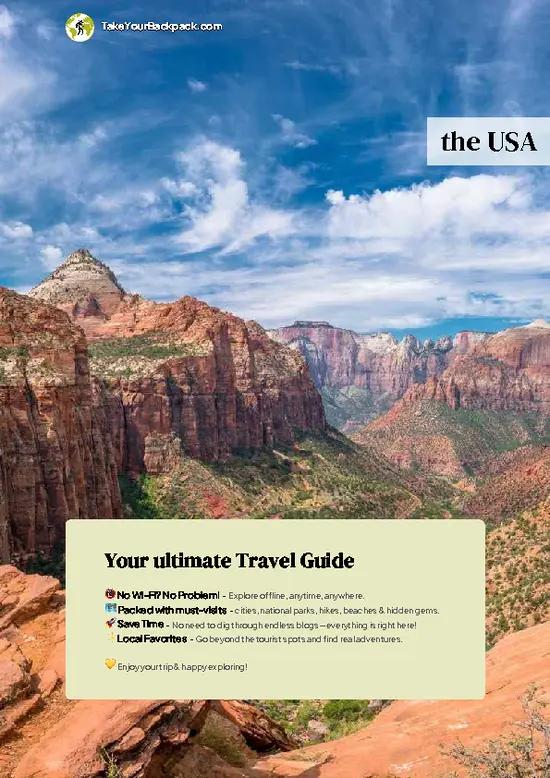
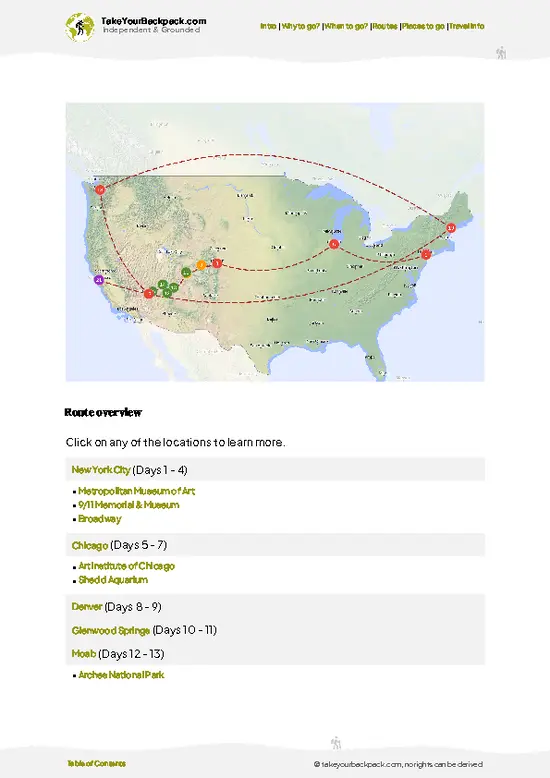
example page 0 from our offline Travel Guide for United States
example page 1 from our offline Travel Guide for United States
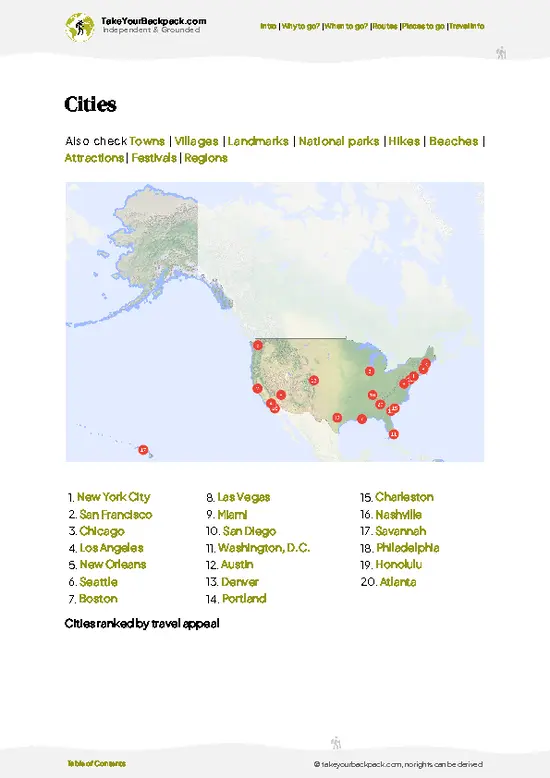
example page 2 from our offline Travel Guide for United States
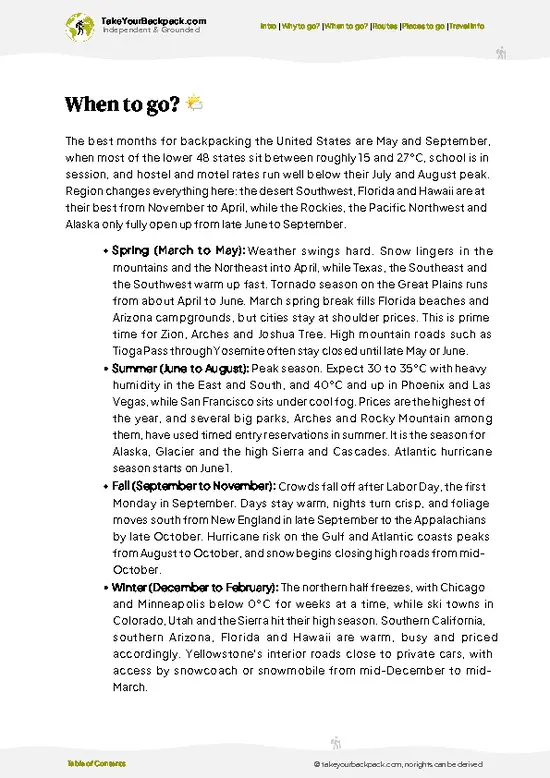
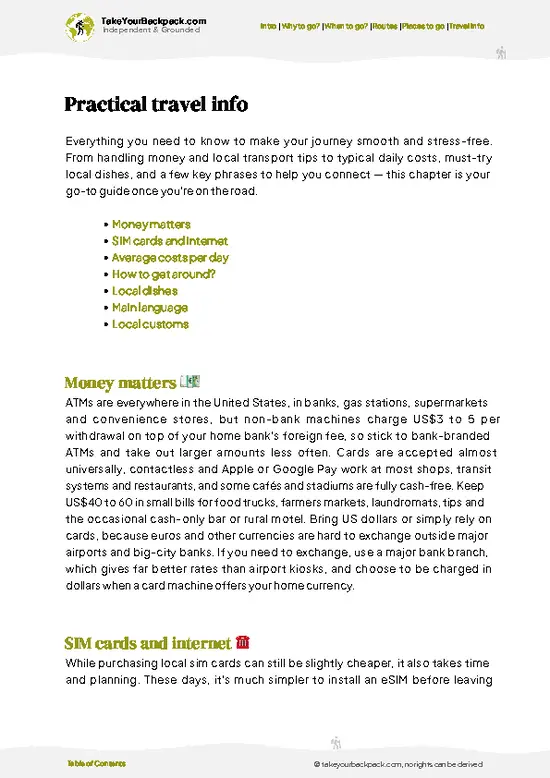
example page 3 from our offline Travel Guide for United States
example page 4 from our offline Travel Guide for United States
example page 5 from our offline Travel Guide for United States
example page 6 from our offline Travel Guide for United States
example page 7 from our offline Travel Guide for United States
The digital guide (586 pages) contains:
161 highlights, ranked by travel appeal
Optimized 14, 21 & 30-day travel routes
Cities, national parks, landmarks, beaches
How to get around
Offline-friendly for travel without Wi-Fi
👉 Click to see all 30+ guide features

📅 Plan smarter in minutes, not weeks
Month by month travel advice
Festivals & national holidays
Budget expectations

🗺️ Go to the right places, skip the overrated ones
Honest pros & cons of destinations
Top hikes, parks & viewpoints
Lesser-known places most travelers miss
Clear “worth it vs skip it” guidance

🛏️ Travel smoothly without rookie mistakes
Best areas to stay
Transport systems explained simply
Common scams & safety advice
SIM cards, money & practical tips

🌍 Understand the country, not just visit it
Culture & traditions
Local customs
Festivals worth planning around
Traveler-friendly historical context
Insights that make places more meaningful

📱 Built for real travel conditions
Fully downloadable PDF
Works completely offline
Optimized for phone use
Useful in remote areas & buses
Everything in one place
Save weeks of stressful planning
Get instant access to your full guide. 30‑day money-back guarantee.
+ Add another guide for just US$7.80

By proceeding you agree to our terms.
Sent to your inbox immediately after payment • 100% Secure Checkout
Best Backpacking Travel Advisor 2025 tourism awardBest Backpacking
Travel Advisor
2025
What others say about Take Your Backpack Guides:
⭐⭐⭐⭐⭐
Fantastic, amazing amount of information!
⭐⭐⭐⭐⭐
My goodness this is amazing, it's what I've been looking for hats off too you!
⭐⭐⭐⭐⭐
I think this is absolutely BRILLIANT
⭐⭐⭐⭐
Very complete and informative. It's still missing places, but I gotta to commend you
⭐⭐⭐⭐⭐
This is truly amazing, thank you, can't wait to explore it with my kids!
⭐⭐⭐⭐⭐
Awesome resource, thank you!
⭐⭐⭐⭐⭐
This is amazing! Can't wait to explore the ones I haven't seen
⭐⭐⭐⭐
I love this! Well done, great idea.
⭐⭐⭐⭐⭐
Thanks for taking the time to make this gem!
⭐⭐⭐⭐⭐
This might be the best website I've ever seen.
⭐⭐⭐⭐⭐
Congratulations, and thank you so much for your work; it's incredibly valuable.
⭐⭐⭐⭐
In all seriousness I think you did a great job pointing out the important spots
⭐⭐⭐⭐⭐
10/10 very good
⭐⭐⭐⭐⭐
As someone who's only just starting to visit regularly this is awesome, thank you.
⭐⭐⭐⭐
Thank you very much! I'm going to visit my dad, it's going to be very useful!
⭐⭐⭐⭐⭐
This is really cool! We'll be travelling for the first time and this definitely come in handy.
⭐⭐⭐⭐⭐
You are now our minister of culture, congratulations 👨‍💼
⭐⭐⭐⭐⭐
Just wanted to tell you that this is a pearl! Going to follow your recommendations.
⭐⭐⭐⭐⭐
This is so cool. I'll definitely be using the resource for my travels soon.
⭐⭐⭐⭐⭐
This is very impressive! Good work.
⭐⭐⭐⭐⭐
This is an amazing and informative site. Very well done!

🛏️ Where to stay?Where to Stay in the USA

Yes—hostels and basic budget accommodation are common across the USA in major cities, college towns and near transit hubs; expect dorm rooms, shared facilities and big price swings by season and neighborhood.
New York (Lower East Side, Brooklyn)—easy transit and nonstop nightlife but noisy and often pricier; San Francisco (SoMa, Mission)—close to attractions and transit but expensive and hilly; Los Angeles (Downtown, Hollywood)—affordable beds and transport links but spread-out and variable safety at night; Chicago (River North, Wicker Park)—central, walkable and lively but busy on weekends; Seattle (Capitol Hill)—good nightlife and transit access but can be loud; Miami (South Beach)—beach … read more 👉
Yes—hostels and basic budget accommodation are common across the USA in major cities, college towns and near transit hubs; expect dorm rooms, shared facilities and big price swings by season and neighborhood.
New York (Lower East Side, Brooklyn)—easy transit and nonstop nightlife but noisy and often pricier; San Francisco (SoMa, Mission)—close to attractions and transit but expensive and hilly; Los Angeles (Downtown, Hollywood)—affordable beds and transport links but spread-out and variable safety at night; Chicago (River North, Wicker Park)—central, walkable and lively but busy on weekends; Seattle (Capitol Hill)—good nightlife and transit access but can be loud; Miami (South Beach)—beach access and party scene but touristy and costly; Boston (Back Bay, Fenway)—compact and walkable near sights and universities but small rooms and higher rates.

If you enjoy meeting fellow travelers, consider choosing hostels with high ratings for atmosphere. On the other hand, if you prefer having your own space, a hotel might be a better option.

the USAMore of the USA

👋 Meet the founderWho’s Behind Take Your Backpack?

Johan, backpacker and founder of TakeYourBackpackHi, I’m Johan (Netherlands 🇳🇱), the creator of TakeYourBackpack. Over the past decade, I’ve backpacked through 80+ countries across six continents, gaining extensive experience with independent travel, long-term trips, and overland routes.

This site is built on a combination of firsthand travel experience and carefully curated insights from other backpackers. Many guides are based on places I’ve personally visited, while others bring together tips, observations, and practical advice shared by trusted travelers I’ve met along the way.

The goal is to provide realistic, experience-driven guidance — not generic itineraries — so you can explore destinations with better context, clearer expectations, and more confidence.

Get full USA guide •
Instant download • 161 highlights • Full Offline guide