How many hikes to plan for: Plan on four to six hikes in a trip of two to three weeks, and treat anything past that as a sign you have stopped hiking and started collecting. Every hike in the United States (USA) comes with a drive, often two to five hours each way from the nearest airport or the previous trailhead, and that driving is what eats your calendar. Four to six lets you spend a full day or two on trail at each stop, recover in a real bed, and still have slack for the day the weather shuts a pass or a trailhead lot is full by 7 a.m. Cram in ten and you will mostly see the inside of a rental car. For a single week, two hikes done well beat four done badly, and the gas savings pay for a decent dinner.
Which kind to prioritize: The country offers three broad flavors: desert canyon country …
read more 👉 How many hikes to plan for: Plan on four to six hikes in a trip of two to three weeks, and treat anything past that as a sign you have stopped hiking and started collecting. Every hike in the United States (USA) comes with a drive, often two to five hours each way from the nearest airport or the previous trailhead, and that driving is what eats your calendar. Four to six lets you spend a full day or two on trail at each stop, recover in a real bed, and still have slack for the day the weather shuts a pass or a trailhead lot is full by 7 a.m. Cram in ten and you will mostly see the inside of a rental car. For a single week, two hikes done well beat four done badly, and the gas savings pay for a decent dinner.
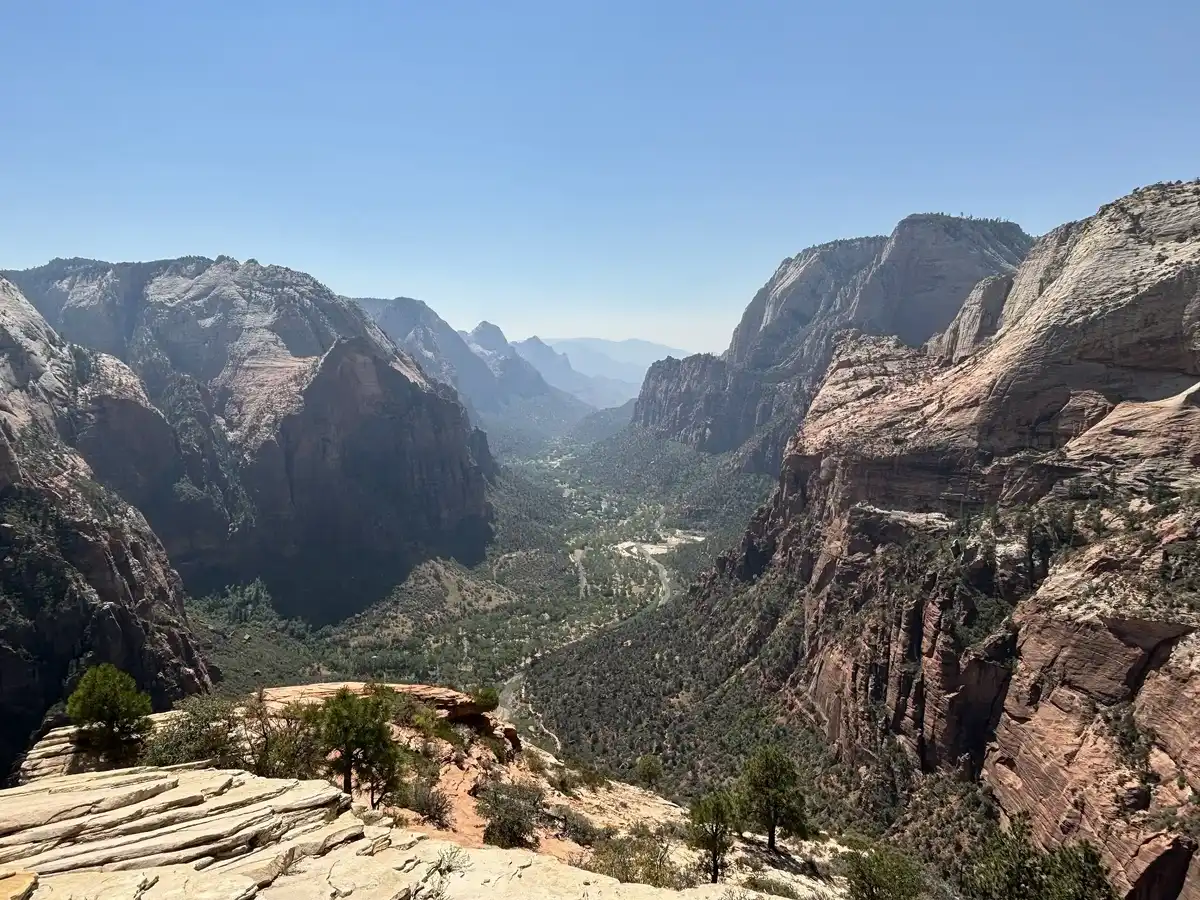
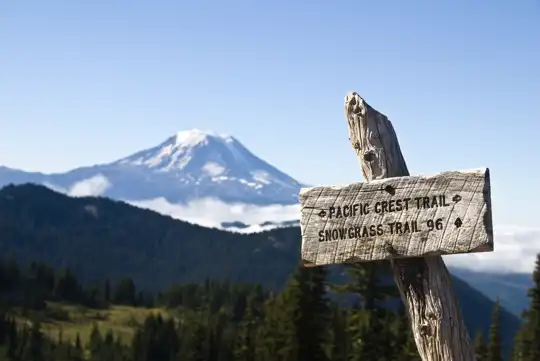
Which kind to prioritize: The country offers three broad flavors: desert canyon country in the Southwest, alpine and volcanic mountains in the Rockies, Sierra Nevada and Pacific Northwest, and long green ridgelines in the Appalachians and New England. Each costs you differently, so choose by travel style.
If you have limited time and a modest budget, the Southwest and the Rockies give you the most. Trails are well marked, day hikes pay off quickly, and you can sleep cheaply at campgrounds. The cost is heat, altitude and crowds at the famous trailheads, so you trade comfort for views. The Sierra and Cascades demand more planning and fitness for multi-day trips, but they deliver the quieter, wilder nights that many backpackers fly across an ocean for. They cost more in time because permits and snow windows are tight.
The Appalachians are the best value for travelers on a shoestring who want to meet people. Trails run near towns, resupply is easy, hostels and shelters are cheap or free, and the culture of trail names and shared shelters is a draw in itself. Views are filtered through trees more often, and humidity is no joke, so comfort is lower in summer but money stays in your pocket. For a first backpacking trip, I would start here or in a well-served Rockies park, then graduate to the Sierra.
What it actually costs: Budget US$70 to 130 a day if you camp, cook your own food and drive a shared rental, and US$150 to 250 a day if you prefer motels and restaurant meals. Over a two to three week trip, that is roughly US$1,500 to 3,500 on the ground, before flights.
Entry fees are modest compared with the rest of the bill. Most big national parks charge US$20 to 35 per vehicle for a seven-day pass, and some charge US$15 to 20 per person for walk-ins. The America the Beautiful annual pass costs about US$80 and covers entry to national parks and many federal lands, so it pays for itself after three or four parks. Backcountry permits run from free to roughly US$10 to 40 per group, with a few popular lotteries charging a reservation fee on top. Campgrounds in parks cost US$15 to 40 a night, and dispersed camping on national forest and Bureau of Land Management land is usually free.
Transport is the big line item. A rental car costs US$40 to 90 a day plus fuel, and drivers under 25 pay surcharges. Gas runs well over US$3 a gallon in most places and higher in California. Splitting a car between two or three people is the single best money move you can make. Guides are optional for most trails, and guided trips cost US$150 to 400 a day, which is worth it only for glacier travel, technical canyoneering or if you have never carried a pack overnight. Bear canisters can be rented for a few dollars a day near some Sierra trailheads, and cost far less than a fine.
Safety to take seriously: The usual killers are boring ones: heat, dehydration, altitude and afternoon storms. In desert country, carry at least 4 liters of water per person for a day hike in summer and start at dawn. In the Rockies and Sierra, be off exposed ridges by early afternoon because lightning arrives on schedule. Altitude sickness can start around 2,500 meters (8,200 feet), and a day of acclimatizing costs little.
Wildlife rules are strict. In bear country, store food in canisters or lockers, never in your tent, and carry bear spray where rangers recommend it. Give bison and elk far more room than the internet suggests, because they injure visitors every year. Cell coverage vanishes quickly, so download offline maps and carry a paper map or satellite messenger on remote routes.
Cultural notes: Leave No Trace is taken as a social contract here, and rangers and fellow hikers will notice if you ignore it. Pack out toilet paper, stay on trail, and yield to uphill hikers and to horses. Trail greetings are a normal thing, so say hello. Tipping applies in towns after the trail, 18 to 20 percent in restaurants. Many parks require timed entry or permits in peak season, so book them online weeks or months ahead.





 Best Backpacking
 Hi, I’m Johan (Netherlands 🇳🇱), the creator of TakeYourBackpack. Over the past 3 decades, I’ve backpacked through 90+ countries across six continents, gaining extensive experience with independent travel, long-term trips, and overland routes.