×

Bolivia🇧🇴 | best hikesWhere to Find the 4 Best hikes in Bolivia

Bolivia’s hiking trails are a tapestry of altitude, diverse landscapes, and cultural richness. From the rugged peaks of the Andes to the lush valleys of the Yungas, each region offers a unique experience that shapes your journey. The difficulty of hikes varies widely; some trails demand serious stamina, while others welcome beginners.

Timing is crucial—seasonal variations can transform a trail from a sun-soaked adventure to a muddy slog. Daylight hours are shorter in the highlands, so planning your hikes accordingly is essential for safety and enjoyment.

Choosing the right hike impacts not just your budget but also your overall vibe. Some trails lead you through remote villages, offering a deep dive into local culture, while others showcase breathtaking views that make every step worthwhile. For backpackers and independent travelers, understanding these nuances can elevate your Bolivian adventure from ordinary to extraordinary.

By Johan Kruseman 🇳🇱 | Updated June 13, 2026
Explore the best beaches in Bolivia

Why go?What Makes Them Special

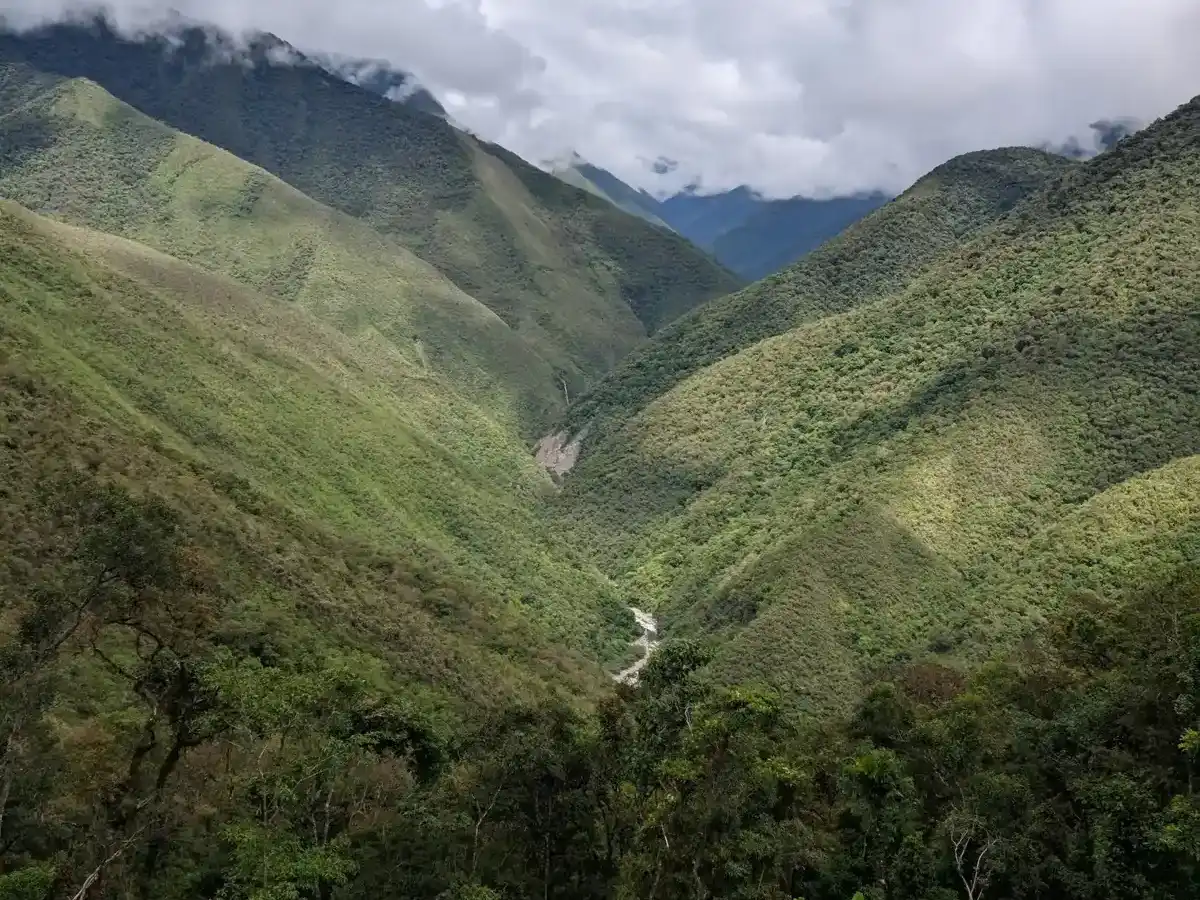
Bolivia’s hikes stand apart due to their staggering altitude and diverse terrain. With peaks soaring over 6,000 meters, the country offers a unique challenge that few places can match. The Andes dominate the landscape, presenting rugged trails that wind through high-altitude deserts, lush valleys, and vibrant ecosystems. This variety not only tests endurance but also rewards hikers with breathtaking vistas that shift dramatically with every step.

However, the altitude comes with trade-offs. Acclimatization is crucial; failure to adjust can lead to altitude sickness, which can dampen the experience. The best hiking seasons—typically from May to September—offer stable weather but can also draw larger crowds, impacting the solitude many seek. Off-season hikes can provide a more immersive experience, … read more 👉
Bolivia’s hikes stand apart due to their staggering altitude and diverse terrain. With peaks soaring over 6,000 meters, the country offers a unique challenge that few places can match. The Andes dominate the landscape, presenting rugged trails that wind through high-altitude deserts, lush valleys, and vibrant ecosystems. This variety not only tests endurance but also rewards hikers with breathtaking vistas that shift dramatically with every step.

However, the altitude comes with trade-offs. Acclimatization is crucial; failure to adjust can lead to altitude sickness, which can dampen the experience. The best hiking seasons—typically from May to September—offer stable weather but can also draw larger crowds, impacting the solitude many seek. Off-season hikes can provide a more immersive experience, yet they often come with unpredictable weather and trail conditions.

Trail infrastructure varies widely. Some routes are well-marked and maintained, while others demand navigation skills and a sense of adventure. This disparity means that hikers must weigh the difficulty of the trail against the scenic rewards. The more challenging paths often lead to the most stunning views, but they require a commitment to preparation and safety.

Culturally, Bolivia’s trails are steeped in history, with ancient Incan paths and local traditions enriching the journey. Yet, accessibility can be a concern. Remote areas may require lengthy travel times, which can detract from the overall experience. Understanding these logistical nuances is essential for anyone looking to explore Bolivia’s wild heart. The payoff is immense, but it demands respect for the land and its challenges.
Behind the Scenes of Selection
The list of best hikes in Bolivia is created based on scenery, challenge, trail quality, landmarks, and overall enjoyment. If you feel a hike is missing in this list, please let us know.

When to go?Timing Your Visit for the Best Experience

Altitude and Weather

Bolivia’s altitude plays a pivotal role in hiking conditions. The country boasts some of the highest trails in the world, often exceeding 4,000 meters. This elevation can lead to rapid weather changes. Daytime temperatures may feel warm, but nights can plunge into freezing. Hikers must acclimatize properly to avoid altitude sickness, which can derail plans.

Optimal Months

The dry season, typically from May to October, offers the best hiking conditions. Clear skies and stable weather make for stunning views and safer trails. This period allows for longer daylight hours, maximizing time on the trails. However, it also attracts more hikers, leading to busier paths and higher costs for accommodations.

Shoulder Seasons

The shoulder seasons—April and November—present a … read more 👉

Altitude and Weather

Bolivia’s altitude plays a pivotal role in hiking conditions. The country boasts some of the highest trails in the world, often exceeding 4,000 meters. This elevation can lead to rapid weather changes. Daytime temperatures may feel warm, but nights can plunge into freezing. Hikers must acclimatize properly to avoid altitude sickness, which can derail plans.

Optimal Months

The dry season, typically from May to October, offers the best hiking conditions. Clear skies and stable weather make for stunning views and safer trails. This period allows for longer daylight hours, maximizing time on the trails. However, it also attracts more hikers, leading to busier paths and higher costs for accommodations.

Shoulder Seasons

The shoulder seasons—April and November—present a mixed bag. These months can still offer decent weather, but expect occasional rain and cooler temperatures. Crowds thin out, making for a more solitary experience. Costs may drop slightly, but the trade-off is unpredictable weather. Hikers should be prepared for both sunshine and sudden storms.

Rainy Season

From December to March, the rainy season transforms the landscape. Trails can become muddy and treacherous, limiting access to some areas. While the scenery is lush and vibrant, the risk of landslides increases. Hikers must weigh the beauty of the landscape against the challenges of navigating slippery paths and reduced visibility.

Planning Considerations

Understanding these seasonal patterns is crucial for planning. Safety should always come first. Choose the right time to balance the desire for stunning vistas with the realities of trail conditions. Prioritize acclimatization and be ready for the unexpected.

hike hoppingOptimizing Your Multi-Stop Itinerary

General Routing Logic

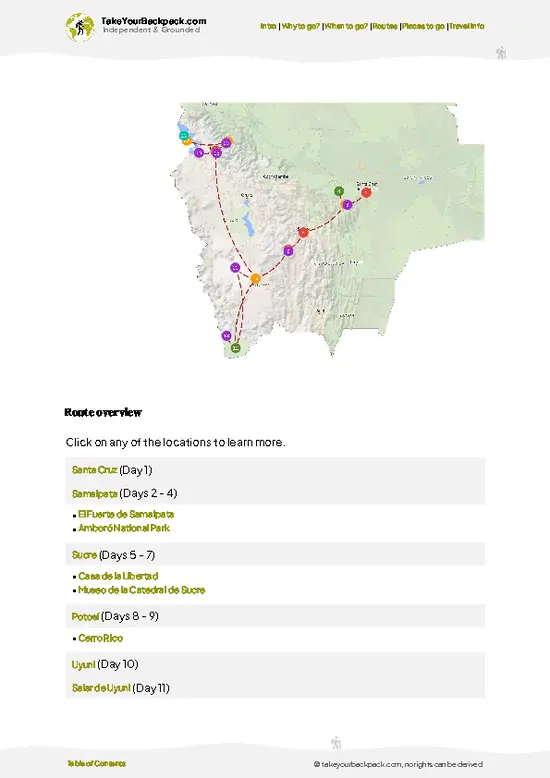
Bolivia’s hiking landscape is a patchwork of diverse terrains, each region offering its own flavor of adventure. Start in the Altiplano, where the high-altitude trails demand acclimatization. Spend a few days in La Paz to adjust before tackling the surrounding hikes. From there, head south toward the Salar de Uyuni, where the surreal salt flats provide a unique backdrop. This route allows for gradual elevation gains, minimizing altitude sickness risks.

Typical Time Needed

Plan for at least three to four days per major hiking area. This includes time for recovery, especially after strenuous hikes like those around Huayna Potosí. Factor in a day or two for travel between regions. The key is to balance hiking intensity with rest; pushing too hard can lead to burnout or … read more 👉

General Routing Logic

Bolivia’s hiking landscape is a patchwork of diverse terrains, each region offering its own flavor of adventure. Start in the Altiplano, where the high-altitude trails demand acclimatization. Spend a few days in La Paz to adjust before tackling the surrounding hikes. From there, head south toward the Salar de Uyuni, where the surreal salt flats provide a unique backdrop. This route allows for gradual elevation gains, minimizing altitude sickness risks.

Typical Time Needed

Plan for at least three to four days per major hiking area. This includes time for recovery, especially after strenuous hikes like those around Huayna Potosí. Factor in a day or two for travel between regions. The key is to balance hiking intensity with rest; pushing too hard can lead to burnout or altitude-related issues.

Common Planning Mistakes

Travelers often underestimate the time needed for recovery. Skipping acclimatization days can lead to headaches and fatigue, ruining the experience. Another pitfall is over-scheduling; cramming too many hikes into a short timeframe sacrifices depth for speed. Prioritize quality over quantity to truly absorb Bolivia’s breathtaking landscapes.

Trade-offs and Constraints

Consider the trade-offs between speed and depth of experience. Rushing through hikes may save time but can diminish the connection to the environment. Budget constraints might tempt travelers to skimp on guided tours, but local knowledge often enhances safety and enriches the experience. Balance effort with reward; some of the most breathtaking views come after the hardest climbs, but ensure there’s enough energy left to savor them. Flexibility is crucial; weather can change plans, so be ready to adapt.

The ListTop hikes of Bolivia

1 Choro Trail

Inca stonework, cloud forest, altitude descent

Descend from icy Andean heights into lush valleys, passing ancient pathways and shifting climates that demand steady footing and careful pacing.

2 Isla del Sol

Lake Titicaca views, pre-Columbian ruins, terraced hillsides

Walk along ridgelines above deep blue water, tracing centuries-old footpaths between quiet villages and archaeological sites scattered across the island.

bolivia-hike-isla-del-sol
© Google | Sagnik Saha

3 Sorata to San Pedro

Deep canyons, rural hamlets, changing ecosystems

Traverse dramatic elevation shifts as you move from mountain town to subtropical valley, encountering isolated communities and shifting landscapes.

4 Laguna Glaciar

High-altitude lake, snow-capped peaks, remote approach

Climb steadily through sparse puna grasslands to reach a silent glacial basin, where thin air and solitude define the experience.

bolivia-hike-laguna-glaciar
© Google | Katleen Lodewyckx
Loading the map 🌍

Expert viewExpert Commentary on hikes

Trail Logistics

Bolivia’s hiking scene is a wild mix of high-altitude challenges and breathtaking rewards. Expect to tackle anywhere from three to six hikes during your stay, depending on your stamina and time. Each trek offers a unique slice of the country’s diverse landscapes, from the rugged Andes to the lush Yungas.

Plan for hikes that range from half a day to multiple days. A solid week can give you a taste of the best, but be ready for varying levels of difficulty. Some trails will have you gasping for air at 15,000 feet, while others might lead you through dense forests where the humidity clings to your skin.

Budget-wise, think about a range that accommodates everything from basic camping gear to guided tours. You can spend a few dollars on local transport or splurge on a more … read more 👉

Trail Logistics

Bolivia’s hiking scene is a wild mix of high-altitude challenges and breathtaking rewards. Expect to tackle anywhere from three to six hikes during your stay, depending on your stamina and time. Each trek offers a unique slice of the country’s diverse landscapes, from the rugged Andes to the lush Yungas.

Plan for hikes that range from half a day to multiple days. A solid week can give you a taste of the best, but be ready for varying levels of difficulty. Some trails will have you gasping for air at 15,000 feet, while others might lead you through dense forests where the humidity clings to your skin.

Budget-wise, think about a range that accommodates everything from basic camping gear to guided tours. You can spend a few dollars on local transport or splurge on a more comfortable experience. Just remember, the more you invest in local guides, the richer your experience will be. They know the land and its stories, which adds depth to your journey.

Altitude and Recovery

Altitude sickness is a real player in Bolivia. Even if you’re fit, the thin air can hit hard. Spend at least a couple of days acclimatizing before diving into strenuous hikes. Take it slow; your body will thank you.

Hydration is key. Drink plenty of water, and consider coca tea to ease the transition. If you start feeling dizzy or nauseous, don’t push through. Descend to a lower elevation and rest. The trails will still be there when you’re ready.

Recovery is just as important as the hike itself. After a long day on the trail, find a local eatery and indulge in a hearty meal. Bolivian cuisine is rich and filling, perfect for replenishing those burnt calories.

Difficulty and Pacing

Difficulty levels vary widely. Some trails are well-marked and manageable for beginners, while others demand serious grit and experience. Know your limits. If you’re new to hiking, start with easier trails and build your confidence.

Pacing is crucial. Don’t rush; enjoy the journey. The views are often the best part, and they come after the sweat. If you’re on a multi-day trek, plan for shorter days to allow for exploration and rest.

Consider the weather, too. Bolivia can be unpredictable. Rain can turn a simple path into a slippery challenge. Always check forecasts and be prepared to adjust your plans.

Planning and Prioritizing Hikes

When planning your hikes, prioritize based on your interests. Are you drawn to stunning lakes, ancient ruins, or vibrant local culture? Each hike offers a different flavor of Bolivia.

Research local festivals or events that might coincide with your visit. These can enrich your experience and provide a deeper connection to the culture.

Transportation can be tricky. Roads may be rough, and public transport schedules can be erratic. Factor in extra time for travel between hikes. Renting a car can offer flexibility, but be prepared for the challenges of driving in remote areas.

Safety and Cultural Considerations

Safety is paramount. Always inform someone of your plans, especially if you’re heading into remote areas. Carry a basic first-aid kit and know how to use it.

Cultural respect is essential. Bolivia is rich in indigenous traditions. When interacting with locals, be polite and open. Learning a few phrases in Spanish can go a long way.

Be mindful of your impact on the environment. Stick to marked trails and pack out what you pack in. The landscapes are fragile, and your efforts to preserve them will ensure future generations can enjoy the same beauty.

In the end, the grit of the trails and the burn in your legs will lead to moments that linger long after the hike is over. Whether it’s the first cold beer at a local tavern or the sight of a sunset over the mountains, these experiences are what make the effort worthwhile. Embrace the challenge, and let Bolivia’s wild heart draw you in.

✈️ The backpacker research shortcutBolivia Travel Guide

An offline-friendly backpacking guide with optimized travel routes, ranked highlights, transport advice, and the best areas to stay.
example page 0 from our offline Travel Guide for Bolivia
example page 1 from our offline Travel Guide for Bolivia
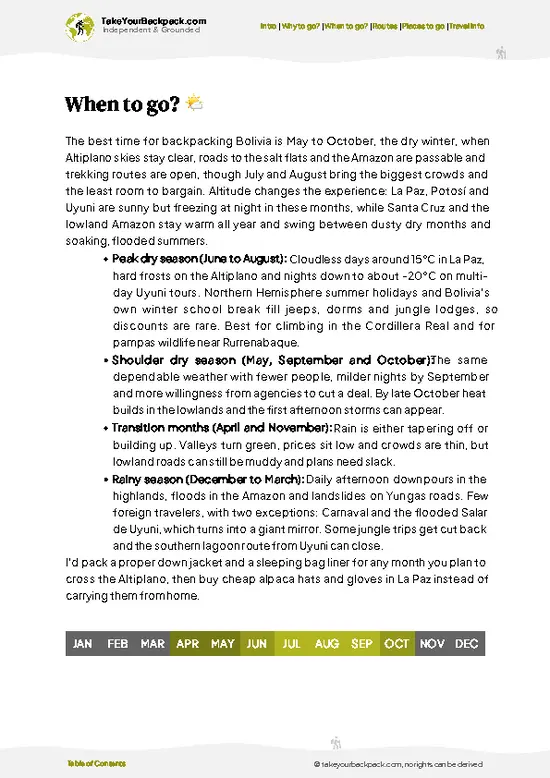
example page 2 from our offline Travel Guide for Bolivia
example page 3 from our offline Travel Guide for Bolivia
example page 4 from our offline Travel Guide for Bolivia
example page 5 from our offline Travel Guide for Bolivia
example page 6 from our offline Travel Guide for Bolivia
example page 7 from our offline Travel Guide for Bolivia
The digital guide (350 pages) contains:
82 highlights, ranked by travel appeal
Optimized 7, 14 & 21-day travel routes
Cities, national parks, landmarks, beaches
How to get around
Offline-friendly for travel without Wi-Fi
👉 Click to see all 30+ guide features

📅 Plan smarter in minutes, not weeks
Month by month travel advice
Festivals & national holidays
Budget expectations

🗺️ Go to the right places, skip the overrated ones
Honest pros & cons of destinations
Top hikes, parks & viewpoints
Lesser-known places most travelers miss
Clear “worth it vs skip it” guidance

🛏️ Travel smoothly without rookie mistakes
Best areas to stay
Transport systems explained simply
Common scams & safety advice
SIM cards, money & practical tips

🌍 Understand the country, not just visit it
Culture & traditions
52 Essential phrases & customs
Festivals worth planning around
Traveler-friendly historical context
Insights that make places more meaningful

📱 Built for real travel conditions
Fully downloadable PDF
Works completely offline
Optimized for phone use
Useful in remote areas & buses
Everything in one place
Save weeks of stressful planning
Get instant access to your full guide. 30‑day money-back guarantee.


By proceeding you agree to our terms.
Sent to your inbox immediately after payment • 100% Secure Checkout
Best Backpacking Travel Advisor 2025 tourism awardBest Backpacking
Travel Advisor
2025
What others say about Take Your Backpack Guides:
⭐⭐⭐⭐⭐
Fantastic, amazing amount of information!
⭐⭐⭐⭐⭐
My goodness this is amazing, it's what I've been looking for hats off too you!
⭐⭐⭐⭐⭐
I think this is absolutely BRILLIANT
⭐⭐⭐⭐
Very complete and informative. It's still missing places, but I gotta to commend you
⭐⭐⭐⭐⭐
This is truly amazing, thank you, can't wait to explore it with my kids!
⭐⭐⭐⭐⭐
Awesome resource, thank you!
⭐⭐⭐⭐⭐
This is amazing! Can't wait to explore the ones I haven't seen
⭐⭐⭐⭐
I love this! Well done, great idea.
⭐⭐⭐⭐⭐
Thanks for taking the time to make this gem!
⭐⭐⭐⭐⭐
This might be the best website I've ever seen.
⭐⭐⭐⭐⭐
Congratulations, and thank you so much for your work; it's incredibly valuable.
⭐⭐⭐⭐
In all seriousness I think you did a great job pointing out the important spots
⭐⭐⭐⭐⭐
10/10 very good
⭐⭐⭐⭐⭐
As someone who's only just starting to visit regularly this is awesome, thank you.
⭐⭐⭐⭐
Thank you very much! I'm going to visit my dad, it's going to be very useful!
⭐⭐⭐⭐⭐
This is really cool! We'll be travelling for the first time and this definitely come in handy.
⭐⭐⭐⭐⭐
You are now our minister of culture, congratulations 👨‍💼
⭐⭐⭐⭐⭐
Just wanted to tell you that this is a pearl! Going to follow your recommendations.
⭐⭐⭐⭐⭐
This is so cool. I'll definitely be using the resource for my travels soon.
⭐⭐⭐⭐⭐
This is very impressive! Good work.
⭐⭐⭐⭐⭐
This is an amazing and informative site. Very well done!

🛏️ Where to stay?Where to Stay in Bolivia

Yes — Bolivia has plentiful hostels and budget accommodation across major tourist towns like La Paz, Sucre, Santa Cruz, Uyuni, Copacabana, Potosí and Cochabamba, with most options concentrated near city centers and popular plazas.
In La Paz prioritize Sopocachi for nightlife, mid-range safety and cafes, Centro/Plaza Murillo for closest access to markets and attractions but higher crowds and pickpocket risk, and Zona Sur for quieter, safer stays that are farther from main tourist sites.
Sucre’s Centro and Recoleta are walkable and historic yet sometimes pricier; Santa Cruz clusters budget options in Equipetrol (safer, better nightlife) and Centro (cheaper, busier); Uyuni and Copacabana put … read more 👉
Yes — Bolivia has plentiful hostels and budget accommodation across major tourist towns like La Paz, Sucre, Santa Cruz, Uyuni, Copacabana, Potosí and Cochabamba, with most options concentrated near city centers and popular plazas.
In La Paz prioritize Sopocachi for nightlife, mid-range safety and cafes, Centro/Plaza Murillo for closest access to markets and attractions but higher crowds and pickpocket risk, and Zona Sur for quieter, safer stays that are farther from main tourist sites.
Sucre’s Centro and Recoleta are walkable and historic yet sometimes pricier; Santa Cruz clusters budget options in Equipetrol (safer, better nightlife) and Centro (cheaper, busier); Uyuni and Copacabana put hostels steps from transport and highlights but often offer very basic facilities; Potosí and Cochabamba have central, inexpensive choices close to attractions but with fewer amenities and less frequent transport.

If you enjoy meeting fellow travelers, consider choosing hostels with high ratings for atmosphere. On the other hand, if you prefer having your own space, a hotel might be a better option.

BoliviaMore of Bolivia

👋 Meet the founderWho’s Behind Take Your Backpack?

Johan, backpacker and founder of TakeYourBackpackHi, I’m Johan (Netherlands 🇳🇱), the creator of TakeYourBackpack. Over the past decade, I’ve backpacked through 80+ countries across six continents, gaining extensive experience with independent travel, long-term trips, and overland routes.

This site is built on a combination of firsthand travel experience and carefully curated insights from other backpackers. Many guides are based on places I’ve personally visited, while others bring together tips, observations, and practical advice shared by trusted travelers I’ve met along the way.

The goal is to provide realistic, experience-driven guidance — not generic itineraries — so you can explore destinations with better context, clearer expectations, and more confidence.

Get full Bolivia guide •
Instant download • 82 highlights • Full Offline guide