×

Bolivia🇧🇴 | best festivalsWhere to Find the 5 Best festivals in Bolivia

In Bolivia, festivals pulse with life, reflecting the country’s rich tapestry of cultures and traditions. From the high-altitude Andes to the vibrant Amazon, each region showcases unique celebrations that can transform your backpacking experience. Timing is crucial; festivals often align with agricultural cycles or religious observances, creating a rhythm that varies throughout the year.

In La Paz, the Gran Poder festival draws massive crowds, blending indigenous and colonial influences, while Oruro’s Carnival bursts with color and energy, attracting thousands. Choosing the right festival can significantly impact your vibe—whether you seek the intimacy of a local gathering or the electrifying atmosphere of a city-wide celebration.

Budget considerations also play a role; some festivals are free, while others may require advance planning for accommodations and transport. Safety and ease of travel fluctuate with the crowds, making it essential to navigate these events wisely. Immerse yourself in Bolivia’s festivals, and you’ll uncover the heart of its culture.

By Johan Kruseman 🇳🇱 | Updated June 5, 2026
Explore the best regions in Bolivia

Why go?What Makes Them Special

Festivals in Bolivia pulse with a raw energy that reflects the country’s rich tapestry of cultures and traditions. They are not mere celebrations; they are living expressions of identity, history, and community. Bolivia’s festivals stand out globally due to their deep-rooted connections to indigenous customs, blending ancient rituals with contemporary influences. This unique cultural fusion creates a vibrant atmosphere that immerses participants in the heart of Bolivian life.

Geographically, Bolivia’s diverse landscapes—from the high Andes to the lush Amazon—shape the nature of its festivals. The altitude can be a challenge, particularly for those unaccustomed to it, but the rewards are immense. Festivals often coincide with seasonal changes, such as the Inti Raymi during the winter solstice, … read more 👉
Festivals in Bolivia pulse with a raw energy that reflects the country’s rich tapestry of cultures and traditions. They are not mere celebrations; they are living expressions of identity, history, and community. Bolivia’s festivals stand out globally due to their deep-rooted connections to indigenous customs, blending ancient rituals with contemporary influences. This unique cultural fusion creates a vibrant atmosphere that immerses participants in the heart of Bolivian life.

Geographically, Bolivia’s diverse landscapes—from the high Andes to the lush Amazon—shape the nature of its festivals. The altitude can be a challenge, particularly for those unaccustomed to it, but the rewards are immense. Festivals often coincide with seasonal changes, such as the Inti Raymi during the winter solstice, celebrating the sun’s return. This timing not only enhances the experience but also aligns with agricultural cycles, making the celebrations deeply relevant to local communities.

However, travelers should consider the logistics involved. Many festivals attract large crowds, which can dilute the intimate experience of cultural immersion. While the energy is infectious, navigating through throngs can be overwhelming. Additionally, some festivals may require advance planning due to limited accommodations or transportation options, particularly in remote areas.

The climate also plays a significant role. High-altitude festivals can be chilly, while those in the lowlands may be sweltering. Understanding these conditions is crucial for a comfortable experience. Ultimately, the trade-offs between accessibility and depth of exploration are significant. Choosing to engage with smaller, less commercialized festivals may offer a more authentic glimpse into Bolivian culture, albeit with the potential for more logistical hurdles. Embracing these challenges leads to a richer understanding of Bolivia’s vibrant spirit.
Our Approach to Ranking
The list of best festivals in Bolivia is created based on energy, traditions, crowd experience, activities, and overall excitement. If you feel a festival is missing in this list, please let us know.

When to go?Timing Your Visit for the Best Experience

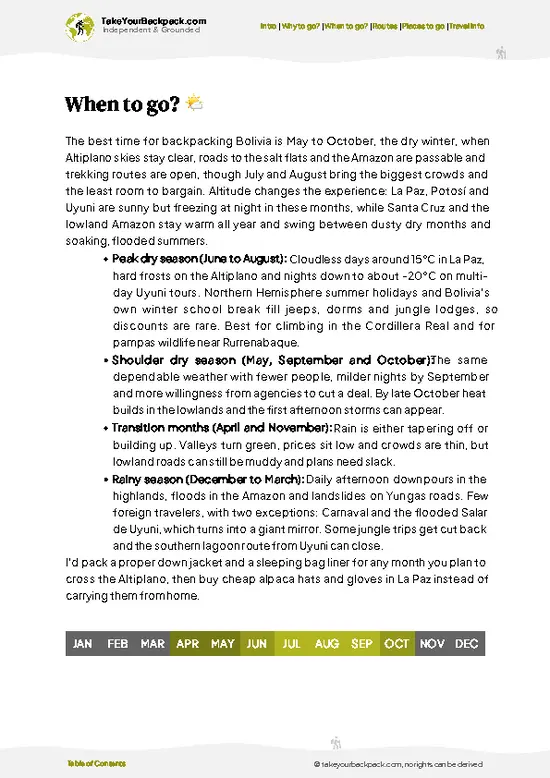
Seasonality shapes the festival landscape in Bolivia, creating a rhythm that pulses with cultural significance. The dry season, from May to October, is prime time for vibrant celebrations. Clear skies and pleasant temperatures invite locals and travelers alike to join in the revelry. This period is marked by the most energetic festivals, where crowds swell, and the atmosphere buzzes with excitement. However, this peak energy comes with higher costs and larger crowds, which can dilute the authenticity of the experience.

Shoulder seasons—April and November—offer a different flavor. The weather remains relatively mild, but the crowds thin out. This is when the festivals may feel more intimate, allowing for deeper connections with local traditions. While some events may be less frequent, the … read more 👉
Seasonality shapes the festival landscape in Bolivia, creating a rhythm that pulses with cultural significance. The dry season, from May to October, is prime time for vibrant celebrations. Clear skies and pleasant temperatures invite locals and travelers alike to join in the revelry. This period is marked by the most energetic festivals, where crowds swell, and the atmosphere buzzes with excitement. However, this peak energy comes with higher costs and larger crowds, which can dilute the authenticity of the experience.

Shoulder seasons—April and November—offer a different flavor. The weather remains relatively mild, but the crowds thin out. This is when the festivals may feel more intimate, allowing for deeper connections with local traditions. While some events may be less frequent, the quieter streets provide a chance to engage with the culture on a more personal level. Prices for accommodations and travel may also drop, making it a more budget-friendly option.

Rainy season, from December to March, presents its own challenges. Heavy rains can disrupt travel plans and limit access to certain areas. Festivals during this time may be less predictable, but they often showcase the resilience of local communities. The atmosphere can be electric, with fewer tourists and a raw, unfiltered experience. However, travelers should be prepared for muddy conditions and potential cancellations.

Understanding these seasonal dynamics is crucial for planning. The choice between peak energy and quieter moments will shape the festival experience. Each season offers its own rewards and challenges, making it essential to align travel plans with personal preferences for crowd levels, costs, and cultural immersion.

festival hoppingOptimizing Your Multi-Stop Itinerary

Traveling through Bolivia’s festivals requires a strategic approach to maximize experiences while minimizing chaos. Start in La Paz, the cultural heartbeat, where the vibrant celebrations of the Alasitas Festival in January kick off the year. This festival is a whirlwind of miniature offerings and local traditions, setting the tone for your journey. From La Paz, head south to Oruro for the famous Carnaval in February. This event is a sensory overload of color, music, and dance, drawing massive crowds. Plan to spend at least two days here to soak in the full spectacle.

Next, move east to Potosí, where the Festival of the Virgin of Socavón in early March offers a more intimate experience. This festival is less crowded but rich in tradition, allowing for deeper connections with locals. Allocate read more 👉
Traveling through Bolivia’s festivals requires a strategic approach to maximize experiences while minimizing chaos. Start in La Paz, the cultural heartbeat, where the vibrant celebrations of the Alasitas Festival in January kick off the year. This festival is a whirlwind of miniature offerings and local traditions, setting the tone for your journey. From La Paz, head south to Oruro for the famous Carnaval in February. This event is a sensory overload of color, music, and dance, drawing massive crowds. Plan to spend at least two days here to soak in the full spectacle.

Next, move east to Potosí, where the Festival of the Virgin of Socavón in early March offers a more intimate experience. This festival is less crowded but rich in tradition, allowing for deeper connections with locals. Allocate a day for this stop, balancing the high-energy Carnaval with a more reflective celebration.

Continue your journey to Sucre, where the Festival of the Cross in May brings a lively atmosphere filled with floral decorations and local cuisine. Spend a day here, enjoying the festivities and the charming colonial architecture. After Sucre, head north to Cochabamba for the Festival of the Virgin of Urkupiña in August. This festival combines religious devotion with cultural pride, making it a must-see. Plan for two days to fully engage with the events.

Common mistakes include over-scheduling and underestimating travel times. Bolivia’s roads can be unpredictable, so allow for flexibility. Prioritize comfort over speed; long bus rides can be exhausting. Balancing budget and experience is crucial; consider local accommodations that enhance cultural immersion. Ultimately, the reward lies in the rich tapestry of experiences, from the bustling streets of La Paz to the serene celebrations in Sucre. Embrace the journey, and let the festivals unfold at their own pace.

The ListTop festivals of Bolivia

1 Oruro Carnival

UNESCO heritage, massive processions, symbolic choreography

Join crowds lining the streets as performers enact centuries-old stories with intricate dances, vibrant music, and symbolic pageantry recognized worldwide.

2 Gran Poder

La Paz streets, folkloric parades, indigenous dance troupes

Experience a city transformed by processions where thousands of dancers and musicians celebrate religious devotion and urban identity through movement and costume.

3 Virgen de Urkupiña

pilgrimage, Cochabamba, religious offerings

Follow pilgrims as they converge on a hillside shrine, blending faith, music, and local traditions in a festival centered on devotion and communal gathering.

4 Diablada

devil masks, Andean mythology, ornate costumes

Watch dancers in elaborate devil attire perform ritual steps that blend pre-Columbian beliefs with Catholic symbolism in a dramatic public spectacle.

5 Tinku

ritual combat, rural highlands, traditional attire

Observe a gathering where communities meet for ceremonial clashes, expressing ancient customs and social bonds through music, dance, and physical contest.

Loading the map 🌍

Expert viewExpert Commentary on festivals

Energy

Bolivia’s festivals pulse with life, each one a vibrant expression of culture, history, and community. You’ll want to dive into at least three major festivals to truly grasp the country’s spirit. Each festival offers a unique flavor, from the explosive energy of Carnaval to the solemnity of Día de los Muertos. The key is timing; plan your trip around these events to maximize your experience.

Seasonal Timing

Festivals in Bolivia are often tied to the agricultural calendar, so understanding the seasons is crucial. Carnaval, for instance, kicks off just before Lent, usually in February or March. Expect a whirlwind of parades, costumes, and street parties. But don’t overlook the Andean New Year in late June, where the winter solstice is celebrated with rituals that connect you to the … read more 👉
Energy

Bolivia’s festivals pulse with life, each one a vibrant expression of culture, history, and community. You’ll want to dive into at least three major festivals to truly grasp the country’s spirit. Each festival offers a unique flavor, from the explosive energy of Carnaval to the solemnity of Día de los Muertos. The key is timing; plan your trip around these events to maximize your experience.

Seasonal Timing

Festivals in Bolivia are often tied to the agricultural calendar, so understanding the seasons is crucial. Carnaval, for instance, kicks off just before Lent, usually in February or March. Expect a whirlwind of parades, costumes, and street parties. But don’t overlook the Andean New Year in late June, where the winter solstice is celebrated with rituals that connect you to the earth. Each festival has its own rhythm, and the atmosphere shifts dramatically with the seasons.

Cultural Context

The cultural context is rich and layered. Many festivals blend indigenous traditions with colonial influences, creating a tapestry of rituals that reflect Bolivia’s diverse heritage. For example, during the Festival of the Virgin of Socavón, you’ll witness a mix of Catholic and indigenous practices, with dancers adorned in elaborate costumes. This isn’t just a show; it’s a living history lesson. Engage with locals, ask questions, and you’ll find that each festival has stories woven into its fabric.

Crowd Management

Crowds can be overwhelming, especially during peak festivals. Arrive early to snag a good spot for viewing parades or performances. If you’re not keen on the chaos, consider attending smaller, local festivals that offer a more intimate experience. These often occur in the weeks leading up to the larger events and can provide a more authentic glimpse into local culture. Just remember, the energy of the crowd can be infectious, so don’t shy away from the chaos entirely.

Budget and Comfort Considerations

Budgeting for festivals can be tricky. While many events are free, you’ll want to factor in costs for food, accommodations, and transportation. Street food is a must-try, but be prepared for varying levels of hygiene. If you’re sensitive to that, stick to vendors with long lines—locals know where to find the good stuff. Accommodations can fill up quickly, so book ahead, especially for major festivals. Consider staying in hostels or guesthouses for a more communal vibe, but be ready for shared spaces and the occasional late-night revelry.

Planning and Prioritizing

When planning your festival itinerary, prioritize based on your interests. If you’re drawn to music and dance, Carnaval is a no-brainer. If you’re more into spiritual experiences, the Andean New Year will resonate deeply. Each festival has its own vibe, so think about what you want to take away from the experience.

Regional Variation

Bolivia is diverse, and so are its festivals. The highlands celebrate with traditional dances and music, while lowland regions might focus on food and community gatherings. This regional variation means you can experience different aspects of Bolivian culture depending on where you are. Be flexible in your plans; sometimes the best experiences come from stumbling upon a local celebration that wasn’t on your radar.

Safety and Cultural Considerations

Safety is paramount, especially in crowded settings. Keep your belongings close and be aware of your surroundings. While Bolivians are generally welcoming, it’s essential to respect local customs. Dress modestly, especially during religious festivals, and be mindful of photography—ask before snapping pictures of people or sacred sites. Engaging with locals can enrich your experience, but approach with humility and curiosity.

Trade-offs and Constraints

One meaningful trade-off is the balance between experiencing the festival and the physical toll it can take. Festivals often involve long days of standing, dancing, and navigating crowded streets. If you’re not up for the hustle, consider attending smaller, less intense events. You’ll still get a taste of the culture without the exhaustion.

In the end, Bolivia’s festivals are not just events; they’re a celebration of life, community, and resilience. Each festival invites you to step into a world where joy and tradition collide. Embrace the chaos, savor the moments, and let the energy of the streets carry you through. The rewards are as rich as the experiences themselves.

✈️ The backpacker research shortcutBolivia Travel Guide

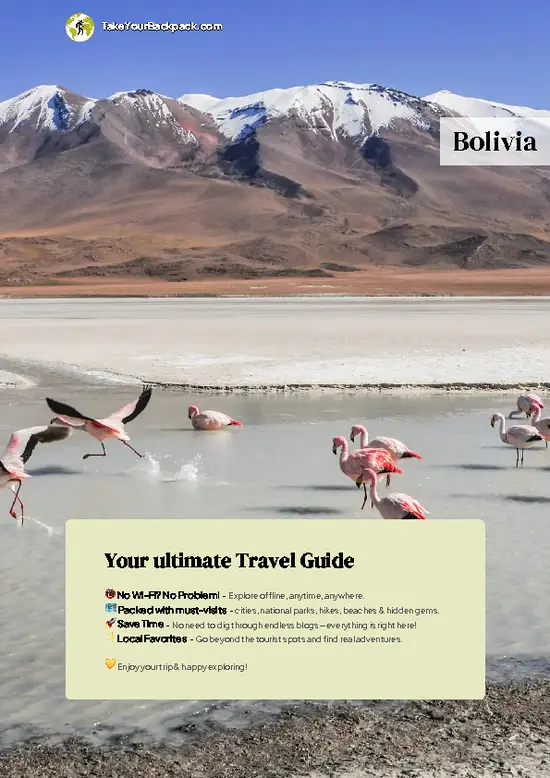
An offline-friendly backpacking guide with optimized travel routes, ranked highlights, transport advice, and the best areas to stay.
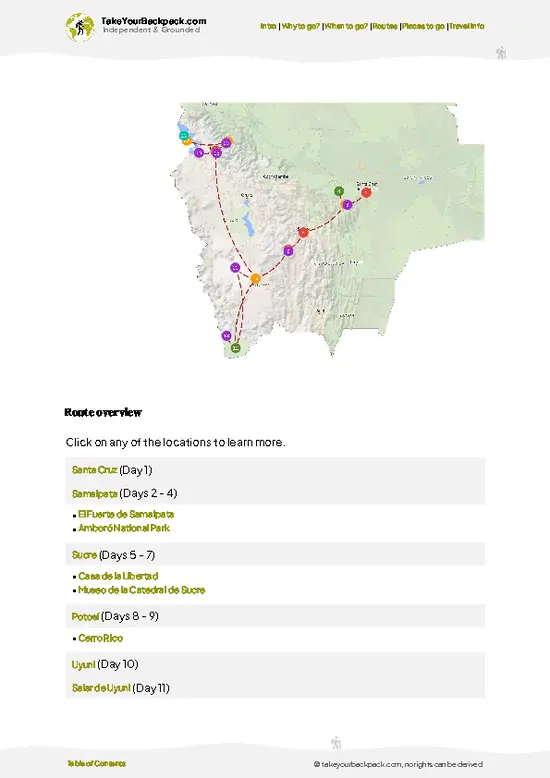
example page 0 from our offline Travel Guide for Bolivia
example page 1 from our offline Travel Guide for Bolivia
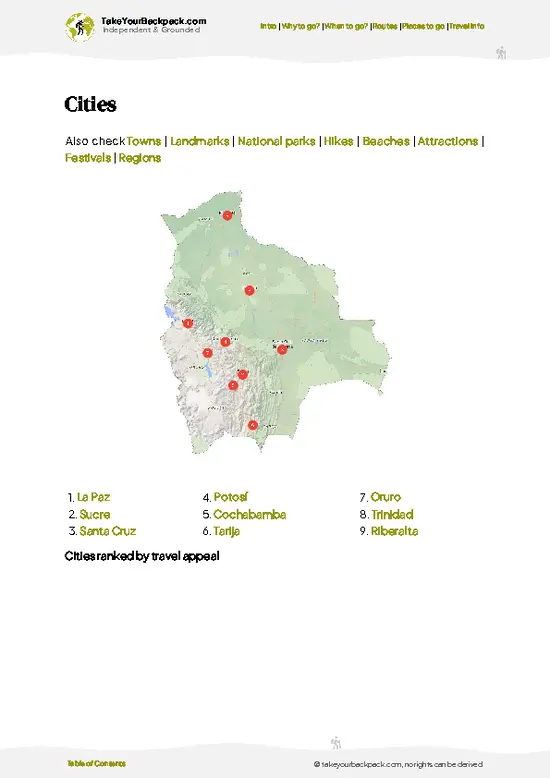
example page 2 from our offline Travel Guide for Bolivia
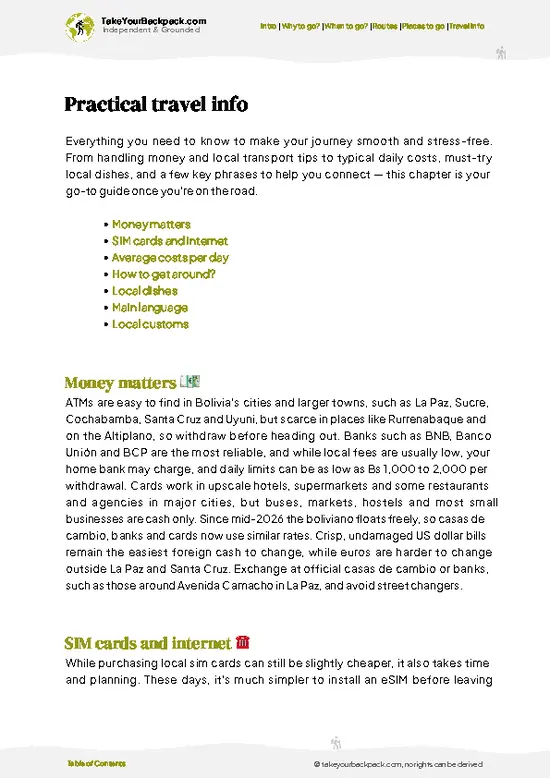
example page 3 from our offline Travel Guide for Bolivia
example page 4 from our offline Travel Guide for Bolivia
example page 5 from our offline Travel Guide for Bolivia
example page 6 from our offline Travel Guide for Bolivia
example page 7 from our offline Travel Guide for Bolivia
The digital guide (350 pages) contains:
82 highlights, ranked by travel appeal
Optimized 7, 14 & 21-day travel routes
Cities, national parks, landmarks, beaches
How to get around
Offline-friendly for travel without Wi-Fi
👉 Click to see all 30+ guide features

📅 Plan smarter in minutes, not weeks
Month by month travel advice
Festivals & national holidays
Budget expectations

🗺️ Go to the right places, skip the overrated ones
Honest pros & cons of destinations
Top hikes, parks & viewpoints
Lesser-known places most travelers miss
Clear “worth it vs skip it” guidance

🛏️ Travel smoothly without rookie mistakes
Best areas to stay
Transport systems explained simply
Common scams & safety advice
SIM cards, money & practical tips

🌍 Understand the country, not just visit it
Culture & traditions
52 Essential phrases & customs
Festivals worth planning around
Traveler-friendly historical context
Insights that make places more meaningful

📱 Built for real travel conditions
Fully downloadable PDF
Works completely offline
Optimized for phone use
Useful in remote areas & buses
Everything in one place
Save weeks of stressful planning
Get instant access to your full guide. 30‑day money-back guarantee.


By proceeding you agree to our terms.
Sent to your inbox immediately after payment • 100% Secure Checkout
Best Backpacking Travel Advisor 2025 tourism awardBest Backpacking
Travel Advisor
2025
What others say about Take Your Backpack Guides:
⭐⭐⭐⭐⭐
Fantastic, amazing amount of information!
⭐⭐⭐⭐⭐
My goodness this is amazing, it's what I've been looking for hats off too you!
⭐⭐⭐⭐⭐
I think this is absolutely BRILLIANT
⭐⭐⭐⭐
Very complete and informative. It's still missing places, but I gotta to commend you
⭐⭐⭐⭐⭐
This is truly amazing, thank you, can't wait to explore it with my kids!
⭐⭐⭐⭐⭐
Awesome resource, thank you!
⭐⭐⭐⭐⭐
This is amazing! Can't wait to explore the ones I haven't seen
⭐⭐⭐⭐
I love this! Well done, great idea.
⭐⭐⭐⭐⭐
Thanks for taking the time to make this gem!
⭐⭐⭐⭐⭐
This might be the best website I've ever seen.
⭐⭐⭐⭐⭐
Congratulations, and thank you so much for your work; it's incredibly valuable.
⭐⭐⭐⭐
In all seriousness I think you did a great job pointing out the important spots
⭐⭐⭐⭐⭐
10/10 very good
⭐⭐⭐⭐⭐
As someone who's only just starting to visit regularly this is awesome, thank you.
⭐⭐⭐⭐
Thank you very much! I'm going to visit my dad, it's going to be very useful!
⭐⭐⭐⭐⭐
This is really cool! We'll be travelling for the first time and this definitely come in handy.
⭐⭐⭐⭐⭐
You are now our minister of culture, congratulations 👨‍💼
⭐⭐⭐⭐⭐
Just wanted to tell you that this is a pearl! Going to follow your recommendations.
⭐⭐⭐⭐⭐
This is so cool. I'll definitely be using the resource for my travels soon.
⭐⭐⭐⭐⭐
This is very impressive! Good work.
⭐⭐⭐⭐⭐
This is an amazing and informative site. Very well done!

🛏️ Where to stay?Where to Base Yourself

Yes — Bolivia has plentiful hostels and budget accommodation across major tourist towns like La Paz, Sucre, Santa Cruz, Uyuni, Copacabana, Potosí and Cochabamba, with most options concentrated near city centers and popular plazas.
In La Paz prioritize Sopocachi for nightlife, mid-range safety and cafes, Centro/Plaza Murillo for closest access to markets and attractions but higher crowds and pickpocket risk, and Zona Sur for quieter, safer stays that are farther from main tourist sites.
Sucre’s Centro and Recoleta are walkable and historic yet sometimes pricier; Santa Cruz clusters budget options in Equipetrol (safer, better nightlife) and Centro (cheaper, busier); Uyuni and Copacabana put … read more 👉
Yes — Bolivia has plentiful hostels and budget accommodation across major tourist towns like La Paz, Sucre, Santa Cruz, Uyuni, Copacabana, Potosí and Cochabamba, with most options concentrated near city centers and popular plazas.
In La Paz prioritize Sopocachi for nightlife, mid-range safety and cafes, Centro/Plaza Murillo for closest access to markets and attractions but higher crowds and pickpocket risk, and Zona Sur for quieter, safer stays that are farther from main tourist sites.
Sucre’s Centro and Recoleta are walkable and historic yet sometimes pricier; Santa Cruz clusters budget options in Equipetrol (safer, better nightlife) and Centro (cheaper, busier); Uyuni and Copacabana put hostels steps from transport and highlights but often offer very basic facilities; Potosí and Cochabamba have central, inexpensive choices close to attractions but with fewer amenities and less frequent transport.

If you enjoy meeting fellow travelers, consider choosing hostels with high ratings for atmosphere. On the other hand, if you prefer having your own space, a hotel might be a better option.

BoliviaExpand Your Journey

👋 Meet the founderWho’s Behind Take Your Backpack?

Johan, backpacker and founder of TakeYourBackpackHi, I’m Johan (Netherlands 🇳🇱), the creator of TakeYourBackpack. Over the past decade, I’ve backpacked through 80+ countries across six continents, gaining extensive experience with independent travel, long-term trips, and overland routes.

This site is built on a combination of firsthand travel experience and carefully curated insights from other backpackers. Many guides are based on places I’ve personally visited, while others bring together tips, observations, and practical advice shared by trusted travelers I’ve met along the way.

The goal is to provide realistic, experience-driven guidance — not generic itineraries — so you can explore destinations with better context, clearer expectations, and more confidence.

Get full Bolivia guide •
Instant download • 82 highlights • Full Offline guide