How many beaches: Plan for
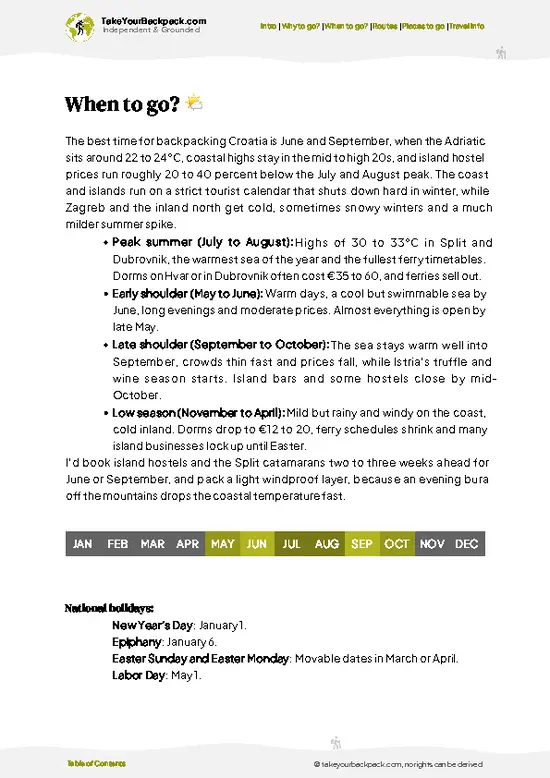
one beach per day, and no more than two on any day. Croatia’s beach life runs on slow mornings, long swims and a late lunch, and the transfers eat more time than the map suggests. Over a week, five or six swims are plenty, with the spare days left for old towns and hikes.
Which kind to prioritize: Choose by travel style. Budget travelers do best with
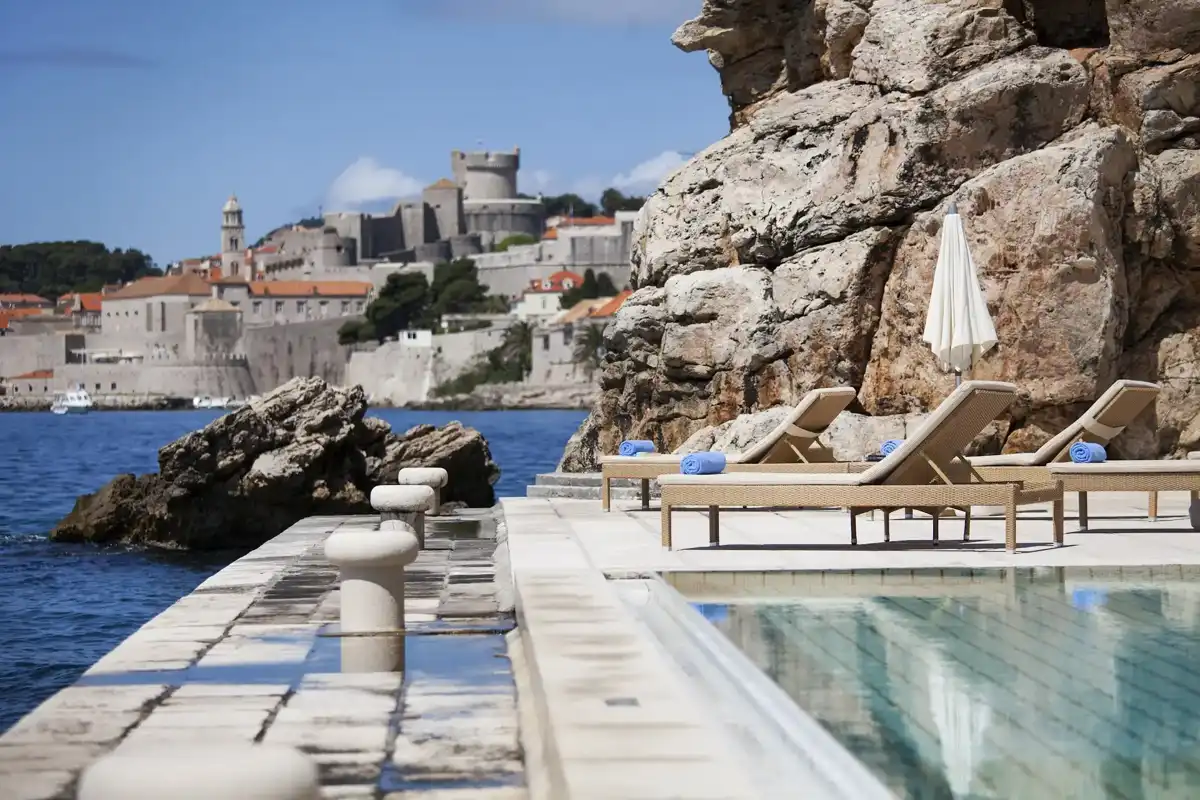
town beaches and rocky platforms a short walk from a hostel, which cost nothing and need no transport. Social backpackers will find the busiest scenes at beach clubs on Hvar, Zrće on Pag and the larger Split-area beaches. If you want calm, aim for
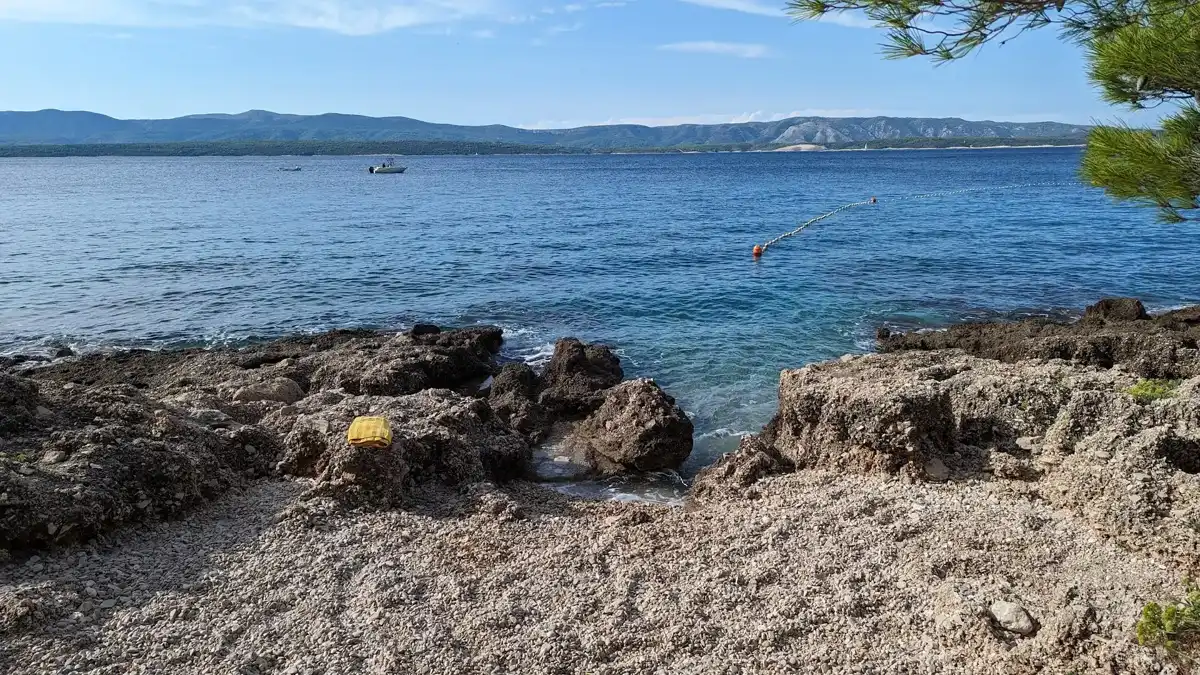
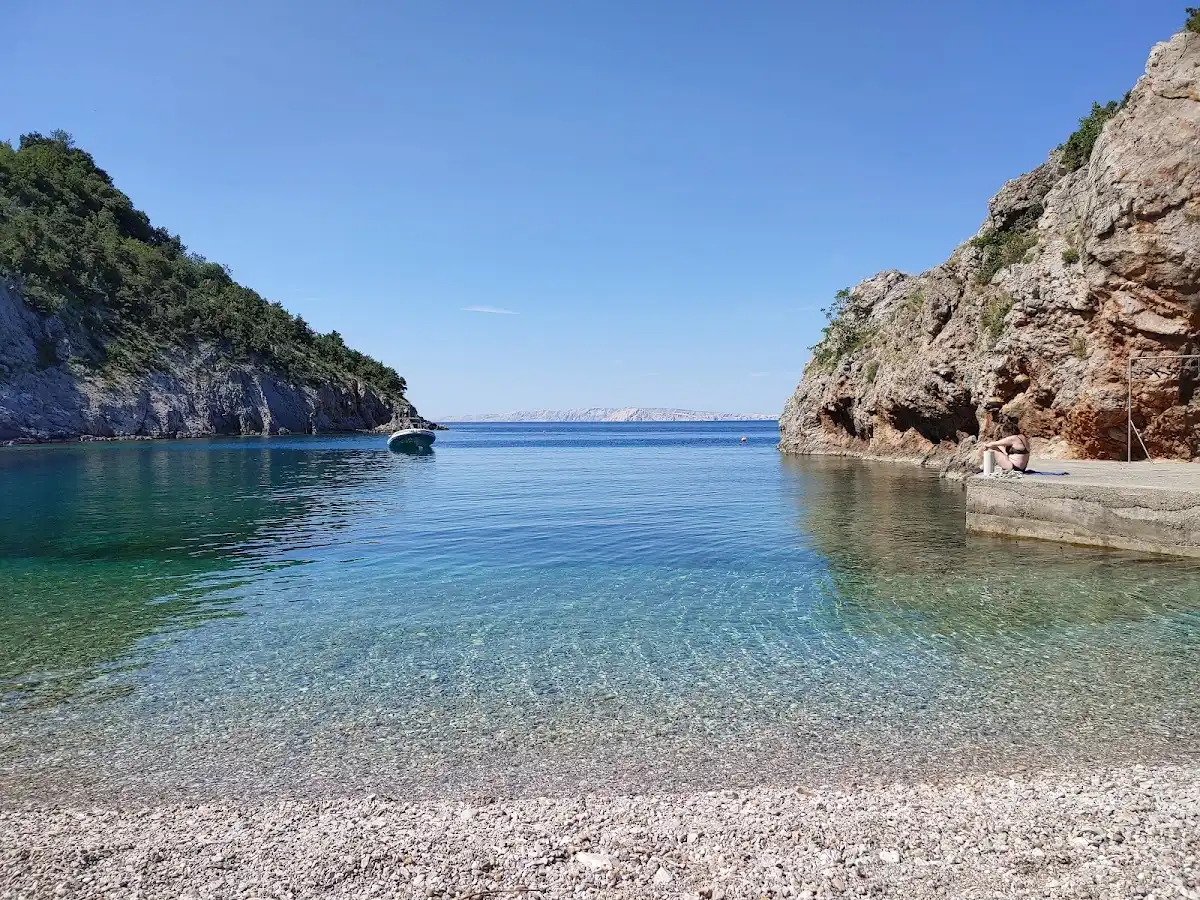
pebble coves on smaller islands and the northern Istrian shores, where you will often swim alone before noon. Families and non-confident swimmers do better on gently sloping …
read more 👉 How many beaches: Plan for
one beach per day, and no more than two on any day. Croatia’s beach life runs on slow mornings, long swims and a late lunch, and the transfers eat more time than the map suggests. Over a week, five or six swims are plenty, with the spare days left for old towns and hikes.
Which kind to prioritize: Choose by travel style. Budget travelers do best with
town beaches and rocky platforms a short walk from a hostel, which cost nothing and need no transport. Social backpackers will find the busiest scenes at beach clubs on Hvar, Zrće on Pag and the larger Split-area beaches. If you want calm, aim for
pebble coves on smaller islands and the northern Istrian shores, where you will often swim alone before noon. Families and non-confident swimmers do better on gently sloping pebble shores than on the rocky drop-offs.
What it costs: Plan
US$45 to 80 a day in summer on a backpacker budget, including a dorm bed (€25 to 50), supermarket lunches and local buses. Most public beaches are free, but loungers and umbrellas run roughly €15 to 30 a pair, beach parking €5 to 15 a day, and water taxis to remote coves €5 to 20 each way. A boat tour with swim stops is roughly €40 to 100. Pack a lunch, since beach-bar sandwiches and drinks cost noticeably more than in town shops.
Safety and etiquette: The main hazard is
sea urchins on rocky shores. Water shoes prevent most injuries, and a spine stuck in a foot is a nuisance rather than an emergency. Currents are usually mild, but wind can make the sea choppy, and a calm morning often turns rough by afternoon, so stay near the shore. The sun is intense from late morning, so bring reef-safe sunscreen and shade. Leave nothing on the stones, because litter fines and dry-scrub fire risk are real in summer, and take your trash with you.
Local manners: Nudist beaches are marked FKK, and photographing anyone there is unwelcome. Topless sunbathing is widely accepted, but cover up when walking through town. Swimwear belongs on the beach, and walking in shirtless may bring a fine in some coastal towns. The details that make it worth the trip are small ones: water you can see straight through, an early swim before the day boats arrive, and the late-afternoon light on limestone.








 Best Backpacking
 Hi, I’m Johan (Netherlands 🇳🇱), the creator of TakeYourBackpack. Over the past 3 decades, I’ve backpacked through 90+ countries across six continents, gaining extensive experience with independent travel, long-term trips, and overland routes.