How many villages: Plan on four to six villages for a trip of one to two weeks. Fewer than four and you pay for long transfers without enough variety. More than six and every place becomes a checklist: you arrive, photograph a lane, eat a sandwich and leave. Villages in Italy work on a slow clock, with a late-afternoon passeggiata, long dinners and quiet mornings, and that rhythm needs at least one night in each place. Day-tripping a famous village at noon is not worth the time. The streets are full, shops sell the same souvenirs, and the atmosphere appears only after the coaches leave.
Which kind to prioritize: Choose by travel style. For first-timers and anyone relying on public transport, hill towns in Tuscany, Umbria and the Marche are the safest bet: good rail links, plenty of beds, and …
read more 👉 How many villages: Plan on four to six villages for a trip of one to two weeks. Fewer than four and you pay for long transfers without enough variety. More than six and every place becomes a checklist: you arrive, photograph a lane, eat a sandwich and leave. Villages in Italy work on a slow clock, with a late-afternoon passeggiata, long dinners and quiet mornings, and that rhythm needs at least one night in each place. Day-tripping a famous village at noon is not worth the time. The streets are full, shops sell the same souvenirs, and the atmosphere appears only after the coaches leave.
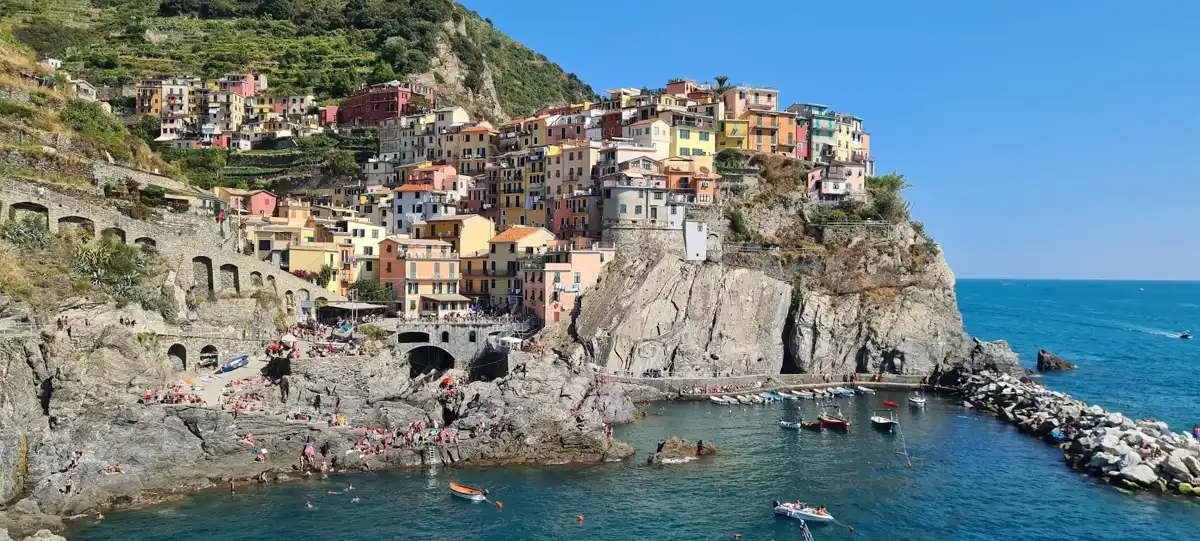
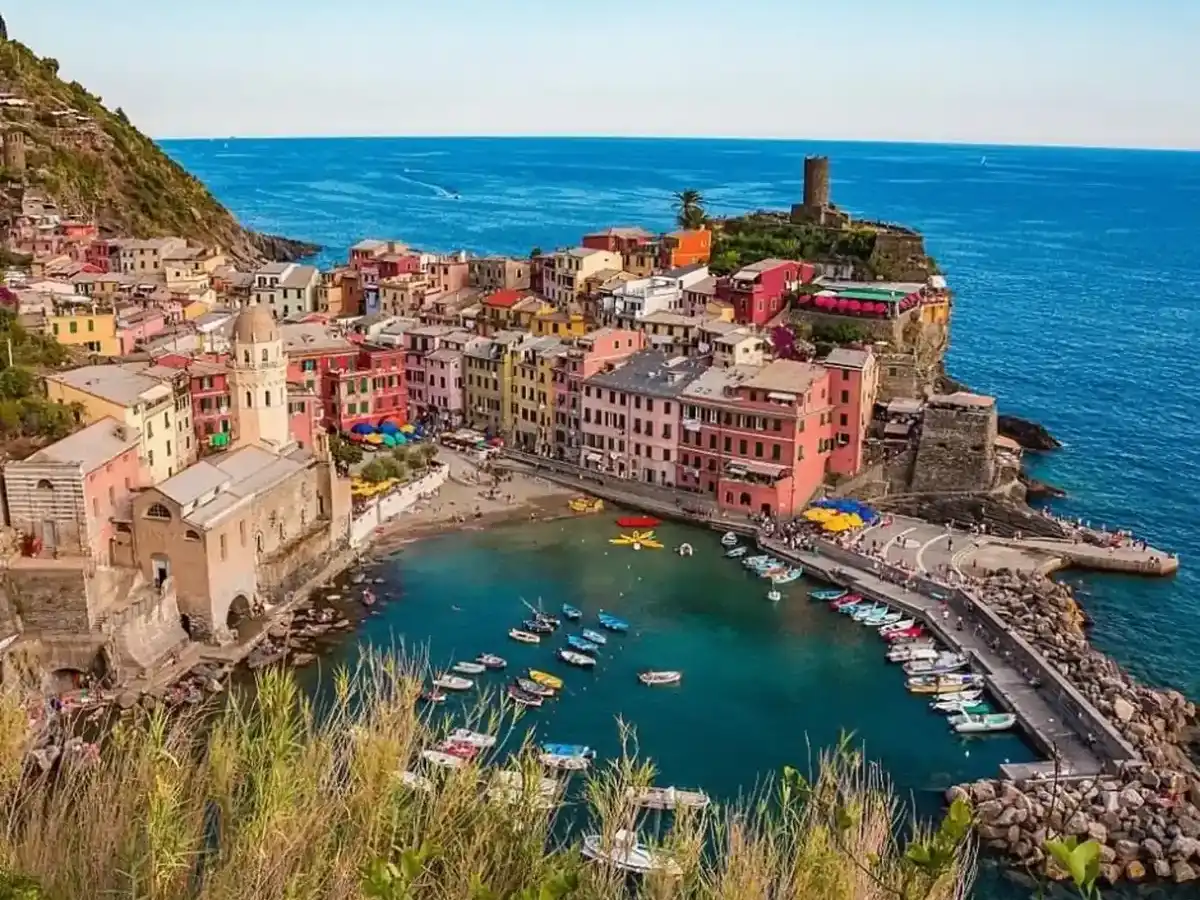
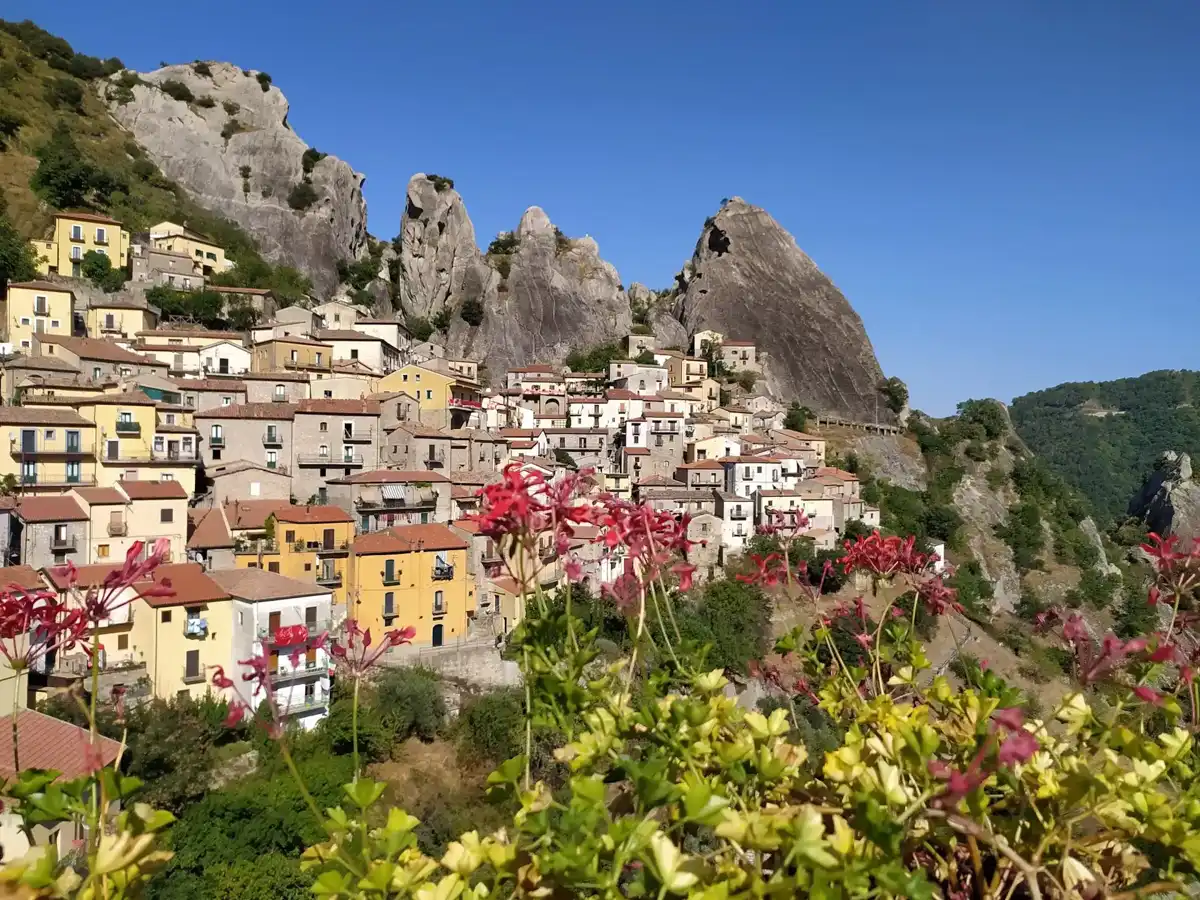
Which kind to prioritize: Choose by travel style. For first-timers and anyone relying on public transport, hill towns in Tuscany, Umbria and the Marche are the safest bet: good rail links, plenty of beds, and walkable centers. For hikers, the Dolomites, Aosta Valley and the Cinque Terre footpaths are the pick, though the Cinque Terre is the most overcrowded stretch in the country and best done in May or October. For food and wine travelers, Piedmont, Emilia-Romagna and Friuli are stronger than any other region. For the lowest costs and fewest tourists, go to Basilicata, Molise, Calabria or inland Sicily, accepting that you will probably need a car. Coastal villages on the Amalfi coast are the weakest value: rooms often run €150 to 300 in summer, buses are packed, and the experience is mostly traffic and queues.
What it costs: A realistic budget for backpackers is €50 to 80 a day in the north and center, and €35 to 60 in the south. That covers a dorm bed or simple room at €25 to 50, a bakery breakfast, a €10 to 15 lunch of pasta or a panino, and a €15 to 25 dinner. A private room in a village guesthouse costs €50 to 90 in season. Entry fees are low: most villages are free to wander, with churches often free and a castle or museum usually €3 to 10. Guided walks run €10 to 25 a person. Regional trains cost €5 to 15 per leg, local buses €2 to 6, and a rental car €35 to 70 a day plus fuel and tolls, with limited-traffic zone fines of €80 or more if you drive into a historic center. Tourist taxes of €1 to 5 a night are charged on top of the room rate and paid in cash at some places. Carry cash, since small shops and some trattorias still prefer it.
Safety and etiquette: Villages are very safe, with petty crime rare compared with Rome or Naples. The real risks are practical: steep, uneven stone steps that are slick in rain, summer heat above 35°C, and driving on narrow mountain roads with blind bends. Mountain weather in the Alps and Apennines changes fast, so carry a rain layer even in summer.
Cultural habits matter more. Greet shopkeepers with “buongiorno” when you enter, and expect lunch and dinner to be unhurried. Dinner rarely starts before 7:30 pm. Dress modestly for churches, with shoulders and knees covered. Keep voices low in residential lanes, where many homes sit directly on the street, and ask before photographing people. Do not order a cappuccino after a meal; it marks you as a tourist and wins you no favors. A coffee standing at the bar costs about €1.20 to 1.50, and sitting at a table costs more.
Book ahead only for peak weekends and festivals. Otherwise, leave a day open: the best village stays are often discovered by chance.



 Best Backpacking
 Hi, I’m Johan (Netherlands 🇳🇱), the creator of TakeYourBackpack. Over the past 3 decades, I’ve backpacked through 90+ countries across six continents, gaining extensive experience with independent travel, long-term trips, and overland routes.