×

Netherlands🇳🇱 | best landmarksYour Guide to the 6 Best landmarks in The Netherlands

In the Netherlands, unique sites are defined by their cultural, historical, and natural significance, offering a rich tapestry of experiences that vary widely across regions. From the iconic windmills of Kinderdijk to the vibrant street art in Amsterdam, each location presents a different vibe, influenced by local traditions and seasonal changes.

Choosing the right unique site can dramatically impact your backpacking journey, affecting your budget, safety, and ease of travel. For instance, visiting the tulip fields in spring offers a breathtaking spectacle, while winter brings cozy markets and fewer crowds. Understanding these nuances allows for deeper cultural immersion and a more rewarding experience, making your independent travel in the Netherlands not just a trip, but a journey of discovery.

By Johan Kruseman 🇳🇱 | Updated June 11, 2026
Explore the best national parks in The Netherlands

Why go?Key Factors That Shape the Experience

The unique sites in The Netherlands stand out due to their rich cultural and historical significance, shaped by centuries of maritime trade, artistic innovation, and social progress. Unlike many countries, The Netherlands has a remarkable ability to blend its heritage with modern life, making its unique sites not just relics but living parts of the community. This dynamic creates an immersive experience that goes beyond mere sightseeing.

However, the country’s geographic layout presents trade-offs. While many sites are accessible via an efficient public transport system, some of the most profound experiences require a bit of travel. This means that while you can easily hop from one site to another, deeper exploration often demands more time and planning. The trade-off here is between convenienceread more 👉
The unique sites in The Netherlands stand out due to their rich cultural and historical significance, shaped by centuries of maritime trade, artistic innovation, and social progress. Unlike many countries, The Netherlands has a remarkable ability to blend its heritage with modern life, making its unique sites not just relics but living parts of the community. This dynamic creates an immersive experience that goes beyond mere sightseeing.

However, the country’s geographic layout presents trade-offs. While many sites are accessible via an efficient public transport system, some of the most profound experiences require a bit of travel. This means that while you can easily hop from one site to another, deeper exploration often demands more time and planning. The trade-off here is between convenience and depth; quick visits may yield surface-level understanding, while longer stays can unlock the stories behind the sites.

The climate also plays a role. The best times to visit often coincide with peak tourist seasons, leading to crowded experiences at popular sites. Off-peak travel can offer a more intimate connection but may limit access to certain events or activities. Understanding these nuances allows travelers to navigate the unique landscape of The Netherlands more effectively, ensuring that each visit is not just a checklist but a meaningful journey.
Why These Made the Cut
The list of best unique sites in The Netherlands is created based on history or culture, wow factor, atmosphere, quirks, and memorability. If you feel a unique site is missing in this list, please let us know.

When to go?Timing Your Visit for the Best Experience

Seasonality plays a crucial role in experiencing unique sites across The Netherlands. The weather varies significantly, impacting visibility and preservation conditions. Spring, particularly April and May, is often ideal. The temperatures are mild, and the famous flower fields bloom, enhancing the visual appeal of landscapes. However, this is also peak tourist season, leading to larger crowds and higher prices.

Summer brings warmer weather, but it can also mean increased humidity and occasional rain. While many outdoor sites are accessible, the heat can affect comfort levels. This season attracts the largest crowds, especially during school holidays, which may limit access to popular attractions.

Autumn offers a sweet spot for travelers. The weather remains pleasant, and the fall foliage … read more 👉
Seasonality plays a crucial role in experiencing unique sites across The Netherlands. The weather varies significantly, impacting visibility and preservation conditions. Spring, particularly April and May, is often ideal. The temperatures are mild, and the famous flower fields bloom, enhancing the visual appeal of landscapes. However, this is also peak tourist season, leading to larger crowds and higher prices.

Summer brings warmer weather, but it can also mean increased humidity and occasional rain. While many outdoor sites are accessible, the heat can affect comfort levels. This season attracts the largest crowds, especially during school holidays, which may limit access to popular attractions.

Autumn offers a sweet spot for travelers. The weather remains pleasant, and the fall foliage adds a unique charm to the scenery. Crowds thin out after summer, leading to a more relaxed experience. However, as the season progresses, some sites may begin to close for maintenance or seasonal preservation.

Winter presents its own challenges. Cold temperatures and shorter days can limit visibility and accessibility. Some unique sites may close or operate on reduced hours. Yet, winter can also provide a quieter atmosphere, allowing for a more intimate exploration of the landscape, albeit with the trade-off of harsher conditions.

Understanding these seasonal dynamics enables more strategic planning, ensuring a smoother experience while visiting unique sites in The Netherlands.

unique site hoppingHow to Combine landmarks Into One Trip

General Routing Logic

To maximize your experience in The Netherlands, start by clustering sites regionally. The country is compact, making it easy to visit multiple unique sites in a single trip. Begin in Amsterdam, where you can explore the Rijksmuseum and Anne Frank House. From there, head to nearby Haarlem for its stunning architecture and the Frans Hals Museum. This direction keeps travel time short and allows for a deeper dive into each location.

Typical Time Needed

Allocate about two to three hours per major site. This pacing allows for exploration without feeling rushed. If you’re visiting smaller attractions or local markets, an hour or so should suffice. Keep in mind that museums often have peak hours; visiting early or late in the day can enhance your experience.

Common Planning

read more 👉

General Routing Logic

To maximize your experience in The Netherlands, start by clustering sites regionally. The country is compact, making it easy to visit multiple unique sites in a single trip. Begin in Amsterdam, where you can explore the Rijksmuseum and Anne Frank House. From there, head to nearby Haarlem for its stunning architecture and the Frans Hals Museum. This direction keeps travel time short and allows for a deeper dive into each location.

Typical Time Needed

Allocate about two to three hours per major site. This pacing allows for exploration without feeling rushed. If you’re visiting smaller attractions or local markets, an hour or so should suffice. Keep in mind that museums often have peak hours; visiting early or late in the day can enhance your experience.

Common Planning Mistakes

One common pitfall is over-scheduling. Trying to cram too many stops into a single day can lead to burnout. Instead, prioritize quality over quantity. Choose a few key sites and allow for spontaneous discoveries along the way.

Trade-offs and Constraints

Consider the trade-offs between speed and depth. A fast-paced itinerary might miss the nuances of local culture. Conversely, a slower approach can lead to richer experiences but may limit the number of sites visited. Balance your budget with comfort; public transport is efficient but renting a bike can offer a more immersive experience. Flexibility is key; be prepared to adjust plans based on local events or weather.

The ListTop landmarks of The Netherlands

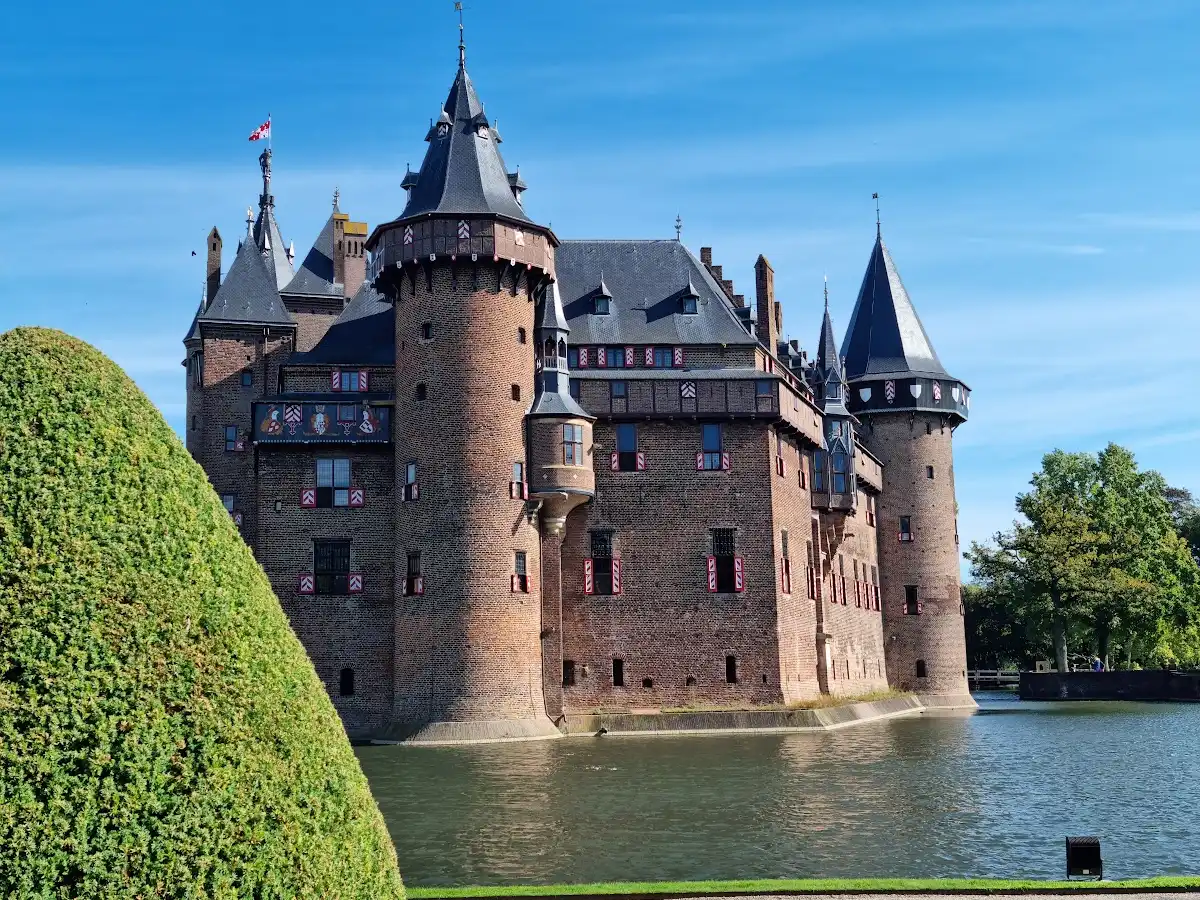
1 Castle de Haar

ornate towers, landscaped gardens, aristocratic interiors, moated estate

Step into a world of lavish halls and manicured grounds, where every detail reflects the tastes of Dutch nobility and their guests.

netherlands-unique-site-castle-de-haar
© Google |

2 Kinderdijk

windmill row, polder landscape, water management, UNESCO site

Watch the interplay of wind, water, and engineering as you walk dikes lined with historic windmills that still shape the land.

3 Giethoorn

canal village, thatched cottages, boat-only lanes, wooden bridges

Glide silently along narrow waterways, passing reed-roofed homes and gardens only accessible by boat or footbridge.

netherlands-unique-site-giethoorn
© Google | Abdelmajid Ouazine

4 Zaanse Schans

working windmills, traditional workshops, green wooden houses, open-air museum

Experience Dutch craft and industry firsthand, from cheese making to sawmills, in a village where heritage trades are still practiced.

5 Muiderslot

medieval fortress, moat, knight displays, riverside location

Wander through ramparts and furnished chambers, discovering how this riverside stronghold guarded trade and power for centuries.

6 Hunebedden (dolmens)

prehistoric stone tombs, Drenthe countryside, megalithic structures, ancient burial sites

Trace the outlines of ancient rituals among massive stones, set in quiet fields that reveal the Netherlands’ oldest human stories.

netherlands-unique-site-hunebedden-dolmens
© Google | Hunebed D27
Loading the map 🌍

Expert viewInsights from Locals and Experts

Understanding Unique Sites
The Netherlands is a patchwork of unique sites, each with its own story and significance. To truly appreciate this diversity, aim for around five to seven unique sites per trip. This range allows you to dive deep without feeling rushed. Each site often reflects a different facet of Dutch culture, history, or innovation. However, the challenge lies in the accessibility and crowd patterns. Some sites are magnets for tourists, especially during peak seasons. Visiting during off-peak hours, like early mornings or late afternoons, can transform your experience from chaotic to contemplative.

Access Constraints
Public transport in the Netherlands is efficient, but not all unique sites are equally accessible. Some may require a short train ride followed by a bike ride … read more 👉
Understanding Unique Sites
The Netherlands is a patchwork of unique sites, each with its own story and significance. To truly appreciate this diversity, aim for around five to seven unique sites per trip. This range allows you to dive deep without feeling rushed. Each site often reflects a different facet of Dutch culture, history, or innovation. However, the challenge lies in the accessibility and crowd patterns. Some sites are magnets for tourists, especially during peak seasons. Visiting during off-peak hours, like early mornings or late afternoons, can transform your experience from chaotic to contemplative.

Access Constraints
Public transport in the Netherlands is efficient, but not all unique sites are equally accessible. Some may require a short train ride followed by a bike ride or a walk. Factor in these logistics when planning. For instance, while a site may be only an hour away by train, the additional time for local transport can double your travel time. Always check the latest schedules and consider purchasing a multi-day transport pass if you plan to hop between sites. This not only saves money but also streamlines your travel experience.

Crowd Patterns
Understanding crowd patterns is crucial. Major sites can become overwhelmed, especially on weekends and holidays. If you’re set on visiting a popular location, consider going on a weekday. Alternatively, explore lesser-known sites that offer similar experiences without the throngs of tourists. This approach not only enriches your journey but also allows for more authentic interactions with locals. The charm of the Netherlands often lies in its quieter corners, where you can engage with the culture more intimately.

Combining Sites
When planning your itinerary, think about how sites can be combined. The Netherlands is compact, making it feasible to visit multiple unique sites in a single day. However, be strategic. Pair sites that are geographically close and have complementary themes. For example, if one site focuses on art, consider pairing it with another that highlights local craftsmanship. This not only enhances your understanding but also makes for a more cohesive experience. Keep in mind that some sites may require advance reservations, so plan accordingly to avoid disappointment.

Time and Budget Considerations
Realistically, expect to spend a few hours at each unique site. This includes travel time, exploration, and perhaps a meal or coffee break. Budget-wise, consider both entrance fees and potential costs for local transport. While some sites are free, others may charge a fee that reflects their significance. Allocate your budget wisely, prioritizing experiences that resonate with you. Remember, it’s often worth splurging on a guided tour or workshop that offers deeper insights into the local culture.

Safety and Cultural Considerations
The Netherlands is generally safe for travelers, but it’s wise to remain aware of your surroundings, especially in crowded areas. Respect local customs and etiquette, which can vary significantly from one region to another. For instance, cycling is a way of life here, and understanding bike lanes and traffic rules is essential for your safety. Engaging with locals can enhance your experience, but be mindful of cultural sensitivities, especially in more traditional areas.

Final Thoughts
Navigating the unique sites of the Netherlands is a rewarding endeavor, but it requires thoughtful planning. By understanding the system of access, crowd dynamics, and regional variations, you can craft an experience that feels both enriching and manageable. Embrace the journey, and let the unique stories of the Netherlands unfold before you.

✈️ The backpacker research shortcutThe Netherlands Travel Guide

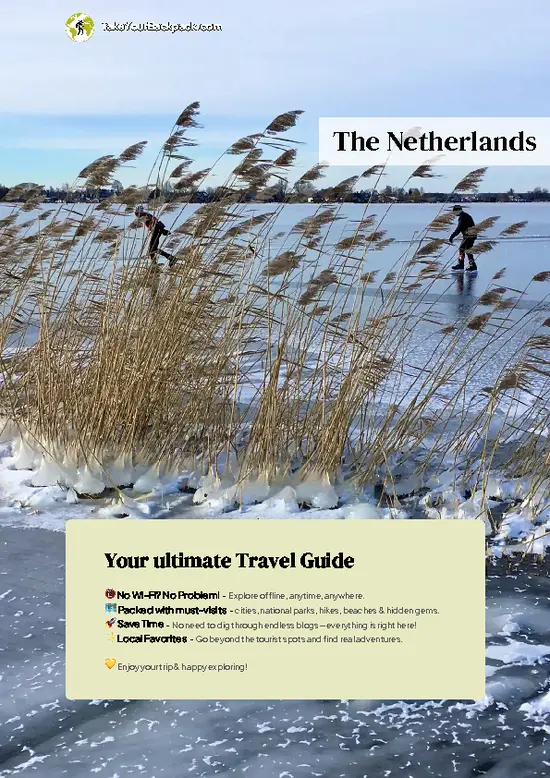
An offline-friendly backpacking guide with optimized travel routes, ranked highlights, transport advice, and the best areas to stay.
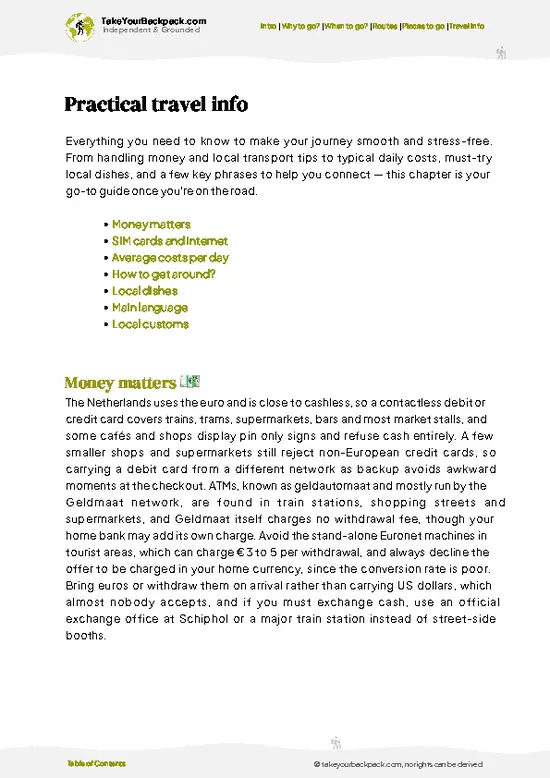
example page 0 from our offline Travel Guide for Netherlands
example page 1 from our offline Travel Guide for Netherlands
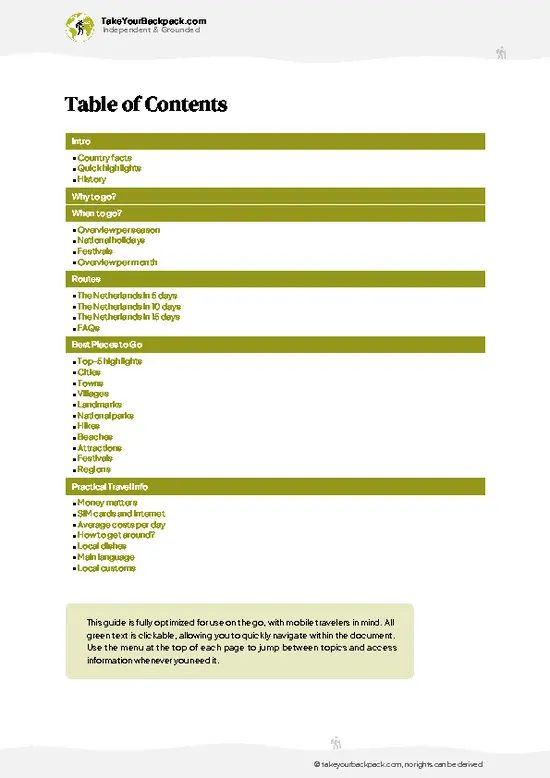
example page 2 from our offline Travel Guide for Netherlands
example page 3 from our offline Travel Guide for Netherlands
example page 4 from our offline Travel Guide for Netherlands
example page 5 from our offline Travel Guide for Netherlands
example page 6 from our offline Travel Guide for Netherlands
example page 7 from our offline Travel Guide for Netherlands
The digital guide (493 pages) contains:
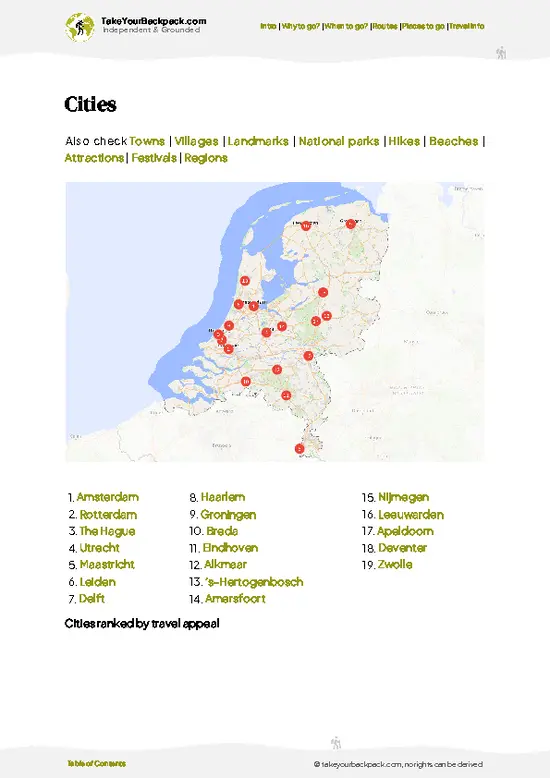
129 highlights, ranked by travel appeal
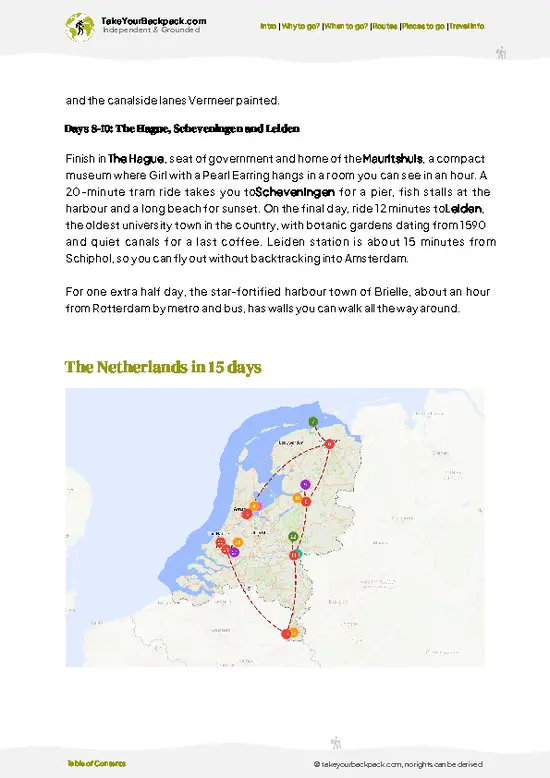
Optimized 5, 10 & 15-day travel routes
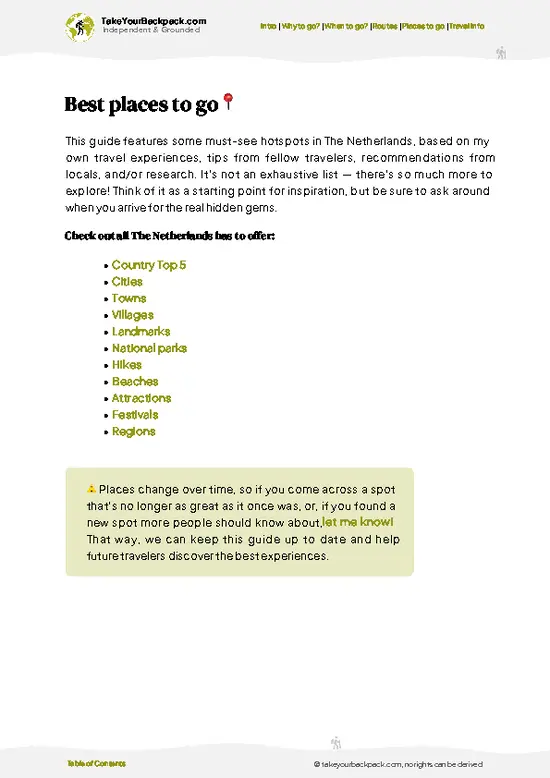
Cities, national parks, landmarks, beaches
How to get around
Offline-friendly for travel without Wi-Fi
👉 Click to see all 30+ guide features

📅 Plan smarter in minutes, not weeks
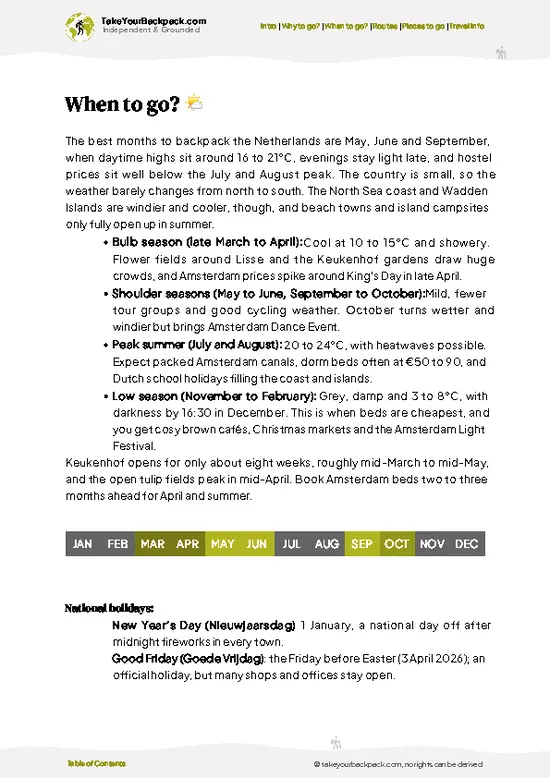
Month by month travel advice
Festivals & national holidays
Budget expectations

🗺️ Go to the right places, skip the overrated ones
Honest pros & cons of destinations
Top hikes, parks & viewpoints
Lesser-known places most travelers miss
Clear “worth it vs skip it” guidance

🛏️ Travel smoothly without rookie mistakes
Best areas to stay
Transport systems explained simply
Common scams & safety advice
SIM cards, money & practical tips

🌍 Understand the country, not just visit it
Culture & traditions
52 Essential phrases & customs
Festivals worth planning around
Traveler-friendly historical context
Insights that make places more meaningful

📱 Built for real travel conditions
Fully downloadable PDF
Works completely offline
Optimized for phone use
Useful in remote areas & buses
Everything in one place
Save weeks of stressful planning
Get instant access to your full guide. 30‑day money-back guarantee.


By proceeding you agree to our terms.
Sent to your inbox immediately after payment • 100% Secure Checkout
Best Backpacking Travel Advisor 2025 tourism awardBest Backpacking
Travel Advisor
2025
What others say about Take Your Backpack Guides:
⭐⭐⭐⭐⭐
Fantastic, amazing amount of information!
⭐⭐⭐⭐⭐
My goodness this is amazing, it's what I've been looking for hats off too you!
⭐⭐⭐⭐⭐
I think this is absolutely BRILLIANT
⭐⭐⭐⭐
Very complete and informative. It's still missing places, but I gotta to commend you
⭐⭐⭐⭐⭐
This is truly amazing, thank you, can't wait to explore it with my kids!
⭐⭐⭐⭐⭐
Awesome resource, thank you!
⭐⭐⭐⭐⭐
This is amazing! Can't wait to explore the ones I haven't seen
⭐⭐⭐⭐
I love this! Well done, great idea.
⭐⭐⭐⭐⭐
Thanks for taking the time to make this gem!
⭐⭐⭐⭐⭐
This might be the best website I've ever seen.
⭐⭐⭐⭐⭐
Congratulations, and thank you so much for your work; it's incredibly valuable.
⭐⭐⭐⭐
In all seriousness I think you did a great job pointing out the important spots
⭐⭐⭐⭐⭐
10/10 very good
⭐⭐⭐⭐⭐
As someone who's only just starting to visit regularly this is awesome, thank you.
⭐⭐⭐⭐
Thank you very much! I'm going to visit my dad, it's going to be very useful!
⭐⭐⭐⭐⭐
This is really cool! We'll be travelling for the first time and this definitely come in handy.
⭐⭐⭐⭐⭐
You are now our minister of culture, congratulations 👨‍💼
⭐⭐⭐⭐⭐
Just wanted to tell you that this is a pearl! Going to follow your recommendations.
⭐⭐⭐⭐⭐
This is so cool. I'll definitely be using the resource for my travels soon.
⭐⭐⭐⭐⭐
This is very impressive! Good work.
⭐⭐⭐⭐⭐
This is an amazing and informative site. Very well done!

🛏️ Where to stay?Accommodation Highlights

Yes — hostels and budget accommodation are common across The Netherlands, concentrated in major cities and transport hubs and ranging from dorm beds to inexpensive private rooms for solo and group travelers.
In Amsterdam pick Centrum/Jordaan for immediate access to canals and museums but expect crowds and higher prices; De Pijp and Oost are livelier and slightly cheaper but can be noisy at night; Rotterdam’s city centre and Kop van Zuid offer modern sights, great transport links and active nightlife but less historic charm; The Hague’s Centrum and Scheveningen give museums or beach access with seasonal crowds on the coast; Utrecht’s Central Station/Oudegracht is compact and walkable with plenty … read more 👉
Yes — hostels and budget accommodation are common across The Netherlands, concentrated in major cities and transport hubs and ranging from dorm beds to inexpensive private rooms for solo and group travelers.
In Amsterdam pick Centrum/Jordaan for immediate access to canals and museums but expect crowds and higher prices; De Pijp and Oost are livelier and slightly cheaper but can be noisy at night; Rotterdam’s city centre and Kop van Zuid offer modern sights, great transport links and active nightlife but less historic charm; The Hague’s Centrum and Scheveningen give museums or beach access with seasonal crowds on the coast; Utrecht’s Central Station/Oudegracht is compact and walkable with plenty of cafes but nightlife concentrates on weekends; Groningen and Maastricht have affordable, student‑centred central areas that are lively after dark but smaller so rooms can fill quickly on weekends.
Most central areas are safe but busy, so pick side streets or suburbs away from main squares and clubs for quieter nights, or book near major train stations for cheaper onward travel and easier day trips.

If you enjoy meeting fellow travelers, consider choosing hostels with high ratings for atmosphere. On the other hand, if you prefer having your own space, a hotel might be a better option.

The NetherlandsSee More of The Netherlands

👋 Meet the founderWho’s Behind Take Your Backpack?

Johan, backpacker and founder of TakeYourBackpackHi, I’m Johan (Netherlands 🇳🇱), the creator of TakeYourBackpack. Over the past decade, I’ve backpacked through 80+ countries across six continents, gaining extensive experience with independent travel, long-term trips, and overland routes.

This site is built on a combination of firsthand travel experience and carefully curated insights from other backpackers. Many guides are based on places I’ve personally visited, while others bring together tips, observations, and practical advice shared by trusted travelers I’ve met along the way.

The goal is to provide realistic, experience-driven guidance — not generic itineraries — so you can explore destinations with better context, clearer expectations, and more confidence.

Get full country guide •
Instant download • 129 highlights • Full Offline guide