×

Philippines🇵🇭 | best landmarksYour Guide to the 5 Best landmarks in Philippines

In the Philippines, unique sites are defined by their cultural, historical, and natural significance. From the rice terraces of Banaue to the underground river in Palawan, each location offers a distinct experience that resonates with the country’s rich heritage. The diversity across regions means that your choice of site can dramatically affect your backpacking journey.

For instance, visiting the Chocolate Hills in Bohol during the dry season provides a different vibe than during the rainy months, impacting accessibility and safety. Similarly, the vibrant festivals in places like Cebu can enhance your cultural immersion but may also lead to larger crowds and higher costs.

Understanding these nuances allows you to navigate your options based on budget, ease of travel, and the depth of your experience. Choosing the right unique site not only shapes your itinerary but also enriches your connection to the Philippines, making your independent travel truly memorable.

By Johan Kruseman 🇳🇱 | Updated June 6, 2026
Explore the best national parks in Philippines

Why go?Why These unique site Stand Out

The unique sites in the Philippines stand out due to their rich cultural heritage, historical significance, and natural beauty, making them distinct from other countries. The archipelago, with over 7,000 islands, offers a tapestry of indigenous cultures influenced by centuries of trade, colonization, and migration. This diversity is reflected in the festivals, art, and traditions that permeate the landscape, providing travelers with a deep connection to the local way of life.

However, accessing these unique sites often involves trade-offs. Many locations are remote, requiring significant travel time. This can mean sacrificing convenience for a more immersive experience. For instance, reaching a secluded beach or a culturally rich village may involve long boat rides or rugged hikes, but the … read more 👉
The unique sites in the Philippines stand out due to their rich cultural heritage, historical significance, and natural beauty, making them distinct from other countries. The archipelago, with over 7,000 islands, offers a tapestry of indigenous cultures influenced by centuries of trade, colonization, and migration. This diversity is reflected in the festivals, art, and traditions that permeate the landscape, providing travelers with a deep connection to the local way of life.

However, accessing these unique sites often involves trade-offs. Many locations are remote, requiring significant travel time. This can mean sacrificing convenience for a more immersive experience. For instance, reaching a secluded beach or a culturally rich village may involve long boat rides or rugged hikes, but the payoff is an authentic glimpse into the local culture, away from the tourist crowds.

The Philippines’ climatic conditions also play a role. The best time to visit often coincides with peak tourist seasons, leading to crowded sites and higher prices. Off-peak travel can offer a more intimate experience, but it also comes with the risk of unpredictable weather, particularly during the rainy season.

Geographically, the islands are scattered, which can complicate logistics. Travelers must weigh the benefits of visiting multiple sites against the time spent in transit. This is where the depth of exploration becomes crucial. Spending more time in fewer locations allows for a richer understanding of the local culture, while a rushed itinerary may lead to superficial experiences.

Ultimately, the unique sites of the Philippines offer a blend of historical depth and natural wonder, but the journey to fully appreciate them requires thoughtful planning and a willingness to embrace the trade-offs.
Why These Made the Cut
The list of best unique sites in Philippines is created based on history or culture, wow factor, atmosphere, quirks, and memorability. If you feel a unique site is missing in this list, please let us know.

When to go?Timing Your Visit for the Best Experience

Seasonality plays a crucial role in experiencing the unique sites of the Philippines. The country has a tropical climate, characterized by a wet season and a dry season. The dry season, typically from November to April, offers the best weather for exploration. Expect clear skies and lower humidity, making it ideal for outdoor activities and site visits.

Optimal Months for visiting are generally December through February. During these months, temperatures are cooler, and rainfall is minimal. This period also coincides with various cultural festivals, adding a vibrant layer to the experience. However, this is peak tourist season, so expect larger crowds and higher prices.

Shoulder Seasons—the months just before and after peak season—can be a savvy choice. Visiting in late October or early … read more 👉
Seasonality plays a crucial role in experiencing the unique sites of the Philippines. The country has a tropical climate, characterized by a wet season and a dry season. The dry season, typically from November to April, offers the best weather for exploration. Expect clear skies and lower humidity, making it ideal for outdoor activities and site visits.

Optimal Months for visiting are generally December through February. During these months, temperatures are cooler, and rainfall is minimal. This period also coincides with various cultural festivals, adding a vibrant layer to the experience. However, this is peak tourist season, so expect larger crowds and higher prices.

Shoulder Seasons—the months just before and after peak season—can be a savvy choice. Visiting in late October or early May can yield a balance of decent weather and fewer tourists. While the weather may be slightly unpredictable, the trade-off often includes lower accommodation costs and a more intimate experience at popular sites.

Peak Periods like Holy Week in March or April can significantly impact access to unique sites. Many locals travel during this time, leading to crowded conditions and limited availability in accommodations. Planning around these dates is essential for a smoother experience.

Seasonal Constraints also come into play. The wet season, from May to October, brings heavy rains and potential typhoons. Many sites may be less accessible, and visibility can be compromised. Travelers should weigh the risks of weather-related disruptions against the allure of fewer crowds and lower prices during this time.

Understanding these dynamics allows for informed decisions, ensuring that the unique sites of the Philippines can be enjoyed to their fullest potential.

unique site hoppingHow to Combine landmarks Into One Trip

Regional Clustering
The Philippines is an archipelago, so grouping sites by region is key. Start in Luzon for its rich history and natural wonders. Explore the rice terraces and then head south to Mindoro for pristine beaches. After that, jump to the Visayas for vibrant culture and stunning dive spots. Finally, wrap up in Mindanao, where you’ll find unique indigenous experiences. This routing minimizes travel time and maximizes immersion.

Timing and Pacing
Each stop deserves attention. Allocate at least half a day for major sites like the Banaue Rice Terraces or the Chocolate Hills. Smaller attractions can be squeezed into a couple of hours. This pacing allows for exploration without feeling rushed. Remember, flexibility is crucial. Weather can shift plans, especially during the rainy season. … read more 👉
Regional Clustering
The Philippines is an archipelago, so grouping sites by region is key. Start in Luzon for its rich history and natural wonders. Explore the rice terraces and then head south to Mindoro for pristine beaches. After that, jump to the Visayas for vibrant culture and stunning dive spots. Finally, wrap up in Mindanao, where you’ll find unique indigenous experiences. This routing minimizes travel time and maximizes immersion.

Timing and Pacing
Each stop deserves attention. Allocate at least half a day for major sites like the Banaue Rice Terraces or the Chocolate Hills. Smaller attractions can be squeezed into a couple of hours. This pacing allows for exploration without feeling rushed. Remember, flexibility is crucial. Weather can shift plans, especially during the rainy season.

Common Planning Pitfalls
One common mistake is trying to see too much in too little time. The Philippines is vast, and travel between islands can be slow. Flights and ferries can eat up hours, so plan for downtime. Also, don’t overlook local festivals; they can enrich your experience but may require adjustments to your itinerary.

Trade-Offs and Constraints
Speed versus depth is a constant trade-off. Rushing through sites may save time but sacrifices the chance to connect with local culture. Budget constraints can also affect comfort; opting for budget accommodations might mean sacrificing a good night’s sleep. Prioritize what matters most—whether it’s comfort, cultural depth, or speed.

Strategic Planning
Map out your must-see sites, but leave room for spontaneity. Engage with locals for recommendations; they often know hidden spots that aren’t in guidebooks. This approach not only enriches the experience but also makes you feel like a savvy insider rather than just another tourist.

The ListHighly Recommended landmarks of Philippines

1 Bohol’s Chocolate Hills

limestone mounds, panoramic viewpoints, dry season browns

Climb to a lookout for a sweeping view of hundreds of grass-covered hills, whose color and shape shift with the changing seasons.

2 Coron

limestone cliffs, shipwreck dives, turquoise lagoons

Swim through clear waters to discover sunken WWII wrecks, dramatic karst formations, and secluded lakes accessible only by boat.

3 Kawasan Falls

tiered cascades, turquoise pools, bamboo rafts

Follow a riverside trail to a series of waterfalls where you can swim, raft, or simply cool off in deep, mineral-rich pools.

philippines-unique-site-kawasan-falls
© Google |

4 Bilar Man-Made Forest

mahogany canopy, shaded road, cool microclimate

Drive beneath a dense corridor of mahogany trees where filtered light and sudden temperature drops create a distinct, almost surreal roadside experience.

5 Sogod Bay

whale shark encounters, deep blue waters, quiet coastal villages

Snorkel or dive alongside gentle giants in a bay known for marine biodiversity and a tranquil, undeveloped shoreline.

philippines-unique-site-sogod-bay
© Google |
Loading the map 🌍

Expert viewTips and Advice from Travelers

Expert Commentary


The Philippines is a treasure trove of unique sites, but navigating this archipelago requires a savvy approach. With over 7,000 islands, the challenge lies in balancing time, money, and comfort. You can’t see it all, so let’s break down how to prioritize your adventures.

Time


When planning your trip, consider that travel between islands can eat up a significant chunk of your time. Ferries and flights are the primary modes of transport, but schedules can be erratic. Expect to spend a good portion of your day just getting from one place to another. I’ve found that aiming for three to five unique sites is a sweet spot. This allows you to soak in the local culture without feeling rushed.

If you’re keen on diving or snorkeling, you might want to allocate more time for those … read more 👉

Expert Commentary


The Philippines is a treasure trove of unique sites, but navigating this archipelago requires a savvy approach. With over 7,000 islands, the challenge lies in balancing time, money, and comfort. You can’t see it all, so let’s break down how to prioritize your adventures.

Time


When planning your trip, consider that travel between islands can eat up a significant chunk of your time. Ferries and flights are the primary modes of transport, but schedules can be erratic. Expect to spend a good portion of your day just getting from one place to another. I’ve found that aiming for three to five unique sites is a sweet spot. This allows you to soak in the local culture without feeling rushed.

If you’re keen on diving or snorkeling, you might want to allocate more time for those activities. They often require early starts and can be weather-dependent. Factor in a buffer day for unexpected delays. Trust me, it’s worth it to avoid the stress of a tight itinerary.

Money


Budgeting in the Philippines can be tricky. While some areas are incredibly affordable, others can surprise you with higher costs. Think about your priorities. If you’re drawn to luxury resorts or guided tours, your budget will take a hit. However, embracing local accommodations and street food can stretch your funds further.

Consider that some unique sites may have entrance fees or require guided tours, which can add up. For example, if you’re planning to visit a popular natural wonder, you might pay a premium for a guided experience. Weigh the cost against the potential for a richer experience. Sometimes, splurging on a knowledgeable local guide can provide insights that transform a simple visit into a memorable adventure.

Comfort


Comfort levels can vary dramatically across the islands. Some places offer modern amenities, while others may require a more rugged approach. If you’re not keen on roughing it, stick to more developed areas. However, stepping out of your comfort zone can lead to authentic experiences that you won’t find in touristy spots.

Be prepared for varying standards of transportation. A short boat ride can quickly turn into a bumpy adventure. If you’re prone to seasickness, consider taking a ferry with a reputation for smoother rides.

Safety is another crucial factor. While the Philippines is generally safe for travelers, certain areas may have higher risks. Always check local advisories and stay informed about your surroundings. Engaging with locals can provide valuable insights into safe practices and cultural norms.

Access Constraints


Many unique sites are remote, requiring careful planning to access. Some may only be reachable by private boat or require a trek through rugged terrain. This can be exhilarating, but it’s essential to gauge your physical readiness. If you’re not up for a hike, you might miss out on some spectacular views.

Consider the time of year as well. The dry season is ideal for exploring, but it also attracts larger crowds. If you can, aim for shoulder seasons when the weather is still pleasant but the sites are less congested. This can enhance your experience significantly.

Crowd Patterns


Understanding crowd patterns can make or break your experience. Popular sites can become overwhelmed, especially during peak tourist seasons. If you’re set on visiting a well-known location, try to go early in the morning or later in the afternoon. This not only helps you avoid the throngs but also allows for better photo opportunities.

Conversely, some lesser-known sites can offer a more tranquil experience. Don’t shy away from exploring off the beaten path. You might stumble upon a local festival or an intimate beach that feels like your own private paradise.

Combining Sites


When planning your itinerary, think about how many sites you can realistically combine. Depending on your travel style, visiting two to three unique sites in a week can be manageable. If you’re moving between islands, consider the logistics of transport and accommodation.

For instance, if you’re drawn to natural wonders, you might pair a beach visit with a nearby hiking trail. This not only maximizes your time but also immerses you in the local environment.

Ultimately, the key is to prioritize experiences that resonate with you. Whether it’s a cultural immersion, an adrenaline-pumping adventure, or simply lounging on a beach, make choices that align with your interests. The Philippines is a place where every decision can lead to a new discovery, so embrace the journey and savor each moment.

✈️ The backpacker research shortcutPhilippines Travel Guide

An offline-friendly backpacking guide with optimized travel routes, ranked highlights, transport advice, and the best areas to stay.
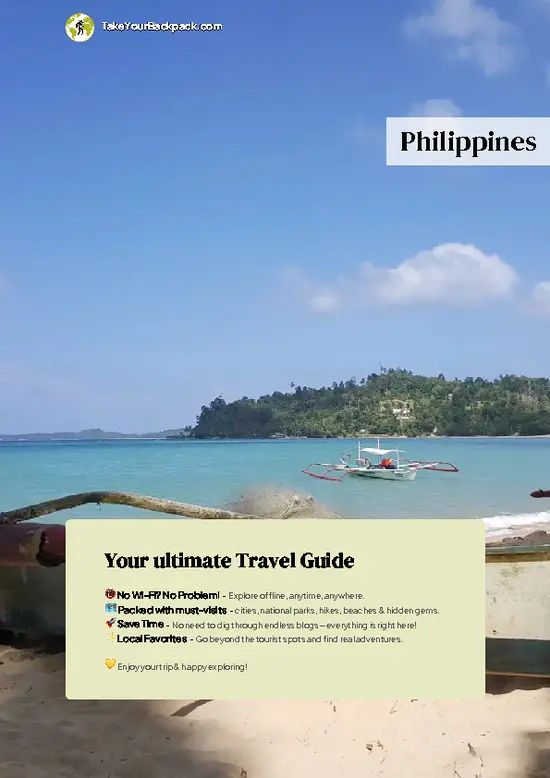
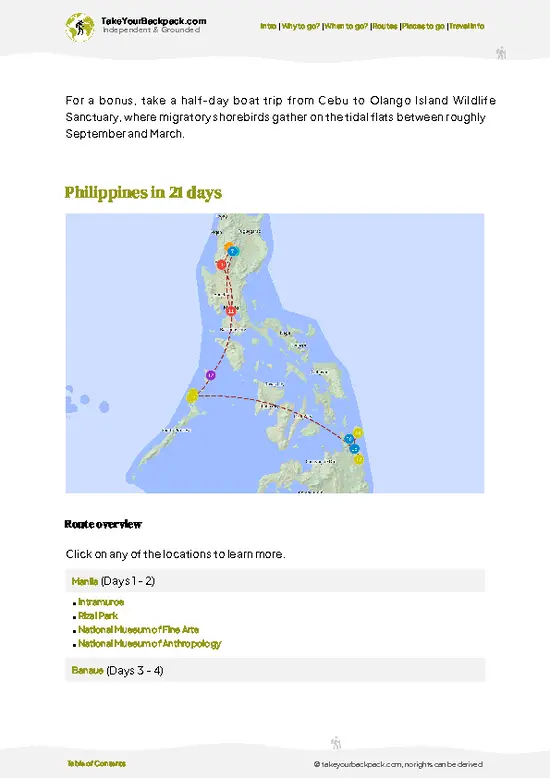
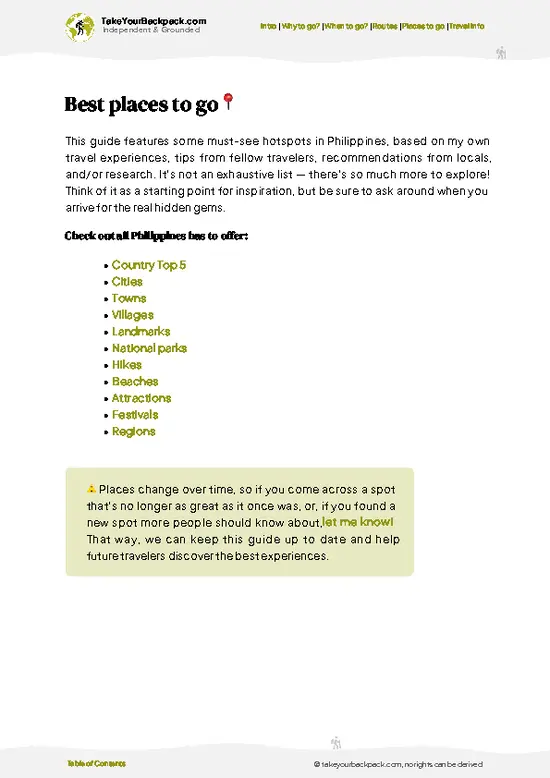
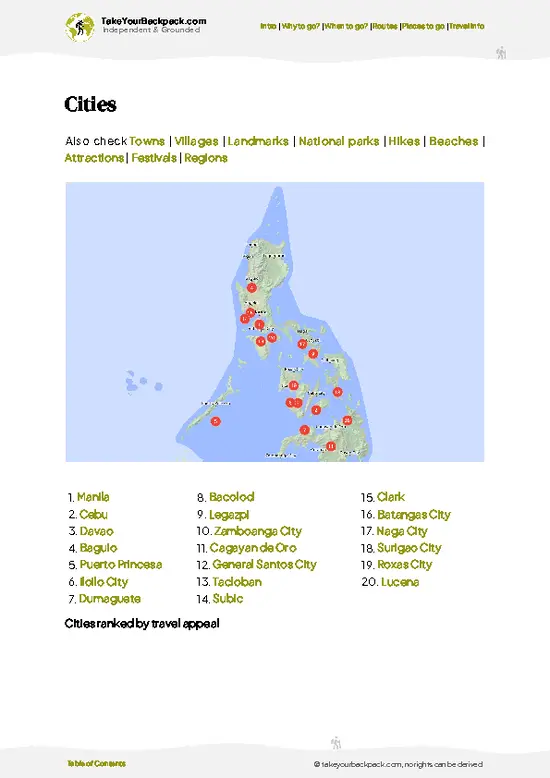
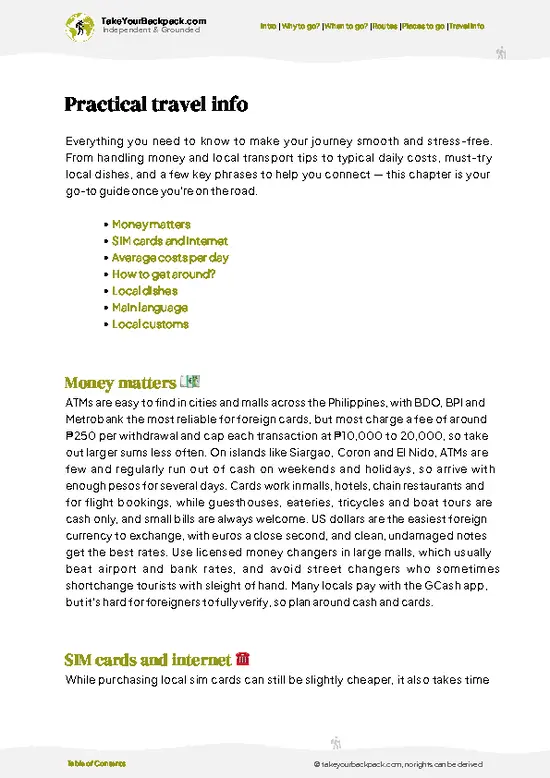
example page 0 from our offline Travel Guide for Philippines
example page 1 from our offline Travel Guide for Philippines
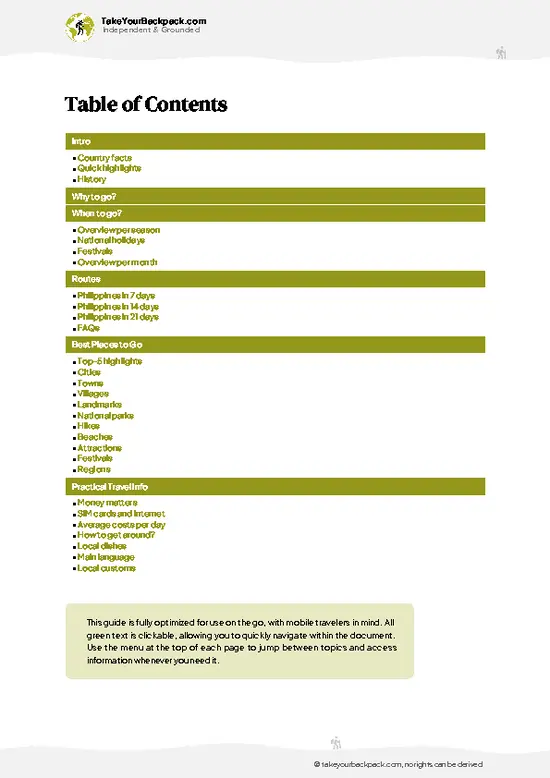
example page 2 from our offline Travel Guide for Philippines
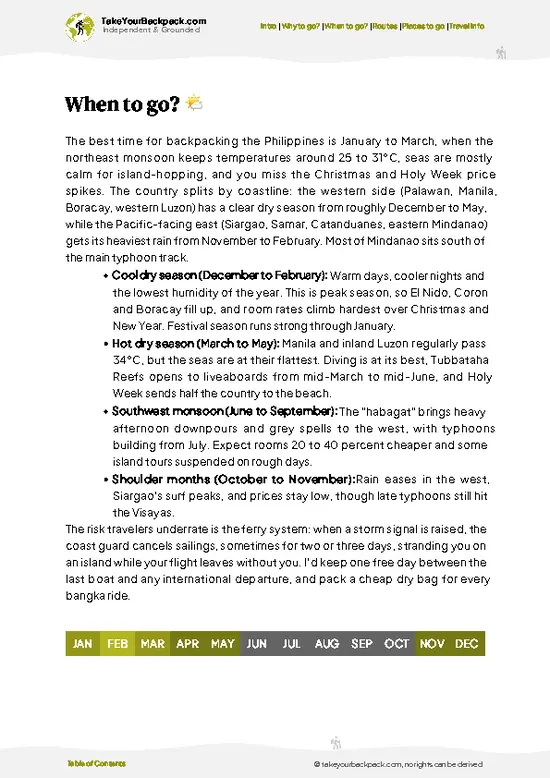
example page 3 from our offline Travel Guide for Philippines
example page 4 from our offline Travel Guide for Philippines
example page 5 from our offline Travel Guide for Philippines
example page 6 from our offline Travel Guide for Philippines
example page 7 from our offline Travel Guide for Philippines
The digital guide (505 pages) contains:
144 highlights, ranked by travel appeal
Optimized 7, 14 & 21-day travel routes
Cities, national parks, landmarks, beaches
How to get around
Offline-friendly for travel without Wi-Fi
👉 Click to see all 30+ guide features

📅 Plan smarter in minutes, not weeks
Month by month travel advice
Festivals & national holidays
Budget expectations

🗺️ Go to the right places, skip the overrated ones
Honest pros & cons of destinations
Top hikes, parks & viewpoints
Lesser-known places most travelers miss
Clear “worth it vs skip it” guidance

🛏️ Travel smoothly without rookie mistakes
Best areas to stay
Transport systems explained simply
Common scams & safety advice
SIM cards, money & practical tips

🌍 Understand the country, not just visit it
Culture & traditions
52 Essential phrases & customs
Festivals worth planning around
Traveler-friendly historical context
Insights that make places more meaningful

📱 Built for real travel conditions
Fully downloadable PDF
Works completely offline
Optimized for phone use
Useful in remote areas & buses
Everything in one place
Save weeks of stressful planning
Get instant access to your full guide. 30‑day money-back guarantee.


By proceeding you agree to our terms.
Sent to your inbox immediately after payment • 100% Secure Checkout
Best Backpacking Travel Advisor 2025 tourism awardBest Backpacking
Travel Advisor
2025
What others say about Take Your Backpack Guides:
⭐⭐⭐⭐⭐
Fantastic, amazing amount of information!
⭐⭐⭐⭐⭐
My goodness this is amazing, it's what I've been looking for hats off too you!
⭐⭐⭐⭐⭐
I think this is absolutely BRILLIANT
⭐⭐⭐⭐
Very complete and informative. It's still missing places, but I gotta to commend you
⭐⭐⭐⭐⭐
This is truly amazing, thank you, can't wait to explore it with my kids!
⭐⭐⭐⭐⭐
Awesome resource, thank you!
⭐⭐⭐⭐⭐
This is amazing! Can't wait to explore the ones I haven't seen
⭐⭐⭐⭐
I love this! Well done, great idea.
⭐⭐⭐⭐⭐
Thanks for taking the time to make this gem!
⭐⭐⭐⭐⭐
This might be the best website I've ever seen.
⭐⭐⭐⭐⭐
Congratulations, and thank you so much for your work; it's incredibly valuable.
⭐⭐⭐⭐
In all seriousness I think you did a great job pointing out the important spots
⭐⭐⭐⭐⭐
10/10 very good
⭐⭐⭐⭐⭐
As someone who's only just starting to visit regularly this is awesome, thank you.
⭐⭐⭐⭐
Thank you very much! I'm going to visit my dad, it's going to be very useful!
⭐⭐⭐⭐⭐
This is really cool! We'll be travelling for the first time and this definitely come in handy.
⭐⭐⭐⭐⭐
You are now our minister of culture, congratulations 👨‍💼
⭐⭐⭐⭐⭐
Just wanted to tell you that this is a pearl! Going to follow your recommendations.
⭐⭐⭐⭐⭐
This is so cool. I'll definitely be using the resource for my travels soon.
⭐⭐⭐⭐⭐
This is very impressive! Good work.
⭐⭐⭐⭐⭐
This is an amazing and informative site. Very well done!

🛏️ Where to stay?Top Areas to Stay

Yes — hostels and budget guesthouses are widespread across the Philippines, concentrated in Manila (Ermita/Malate) and Makati, Cebu (Fuente Osmeña/IT Park), Boracay (Station 2), El Nido, Coron, Siargao (General Luna) and Panglao/Tagbilaran in Bohol, which cover the main transport hubs and island gateways you’ll use.
Ermita/Malate offers cheap transport and nightlife but is noisy and touristy; Makati is safer with better transit and higher prices; Cebu city gives fast ferries and budget eats though parts feel busy at night; Boracay Station 2 is best for beaches and nightlife but crowded and pricier (Stations 1/3 are quieter); El Nido and Coron are ideal for island-hopping with social hostels … read more 👉
Yes — hostels and budget guesthouses are widespread across the Philippines, concentrated in Manila (Ermita/Malate) and Makati, Cebu (Fuente Osmeña/IT Park), Boracay (Station 2), El Nido, Coron, Siargao (General Luna) and Panglao/Tagbilaran in Bohol, which cover the main transport hubs and island gateways you’ll use.
Ermita/Malate offers cheap transport and nightlife but is noisy and touristy; Makati is safer with better transit and higher prices; Cebu city gives fast ferries and budget eats though parts feel busy at night; Boracay Station 2 is best for beaches and nightlife but crowded and pricier (Stations 1/3 are quieter); El Nido and Coron are ideal for island-hopping with social hostels but have limited late-night services and seasonal crowds; Siargao’s General Luna is the surf-and-party hub with laid-back safety but high-season congestion; Panglao/Tagbilaran suit budget divers and quieter nights while requiring more planning for inter-island travel.

If you enjoy meeting fellow travelers, consider choosing hostels with high ratings for atmosphere. On the other hand, if you prefer having your own space, a hotel might be a better option.

PhilippinesDiscover the Country

👋 Meet the founderWho’s Behind Take Your Backpack?

Johan, backpacker and founder of TakeYourBackpackHi, I’m Johan (Netherlands 🇳🇱), the creator of TakeYourBackpack. Over the past decade, I’ve backpacked through 80+ countries across six continents, gaining extensive experience with independent travel, long-term trips, and overland routes.

This site is built on a combination of firsthand travel experience and carefully curated insights from other backpackers. Many guides are based on places I’ve personally visited, while others bring together tips, observations, and practical advice shared by trusted travelers I’ve met along the way.

The goal is to provide realistic, experience-driven guidance — not generic itineraries — so you can explore destinations with better context, clearer expectations, and more confidence.

Get full country guide •
Instant download • 144 highlights • Full Offline guide