AccessibilityPoland’s villages are often tucked away in picturesque landscapes, but getting to them can be a mixed bag. Public transport is generally reliable, with regional buses connecting many rural areas, but schedules can be sparse, especially on weekends. Renting a car opens up more options, allowing you to explore at your own pace. However, be prepared for narrow roads and occasional detours. If you’re relying on public transport, plan your itinerary carefully. Aim for three to five villages in a trip to avoid feeling rushed. This gives you enough time to soak in the local culture without the stress of constant travel.
Seasonal VariationTiming your visit can dramatically change your experience. Summer is peak season, drawing crowds and raising prices. While the weather is pleasant, …
read more 👉 AccessibilityPoland’s villages are often tucked away in picturesque landscapes, but getting to them can be a mixed bag. Public transport is generally reliable, with regional buses connecting many rural areas, but schedules can be sparse, especially on weekends. Renting a car opens up more options, allowing you to explore at your own pace. However, be prepared for narrow roads and occasional detours. If you’re relying on public transport, plan your itinerary carefully. Aim for three to five villages in a trip to avoid feeling rushed. This gives you enough time to soak in the local culture without the stress of constant travel.
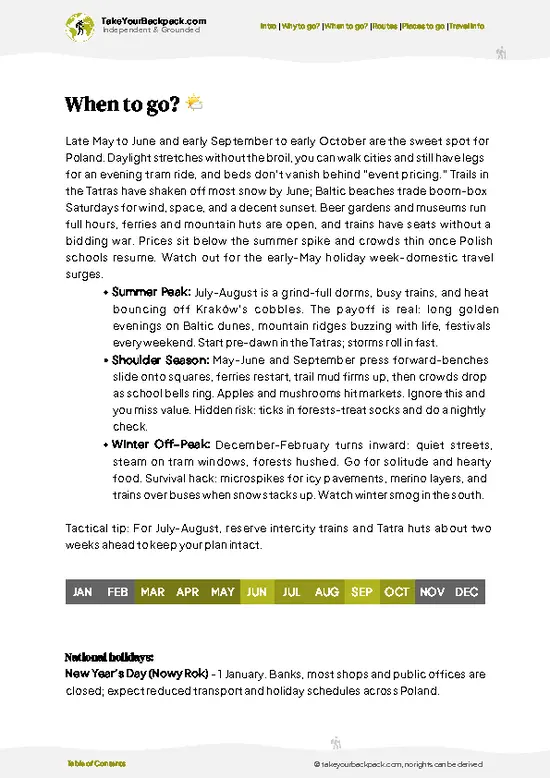
Seasonal VariationTiming your visit can dramatically change your experience. Summer is peak season, drawing crowds and raising prices. While the weather is pleasant, the authenticity can feel diluted with tourists. Spring and fall offer a more intimate glimpse into village life, with fewer visitors and vibrant local festivals. Winter, while cold, unveils a different charm, especially in villages known for traditional Christmas markets. Just remember, some rural attractions may close during off-peak months, so check ahead. The trade-off here is between experiencing the buzz of summer and the serenity of quieter seasons.
AuthenticityMany villages boast a rich tapestry of history and culture, but authenticity can vary. Some places have become overly commercialized, catering to tourists with trinkets and staged experiences. Seek out villages where locals still engage in traditional crafts or farming. Look for signs of genuine community life—like local markets or festivals that aren’t just for show. This often means stepping off the beaten path, which can be rewarding but may require more effort. The trade-off is between convenience and a deeper, more meaningful experience.
Pacing Between Rural StopsWhen planning your route, consider the distances between villages. Poland’s rural areas can be deceptively far apart, and travel times can stretch longer than expected due to road conditions. Aiming for a leisurely pace allows you to appreciate each stop. Plan for at least a full day in each village to explore local sights, enjoy meals, and engage with residents. This not only enriches your experience but also minimizes the stress of constant movement. The trade-off here is balancing the desire to see more with the need to truly experience each place.
Safety & Cultural ConsiderationsPoland is generally safe for travelers, but rural areas may have different social norms. Respect local customs, especially in smaller villages where traditions run deep. Learning a few basic Polish phrases can go a long way in building rapport. Be mindful of your surroundings, particularly in less populated areas where help may not be readily available. The trade-off is between the comfort of familiar tourist areas and the enriching challenge of engaging with local culture.
In summary, navigating Poland’s villages requires thoughtful planning and a willingness to adapt. By focusing on accessibility, seasonal timing, authenticity, pacing, and cultural respect, you can craft a rewarding journey that goes beyond the surface. Embrace the journey, and you’ll uncover the real magic of Poland’s rural heart.
v2.webp)
 Best Backpacking
.jpg) Hi, I’m Johan (Netherlands 🇳🇱), the creator of TakeYourBackpack. Over the past decade, I’ve backpacked through 80+ countries across six continents, gaining extensive experience with independent travel, long-term trips, and overland routes.
Hi, I’m Johan (Netherlands 🇳🇱), the creator of TakeYourBackpack. Over the past decade, I’ve backpacked through 80+ countries across six continents, gaining extensive experience with independent travel, long-term trips, and overland routes.