How many to visit: I would advise
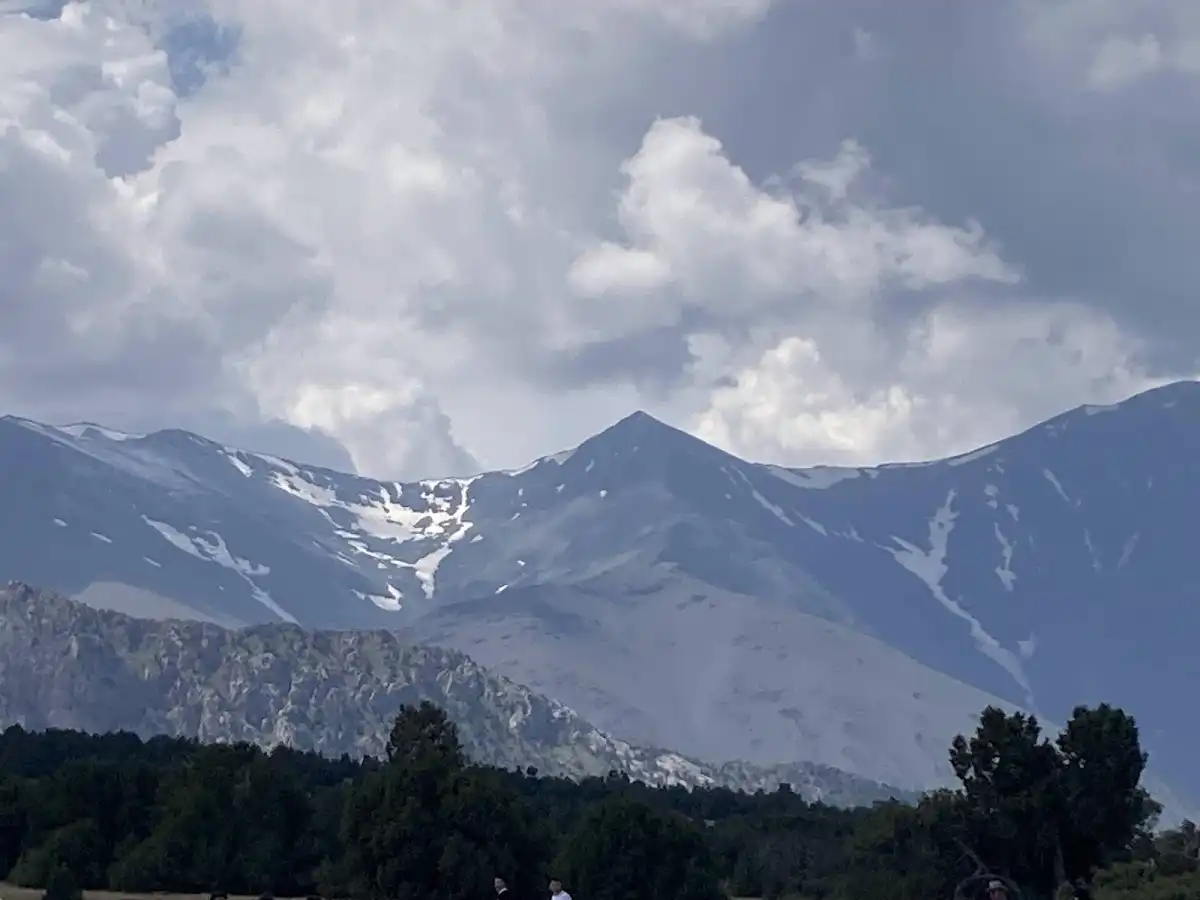
two or three parks, one mountain and one desert or steppe area, because transfers eat time and the experiences repeat once you have seen each landscape. A third makes sense only if you have more than 10 days.
Which kind for which traveler: Choose
mountain areas if you want hiking, cooler air and cheap, easy access. They suit first-timers and anyone on a tight budget. Choose
desert areas for star-filled nights, yurt stays and camel rides, accepting higher costs and longer, bumpier transfers. Skip strict reserves unless you have arranged a permit and an official escort. Entry is rarely casual there.
What it costs: Plan on
US$30 to 60 a day when you stay in homestays or guesthouses and eat local food. Entry fees usually run 20,000 to 50,000 som (about US$2 to 4). …
read more 👉 How many to visit: I would advise two or three parks, one mountain and one desert or steppe area, because transfers eat time and the experiences repeat once you have seen each landscape. A third makes sense only if you have more than 10 days.
Which kind for which traveler: Choose mountain areas if you want hiking, cooler air and cheap, easy access. They suit first-timers and anyone on a tight budget. Choose desert areas for star-filled nights, yurt stays and camel rides, accepting higher costs and longer, bumpier transfers. Skip strict reserves unless you have arranged a permit and an official escort. Entry is rarely casual there.
What it costs: Plan on US$30 to 60 a day when you stay in homestays or guesthouses and eat local food. Entry fees usually run 20,000 to 50,000 som (about US$2 to 4). Shared taxis from Tashkent to the mountain zone cost roughly 30,000 to 60,000 som (US$2.50 to 5) a seat, while a car with driver for the day is US$40 to 80. Local hiking guides charge about US$25 to 50 a day. Desert yurt stays with dinner and breakfast run US$25 to 45 per person, and camel rides and jeep transfers add US$10 to 40. Count on US$60 to 120 per visit in all, excluding long-distance train tickets.
Safety and etiquette: The biggest risks are heat and dehydration in summer, so carry at least 3 liters per person and start hikes before 8 a.m. In winter and early spring, check avalanche and road conditions before heading into the mountains. Shepherds’ dogs guard summer pastures. Stop, stay calm, and walk around them slowly rather than running. Mobile coverage is patchy, so tell your host your route and return time.
Carry your passport, since police and ranger posts may ask for it, and keep your hotel registration slips. Photographing border areas, military sites and checkpoints is forbidden. Dress modestly in villages, with covered shoulders and knees. Ask before photographing people, and accept tea when it is offered, as refusing can seem rude. Alcohol is available in towns, but keep it away from rural homestays unless your host brings it up. Pack out all trash, because collection services are scarce.



 Best Backpacking
 Hi, I’m Johan (Netherlands 🇳🇱), the creator of TakeYourBackpack. Over the past 3 decades, I’ve backpacked through 90+ countries across six continents, gaining extensive experience with independent travel, long-term trips, and overland routes.