×

France🇫🇷 | best regionsThe 8 Top regions in France

France is a country of regional contrasts, and the contrast drives every backpacking decision. The Atlantic and Channel coasts are cool, green and quiet outside July and August. The Mediterranean south is hot, crowded and priced accordingly, with beds and campsites costing noticeably more in summer. The Alps and Pyrenees suit hikers but demand planning, since mountain transport thins out fast. Wine and countryside regions are the cheapest and most authentic, yet many are awkward without a car. Paris dominates the rail network, so the TGV hubs are the easy wins for independent travel, while rural areas need buses, bikes or patience. Do not spend your time ticking off every famous name. Pick two or three regions of one kind, accept that the rest can wait, and you will see more of France than a rushed loop ever delivers. Prices fall as you leave the coast and the capital.

By Johan Kruseman 🇳🇱 | Updated October 18, 2026
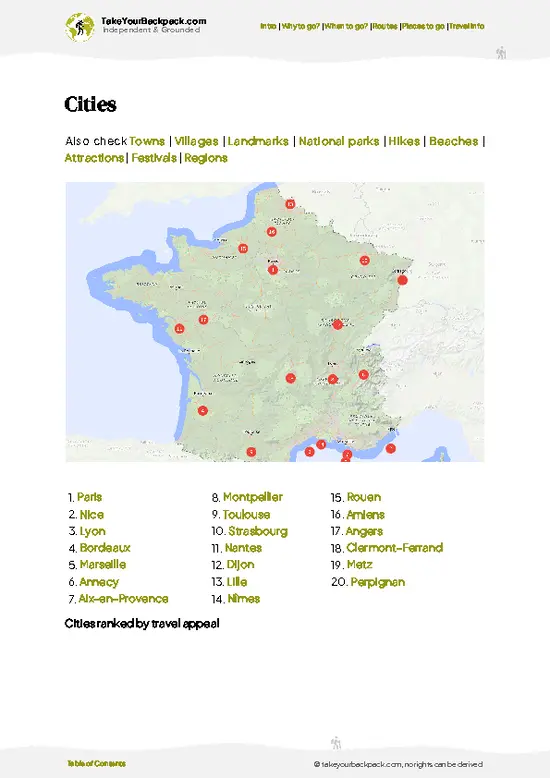
Explore the best cities in France

Why go?What Makes Them Special

France works for regional travel because it was assembled from distinct provinces, and they never fully merged. Brittany, Alsace, Provence and the Basque country each kept their own food, architecture, dialects and landscapes. Crossing a few hundred kilometers changes the cheese, the wine, the building stone and often the language on the menu. Few countries of this size, roughly 550,000 square kilometers, pack in so many climates: oceanic, continental, Mediterranean and alpine.

The infrastructure is the second reason. The high-speed rail network radiates from Paris, so big regional centers are two to four hours apart. That makes France easy for a first trip. The weakness is the same design: lines run toward Paris, not across the country, so cross-regional journeys often mean a slow change … read more 👉
France works for regional travel because it was assembled from distinct provinces, and they never fully merged. Brittany, Alsace, Provence and the Basque country each kept their own food, architecture, dialects and landscapes. Crossing a few hundred kilometers changes the cheese, the wine, the building stone and often the language on the menu. Few countries of this size, roughly 550,000 square kilometers, pack in so many climates: oceanic, continental, Mediterranean and alpine.

The infrastructure is the second reason. The high-speed rail network radiates from Paris, so big regional centers are two to four hours apart. That makes France easy for a first trip. The weakness is the same design: lines run toward Paris, not across the country, so cross-regional journeys often mean a slow change at a hub. Rural public transport is thin, with some villages served by one bus a day or none on Sundays.

Before choosing France, know three things. First, the cost gap is large. Paris and the Riviera are expensive, while central and southwestern France cost far less. Second, August shuts down much of the interior, as many local businesses close for the national holiday period while the coasts overflow. Third, French regional life runs on fixed rhythms: long lunches, closed shops on Sundays and Monday closures for museums and restaurants. Fighting that wastes time. Learning a few French phrases pays off more in the countryside than anywhere else, because English drops off sharply outside major tourist areas. Treat France as a country to explore in slices, not a checklist.
Why These Made the Cut
The list of best regions in France is created based on landscapes, local culture, attractions, vibes, and overall appeal. If you feel a region is missing in this list, please let us know.

When to go?Optimal Periods for Travel

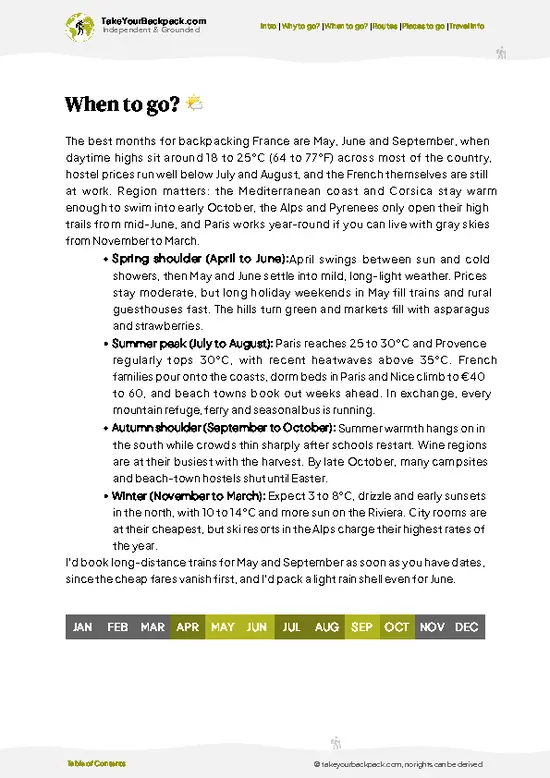
Best months: The best months for French regions are May, June and September, when most of the country sits between roughly 15°C and 25°C, daylight is long and the summer crowds have not arrived or have gone. Skip the idea that July and August are ideal. They are the hottest and most expensive weeks, and the south regularly passes 30°C to 35°C.

Peak season: July and August push accommodation prices up by 30 to 60 percent on the Mediterranean coast and in the Atlantic resorts. Hostel dorms that cost €25 to 35 in spring can reach €45 or more. The south is also the most crowded, so it is the region to avoid in these months. In contrast, the interior is quieter but many smaller businesses close around mid-August.

Shoulder and low season: April and October are fine for cities and wine country, … read more 👉
Best months: The best months for French regions are May, June and September, when most of the country sits between roughly 15°C and 25°C, daylight is long and the summer crowds have not arrived or have gone. Skip the idea that July and August are ideal. They are the hottest and most expensive weeks, and the south regularly passes 30°C to 35°C.

Peak season: July and August push accommodation prices up by 30 to 60 percent on the Mediterranean coast and in the Atlantic resorts. Hostel dorms that cost €25 to 35 in spring can reach €45 or more. The south is also the most crowded, so it is the region to avoid in these months. In contrast, the interior is quieter but many smaller businesses close around mid-August.

Shoulder and low season: April and October are fine for cities and wine country, with 10°C to 18°C and a fair chance of rain. Paris and the north see rain spread through the year, around 50 to 60 millimeters a month, and Brittany and the Atlantic coast can be wet in autumn. The Mediterranean stays mild in winter, about 10°C to 14°C by day, but many beach businesses close from November to March.

Mountains: The Alps and Pyrenees have two seasons. Hiking runs from late June to mid-September, and higher huts and lifts often close outside it. Ski season, December to March, brings the highest prices in the country, so winter backpacking there rarely makes sense on a budget. Snow can linger on high trails into early July.

Winter: November to March is cold and gray in most of the north and east, with short days. Christmas markets in Alsace and the northeast are the one reason to go. Otherwise, winter suits city stays with cheap rooms, not countryside touring.

region hoppingOptimizing Your Multi-Stop Itinerary

How many days: A trip combining several regions of France needs 10 to 21 days. Under ten days, stick to two regions. Three to four regions need two weeks or more, and six regions in two weeks means mostly watching trains.

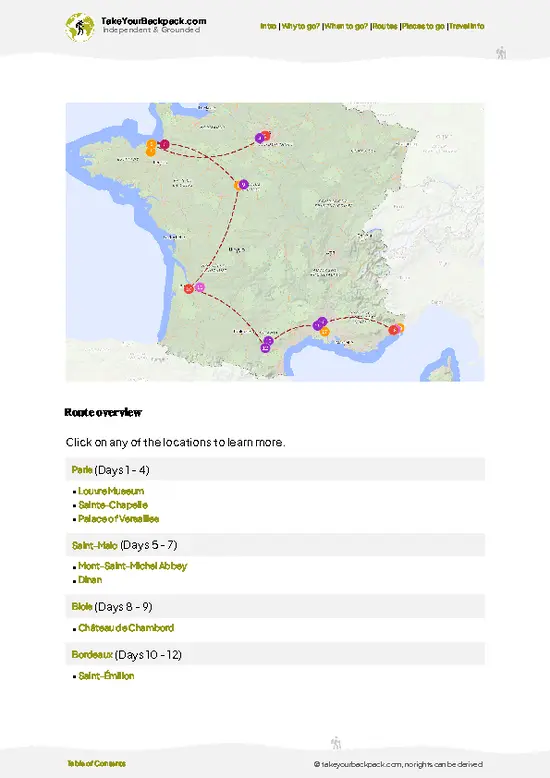
Grouping and direction: Group regions by rail corridor, not by map distance. The Paris to Loire to Atlantic coast axis flows easily, as does Paris to Burgundy to Lyon to Provence, which follows the main TGV line south. Lyon to the Alps and Provence to the Riviera are short hops. Moving east to west across the center is slow, with changes at hubs such as Lyon, Bordeaux or Toulouse. A north-to-south or south-to-north line is easier than a loop. Start in Paris, finish on the Mediterranean or the Atlantic coast, and use an open-jaw ticket to avoid backtracking.

Time per stop: … read more 👉
How many days: A trip combining several regions of France needs 10 to 21 days. Under ten days, stick to two regions. Three to four regions need two weeks or more, and six regions in two weeks means mostly watching trains.

Grouping and direction: Group regions by rail corridor, not by map distance. The Paris to Loire to Atlantic coast axis flows easily, as does Paris to Burgundy to Lyon to Provence, which follows the main TGV line south. Lyon to the Alps and Provence to the Riviera are short hops. Moving east to west across the center is slow, with changes at hubs such as Lyon, Bordeaux or Toulouse. A north-to-south or south-to-north line is easier than a loop. Start in Paris, finish on the Mediterranean or the Atlantic coast, and use an open-jaw ticket to avoid backtracking.

Time per stop: Give each region 3 to 5 days. Two nights is enough only for a single city, and anything shorter wastes the travel day. Rural regions need longer, around four to six days, because buses are infrequent and half a day goes on connections.

Travel times: Paris to Lyon takes about two hours by TGV, to Bordeaux about two hours, and to Marseille around three and a half. Lyon to Marseille is about one and three-quarter hours. Cross-country connections, for example Bordeaux to Lyon, often run five to six hours. Allow a full day for those.

Common mistakes: Travelers often try to see every famous region and spend the trip on platforms. Pick fewer, and accept skipping some. Another error is booking rail at the last minute. TGV fares are cheapest booked weeks ahead, while flexible tickets cost far more. Regional TER trains are not subject to the same jump. Many also underestimate the rural gap: places without stations need a rental car or a bike. Finally, avoid arriving on a Sunday or Monday in small towns. Shops and restaurants close, and transport thins out.

The ListMust-Visit regions in France

1 French Riviera

Mediterranean bays, Belle Époque towns, coastal promenades

Stroll sunlit seafronts, explore art-filled enclaves, and watch daily life unfold between palm-lined boulevards and hillside villages above the sea.

france-region-french-riviera
© Google | Ion Sandu

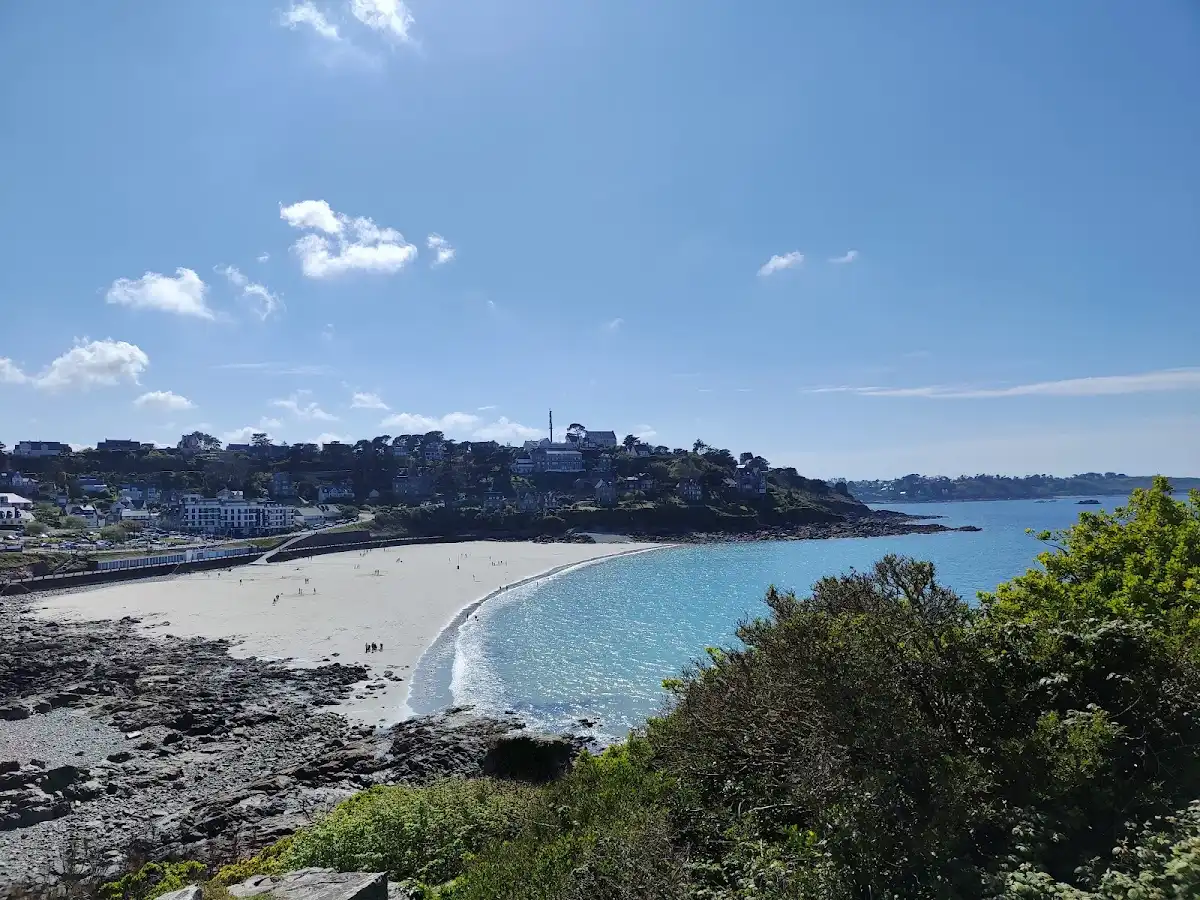
2 Côte de Granit Rose

pink granite boulders, tidal pools, coastal trails

Walk along a coastline marked by unusual rock formations, where shifting tides reveal pools and long-distance paths skirt the sea.

france-region-cote-de-granit-rose
© Google |

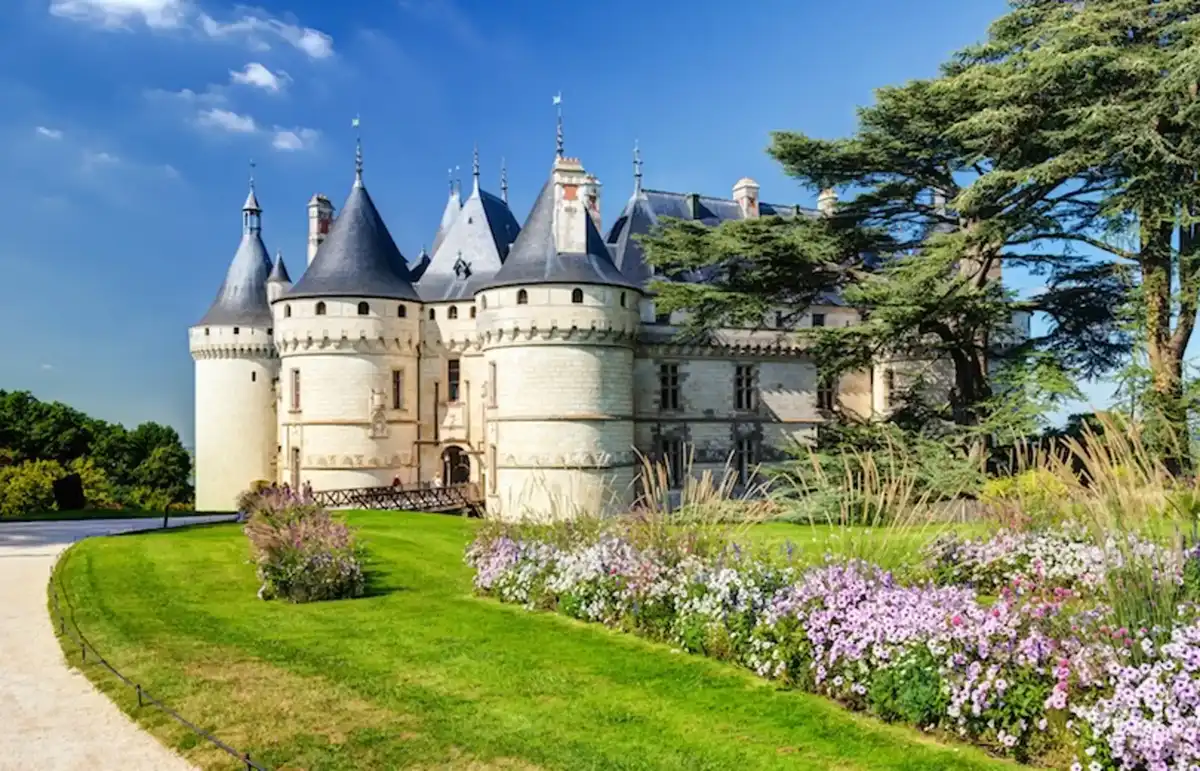
3 Loire Valley

château gardens, riverbanks, Renaissance estates

Cycle quiet lanes past vineyards and turreted manors, pausing in market towns where local produce and architectural detail reward slow exploration.

france-region-loire-valley
© Google | Muthuraja S

4 French Alps

glacier peaks, alpine lakes, high-altitude hamlets

Ascend mountain passes, cross meadows dotted with chalets, and experience a region where outdoor pursuits and seasonal rhythms define local routines.

france-region-french-alps
© Google | Ferami Altun

5 Normandy

chalk cliffs, cider orchards, WWII sites

Walk windswept beaches, sample regional cheeses, and reflect on layered history in a landscape shaped by tides, agriculture, and remembrance.

6 Corsica

maquis hills, Genoese towers, mountain villages

Hike wild trails between remote hamlets, swim in turquoise coves, and notice Italian influences woven into the island’s fiercely independent culture.

france-region-corsica
© Google | Alby Set

7 Brittany

granite coastlines, Celtic heritage, tidal islands

Trace rugged shores and ancient traditions, tasting seafood and cider in villages where Breton language and windswept landscapes shape daily life.

france-region-brittany
© Google | Peter Griese

8 Jura

limestone gorges, secluded forests, cheese farms

Follow hiking trails through wooded hills, visit small producers, and discover a region where quiet valleys and local traditions remain central.

Loading the map 🌍

Expert viewTips and Advice from Travelers

How many regions: Visit two to four regions on a trip of two to three weeks. Two suits ten days, four needs three weeks. More than that and you are paying for transport instead of experience. The number matters because regional France rewards time on the ground. Markets, village cafes and walking routes need days, not hours, and the high-speed trains are not cheap enough to treat as a casual shuttle.

Choosing the kind of region: Match the kind to your travel style. If you want culture, food and easy logistics, choose wine and city-based regions served by rail. If you hike, choose the Alps or Pyrenees, but accept higher costs and limited transport. If you want beaches, the Atlantic coast is cheaper and less packed than the Riviera, which is worth skipping in summer unless you have a specific … read more 👉
How many regions: Visit two to four regions on a trip of two to three weeks. Two suits ten days, four needs three weeks. More than that and you are paying for transport instead of experience. The number matters because regional France rewards time on the ground. Markets, village cafes and walking routes need days, not hours, and the high-speed trains are not cheap enough to treat as a casual shuttle.

Choosing the kind of region: Match the kind to your travel style. If you want culture, food and easy logistics, choose wine and city-based regions served by rail. If you hike, choose the Alps or Pyrenees, but accept higher costs and limited transport. If you want beaches, the Atlantic coast is cheaper and less packed than the Riviera, which is worth skipping in summer unless you have a specific reason to go. If you want slow, cheap, rural travel, pick the interior, and plan for a bike or a rental car. Mixing one city region with one rural region gives the best balance. A trip of four city-heavy regions is mostly the same cafe, cathedral and museum again.

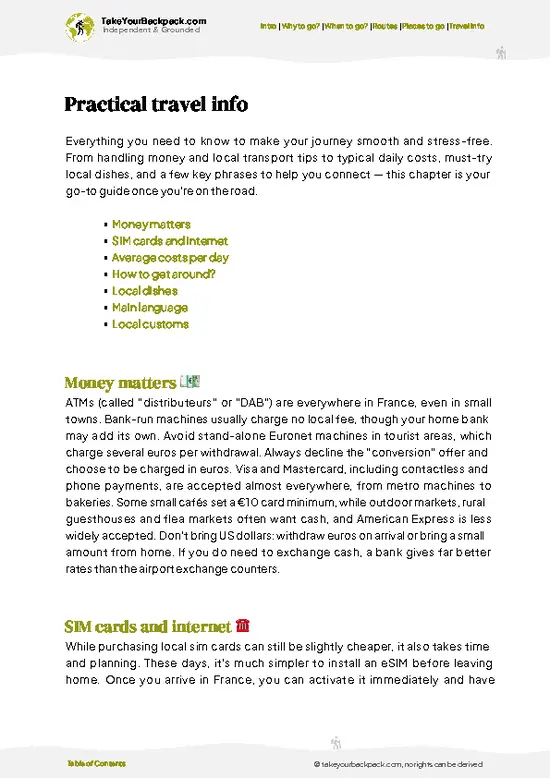
Budget: Budget US$60 to 90 a day (about €55 to 85) for a careful independent traveler. Dorm beds run €25 to 45, campsites €12 to 25, and a basic hotel room €60 to 100 outside peak periods. The Paris area and the Riviera push this up by a third. Food is the best place to economize: a bakery lunch costs €5 to 8 and a fixed-price “menu du jour” at lunch runs €15 to 22. Dinner a la carte often costs double. Regional trains cost €10 to 40 a leg, while long TGV trips run €30 to 120 depending on how early you book. Entry fees run €8 to 15 for most museums and châteaux, with larger sites charging up to €25. Many are free the first Sunday of the month, and EU residents under 26 often enter state museums free. A guided tour costs €15 to 30 and is worth it for a complex historic site, though not for a village you can walk in an hour. For a two-week visit, plan on US$900 to 1,400 (€830 to 1,300) including transport.

Safety: France is safe for solo and independent travelers. The main problem is pickpocketing, concentrated on tourist transport, in big stations and at crowded sights. Keep your phone and wallet in front pockets, and be wary of petition scams and friendship-bracelet pitches near major landmarks. Rural regions are very low risk. Mountain areas are the true hazard. Weather turns quickly above 2,000 meters, and rescues can be billed, so check forecasts, carry layers and sign into huts. Beaches on the Atlantic have strong currents, so swim only where lifeguards are posted.

Cultural considerations: Greet shopkeepers with “bonjour” before asking for anything. Skipping it is the fastest way to bad service. Try French first, even badly, since it changes the tone. Lunch runs about noon to 2 p.m., and many kitchens close between services, so dinner before 7 p.m. is difficult outside tourist districts. Sundays are quiet, with many shops closed, and Mondays often shut museums and restaurants. Tipping is optional because service is included, so leaving a euro or two is plenty. Water from the tap is free in restaurants if you ask for “une carafe d’eau.”

What is not worth it: Skip the rushed multi-region loop, the Riviera in August and any region that needs a car if you do not drive. Spend instead on a couple of good lunches and a rail pass or advance tickets, which pay off more than extra stops.

✈️ The backpacker research shortcutFrance Travel Guide

An offline-friendly backpacking guide with optimized travel routes, ranked highlights, transport advice, and the best areas to stay.
example page 0 from our offline Travel Guide for France
example page 1 from our offline Travel Guide for France
example page 2 from our offline Travel Guide for France
example page 3 from our offline Travel Guide for France
example page 4 from our offline Travel Guide for France
example page 5 from our offline Travel Guide for France
example page 6 from our offline Travel Guide for France
example page 7 from our offline Travel Guide for France
The digital guide (501 pages) contains:
✅ 135 highlights, ranked by travel appeal
✅ Optimized 7, 14 & 21-day travel routes
✅ Cities, national parks, landmarks, beaches
✅ How to get around
✅ Offline-friendly for travel without Wi-Fi
👉 Click to see all 30+ guide features

📅 Plan smarter in minutes, not weeks
✅ Month by month travel advice
✅ Festivals & national holidays
✅ Budget expectations

🗺️ Go to the right places, skip the overrated ones
✅ Honest pros & cons of destinations
✅ Top hikes, parks & viewpoints
✅ Lesser-known places most travelers miss
✅ Clear “worth it vs skip it” guidance

🛏️ Travel smoothly without rookie mistakes
✅ Best areas to stay
✅ Transport systems explained simply
✅ Common scams & safety advice
✅ SIM cards, money & practical tips

🌍 Understand the country, not just visit it
✅ Culture & traditions
✅ 52 Essential phrases & customs
✅ Festivals worth planning around
✅ Traveler-friendly historical context
✅ Insights that make places more meaningful

📱 Built for real travel conditions
✅ Fully downloadable PDF
✅ Works completely offline
✅ Optimized for phone use
✅ Useful in remote areas & buses
✅ Everything in one place
Stop searching, start planning
Get instant access to your full guide. 30‑day money-back guarantee.
+ Add another guide for just

By proceeding you agree to our terms.
Sent to your inbox immediately after payment • 100% Secure Checkout
Best Backpacking Travel Advisor 2025 tourism awardBest Backpacking
Travel Advisor
2025
What others say about Take Your Backpack Guides:
⭐⭐⭐⭐⭐
Fantastic, amazing amount of information!
⭐⭐⭐⭐⭐
My goodness this is amazing, it's what I've been looking for hats off too you!
⭐⭐⭐⭐⭐
I think this is absolutely BRILLIANT
⭐⭐⭐⭐
Very complete and informative. It's still missing places, but I gotta to commend you
⭐⭐⭐⭐⭐
This is truly amazing, thank you, can't wait to explore it with my kids!
⭐⭐⭐⭐⭐
Awesome resource, thank you!
⭐⭐⭐⭐⭐
This is amazing! Can't wait to explore the ones I haven't seen
⭐⭐⭐⭐
I love this! Well done, great idea.
⭐⭐⭐⭐⭐
Thanks for taking the time to make this gem!
⭐⭐⭐⭐⭐
This might be the best website I've ever seen.
⭐⭐⭐⭐⭐
Congratulations, and thank you so much for your work; it's incredibly valuable.
⭐⭐⭐⭐
In all seriousness I think you did a great job pointing out the important spots
⭐⭐⭐⭐⭐
10/10 very good
⭐⭐⭐⭐⭐
As someone who's only just starting to visit regularly this is awesome, thank you.
⭐⭐⭐⭐
Thank you very much! I'm going to visit my dad, it's going to be very useful!
⭐⭐⭐⭐⭐
This is really cool! We'll be travelling for the first time and this definitely come in handy.
⭐⭐⭐⭐⭐
You are now our minister of culture, congratulations 👨‍💼
⭐⭐⭐⭐⭐
Just wanted to tell you that this is a pearl! Going to follow your recommendations.
⭐⭐⭐⭐⭐
This is so cool. I'll definitely be using the resource for my travels soon.
⭐⭐⭐⭐⭐
This is very impressive! Good work.
⭐⭐⭐⭐⭐
This is an amazing and informative site. Very well done!

🛏️ Where to stay?Top Areas to Stay

France has plenty of hostels and budget rooms, with dorm beds running roughly €30 to 55 in Paris and €20 to 40 in most other cities. In Paris, the Canal Saint-Martin area and Belleville in the northeast hold the densest cluster of large hostels, with cheap bars and good metro links but a scruffy edge after dark, while Montmartre puts you near Sacré-Cœur and the Pigalle nightlife at the cost of steep hills and pickpockets around the main stations. Elsewhere, look at Vieux Lyon in Lyon for cobbled-lane atmosphere and walkable sights, the Vieux-Port and Cours Julien in Marseille for late nights (stay alert around the station), and the Old Town of Nice for beach access, though its narrow streets … read more 👉
France has plenty of hostels and budget rooms, with dorm beds running roughly €30 to 55 in Paris and €20 to 40 in most other cities. In Paris, the Canal Saint-Martin area and Belleville in the northeast hold the densest cluster of large hostels, with cheap bars and good metro links but a scruffy edge after dark, while Montmartre puts you near Sacré-Cœur and the Pigalle nightlife at the cost of steep hills and pickpockets around the main stations. Elsewhere, look at Vieux Lyon in Lyon for cobbled-lane atmosphere and walkable sights, the Vieux-Port and Cours Julien in Marseille for late nights (stay alert around the station), and the Old Town of Nice for beach access, though its narrow streets stay noisy until late in summer.

If you enjoy meeting fellow travelers, consider choosing hostels with high ratings for atmosphere. On the other hand, if you prefer having your own space, a hotel might be a better option.

FranceDiscover the Country

👋 Meet the founderWho’s Behind Take Your Backpack?

Johan, backpacker and founder of TakeYourBackpackHi, I’m Johan (Netherlands 🇳🇱), the creator of TakeYourBackpack. Over the past 3 decades, I’ve backpacked through 90+ countries across six continents, gaining extensive experience with independent travel, long-term trips, and overland routes.

This site is built on a combination of firsthand travel experience and carefully curated insights from other backpackers. Many guides are based on places I’ve personally visited, while others bring together tips, observations, and practical advice shared by trusted travelers I’ve met along the way.

The goal is to provide realistic, experience-driven guidance — not generic itineraries — so you can explore destinations with better context, clearer expectations, and more confidence.