France is the best-suited country in Western Europe for walking, and the reason is structural. The
GR network of waymarked long-distance paths (red and white blazes) totals roughly 60,000 kilometers, maintained by the Fédération Française de Randonnée and volunteer clubs. A route marked GR5 or GR20 means the same thing everywhere: continuous waymarking, regular junction signs and a documented line on IGN maps. That consistency is rarer than it sounds. Compare it with Italy, where waymarking quality shifts from valley to valley.
Geography does the rest. France holds the
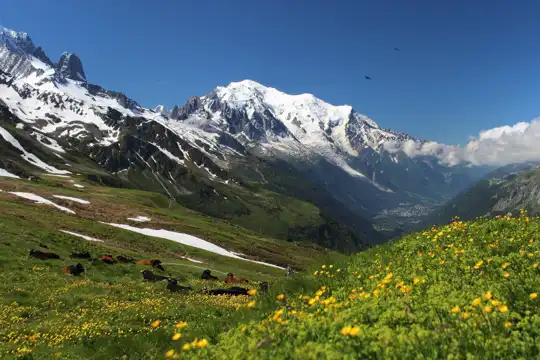
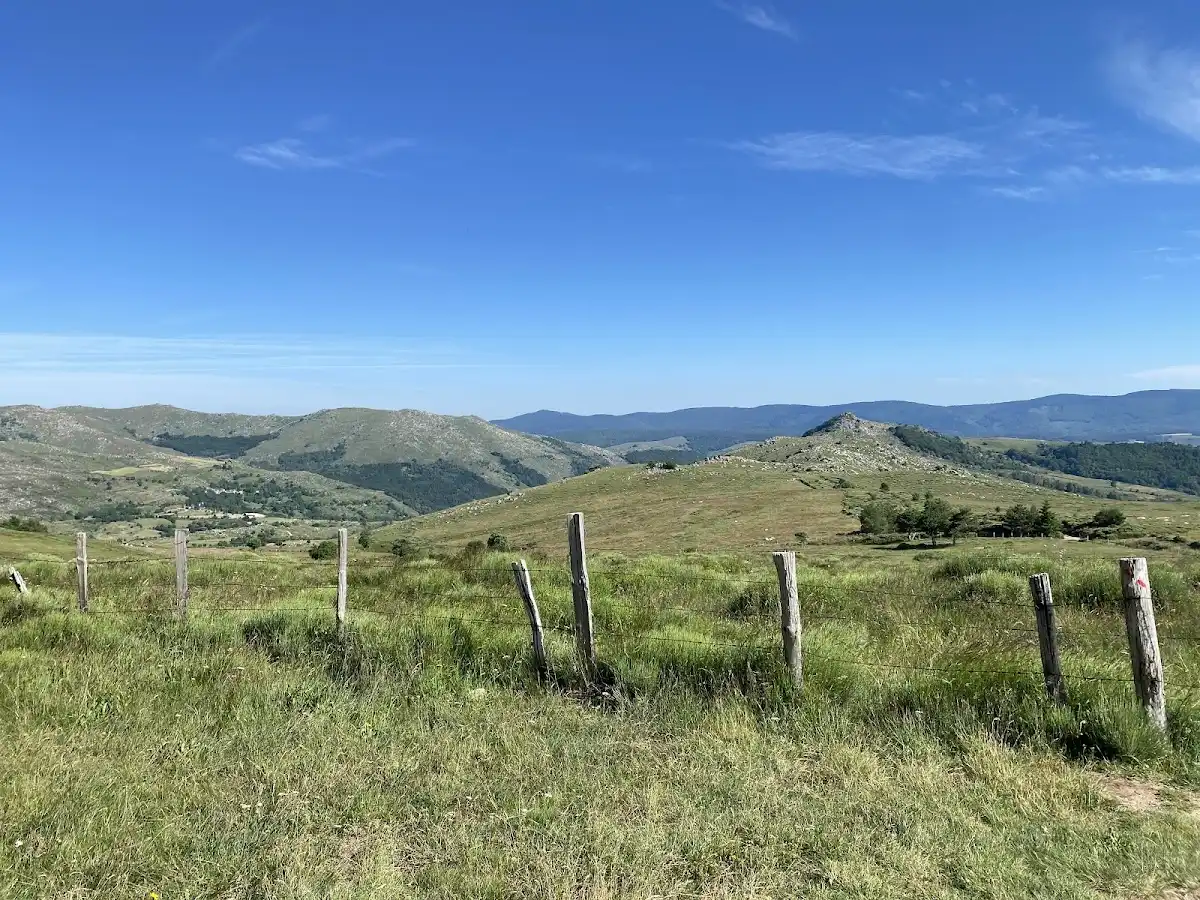
Alps, Pyrenees, Corsica's granite spine, the Massif Central volcanoes, the Vosges and Atlantic and Mediterranean coastlines, so one country covers glacier terrain, limestone gorges and sea cliffs. Few places in Europe offer …
read more 👉France is the best-suited country in Western Europe for walking, and the reason is structural. The GR network of waymarked long-distance paths (red and white blazes) totals roughly 60,000 kilometers, maintained by the Fédération Française de Randonnée and volunteer clubs. A route marked GR5 or GR20 means the same thing everywhere: continuous waymarking, regular junction signs and a documented line on IGN maps. That consistency is rarer than it sounds. Compare it with Italy, where waymarking quality shifts from valley to valley.
Geography does the rest. France holds the Alps, Pyrenees, Corsica's granite spine, the Massif Central volcanoes, the Vosges and Atlantic and Mediterranean coastlines, so one country covers glacier terrain, limestone gorges and sea cliffs. Few places in Europe offer that range without a border crossing.
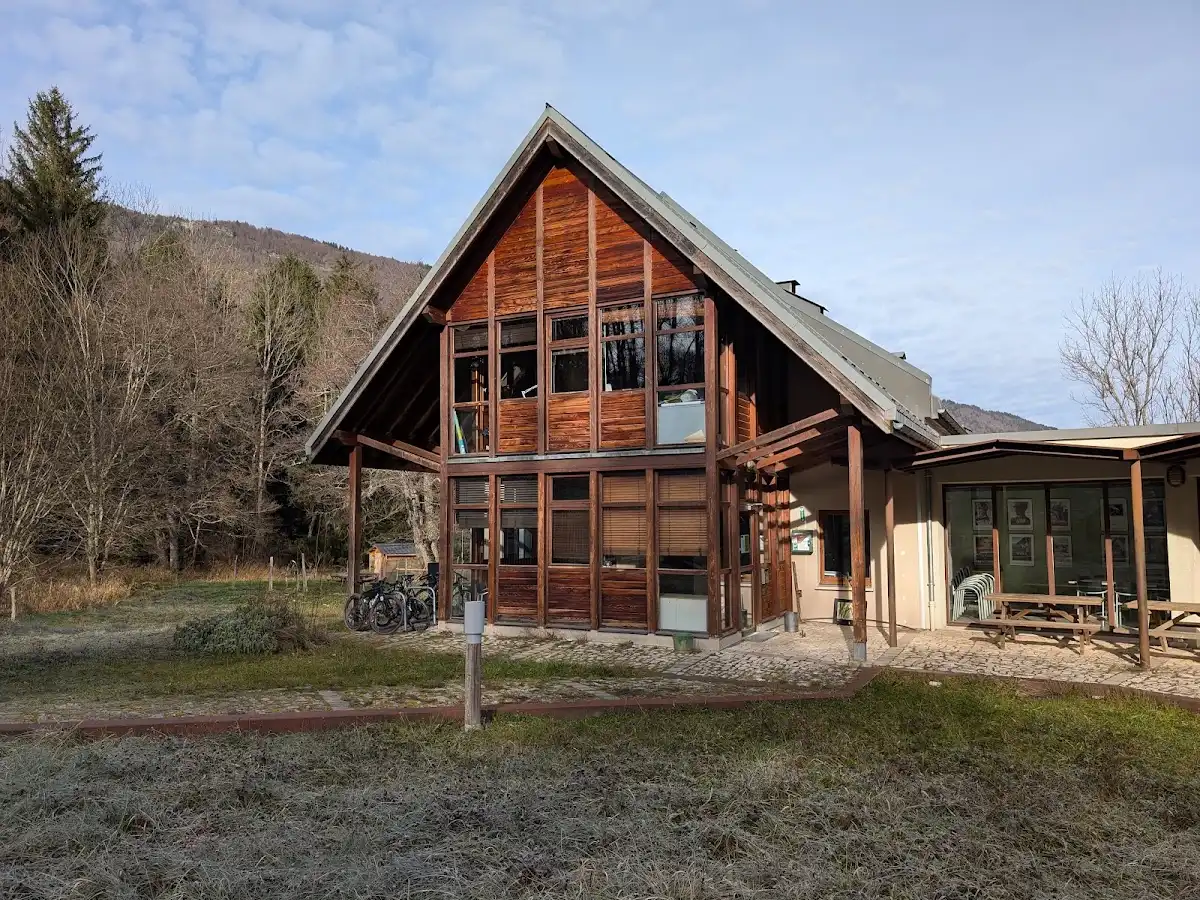
History supplies the refuge and village system. Centuries of pastoral life left mule tracks, shepherd huts and mountain hamlets that now work as stage points. Staffed alpine huts (refuges) sell dinner and breakfast, typically €50 to 80 for half-board, and gîtes d'étape in villages cost about €20 to 40 a night. Food and a bed every evening means lighter packs.
What to know before choosing France: July and August crowds fill popular refuges, so booking ahead is normal, not optional, on the busiest routes. Mountain huts often operate only from about mid-June to mid-September. Rural public transport is thin, and trailheads in the Pyrenees, Corsica and the Alps frequently need a bus that runs once or twice a day, or a taxi. Skip the idea of spontaneous plans in the high season.
The language barrier matters more than in Germany or the Netherlands. Hut staff and village shopkeepers often speak little English, and basic French greetings change the reception. Lunch closures (many shops shut from 12:00 to 15:00 or 16:00) and Sunday closures in small villages catch out unprepared walkers. Carry food for a full day.
The verdict: France rewards organized independent walkers who plan huts and buses, and it punishes improvisers in summer. Outside the mountains, the lowland trails are pleasant but rarely worth a special trip.
Our Approach to Ranking
The list of best hikes in France is created based on scenery, challenge, trail quality, landmarks, and overall enjoyment. If you feel a hike is missing in this list, please let us know.
v2.webp)




 Best Backpacking
.jpg) Hi, I’m Johan (Netherlands 🇳🇱), the creator of TakeYourBackpack. Over the past 3 decades, I’ve backpacked through 90+ countries across six continents, gaining extensive experience with independent travel, long-term trips, and overland routes.
Hi, I’m Johan (Netherlands 🇳🇱), the creator of TakeYourBackpack. Over the past 3 decades, I’ve backpacked through 90+ countries across six continents, gaining extensive experience with independent travel, long-term trips, and overland routes.