How many towns: I would advise visiting four to six towns in Hungary on a trip of one to two weeks. Fewer than four and you miss the contrast between regions. More than six and you spend your days on platforms and in bus stations, because regional transfers often take two to four hours door to door.
Choosing the kind of town: Match the type to your style. If you want
easy access and social hostels, pick Danube Bend and Balaton places, which are close to Budapest and have the most beds. If you want
wine and cellar culture, choose Eger or Tokaj, where tasting in a tuff cellar at about 12°C costs roughly 3,000 to 8,000 forints (US$8 to 22) a session. For
quiet, local life and low prices, choose the Great Plain, where you will hear more Hungarian than English and eat in canteen-style restaurants. …
read more 👉 How many towns: I would advise visiting four to six towns in Hungary on a trip of one to two weeks. Fewer than four and you miss the contrast between regions. More than six and you spend your days on platforms and in bus stations, because regional transfers often take two to four hours door to door.
Choosing the kind of town: Match the type to your style. If you want
easy access and social hostels, pick Danube Bend and Balaton places, which are close to Budapest and have the most beds. If you want
wine and cellar culture, choose Eger or Tokaj, where tasting in a tuff cellar at about 12°C costs roughly 3,000 to 8,000 forints (US$8 to 22) a session. For
quiet, local life and low prices, choose the Great Plain, where you will hear more Hungarian than English and eat in canteen-style restaurants. For
architecture and a cleaner, Austrian feel, pick the western border towns.
What it costs: Budget US$35 to 55 a day in towns outside Budapest: dorm beds run 6,000 to 12,000 forints (US$16 to 32), a daily menu lunch 2,500 to 4,500 forints (US$7 to 12), and a beer in a pub 700 to 1,500 forints (US$2 to 4). Per visit, expect museum or castle entry at 1,500 to 4,000 forints (US$4 to 11), thermal baths at 3,000 to 7,000 forints (US$8 to 20), and regional train fares of 2,000 to 6,000 forints (US$5 to 16) per leg. A guided walking tour, where one runs, usually costs 3,000 to 8,000 forints (US$8 to 22). Lake Balaton in July and August can push daily costs toward US$60 to 80.
Safety and etiquette: Hungarian towns are generally safe, with petty theft the main concern around train stations and crowded festivals. Validate your ticket before boarding, because inspectors on trains and buses issue on-the-spot fines of 8,000 to 16,000 forints (US$22 to 44) and rarely accept ignorance as an excuse. Carry some cash: small guesthouses, cellars and market stalls often do not take cards. Greet shopkeepers with “jó napot” and say “szia” among younger people, as it is expected on entering a shop. Tipping of 10 to 15 percent is normal in restaurants, and some add a service charge already, so check the bill. Drivers who have had even one drink break the law, because the legal limit is zero.
What makes the trip worth it: The reward is in small details: the sharp tang of fresh paprika in a market, the creak of a wooden cellar door, steam rising from a thermal pool on a frosty morning, and the slow clop of a Baroque square at dusk. Accept the early closing times and the slow trains, and Hungary’s towns feel unhurried and affordable.
v2.webp)

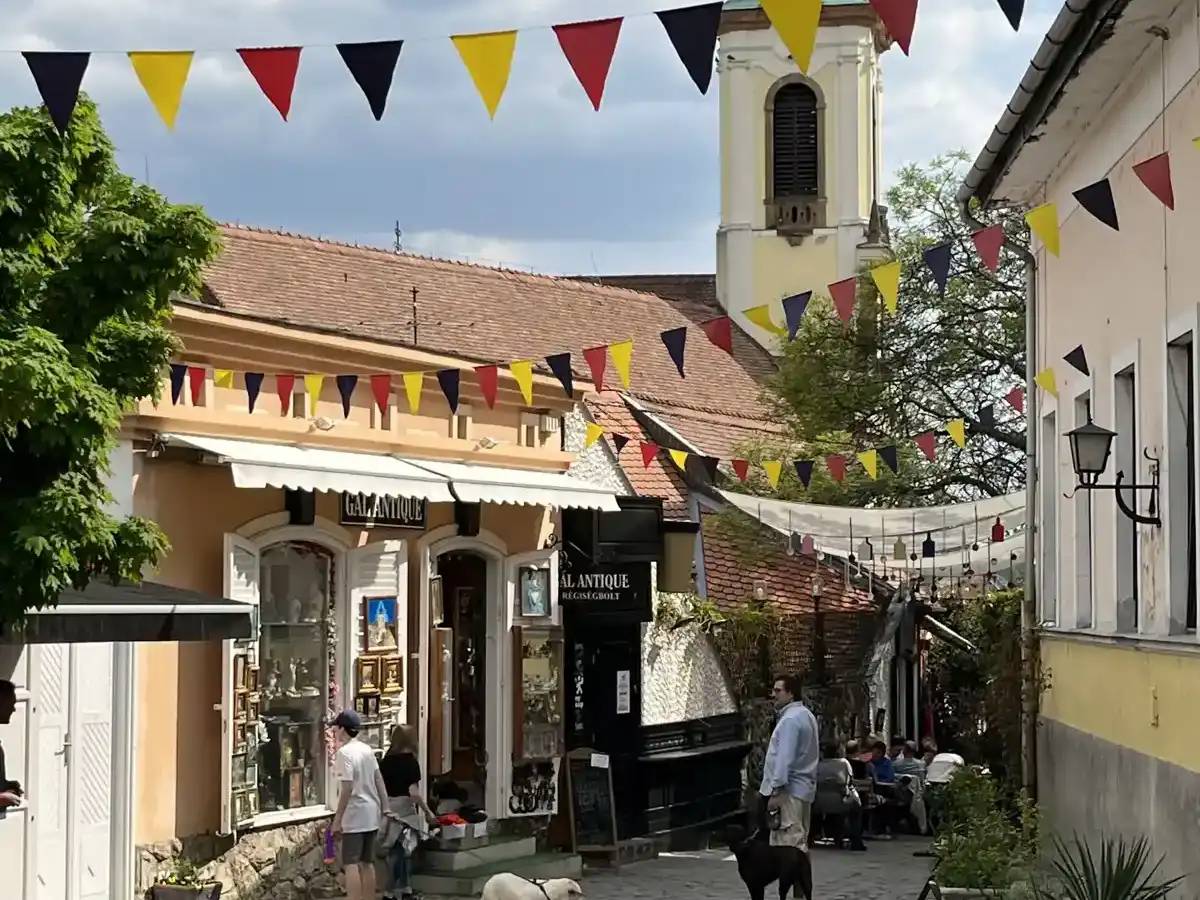


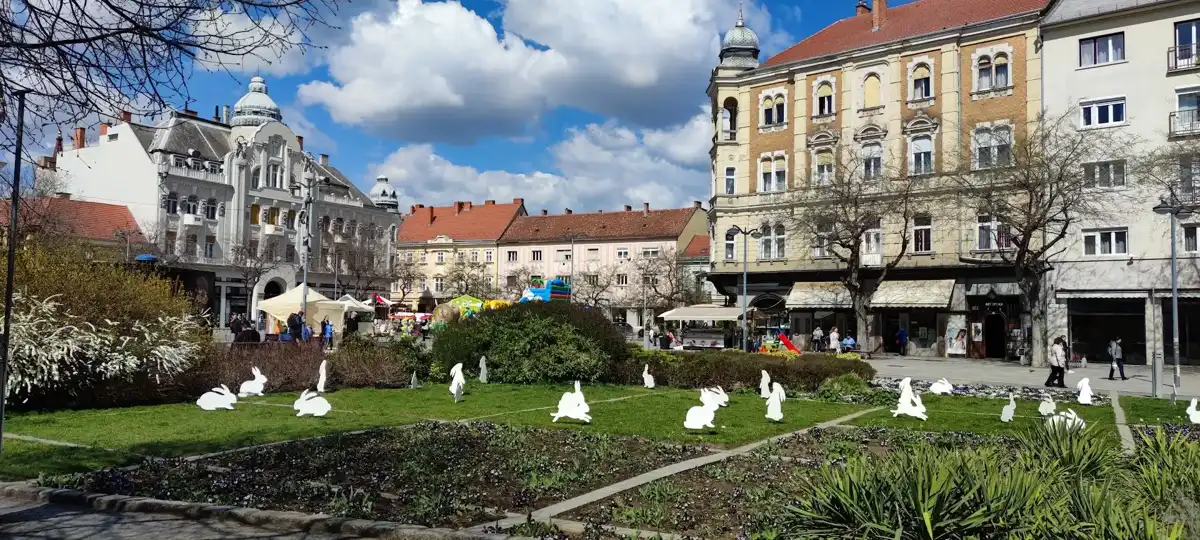


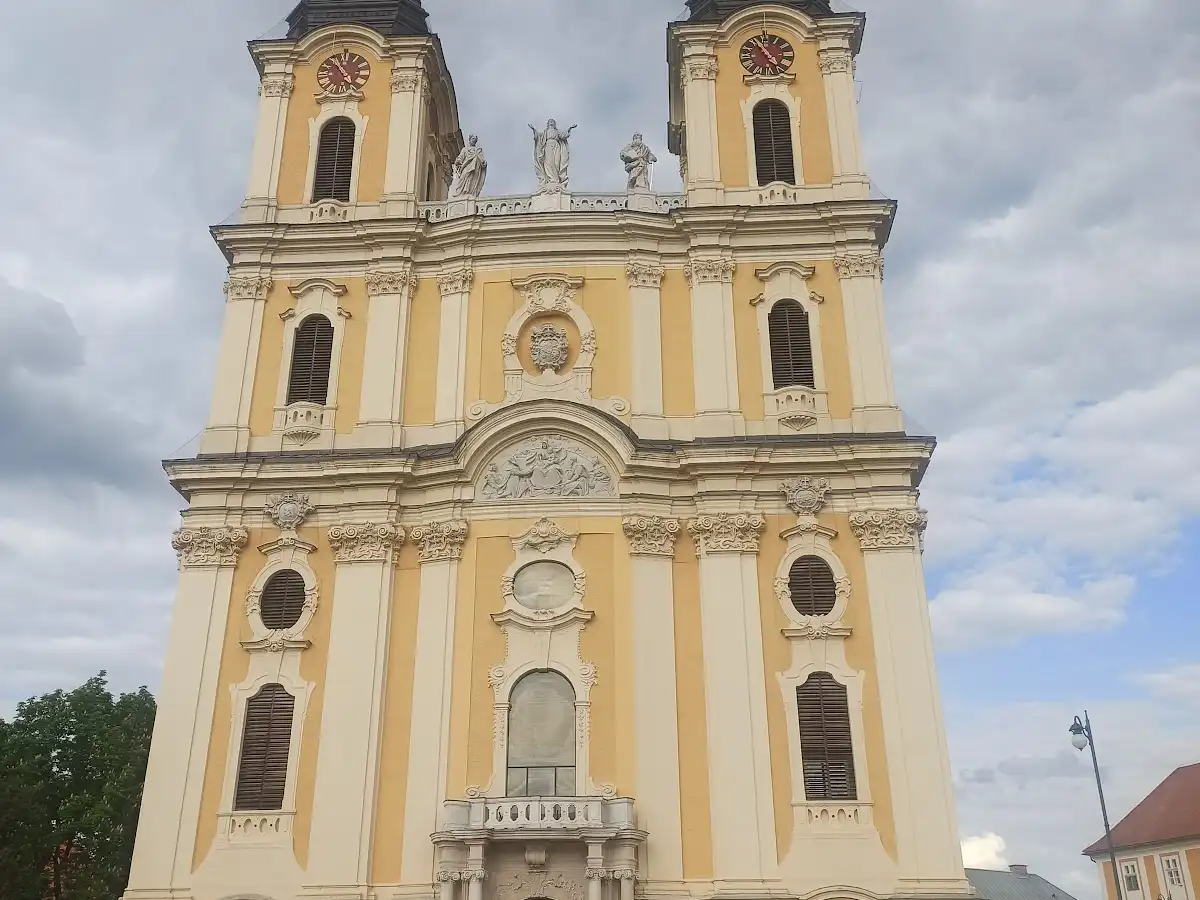

 Best Backpacking
.jpg) Hi, I’m Johan (Netherlands 🇳🇱), the creator of TakeYourBackpack. Over the past 3 decades, I’ve backpacked through 90+ countries across six continents, gaining extensive experience with independent travel, long-term trips, and overland routes.
Hi, I’m Johan (Netherlands 🇳🇱), the creator of TakeYourBackpack. Over the past 3 decades, I’ve backpacked through 90+ countries across six continents, gaining extensive experience with independent travel, long-term trips, and overland routes.