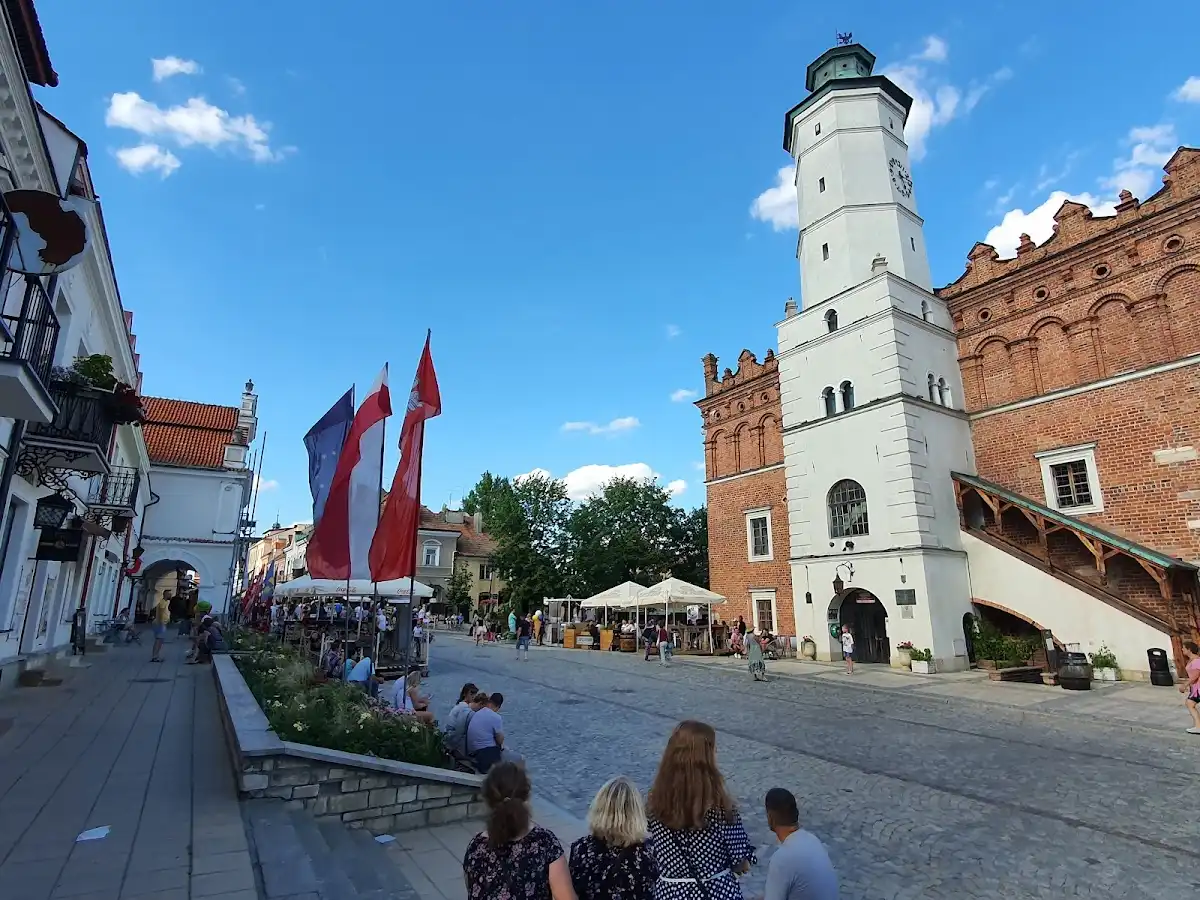
How many towns: Visit four to six towns on a trip of one to two weeks. That gives each place one to three nights, enough to see the center in daylight, eat a slow meal and leave without rushing. Going beyond six means more days on trains than on streets, and the towns start to blur, since the market-square layout repeats.
Choosing the kind: Match the type to your style. If you want history and museums, prioritize the
southern and Silesian towns, which have the densest sights. For beaches, brick architecture and a younger crowd, choose
Baltic towns, accepting summer crowds. If you want low costs and quiet, choose
eastern towns, with fewer English speakers and fewer late-evening options. For ease and speed,
western and central cities have the best rail links and the most hostels. Mixing one busy …
read more 👉 How many towns: Visit four to six towns on a trip of one to two weeks. That gives each place one to three nights, enough to see the center in daylight, eat a slow meal and leave without rushing. Going beyond six means more days on trains than on streets, and the towns start to blur, since the market-square layout repeats.
Choosing the kind: Match the type to your style. If you want history and museums, prioritize the
southern and Silesian towns, which have the densest sights. For beaches, brick architecture and a younger crowd, choose
Baltic towns, accepting summer crowds. If you want low costs and quiet, choose
eastern towns, with fewer English speakers and fewer late-evening options. For ease and speed,
western and central cities have the best rail links and the most hostels. Mixing one busy and one quiet type tends to balance a trip.
Budget: A backpacker can manage on about 200 to 300 PLN (roughly US$50 to 75) a day in popular towns, and 150 to 220 PLN (US$38 to 55) in smaller or eastern places. Dorm beds usually run 60 to 120 PLN (US$15 to 30), cheaper off-season. Simple bar mleczny milk bar meals cost 15 to 30 PLN (US$4 to 8), and a restaurant main is 40 to 70 PLN (US$10 to 18). Museum and castle entry typically costs 15 to 40 PLN (US$4 to 10), with some free on one day a week. Guided tours are 50 to 150 PLN (US$13 to 38) a person for a walking tour or special site. Regional trains cost about 20 to 80 PLN (US$5 to 20) per leg, with discounts for early booking on longer routes.
Crowds and costs: Be realistic: the best-known squares fill with tour groups from late morning to early evening in summer, and prices there are noticeably higher than a street away. Go early or after dinner, and eat off the main square, where menus drop by 20 to 30 percent. The reward is architecture that rewards close looking, such as painted facades, brick gables and church interiors, and local food at prices that remain low for Europe.
Safety and culture: Poland is safe for solo travelers, and violent crime against visitors is rare. Pickpocketing happens in crowded stations and on trams, so keep valuables in front. Cash is less necessary than in the past, since cards and contactless payments work almost everywhere, but small kiosks and rural buses may want coins. Churches are active places of worship, so dress modestly and keep quiet during services. Many shops close on Sundays under trading restrictions, so buy supplies on Saturday. Memorial sites connected to the war and the Holocaust call for restraint, and photography rules vary, so follow posted signs. Tap water is safe, and tipping of about 10 percent is customary in sit-down restaurants.




 Best Backpacking
 Hi, I’m Johan (Netherlands 🇳🇱), the creator of TakeYourBackpack. Over the past 3 decades, I’ve backpacked through 90+ countries across six continents, gaining extensive experience with independent travel, long-term trips, and overland routes.