×

Argentina🇦🇷 | best villagesEssential 5 villages to Explore in Argentina

In Argentina, villages are more than just dots on a map; they embody the heart and soul of the country. Each region offers a unique flavor, from the Andean foothills to the Patagonian plains, and the choices you make can significantly shape your backpacking experience. Villages like Cafayate in the northwest are known for their wine culture and stunning landscapes, while El Chaltén in the south is a haven for hikers, surrounded by breathtaking peaks.

The seasonal nuances are crucial. In summer, the northern villages buzz with festivals, while winter transforms the southern areas into a snowy playground. Your choice of village impacts not just the vibe but also your budget and safety. Some areas are more tourist-friendly, while others offer a raw, authentic experience that might challenge your comfort zone.

Traveling independently means you can dive deep into local customs, but it also requires awareness of logistics. Accessibility varies widely; some villages are easily reached by bus, while others demand a bit more effort. Understanding these dynamics will help you select the right village that aligns with your travel style, ensuring a richer, more immersive experience in this diverse country.

By Johan Kruseman 🇳🇱 | Updated August 24, 2026
Explore the best landmarks in Argentina

Why go?Why These village Stand Out

The villages of Argentina are a tapestry of authenticity and tradition, standing apart from those in other countries due to their deep-rooted cultural practices and stunning landscapes. These communities often embody a slower pace of life, where age-old customs are not just preserved but celebrated. The gaucho culture, for instance, is alive and well in many rural areas, offering travelers a glimpse into the heart of Argentine identity. This connection to the land and heritage is palpable, making each village a living museum of sorts.

However, accessing these villages comes with trade-offs. Many are tucked away in remote areas, requiring significant travel time to reach. This can be a double-edged sword: while the journey may be long, it often leads to a richer, more immersive experience. … read more 👉
The villages of Argentina are a tapestry of authenticity and tradition, standing apart from those in other countries due to their deep-rooted cultural practices and stunning landscapes. These communities often embody a slower pace of life, where age-old customs are not just preserved but celebrated. The gaucho culture, for instance, is alive and well in many rural areas, offering travelers a glimpse into the heart of Argentine identity. This connection to the land and heritage is palpable, making each village a living museum of sorts.

However, accessing these villages comes with trade-offs. Many are tucked away in remote areas, requiring significant travel time to reach. This can be a double-edged sword: while the journey may be long, it often leads to a richer, more immersive experience. The deeper you go into the countryside, the more you engage with local traditions and the natural beauty that surrounds them. But this also means sacrificing the convenience of urban infrastructure. Roads can be rough, and public transport may be sparse, especially in the off-season.

Seasonal accessibility is another crucial factor. Some villages are best visited during the warmer months, when the weather is more forgiving and local festivals are in full swing. In contrast, winter can bring harsh conditions that limit access and dampen the experience. Travelers must weigh the benefits of visiting during peak seasons against the potential crowds and higher costs.

Argentina’s geography plays a significant role in this dynamic. The vast landscapes range from the Andes to the Pampas, creating diverse climates and ecosystems. This variety enhances the experience but also complicates logistics. Some areas may be stunningly beautiful yet challenging to navigate, requiring careful planning and flexibility.

Culturally, Argentina is rich in history, influenced by indigenous peoples, European settlers, and waves of immigration. This melting pot creates a unique atmosphere in its villages, where traditions blend and evolve. However, this complexity can also mean that not every village will offer the same level of engagement or authenticity.

Ultimately, the choice to explore Argentina’s villages is about balancing time, money, and comfort. The deeper you venture into the countryside, the more you may sacrifice convenience for a genuine connection to the land and its people. Understanding these trade-offs is essential for making informed decisions that lead to meaningful experiences.
How the List Was Created
The list of best villages in Argentina is created based on authenticity, scenic beauty, community spirit, traditions, and overall character. If you feel a village is missing in this list, please let us know.

When to go?Timing Your Visit for the Best Experience

Seasonality in Argentina’s Villages


Argentina’s villages pulse with life, but the rhythm changes with the seasons. Understanding this is crucial for making the most of your visit.

Weather Patterns


The climate varies significantly across the country. In the north, expect a subtropical climate with hot summers and mild winters. The central regions experience a temperate climate, while the south can be quite cold, especially in winter. Rainfall is common in the summer months, particularly in the north and central areas.

Optimal Visiting Seasons


The best time to explore villages generally falls between late spring and early autumn. This period, roughly from October to April, offers pleasant weather and vibrant local activities. During these months, agricultural festivals and traditional … read more 👉

Seasonality in Argentina’s Villages


Argentina’s villages pulse with life, but the rhythm changes with the seasons. Understanding this is crucial for making the most of your visit.

Weather Patterns


The climate varies significantly across the country. In the north, expect a subtropical climate with hot summers and mild winters. The central regions experience a temperate climate, while the south can be quite cold, especially in winter. Rainfall is common in the summer months, particularly in the north and central areas.

Optimal Visiting Seasons


The best time to explore villages generally falls between late spring and early autumn. This period, roughly from October to April, offers pleasant weather and vibrant local activities. During these months, agricultural festivals and traditional events are in full swing, providing a genuine glimpse into rural life.

Shoulder Seasons


Visiting during the shoulder seasons—spring (September to November) and autumn (March to May)—can be a smart choice. Crowds are thinner, and prices for accommodations often drop. However, weather can be unpredictable. Spring may bring rain, while autumn can be chilly, especially in southern regions. These trade-offs can lead to a more intimate experience, but travelers should be prepared for varying conditions.

Peak Periods


Peak tourist seasons, particularly around major holidays and summer months, can lead to overcrowded villages. While the atmosphere is lively, the experience may feel less authentic. Prices for lodging and activities typically spike during these times. If seeking a genuine connection with local culture, consider timing your visit to avoid these peaks.

Seasonal Constraints


Accessibility can also be affected by the seasons. Heavy rains can disrupt travel plans, particularly in rural areas where roads may become impassable. Winter can bring snow in southern regions, limiting access to some villages. Understanding these constraints is essential for planning a smooth trip.

In summary, the timing of your visit to Argentina’s villages can significantly influence your experience. Weigh the trade-offs between weather, crowd levels, and costs to ensure your journey aligns with your expectations.

village hoppingSuggested Travel Strategies

Routing Logic
To efficiently combine the best villages of Argentina, start by clustering regions. Think of the country as a patchwork quilt. Each square represents a unique experience. The northwest, with its Andean backdrop, contrasts sharply with the lush landscapes of the northeast. Begin in one region and work your way through neighboring villages to minimize travel time. For example, after exploring the Salta region, head south to Cafayate, then east to the charming village of Cachi. This keeps the journey fluid and allows for deeper exploration.

Time Considerations
Each stop deserves attention. Aim for at least two nights in each village to soak in the local culture and scenery. This pacing allows for leisurely strolls through markets, sampling local cuisine, and engaging with residents. … read more 👉
Routing Logic
To efficiently combine the best villages of Argentina, start by clustering regions. Think of the country as a patchwork quilt. Each square represents a unique experience. The northwest, with its Andean backdrop, contrasts sharply with the lush landscapes of the northeast. Begin in one region and work your way through neighboring villages to minimize travel time. For example, after exploring the Salta region, head south to Cafayate, then east to the charming village of Cachi. This keeps the journey fluid and allows for deeper exploration.

Time Considerations
Each stop deserves attention. Aim for at least two nights in each village to soak in the local culture and scenery. This pacing allows for leisurely strolls through markets, sampling local cuisine, and engaging with residents. A typical village visit can range from 24 to 48 hours, depending on activities. Rushing through will sacrifice the essence of each place.

Common Planning Mistakes
One major pitfall is over-scheduling. Travelers often cram too many stops into a tight timeframe, leading to exhaustion rather than enjoyment. Another mistake is underestimating travel times between villages. While distances may seem short on a map, winding roads and rural transport options can extend travel time significantly. Always factor in potential delays and the need for breaks.

Trade-Offs and Constraints
Speed versus depth is a constant battle. If the goal is to tick off as many villages as possible, expect to miss the nuances that make each place special. Conversely, if comfort and immersion are prioritized, the journey may take longer and cost more. Budget constraints can also affect choices; opting for local transport instead of private transfers can save money but may require more time and effort.

Flexibility and Strategic Planning
Embrace a flexible itinerary. Weather and seasonal accessibility can impact travel plans, especially in rural areas. Some villages may be less accessible during certain months, so research seasonal patterns. Always have a backup plan. This adaptability allows for spontaneous discoveries, which often lead to the most memorable experiences.

In the end, the journey through Argentina’s villages is about savoring the moments, not just the destinations. Prioritize what matters most to you, and let the rhythm of the land guide your adventure.

The ListTop villages of Argentina

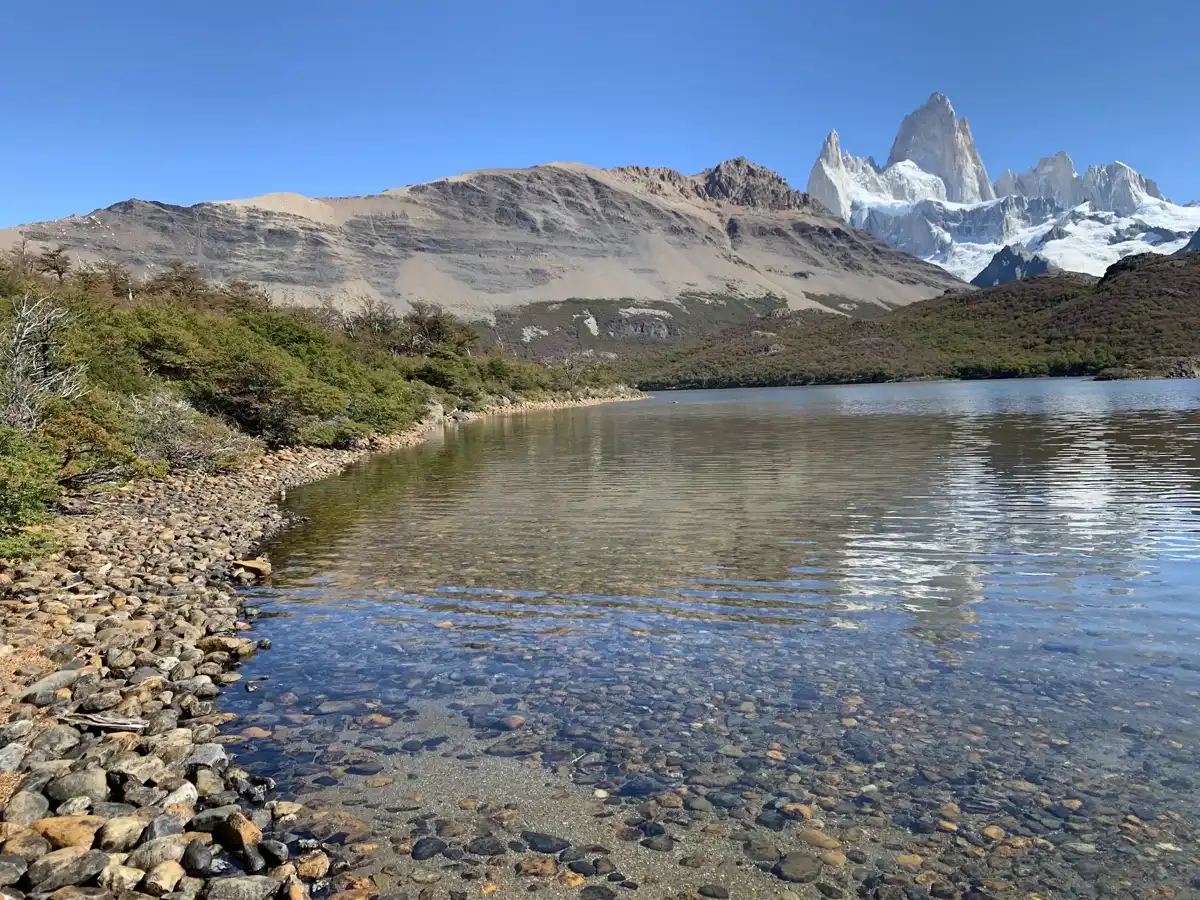
1 El Chaltén

Patagonian peaks, trekking base, Fitz Roy views

Hike directly from the village into glacier-fed valleys and rugged mountain trails, with daily life shaped by the rhythm of outdoor adventure.

argentina-city-el-chalten
© Google | Guadalupe Sosa

2 La Cumbrecita

Pedestrian village, alpine architecture, pine forests

Wander car-free lanes lined with wooden chalets, then follow forested paths to waterfalls and quiet mountain viewpoints.

3 Villa Pehuenia

Lakeshore setting, monkey puzzle forests, volcanic backdrop

Settle into a lakeside rhythm among ancient trees, with volcanic peaks and Mapuche culture influencing daily routines and local cuisine.

argentina-city-villa-pehuenia v1
© Google |

4 Potrerillos

Reservoir lake, Andean foothills, mountain cabins

Relax by clear blue waters framed by arid slopes, with easy access to kayaking, fishing, and panoramic drives through the pre-cordillera.

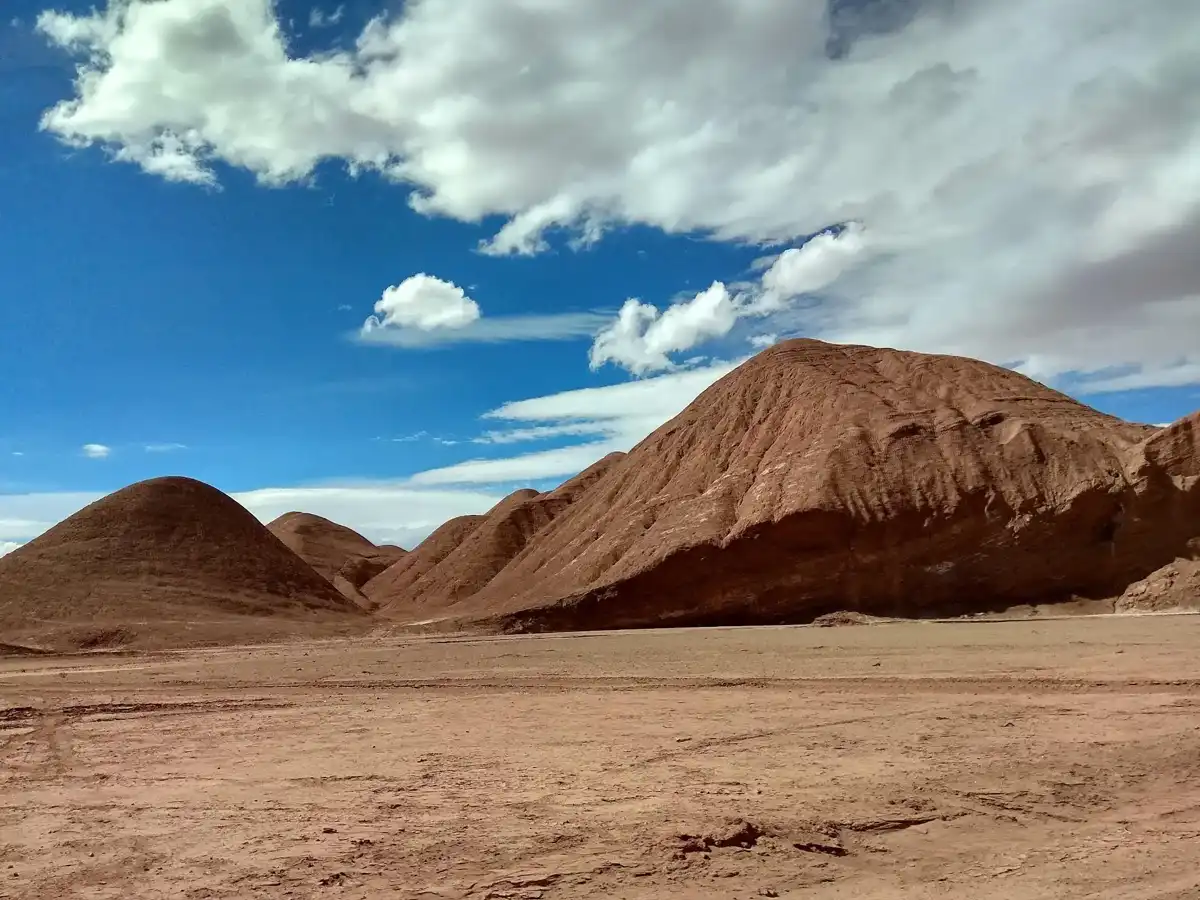
5 Tolar Grande

Salt flats, red desert, remote outpost

Experience stark landscapes shaped by wind and salt, where basic amenities meet surreal geology and wide-open skies.

Loading the map 🌍

Expert viewTips and Advice from Travelers

Accessibility
Argentina’s villages are a mixed bag when it comes to accessibility. Some are easily reachable via well-maintained roads or public transport, while others require a bit of grit and determination. If you’re planning to visit around the peak tourist season, expect crowded buses and limited accommodations. The trade-off here is time versus comfort. You can choose to spend hours on a bus to save money, or you can splurge on a private transfer for a smoother ride. Just know that the more remote the village, the less reliable the transport options. If you’re not comfortable with a bit of uncertainty, stick to the more accessible spots.

Seasonal Variation
Timing is everything in Argentina. The seasons dictate not just the weather but also the vibe of the villages. Summer brings festivals … read more 👉
Accessibility
Argentina’s villages are a mixed bag when it comes to accessibility. Some are easily reachable via well-maintained roads or public transport, while others require a bit of grit and determination. If you’re planning to visit around the peak tourist season, expect crowded buses and limited accommodations. The trade-off here is time versus comfort. You can choose to spend hours on a bus to save money, or you can splurge on a private transfer for a smoother ride. Just know that the more remote the village, the less reliable the transport options. If you’re not comfortable with a bit of uncertainty, stick to the more accessible spots.

Seasonal Variation
Timing is everything in Argentina. The seasons dictate not just the weather but also the vibe of the villages. Summer brings festivals and a lively atmosphere, but it also means higher prices and more tourists. Winter, on the other hand, offers a quieter experience, but some villages may feel like ghost towns. If you’re after authentic interactions, consider visiting during the shoulder seasons—spring and fall. You’ll find fewer tourists and more opportunities to connect with locals. The trade-off? You might miss out on some seasonal events, but the intimacy of a quieter village can be worth it.

Authenticity
Authenticity is a buzzword that often gets thrown around, but in Argentina, it’s a tangible experience. The best villages are those where you can immerse yourself in local culture—think traditional crafts, local cuisine, and community events. However, the more “authentic” the experience, the more effort it may take to get there. Some villages are off the beaten path, requiring a bit of planning and flexibility. If you’re willing to invest the time, you’ll be rewarded with genuine interactions and a deeper understanding of Argentine life. The trade-off here is comfort; the more you venture into the less-traveled areas, the more you may have to adapt to local customs and infrastructure.

Pacing Between Rural Stops
When planning your route, pacing is crucial. You can easily burn out if you try to cram too many villages into a short timeframe. Aim for three to five villages, allowing at least two to three days in each to soak up the local culture and scenery. This pacing lets you appreciate the nuances of each place without feeling rushed. The trade-off is that you may miss out on seeing more villages, but the depth of experience in each will be far more rewarding. Consider the distances between villages; some may seem close on a map but can take hours to traverse due to road conditions.

Safety & Cultural Considerations
Safety is a valid concern, especially in rural areas where resources may be limited. While most villages are safe, it’s wise to stay aware of your surroundings and respect local customs. Dress modestly and be mindful of cultural norms; what’s acceptable in one village may not be in another. Engaging with locals can enhance your experience, but always approach with respect. The trade-off here is between comfort and cultural immersion. You might feel more at ease sticking to tourist-friendly spots, but you’ll miss out on the richness of local life.

Planning and Prioritizing Villages
When it comes to planning your village-hopping adventure, prioritize based on what you want to experience. Are you after stunning landscapes, rich history, or culinary delights? Each region has its own flavor, so do your homework. Look for villages that align with your interests, but also be flexible. Sometimes the best experiences come from unplanned stops. Keep in mind that some villages may require more time to explore due to their size or the activities available. The trade-off is between a tightly packed itinerary and a more relaxed approach that allows for spontaneity.

Budgeting for Villages
Your budget will also dictate your choices. Some villages are more touristy and come with higher price tags, while others are budget-friendly but may lack certain amenities. If you’re looking to stretch your dollars, consider staying in hostels or guesthouses run by locals. This not only saves money but also offers a more authentic experience. The trade-off here is comfort versus cost; you might sacrifice some luxury for a more genuine connection with the community.

Final Thoughts
Ultimately, the key to enjoying Argentina’s villages lies in balancing your priorities. Whether you’re after comfort, authenticity, or a whirlwind of experiences, understanding the trade-offs will help you make informed choices. Embrace the journey, and remember that the best stories often come from the unexpected detours along the way.

✈️ The backpacker research shortcutArgentina Travel Guide

An offline-friendly backpacking guide with optimized travel routes, ranked highlights, transport advice, and the best areas to stay.
example page 0 from our offline Travel Guide for Argentina
example page 1 from our offline Travel Guide for Argentina
example page 2 from our offline Travel Guide for Argentina
example page 3 from our offline Travel Guide for Argentina
example page 4 from our offline Travel Guide for Argentina
example page 5 from our offline Travel Guide for Argentina
example page 6 from our offline Travel Guide for Argentina
example page 7 from our offline Travel Guide for Argentina
The digital guide (505 pages) contains:
135 highlights, ranked by travel appeal
Optimized 14, 21 & 30-day travel routes
Cities, national parks, landmarks, beaches
How to get around
Offline-friendly for travel without Wi-Fi
👉 Click to see all 30+ guide features

📅 Plan smarter in minutes, not weeks
Month by month travel advice
Festivals & national holidays
Budget expectations

🗺️ Go to the right places, skip the overrated ones
Honest pros & cons of destinations
Top hikes, parks & viewpoints
Lesser-known places most travelers miss
Clear “worth it vs skip it” guidance

🛏️ Travel smoothly without rookie mistakes
Best areas to stay
Transport systems explained simply
Common scams & safety advice
SIM cards, money & practical tips

🌍 Understand the country, not just visit it
Culture & traditions
52 Essential phrases & customs
Festivals worth planning around
Traveler-friendly historical context
Insights that make places more meaningful

📱 Built for real travel conditions
Fully downloadable PDF
Works completely offline
Optimized for phone use
Useful in remote areas & buses
Everything in one place
Save weeks of stressful planning
Get instant access to your full guide. 30‑day money-back guarantee.
+ Add another guide for just US$7.80

By proceeding you agree to our terms.
Sent to your inbox immediately after payment • 100% Secure Checkout
Best Backpacking Travel Advisor 2025 tourism awardBest Backpacking
Travel Advisor
2025
What others say about Take Your Backpack Guides:
⭐⭐⭐⭐⭐
Fantastic, amazing amount of information!
⭐⭐⭐⭐⭐
My goodness this is amazing, it's what I've been looking for hats off too you!
⭐⭐⭐⭐⭐
I think this is absolutely BRILLIANT
⭐⭐⭐⭐
Very complete and informative. It's still missing places, but I gotta to commend you
⭐⭐⭐⭐⭐
This is truly amazing, thank you, can't wait to explore it with my kids!
⭐⭐⭐⭐⭐
Awesome resource, thank you!
⭐⭐⭐⭐⭐
This is amazing! Can't wait to explore the ones I haven't seen
⭐⭐⭐⭐
I love this! Well done, great idea.
⭐⭐⭐⭐⭐
Thanks for taking the time to make this gem!
⭐⭐⭐⭐⭐
This might be the best website I've ever seen.
⭐⭐⭐⭐⭐
Congratulations, and thank you so much for your work; it's incredibly valuable.
⭐⭐⭐⭐
In all seriousness I think you did a great job pointing out the important spots
⭐⭐⭐⭐⭐
10/10 very good
⭐⭐⭐⭐⭐
As someone who's only just starting to visit regularly this is awesome, thank you.
⭐⭐⭐⭐
Thank you very much! I'm going to visit my dad, it's going to be very useful!
⭐⭐⭐⭐⭐
This is really cool! We'll be travelling for the first time and this definitely come in handy.
⭐⭐⭐⭐⭐
You are now our minister of culture, congratulations 👨‍💼
⭐⭐⭐⭐⭐
Just wanted to tell you that this is a pearl! Going to follow your recommendations.
⭐⭐⭐⭐⭐
This is so cool. I'll definitely be using the resource for my travels soon.
⭐⭐⭐⭐⭐
This is very impressive! Good work.
⭐⭐⭐⭐⭐
This is an amazing and informative site. Very well done!

🛏️ Where to stay?Where to Base Yourself

hostels and budget accommodation are widespread across Argentina, with the most options in Buenos Aires (Palermo, San Telmo, Microcentro, Recoleta), Mendoza (city centre and Chacras de Coria), Bariloche (centro), El Calafate (centro) and Puerto Iguazú (town centre).

Palermo has nightlife, cafés and many hostel choices but is noisier and often pricier; San Telmo offers historic charm and markets with a strong backpacker vibe but can feel less safe late at night; Microcentro and Recoleta give the best transit links and museums yet are quieter after dark and more touristy; Mendoza centre and Chacras are walkable to vineyards and plazas but farther from mountain trails; Bariloche centro is convenient … read more 👉
hostels and budget accommodation are widespread across Argentina, with the most options in Buenos Aires (Palermo, San Telmo, Microcentro, Recoleta), Mendoza (city centre and Chacras de Coria), Bariloche (centro), El Calafate (centro) and Puerto Iguazú (town centre).

Palermo has nightlife, cafés and many hostel choices but is noisier and often pricier; San Telmo offers historic charm and markets with a strong backpacker vibe but can feel less safe late at night; Microcentro and Recoleta give the best transit links and museums yet are quieter after dark and more touristy; Mendoza centre and Chacras are walkable to vineyards and plazas but farther from mountain trails; Bariloche centro is convenient for buses, shops and lake access but fills up in high season; El Calafate centro is the practical base for glacier tours though touristy and cold; Puerto Iguazú town is the cheapest base for the falls with basic services but less nightlife and higher humidity.

If you enjoy meeting fellow travelers, consider choosing hostels with high ratings for atmosphere. On the other hand, if you prefer having your own space, a hotel might be a better option.

ArgentinaExpand Your Journey

👋 Meet the founderWho’s Behind Take Your Backpack?

Johan, backpacker and founder of TakeYourBackpackHi, I’m Johan (Netherlands 🇳🇱), the creator of TakeYourBackpack. Over the past decade, I’ve backpacked through 80+ countries across six continents, gaining extensive experience with independent travel, long-term trips, and overland routes.

This site is built on a combination of firsthand travel experience and carefully curated insights from other backpackers. Many guides are based on places I’ve personally visited, while others bring together tips, observations, and practical advice shared by trusted travelers I’ve met along the way.

The goal is to provide realistic, experience-driven guidance — not generic itineraries — so you can explore destinations with better context, clearer expectations, and more confidence.

Get full Argentina guide •
Instant download • 135 highlights • Full Offline guide