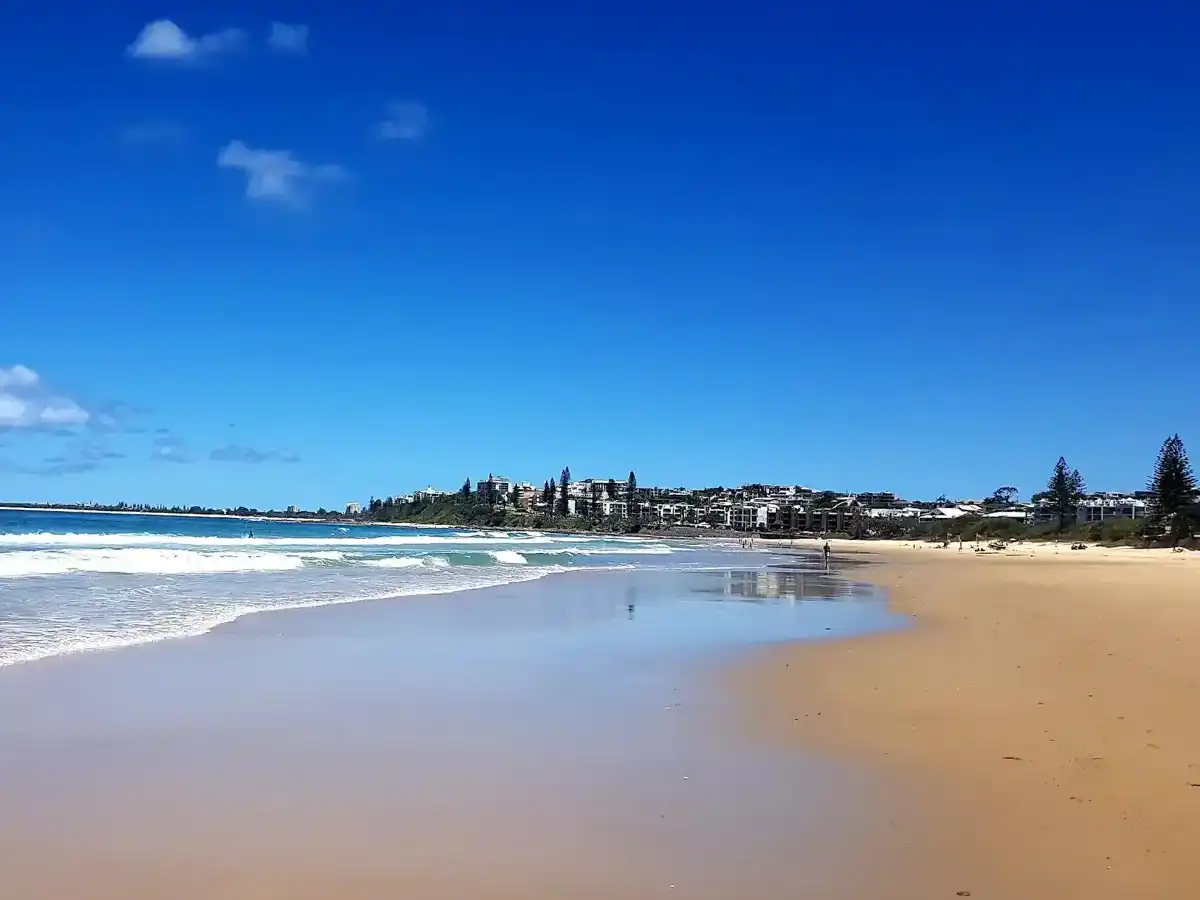
How many beaches to visit: Aim for four to six beach stops in a trip of two to three weeks, and treat everything beyond that as a bonus. The reasoning is simple. Australia is large enough that every extra stop costs a travel day, and a beach needs at least a full day to be worth the trouble. Five stops give you variety (surf, reef, sheltered bay) without turning the holiday into a logistics exam. For a month or more, six to eight is realistic. Beyond that, the sand blurs together and your budget becomes a transport budget.
Choosing the kind of beach: Australia offers three broad types, and each suits a different traveler. Patrolled surf beaches on the east coast are the cheapest in time and effort: close to hostels, lifeguards on duty, surf lessons from around A$60 to 90 (US$40 to 60) for …
read more 👉 How many beaches to visit: Aim for four to six beach stops in a trip of two to three weeks, and treat everything beyond that as a bonus. The reasoning is simple. Australia is large enough that every extra stop costs a travel day, and a beach needs at least a full day to be worth the trouble. Five stops give you variety (surf, reef, sheltered bay) without turning the holiday into a logistics exam. For a month or more, six to eight is realistic. Beyond that, the sand blurs together and your budget becomes a transport budget.
Choosing the kind of beach: Australia offers three broad types, and each suits a different traveler. Patrolled surf beaches on the east coast are the cheapest in time and effort: close to hostels, lifeguards on duty, surf lessons from around A$60 to 90 (US$40 to 60) for a group session. They give a backpacker the most for the least, especially on a first visit or a tight schedule. Tropical reef-edge beaches deliver the postcard water but cost more in money, since reef trips run A$150 to 350 (US$100 to 230) per day, and in seasonal risk from stingers. They are worth the splurge once, for a good reef day, not for repeat visits. Remote western and southern coves cost the most in time and transport, often requiring a rental car at A$50 to 100 (US$33 to 65) a day plus fuel, but they repay with space, clear water and quiet. If you want solitude and are comfortable driving long distances, they give the best return. If you do not drive, skip them and spend that time on the east coast.
One rule helps across the board: pair one easy beach with one effortful one, and your trip balances itself.
What it costs: The beaches themselves are free almost everywhere. Public sand has no entry fee, and showers and changing rooms are usually free. National park beaches may charge vehicle or day-use fees, typically A$12 to 20 (US$8 to 13) per vehicle in some states, and Queensland's islands and Fraser Island require permits that cost around A$60 to 70 (US$40 to 47) per vehicle for access. Parking at popular surf spots in Sydney and the Gold Coast can run A$5 to 20 (US$3 to 13) a day, and that is where a car quietly eats your budget.
For a daily budget, expect A$90 to 140 (US$60 to 95) a day on the east coast staying in dorms (A$35 to 60 a night), eating cheaply, and using buses. Add A$40 to 80 a day if you rent a car or van in the west. Reef trips, surf lessons and island ferries push single days to A$200 or more, so plan two or three of those, not ten. Supermarket food and a cooler cost far less than beachfront cafes, where a coffee runs A$5 to 6 (US$3 to 4) and a burger A$18 to 25 (US$12 to 17).
Where the money is best spent: Spend on a good reef trip, a surf lesson and a rental car for the remote west. Save on beachfront accommodation: one street back is often half the price and the same walk. Skip paid sunbeds and umbrellas, and bring your own shade, since the sand is public and free.
Safety on the sand: Swim between the red and yellow flags, where lifeguards or lifesavers are watching. Rips are the main hazard on surf beaches, and a visitor caught in one should float, signal for help and swim parallel to the shore instead of fighting it. Unpatrolled beaches deserve extra caution, especially in the afternoon when tides and swell shift. Check local signs, which are usually blunt and accurate.
In the tropical north, stingers (box jellyfish and Irukandji) make swimming unsafe from roughly November to May outside netted areas, and wearing a full-body lycra stinger suit is standard. Saltwater crocodiles live in estuaries and coastal waters across the north, so heed the warning signs rather than assuming a pretty beach is safe. Sharks are rare but real, and local advice about recent sightings is worth a minute of your time. Sun is the most common injury: UV is often extreme, and sunburn takes about 15 minutes in strong summer sun. Use SPF 50+, reapply every two hours and wear a hat.
Cultural considerations: Beach culture is relaxed. Topless sunbathing is tolerated at some beaches but not most, and designated clothing-optional beaches are signposted, so assume covered. Respect surf etiquette: the person closest to the breaking wave has priority, and dropping in on someone is the quickest way to make an enemy. Many beaches and coastal areas hold cultural significance for Aboriginal and Torres Strait Islander peoples, and some sites have restricted access or signage, so follow it. Take your rubbish with you, and do not walk on dunes, where fencing protects fragile vegetation. Alcohol is banned on many beaches, with fines of around A$100 or more, so check the signs before opening a cold one.
One practical observation: a wet towel and a car do not mix, so a cheap dry bag saves the whole trip from smelling like a fish market.
v2.webp)


 Best Backpacking
.jpg) Hi, I’m Johan (Netherlands 🇳🇱), the creator of TakeYourBackpack. Over the past 3 decades, I’ve backpacked through 90+ countries across six continents, gaining extensive experience with independent travel, long-term trips, and overland routes.
Hi, I’m Johan (Netherlands 🇳🇱), the creator of TakeYourBackpack. Over the past 3 decades, I’ve backpacked through 90+ countries across six continents, gaining extensive experience with independent travel, long-term trips, and overland routes.