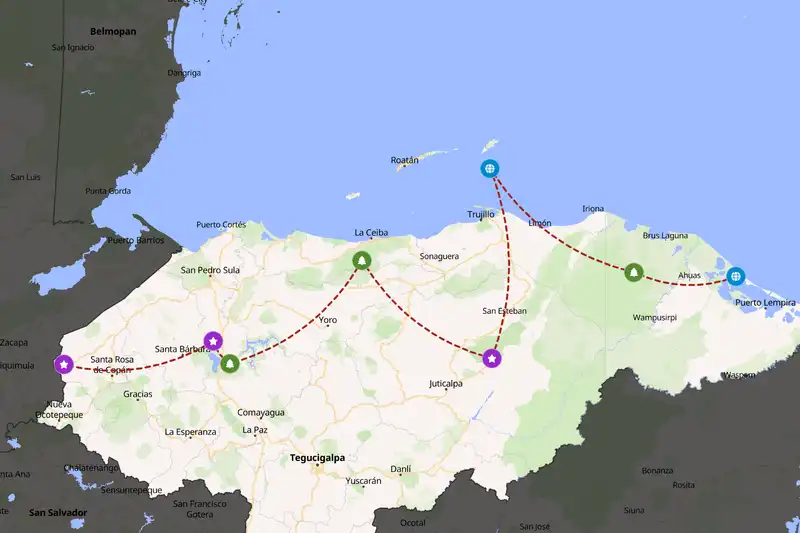
Short answer: yes, but it rewards people who are organized and a bit street-smart. Honduras is not the easiest country in Central America, but it’s absolutely doable for independent backpackers who’ve handled places like Guatemala or Nicaragua.
The main backpacker circuits (Bay Islands, Copán Ruinas, La Ceiba, Utila, Roatán, Lago de Yojoa) have hostels, shuttles, and tour operators used to foreigners. English is common on the islands and in tourist businesses; elsewhere, basic Spanish makes your life much easier and cheaper.
The real challenge is managing safety and logistics. You need to:
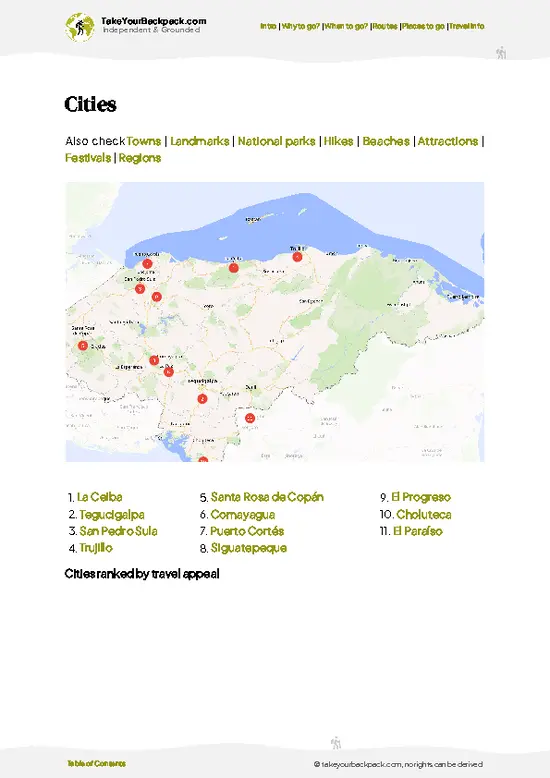
- Stick to known neighborhoods in big cities (Tegucigalpa, San Pedro Sula) and treat them as transit hubs, not sightseeing bases.
- Avoid walking around at night in cities; use registered taxis or rideshare where available.
- Keep valuables minimal and low-profile; no flashy jewelry, no big cameras dangling.
- Ask hostel staff which bus terminals and routes are safest and at what times.
If you’re a first-time backpacker, Honduras is easier if you follow the classic routes and use hostels that help with transport. If you’ve traveled independently in Latin America before, Honduras feels like a slightly rougher, cheaper version of its neighbors with huge rewards in nature and diving.
For a solid first trip, 10–14 days is the sweet spot. That gives you time for islands, ruins, and some jungle or lake time without sprinting.
Rough breakdowns that actually work on the ground:
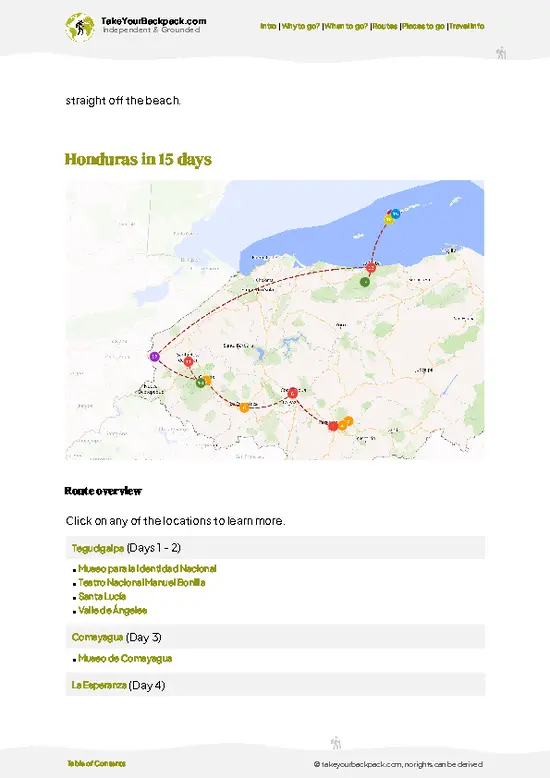
- 7 days (fast track): Fly into San Pedro Sula → Copán Ruinas (2–3 days) → Lago de Yojoa (2 days) → La Ceiba (1 night) → quick hop to Utila (2–3 days if you cut something). This is tight but doable if you’re focused.
- 10–14 days (ideal): Copán Ruinas (2–3 days) → Lago de Yojoa (2–3 days) → La Ceiba/Cayos Cochinos or Pico Bonito (2–3 days) → Utila or Roatán (4–5 days, especially if you’re diving or doing a course).
- 3+ weeks (slow and happy): Add extra time on the Bay Islands for advanced diving, more hiking around Gracias and Celaque National Park, or a deeper dive into the Moskitia region if you’re experienced and comfortable with remote travel.
If you only have a week, pick one main focus: either ruins + inland nature (Copán + Yojoa) or pure island time (Utila/Roatán). Trying to do everything in 7 days just means you’ll spend half your trip on buses and boats.
You can absolutely get around Honduras without a car; most backpackers do. The key is knowing which transport type fits which leg of your trip.
Main options:
- Local buses (“rapiditos” and chicken buses): Cheapest way to move between towns and within cities. They’re crowded, slow, and not the safest late at night, but during the day on common routes they’re standard backpacker fare.
- First-class / intercity buses: Companies run more comfortable, safer buses between big hubs like Tegucigalpa, San Pedro Sula, La Ceiba, and sometimes Copán. These are worth the extra money for long stretches.
- Tourist shuttles: Common on the backpacker routes (e.g., Copán Ruinas ↔ Antigua, La Ceiba ↔ Utila ferry connections). More expensive than local buses but faster, safer, and easier if your Spanish is basic.
- Ferries: Essential for the Bay Islands. The La Ceiba–Utila and La Ceiba–Roatán ferries are the standard routes. Seas can be rough; motion sickness pills are not optional if you’re prone.
- Taxis and moto-taxis: Cheap in cities and small towns. Always agree on the price before getting in, and avoid shared taxis at night.
You don’t need a car, and in cities you’re often better off without one due to traffic, parking, and security. Just plan travel days carefully, aim to arrive before dark, and let hostel staff help you choose the safest routes and departure times.
For a budget backpacker, these are the places that actually earn their spot on your itinerary:
1. Copán Ruinas
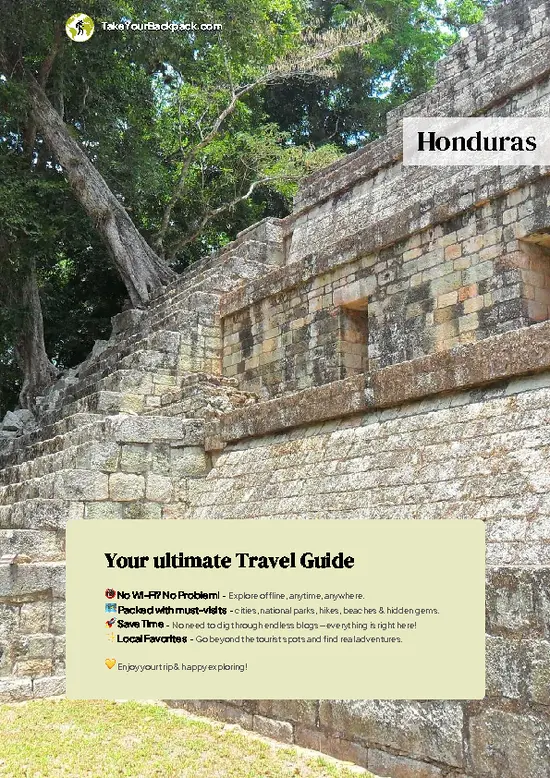
Small, relaxed town with cobblestone streets and one of the most impressive Maya sites in Central America. The ruins are compact but rich in detail—intricate stelae, hieroglyphic stairway, and a jungle setting with macaws flying overhead. The town itself has good hostels, cheap eats, and easy day trips to hot springs and coffee farms.
2. Utila (Bay Islands)
If you dive or want to learn, Utila is one of the best-value places in the world to get certified. The island is built around backpackers: dive shops with free or discounted dorms, cheap baleadas, and a social scene that’s lively without being only about partying. Even if you don’t dive, you can snorkel, kayak, or just live the flip-flop life for a few days.
3. Roatán (Bay Islands, selectively)
Roatán is pricier than Utila but has better beaches and more developed infrastructure. If you’re willing to spend a bit more, West End and West Bay deliver clear water, good snorkeling right off the beach, and solid diving. It’s worth it if you want a slightly more polished island experience.
4. Lago de Yojoa
A freshwater lake ringed by hills, coffee farms, and caves. It’s a great budget base for hiking, birdwatching, waterfall chasing, and brewery visits. You can stay at a backpacker-friendly lodge or hostel and do day trips to nearby national parks like Cerro Azul Meámbar.
5. La Ceiba & Pico Bonito area
La Ceiba itself is more of a staging point, but the surrounding area is gold for nature lovers: whitewater rafting on the Río Cangrejal, canyoning, waterfall hikes, and access to Pico Bonito National Park. It’s also your main jumping-off point for the Bay Islands and Cayos Cochinos.
6. Gracias & Celaque National Park (if you like hiking)
A colonial town with a laid-back feel and access to serious hiking in Celaque, home to Honduras’ highest peak. This is for people who enjoy quieter, less touristy spots and don’t mind basic infrastructure in exchange for real mountain time.
If you’re short on time or cash, you can skip a few places without feeling like you missed the core of Honduras.
1. Tegucigalpa (as a destination)
Use it as a transit hub if you must, but don’t burn days here. It’s spread out, traffic-heavy, and not particularly rewarding for backpackers compared to what you could be doing elsewhere. If you overnight, stay in a reputable area, grab a meal, and move on.
2. San Pedro Sula (beyond logistics)
Same story: it’s mainly a gateway city. You’ll likely pass through for buses or flights, but there’s no strong reason to linger when Copán, Yojoa, or the coast are waiting. Prioritize daytime arrivals and departures and treat it as functional, not a highlight.
3. Inland beach towns on the north coast (if you’re doing the islands)
If you’re already heading to Utila or Roatán, the mainland beaches near La Ceiba and Tela are skippable on a tight schedule. They’re fine, but the islands are better for snorkeling, diving, and clear water. Use your limited days for the islands and jungle instead.
4. Deep Moskitia (for most travelers)
La Moskitia is wild and remote, and that’s exactly why it’s expensive and logistically heavy. You need time, money, and a high tolerance for rough conditions. If you’re on a classic backpacker budget and schedule, it’s usually better to invest those days in diving, hiking, or ruins.
5. Trying to do both Utila and Roatán on a short trip
If you have under two weeks, pick one island. Hopping between them eats time and money, and they overlap in what they offer: diving, beaches, and island life. Utila is better for budget divers and social hostels; Roatán is better for beaches and a slightly more polished feel. Choose the one that fits your style and commit.
If you’re really squeezed, the core, high-value route is: Copán Ruinas → Lago de Yojoa → La Ceiba → one Bay Island. Everything else is optional seasoning.