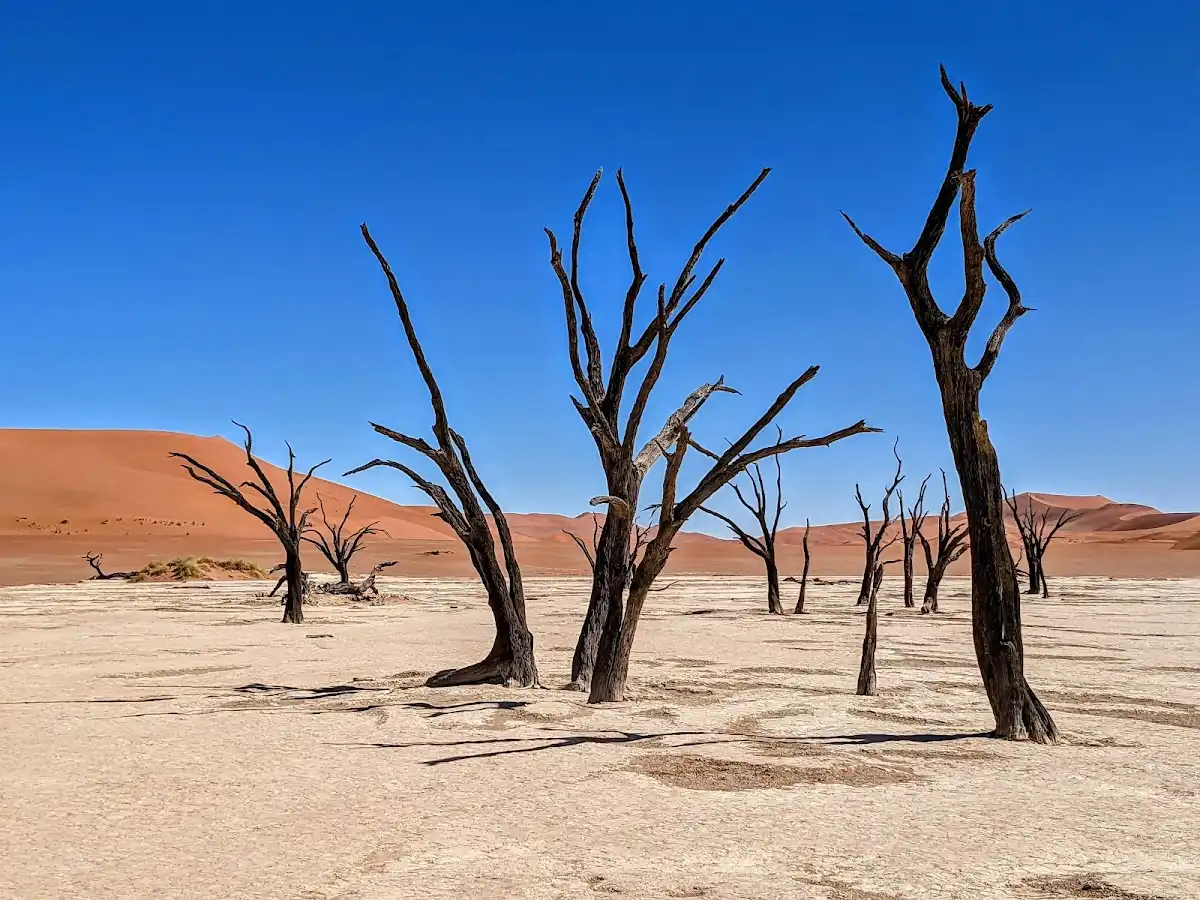
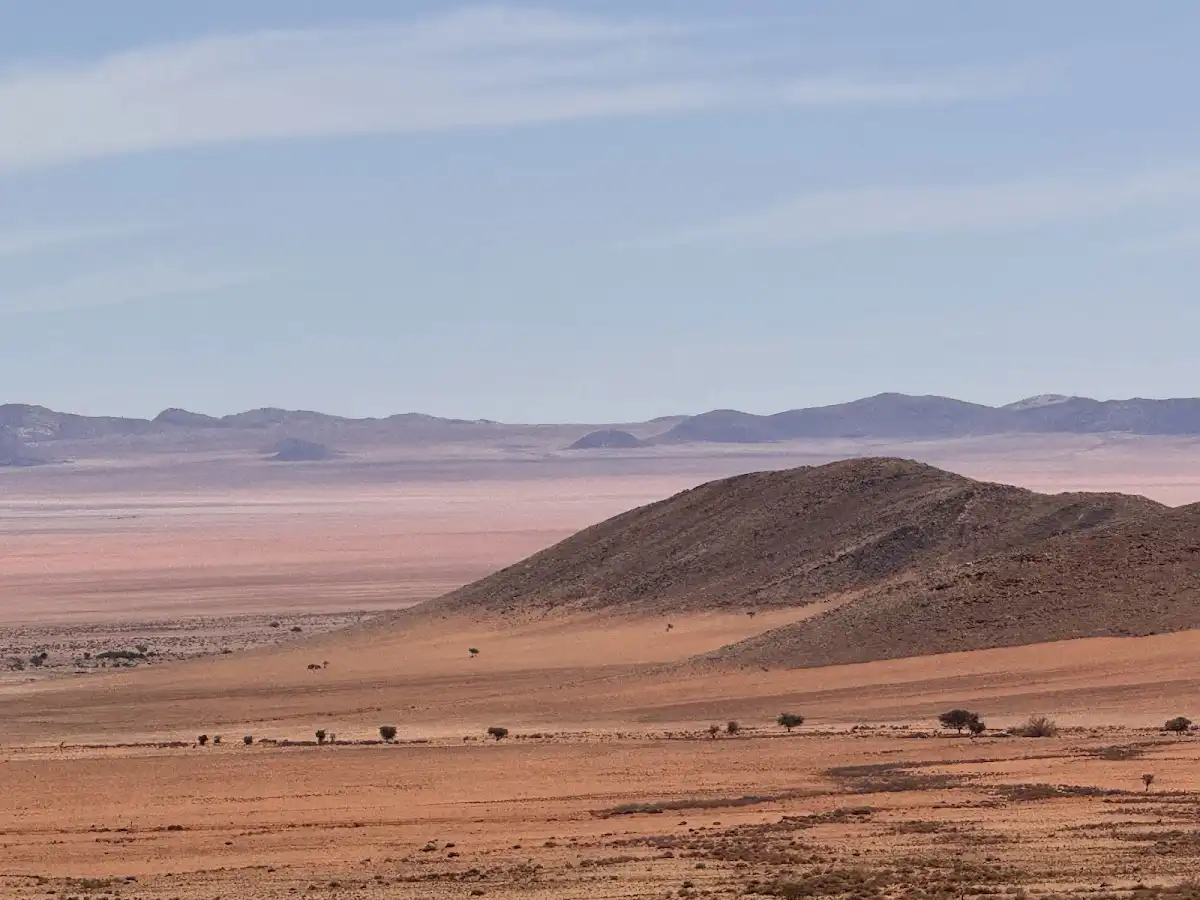
TerrainNamibia’s national parks are a study in contrasts, from the arid expanses of the Namib Desert to the lush wetlands of the Caprivi Strip. The terrain shapes your experience. In Etosha National Park, the salt pans reflect the sun like a mirror, creating a stark beauty that’s mesmerizing. The dry season, from May to October, is prime for wildlife viewing, as animals congregate around waterholes. However, the heat can be oppressive, so early mornings and late afternoons are your best bets for both comfort and action.
In contrast, the Fish River Canyon offers a dramatic landscape that feels almost lunar. Hiking here requires a different mindset; it’s about endurance and preparation. The trails can be rugged, and the remoteness means you need to be self-sufficient. If you’re looking to …
read more 👉 TerrainNamibia’s national parks are a study in contrasts, from the arid expanses of the Namib Desert to the lush wetlands of the Caprivi Strip. The terrain shapes your experience. In Etosha National Park, the salt pans reflect the sun like a mirror, creating a stark beauty that’s mesmerizing. The dry season, from May to October, is prime for wildlife viewing, as animals congregate around waterholes. However, the heat can be oppressive, so early mornings and late afternoons are your best bets for both comfort and action.
In contrast, the Fish River Canyon offers a dramatic landscape that feels almost lunar. Hiking here requires a different mindset; it’s about endurance and preparation. The trails can be rugged, and the remoteness means you need to be self-sufficient. If you’re looking to cover multiple parks, consider the trade-off: the more parks you try to squeeze in, the less time you’ll have to soak in each unique environment.
Park InfrastructureNamibia’s park infrastructure varies significantly. Some parks, like Etosha, are well-equipped with lodges and campsites, making it easier to plan your stay. You can drive yourself around, but guided tours offer insights that enrich the experience. In contrast, parks like Skeleton Coast are more remote, with limited facilities. Here, you’ll need to be prepared for self-catering and possibly even camping.
The trade-off is clear: while the well-developed parks allow for a more comfortable experience, the less accessible ones offer a raw, unfiltered connection to nature. If you’re short on time, prioritize parks with better infrastructure to maximize your experience.
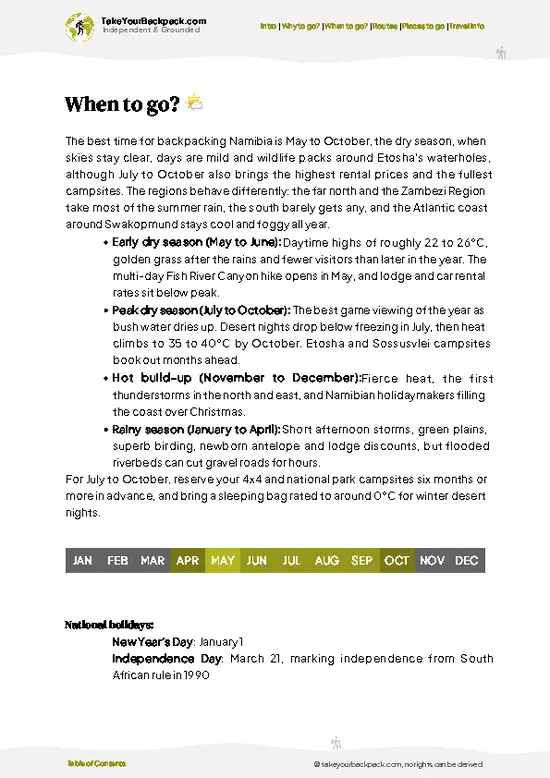
Wildlife ActivityWildlife activity is another crucial factor. In Etosha, the dry season guarantees sightings of elephants, lions, and rhinos, but the crowds can be overwhelming. If you’re after a more intimate experience, consider visiting parks like Bwabwata or Nkasa Rupara, where you’ll find fewer tourists and a chance to see unique species like the rare sitatunga.
However, these parks may require more effort to reach, and the wildlife isn’t as predictable. You might spend more time driving and less time observing. The key is to balance your desire for wildlife encounters with the realities of travel time and accessibility.
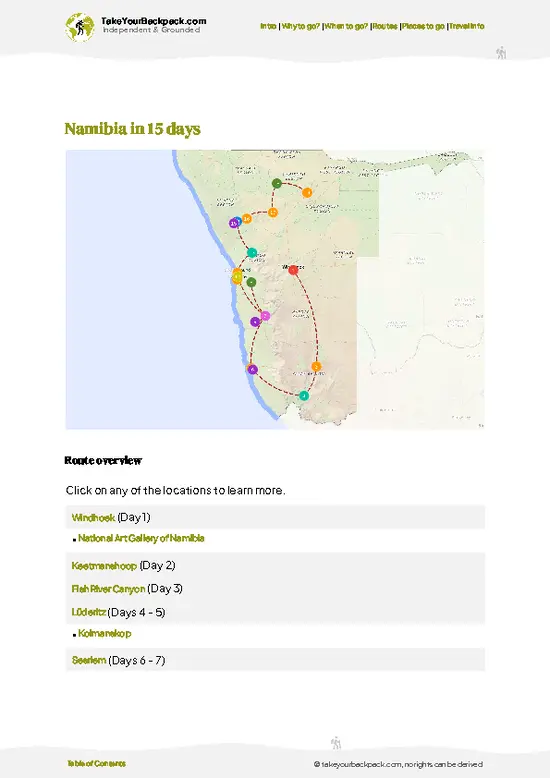
Time and BudgetWhen planning your trip, aim to visit three to four national parks. This allows you to appreciate the diversity without feeling rushed. Expect to spend a week to ten days for a fulfilling experience, factoring in travel time between parks. Budget-wise, be prepared for a range of costs. Campsites are generally affordable, but lodges in popular parks can be pricey.
Consider the trade-off between comfort and experience. Staying in a lodge might offer luxury, but camping under the stars can be transformative. The choice depends on your priorities: do you want to splurge for comfort, or are you ready to embrace the rugged beauty of Namibia?
Safety and Cultural ConsiderationsSafety is paramount. While Namibia is relatively safe for travelers, always stay aware of your surroundings, especially in remote areas. Respect local cultures and traditions; understanding the significance of the land to indigenous communities can deepen your appreciation of the parks.
Engaging with local guides not only enhances your experience but also supports the communities. They offer insights that you won’t find in guidebooks, enriching your understanding of the landscape and its inhabitants.
In summary, Namibia’s national parks offer a rich tapestry of experiences, each with its own set of challenges and rewards. By understanding the terrain, infrastructure, wildlife activity, and cultural context, you can unlock a more profound connection to this stunning country.