Yes, New Zealand is one of the easiest countries on earth to backpack independently, especially for first-timers. English is widely spoken, people are direct and helpful, and the country is set up for self-drive and DIY travel rather than package tours. The main challenge is cost, not logistics, so budget travelers need to be strategic. For accommodation, you can mix hostel dorms, holiday park cabins, and DOC (Department of Conservation) campsites; if you carry a tent, your options and savings multiply fast. The DOC system is gold for backpackers: hundreds of basic huts and camps on trails and near lakes, usually bookable online or first-come, first-served, with clear rules and prices. Safety-wise, crime against travelers is relatively low, but you still lock your stuff, avoid leaving gear in cars at trailheads, and use common sense in cities at night. The real risk is nature: fast-changing weather, strong sun, and rivers that rise quickly. Trails are well-marked by global standards, but you still carry a map app (like an offline topo) and know your limits. Grocery shopping and self-catering are key to keeping costs down; most towns have at least one supermarket, and hostel kitchens are usually well-equipped. Tap water is generally safe to drink, which saves money and plastic. Wi‑Fi can be patchy and expensive in remote areas, so download maps, bus tickets, and hostel confirmations in advance. Hitchhiking is common and culturally accepted in many areas, but it’s never risk-free; if you do it, stick to daylight, avoid alcohol, and trust your instincts. Overall, if you can handle basic planning, cook for yourself, and respect the weather, New Zealand is very friendly to independent backpackers.
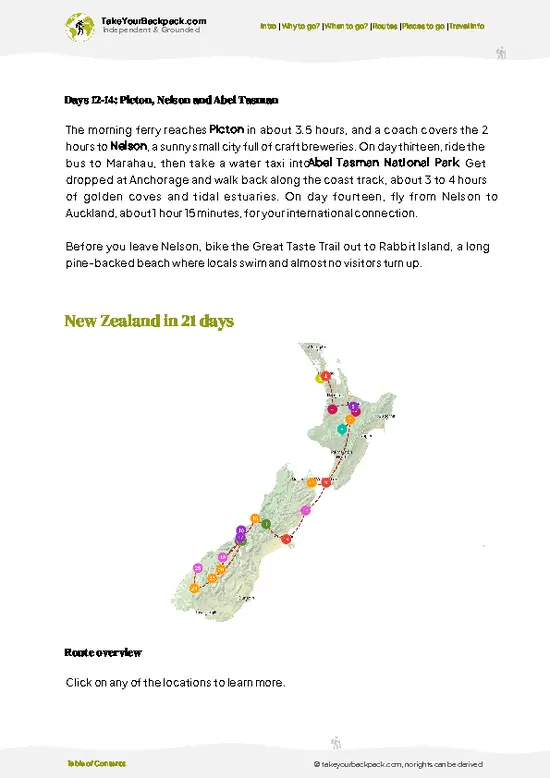
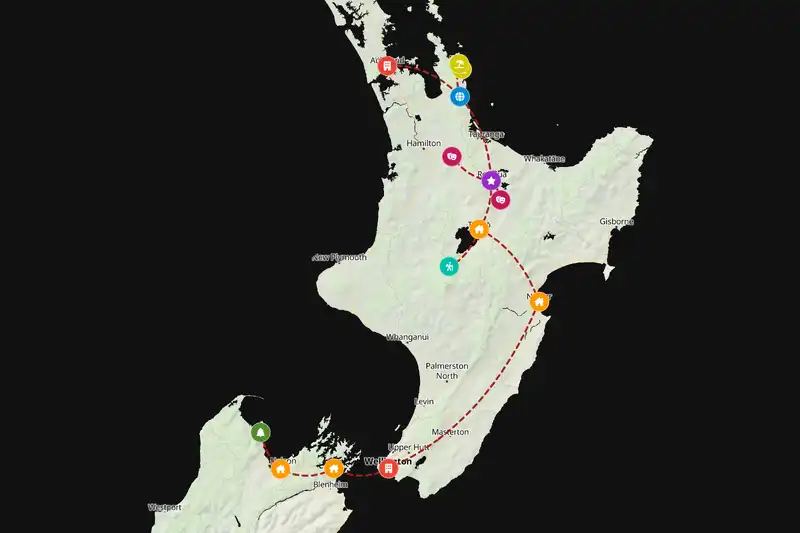
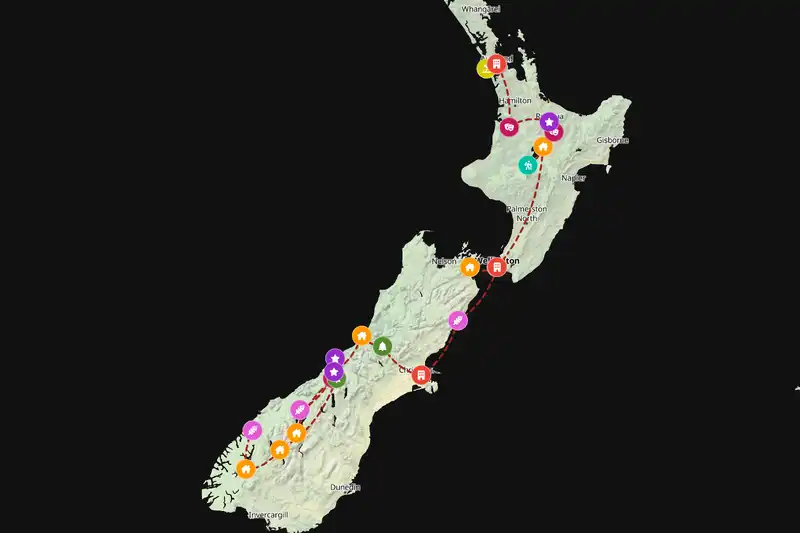
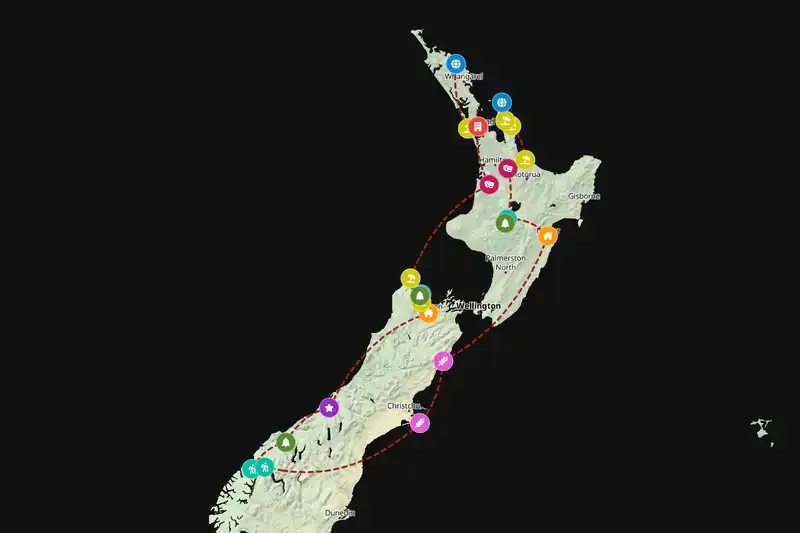
For a tight-budget backpacker, the sweet spot is 3–5 weeks, but you can scale it. With 7–10 days, you pick one island only. On the North Island, you might base around Auckland–Rotorua–Taupō with one or two day hikes and hot springs. On the South Island, you’d focus on Queenstown–Te Anau–Milford or Queenstown–Wanaka–Aoraki/Mt Cook, skipping long detours. With 2 weeks, you can do a fast highlights loop of one island or a rushed taste of both. A realistic 14‑day both‑islands budget route might be: Auckland – Rotorua/Taupō – Wellington – ferry to Picton – Kaikōura – Christchurch – Tekapo – Queenstown – Milford Sound day trip – fly out. It works, but you’ll spend more time on buses than on trails. With 3–4 weeks, you can slow down, which actually saves money: fewer transport days, more self-catering, and the ability to wait out bad weather instead of paying for rushed tours. In that time you can do both islands with a couple of multi-day hikes or hut-based trips. With 5–6 weeks or more, you can chase good weather windows for big tracks, pick up seasonal work if you have a working holiday visa, and linger in cheaper spots like smaller towns and DOC camps instead of pricey resort hubs. If you’re very short on time and money, it’s better to do one island well than both islands badly. The South Island is stronger for dramatic mountains and classic road-trip scenery; the North Island is better for geothermal areas, Māori culture, and more consistent bus connections. Whatever your timeframe, build at least one buffer day every 7–8 days for weather delays, especially if you’re planning big hikes or ferry crossings.
You can absolutely get around New Zealand without a car, but it shapes your route and pace. For budget travelers, the main options are intercity buses, backpacker shuttles, rideshares, and occasional hitchhiking. Intercity buses connect all major towns and many smaller ones; they’re reliable but not ultra-frequent, so you plan around their schedules. Booking early and traveling at off-peak times usually gets the best prices. Some routes are long and slow, so bring snacks and offline entertainment. Backpacker-oriented shuttles and tour buses used to be everywhere; they still exist in some form, but they’re more expensive than regular buses and often follow a fixed loop. They’re good if you want a social vibe and zero planning, but they’re not the cheapest way to move. Rideshare apps and hostel noticeboards are useful for splitting fuel costs with drivers who already have a car; this can be cheaper and more flexible than buses, especially between popular hubs like Queenstown–Wanaka–Franz Josef or Rotorua–Taupō–Wellington. For hikers, track shuttles are key: many trailheads are off the main roads, and local operators run daily or on-demand vans to and from popular tracks like Tongariro Alpine Crossing, Routeburn, Kepler, and others. These aren’t cheap, but they’re often the only realistic way in and out without a car. Trains are limited and mostly scenic routes rather than a full network, so they’re more of a treat than a backbone for budget travel. Ferries between the North and South Islands (Wellington–Picton) are essential if you’re doing both islands; book ahead in high season. Without a car, you’ll want to cluster your stays around towns that act as hubs: Auckland, Rotorua, Taupō, Wellington, Nelson, Picton, Christchurch, Queenstown, Wanaka. From those, you can use day shuttles and local buses to reach hikes and viewpoints. It’s doable, but you trade spontaneity for savings and need to be disciplined about checking bus times before you book accommodation.
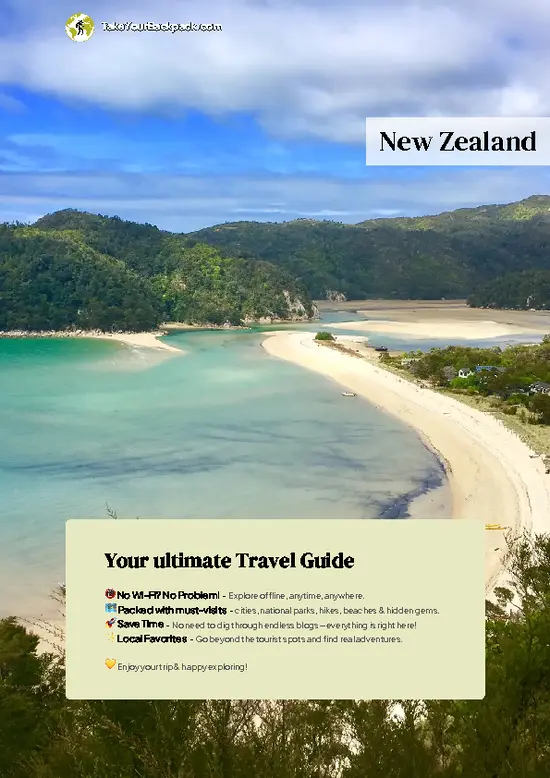
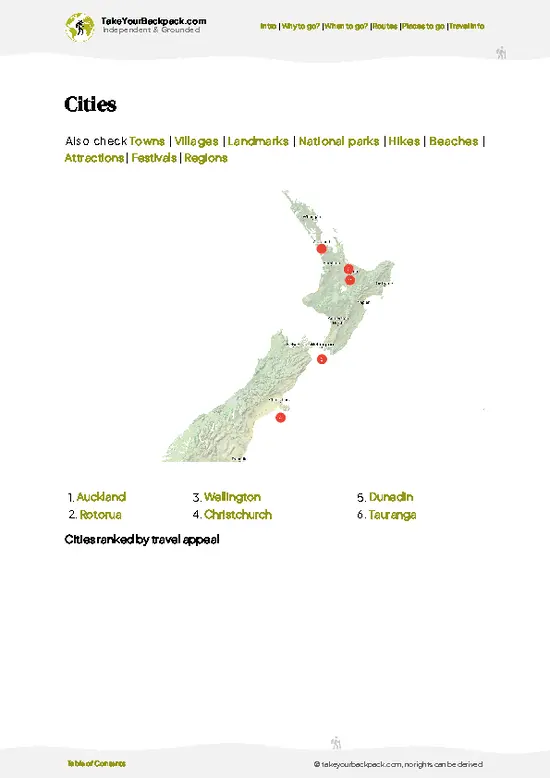
For backpackers on a budget, the must-visits are the places where you can get big experiences for relatively low daily cost, especially if you’re willing to hike and self-cater. On the North Island, Auckland is worth 1–2 days max as your landing pad: walk the waterfront, climb a volcanic cone like Mt Eden, then move on. Rotorua and nearby lakes are key for geothermal landscapes and Māori culture; you don’t need to pay for every commercial attraction, but one paid geothermal park or a cultural evening is worth the splurge. Taupō is your base for the Tongariro Alpine Crossing, one of the best day hikes in the world; budget for a shuttle and proper gear, and it’s a huge payoff. Wellington is a compact capital with good free or cheap museums, walkable hills, and a strong café scene; it’s a great place to reset, do laundry, and eat something that isn’t instant noodles. On the South Island, the Queenstown–Wanaka–Te Anau triangle is the core. Queenstown is touristy but delivers: free or cheap hikes like Queenstown Hill or Ben Lomond, lake swims, and a big social hostel scene. Wanaka is slightly calmer with equally good hiking and lake access. Te Anau is your launchpad for Fiordland: Milford Sound or Doubtful Sound cruises are not cheap, but they’re one of the few things I’d call globally worth the money. If you can, add at least one Fiordland multi-day hike or hut night, like the Kepler Track or a section of the Routeburn. Aoraki/Mt Cook National Park is another must if you love mountains: the Hooker Valley Track is a low-effort, high-reward hike, and there are tougher routes if you’re experienced. On the east side, Lake Tekapo is a good overnight stop for starry skies and lake views, especially if you’re already passing through. On the northern South Island, Abel Tasman National Park is ideal for budget backpackers who like coastal hiking and kayaking; you can do day sections or a multi-day walk using DOC camps and huts, and water taxis instead of expensive tours. If you have extra time, the West Coast glaciers (Franz Josef and Fox) are worth a stop for short walks and moody landscapes, even if you skip the pricey heli-hikes. Overall, prioritize places where you can walk out your hostel door and access trails, lakes, or viewpoints without paying for constant tours.
If you’re short on time or cash, skip anything that eats days and money without adding something unique to your trip. You can safely trim big-city time: don’t linger in Auckland or Christchurch beyond what you need for flights, groceries, and logistics. One or two nights each is enough for most backpackers. You can also skip doing both islands if you have less than 12–14 days; choose the South Island if you’re mainly after mountains and dramatic landscapes, or the North Island if you care more about geothermal areas and culture. Trying to cram both into a short trip turns your budget into bus tickets and rushed meals. Expensive adventure activities are easy to overdo. Pick one or two that genuinely excite you—maybe a bungy in Queenstown or a glacier heli-hike—and skip the rest of the high-priced adrenaline menu. The free or cheap hikes around Queenstown, Wanaka, and Aoraki/Mt Cook give you huge thrills for the cost of snacks and a shuttle. Many paid geothermal parks around Rotorua and Taupō are quite similar; choose one good one instead of three. Likewise, you don’t need to visit every glowworm cave in the country; one cave experience (like Waitomo or a smaller local operator) is enough. If you’re not a wine person, you can skip detours to wine regions like Hawke’s Bay or Marlborough and just enjoy local bottles from supermarkets. On the South Island, you can skip long detours to remote peninsulas or tiny towns unless you have a car and extra days; for example, if time is tight, prioritize Fiordland and Aoraki/Mt Cook over places like the Catlins or extra nights in Kaikōura. Finally, don’t chase perfect weather across the whole country; pick a region, accept that you might hike in some cloud, and avoid burning days and money zigzagging after blue skies.